
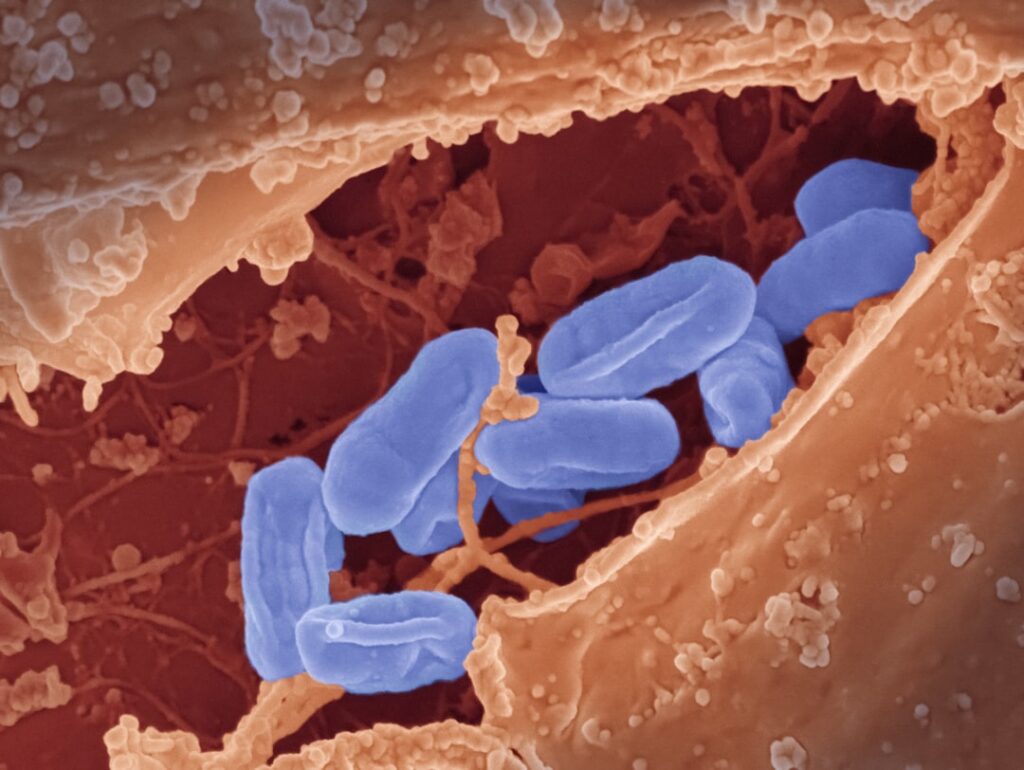
The human microbiome is a complex ecosystem composed of trillions of microorganisms, including bacteria, viruses, fungi, and archaea, that inhabit various parts of the body, particularly the gut. This intricate community plays a crucial role in maintaining health and homeostasis. The microbiome is not merely a collection of microbes; it is a dynamic and interactive system that influences numerous physiological processes.
Each individual’s microbiome is unique, shaped by factors such as genetics, environment, diet, and lifestyle. The diversity and composition of these microbial communities can vary significantly from person to person, leading to different health outcomes. Recent advancements in genomic sequencing technologies have allowed scientists to explore the microbiome in unprecedented detail.
Researchers have identified thousands of distinct microbial species residing in the human body, with the gut microbiome being the most extensively studied. This community of microorganisms is involved in various functions, including digestion, metabolism, immune system regulation, and even mental health. Understanding the microbiome’s complexity is essential for recognizing its profound impact on overall health and well-being.
Key Takeaways
- The microbiome refers to the community of microorganisms that live in and on the human body, playing a crucial role in various bodily functions.
- The microbiome has a significant impact on overall health, influencing digestion, immune function, and even mental health.
- A holistic approach to the microbiome solution involves addressing diet, lifestyle, and environmental factors to promote a healthy microbiome.
- Gut health is closely linked to the microbiome, with an imbalance in gut bacteria potentially leading to various health issues.
- Implementing the microbiome solution involves making changes to diet, incorporating probiotics, and reducing exposure to harmful substances to support a healthy microbiome and overall wellness.
The Impact of the Microbiome on Health
The influence of the microbiome on health is multifaceted and far-reaching. One of the most significant roles of the gut microbiome is its involvement in digestion and nutrient absorption. Beneficial bacteria help break down complex carbohydrates and fibers that human enzymes cannot digest, producing short-chain fatty acids (SCFAs) that serve as an energy source for colon cells and play a role in regulating inflammation.
A balanced microbiome can enhance nutrient absorption, leading to better overall health. Moreover, the microbiome has a profound impact on the immune system. It acts as a barrier against pathogens by competing for resources and producing antimicrobial substances.
A healthy microbiome can modulate immune responses, promoting tolerance to harmless antigens while maintaining vigilance against harmful invaders. Dysbiosis, or an imbalance in the microbial community, has been linked to various autoimmune diseases, allergies, and inflammatory conditions. For instance, studies have shown that individuals with conditions like rheumatoid arthritis or inflammatory bowel disease often exhibit altered gut microbiota profiles.
The Microbiome Solution: A Holistic Approach
Addressing health issues related to the microbiome requires a holistic approach that considers not only the microbial community itself but also the myriad factors influencing its composition and function. This perspective emphasizes the interconnectedness of various bodily systems and recognizes that changes in one area can have cascading effects throughout the body. A holistic approach to the microbiome involves integrating dietary changes, lifestyle modifications, and possibly targeted interventions such as probiotics or prebiotics.
As research continues to unveil the unique characteristics of individual microbiomes, there is a growing recognition that interventions should be tailored to each person’s specific microbial profile. For example, a diet rich in fiber may benefit individuals with certain gut bacteria while being less effective for others.
By understanding the unique needs of an individual’s microbiome, healthcare providers can develop more effective strategies for promoting health and preventing disease.
Gut Health and the Microbiome
Gut health is intricately linked to the state of the microbiome. A diverse and balanced gut microbiota is essential for optimal digestive function and overall well-being. When the gut microbiome is disrupted—due to factors such as poor diet, stress, antibiotic use, or infections—it can lead to gastrointestinal disorders like irritable bowel syndrome (IBS), Crohn’s disease, or ulcerative colitis.
These conditions often manifest as symptoms such as bloating, diarrhea, constipation, and abdominal pain. Furthermore, emerging research suggests that gut health may influence mental health through the gut-brain axis—a bidirectional communication system between the gut and the brain. The gut microbiome produces neurotransmitters and metabolites that can affect mood and cognitive function.
For instance, certain strains of Lactobacillus and Bifidobacterium have been associated with reduced symptoms of anxiety and depression. This connection underscores the importance of maintaining a healthy gut microbiome not only for physical health but also for mental well-being.
Implementing the Microbiome Solution
Implementing a microbiome-focused approach to health involves several practical steps that individuals can take to support their microbial communities. One of the most effective strategies is dietary modification. Incorporating a diverse range of whole foods—such as fruits, vegetables, whole grains, legumes, nuts, and seeds—can provide essential nutrients and prebiotics that nourish beneficial gut bacteria.
Fermented foods like yogurt, kefir, sauerkraut, and kimchi are also valuable additions to the diet, as they contain live probiotics that can help restore balance to the microbiome. In addition to dietary changes, lifestyle factors play a crucial role in shaping the microbiome.
Exercise can stimulate the production of SCFAs and improve gut motility, contributing to better digestion and overall well-being. Furthermore, managing stress through mindfulness practices such as meditation or yoga can positively influence gut health by reducing inflammation and promoting a balanced microbiome.
The Role of Diet and Lifestyle in Microbiome Health
Diet is one of the most significant determinants of microbiome composition and function. A diet high in processed foods, sugars, and unhealthy fats can lead to dysbiosis—a state characterized by reduced microbial diversity and an overgrowth of harmful bacteria. Conversely, a diet rich in fiber from plant-based sources fosters a thriving community of beneficial microbes.
Fiber acts as a prebiotic, serving as food for good bacteria while promoting their growth and activity. Lifestyle factors also play an essential role in maintaining a healthy microbiome. Sleep quality is another critical component; inadequate sleep can disrupt hormonal balance and immune function, potentially leading to changes in gut microbiota composition.
Additionally, exposure to environmental factors such as pollution or chemicals can impact microbial diversity. Therefore, creating a supportive environment for gut health involves not only dietary choices but also fostering healthy sleep patterns and minimizing exposure to harmful substances.
The Microbiome Solution: A Path to Wellness
The concept of the microbiome solution represents a paradigm shift in how we approach health and wellness. Rather than viewing health as merely the absence of disease, this approach emphasizes the importance of nurturing our microbial communities as integral to achieving optimal well-being. By focusing on the microbiome as a central player in our health narrative, we can develop more effective strategies for disease prevention and management.
This path to wellness involves embracing a lifestyle that prioritizes gut health through informed dietary choices, regular physical activity, stress management techniques, and adequate sleep. As research continues to evolve, we are likely to see more personalized approaches to healthcare that take into account individual microbiome profiles. This could lead to tailored interventions that optimize health outcomes based on one’s unique microbial makeup.
Embracing the Microbiome Solution
Embracing the microbiome solution means recognizing the profound impact that our microbial communities have on our overall health. By understanding the intricate relationships between our diet, lifestyle choices, and gut health, we can take proactive steps toward enhancing our well-being. As we continue to uncover the complexities of the microbiome through ongoing research, it becomes increasingly clear that nurturing these microscopic allies is essential for achieving optimal health.
Incorporating practices that support a healthy microbiome into our daily lives not only promotes physical health but also contributes to mental well-being. As we move forward in our understanding of this fascinating field, it is imperative that we adopt a holistic approach that considers both individual needs and broader environmental factors influencing our microbial ecosystems. By doing so, we pave the way for a healthier future rooted in the wisdom of our own biology.
If you’re interested in learning more about the impact of the microbiome on our health, you may want to check out the article “Hello World” on Hellread.com. This article delves into the fascinating world of microbiology and how it can influence everything from our digestion to our immune system. To read more about this topic, click here.
FAQs
What is the microbiome?
The microbiome refers to the trillions of microorganisms, including bacteria, viruses, fungi, and other microbes, that live in and on the human body, particularly in the digestive tract.
What is The Microbiome Solution by Robynne Chutkan about?
The Microbiome Solution is a book by Robynne Chutkan that explores the connection between the microbiome and overall health, and provides a guide for improving gut health through diet, lifestyle changes, and probiotics.
Why is the microbiome important?
The microbiome plays a crucial role in digestion, immune function, metabolism, and even mental health. Imbalances in the microbiome have been linked to a range of health issues, including obesity, autoimmune diseases, and mood disorders.
What are some tips for improving the microbiome?
Some tips for improving the microbiome include eating a diverse range of plant-based foods, avoiding unnecessary antibiotics, getting regular exercise, managing stress, and incorporating probiotic-rich foods into the diet.
Is there scientific evidence supporting the importance of the microbiome?
Yes, there is a growing body of scientific research that supports the importance of the microbiome in human health. Studies have shown correlations between microbiome imbalances and various health conditions, and research is ongoing to better understand the mechanisms involved.




