
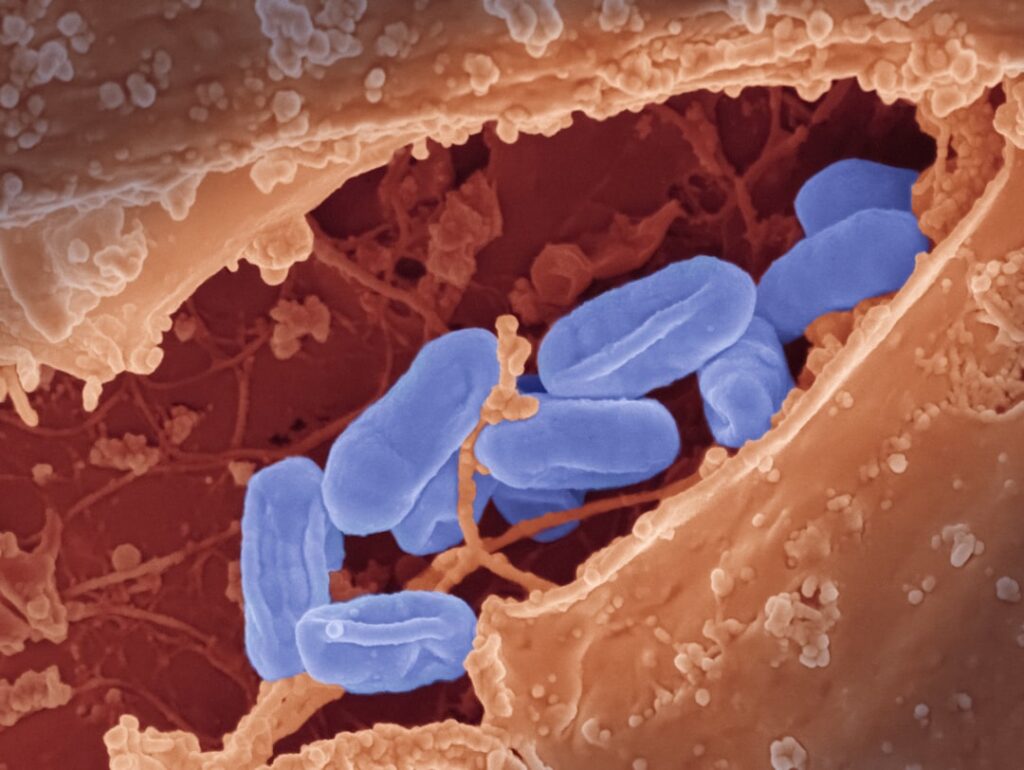
The concept of “The Good Gut” has gained significant traction in recent years, as research continues to unveil the intricate relationship between our digestive system and overall health. The gut, often referred to as the “second brain,” plays a pivotal role in various bodily functions, including digestion, immune response, and even mental health. This article delves into the multifaceted nature of gut health, exploring its importance, the complex ecosystem of gut microbiota, and the profound impact of diet and lifestyle choices.
By understanding these elements, individuals can take actionable steps toward enhancing their gut health and, consequently, their overall well-being. The term “Good Gut” encapsulates the idea that a healthy gut is foundational to a thriving body and mind. It emphasizes the need for a balanced microbiome, which consists of trillions of microorganisms that reside in our intestines.
These microorganisms are not merely passive inhabitants; they actively participate in metabolic processes, influence immune function, and even communicate with the brain. As we navigate through this exploration of gut health, it becomes evident that fostering a good gut is not just about avoiding digestive discomfort but is integral to achieving holistic health.
Key Takeaways
- The gut plays a crucial role in overall health and well-being, impacting everything from digestion to immune function.
- The gut microbiota, made up of trillions of bacteria, fungi, and other microbes, plays a key role in maintaining gut health and overall health.
- Diet and lifestyle choices, such as eating a diverse range of foods and managing stress, can have a significant impact on gut health.
- Strategies for improving gut health include consuming probiotics and prebiotics, as well as reducing intake of processed foods and sugar.
- A healthy gut is not only important for physical health, but also for mental health, as the gut and brain are closely connected.
The Importance of Gut Health
Gut health is paramount for several reasons, primarily due to its extensive influence on physical and mental well-being. A well-functioning gut aids in the efficient breakdown of food, allowing for optimal nutrient absorption. This process is crucial because the nutrients derived from our diet fuel every cell in our body.
When gut health is compromised, it can lead to malabsorption issues, resulting in deficiencies that may manifest as fatigue, weakened immunity, or other health complications. Moreover, the gut serves as a critical barrier against pathogens. The intestinal lining is designed to prevent harmful bacteria and toxins from entering the bloodstream while allowing beneficial substances to pass through.
A healthy gut microbiome supports this barrier function by outcompeting harmful microbes and producing substances that strengthen the intestinal lining. When this balance is disrupted, it can lead to conditions such as leaky gut syndrome, where toxins and undigested food particles enter the bloodstream, potentially triggering inflammatory responses and contributing to various chronic diseases.
The Gut Microbiota: What It Is and How It Works
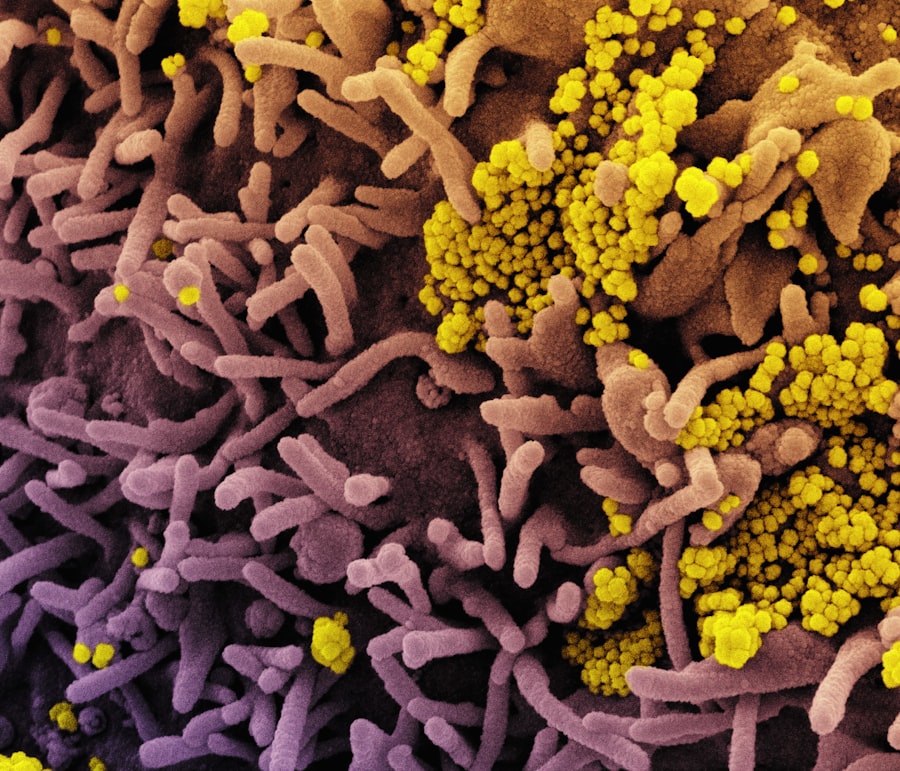
The gut microbiota refers to the diverse community of microorganisms residing in the gastrointestinal tract. This complex ecosystem comprises bacteria, viruses, fungi, and other microbes that coexist in a delicate balance. Each individual’s microbiota is unique, shaped by factors such as genetics, diet, environment, and lifestyle choices.
The composition of this microbial community can significantly influence health outcomes. Microbiota performs several essential functions that are vital for maintaining gut health. For instance, certain bacteria ferment dietary fibers into short-chain fatty acids (SCFAs), which serve as an energy source for colon cells and play a role in regulating inflammation.
Additionally, beneficial bacteria synthesize vitamins such as B12 and K2, contributing to overall nutritional status. The microbiota also interacts with the immune system, helping to train immune cells and modulate inflammatory responses. This interaction underscores the importance of maintaining a balanced microbiome to support both digestive health and systemic immunity.
The Impact of Diet and Lifestyle on Gut Health
Diet and lifestyle choices are among the most significant factors influencing gut health. A diet rich in fiber from fruits, vegetables, whole grains, and legumes promotes the growth of beneficial bacteria while inhibiting harmful ones. Fiber acts as a prebiotic, providing nourishment for good bacteria and facilitating the production of SCFAs.
Conversely, diets high in processed foods, sugars, and unhealthy fats can lead to dysbiosis—a state of microbial imbalance that may contribute to various health issues. Lifestyle factors such as stress management, physical activity, and sleep quality also play crucial roles in gut health. Chronic stress can alter gut motility and increase intestinal permeability, leading to inflammation and discomfort.
Regular physical activity has been shown to positively influence gut microbiota diversity, promoting a healthier microbial community. Furthermore, adequate sleep is essential for maintaining hormonal balance and reducing stress levels, both of which are vital for optimal gut function.
Strategies for Improving Gut Health
Improving gut health involves a multifaceted approach that encompasses dietary changes, lifestyle modifications, and possibly supplementation. One effective strategy is to incorporate a diverse range of foods into the diet. A varied diet ensures exposure to different types of fibers and nutrients that can support a diverse microbiome.
Fermented foods such as yogurt, kefir, sauerkraut, and kimchi are excellent sources of probiotics—live beneficial bacteria that can enhance gut flora. In addition to dietary changes, individuals should consider reducing their intake of processed foods and added sugars. These foods can promote the growth of harmful bacteria while providing little nutritional value.
Instead, focusing on whole foods rich in nutrients can foster a healthier gut environment. Staying hydrated is also crucial; water aids digestion and helps maintain the mucosal lining of the intestines. Moreover, incorporating regular physical activity into daily routines can significantly benefit gut health.
Exercise has been shown to increase microbial diversity and promote the growth of beneficial bacteria. Mindfulness practices such as yoga or meditation can help manage stress levels, which is essential for maintaining gut integrity. Lastly, individuals may explore probiotic supplements after consulting with healthcare professionals to determine if they could benefit from additional support for their gut microbiota.
The Gut-Brain Connection
The Gut’s Influence on Mood and Cognitive Function
Research has shown that the composition of gut microbiota can influence mood and cognitive function by producing neurotransmitters such as serotonin, often referred to as the “feel-good” hormone. In fact, approximately 90% of serotonin is produced in the gut by specific bacteria. An imbalance in gut microbiota may lead to reduced serotonin levels, potentially contributing to mood disorders such as anxiety and depression.
The Impact of Mental Stress on Gut Health
Conversely, mental stress can negatively impact gut health by altering motility and increasing inflammation. This intricate interplay highlights the importance of maintaining a healthy gut not only for physical health but also for emotional resilience.
Nurturing Gut Health for Mental Well-being
Furthermore, emerging studies suggest that interventions aimed at improving gut health may have therapeutic potential for mental health conditions. Probiotic supplementation has shown promise in alleviating symptoms of anxiety and depression in some individuals. While more research is needed to fully understand these connections, it is clear that nurturing gut health can have far-reaching effects on mental well-being.
The Role of Gut Health in Disease Prevention
Gut health plays a critical role in disease prevention by influencing various physiological processes that protect against chronic illnesses. A balanced microbiome contributes to a robust immune system by enhancing the production of antibodies and regulating inflammatory responses.
Moreover, research has linked poor gut health with an increased risk of several chronic conditions such as obesity, diabetes, cardiovascular disease, and even certain cancers. For example, dysbiosis has been associated with insulin resistance—a precursor to type 2 diabetes—due to its impact on metabolic processes. Additionally, inflammation stemming from an imbalanced microbiome may contribute to the development of cardiovascular diseases by promoting arterial plaque formation.
Preventive measures focused on improving gut health can significantly reduce the risk of these diseases. By adopting a nutrient-rich diet, engaging in regular physical activity, managing stress levels effectively, and prioritizing sleep quality, individuals can create an environment conducive to a healthy microbiome. These lifestyle changes not only enhance digestive function but also fortify overall health against chronic diseases.
Taking Action for a Healthier Gut
Taking action toward achieving a healthier gut involves understanding its significance in our lives and making informed choices that promote well-being. By recognizing the importance of gut health in digestion, immunity, mental well-being, and disease prevention, individuals can prioritize their dietary habits and lifestyle practices accordingly.
Additionally, engaging in regular physical activity and managing stress through mindfulness practices can further enhance gut function. As research continues to illuminate the complexities of the gut microbiome and its far-reaching effects on health, it becomes increasingly clear that nurturing our “Good Gut” is an essential component of living a vibrant life.
If you enjoyed reading The Good Gut by Justin Sonnenburg and Erica Sonnenburg, you may also be interested in exploring the article “Hello World” on Hellread.com. This article delves into the importance of maintaining a healthy gut microbiome and offers tips on how to improve your gut health. Check it out here for more insights on how to support your overall well-being through gut health.
FAQs
What is the book “The Good Gut” about?
“The Good Gut” by Justin Sonnenburg and Erica Sonnenburg is a book that explores the connection between the gut microbiota and overall health. It discusses the importance of maintaining a healthy gut and provides insights into how the gut microbiota impacts various aspects of our well-being.
Who are the authors of “The Good Gut”?
The authors of “The Good Gut” are Justin Sonnenburg, a microbiologist, and Erica Sonnenburg, a senior research scientist. They are a husband and wife team who have conducted extensive research on the gut microbiota and its impact on health.
What are some key topics covered in “The Good Gut”?
Some key topics covered in “The Good Gut” include the role of the gut microbiota in digestion, immune function, and mental health. The book also discusses the impact of diet, antibiotics, and lifestyle on the gut microbiota, as well as strategies for promoting a healthy gut.
What are some key takeaways from “The Good Gut”?
Some key takeaways from “The Good Gut” include the importance of maintaining a diverse and balanced gut microbiota, the impact of diet and lifestyle on gut health, and the potential for personalized approaches to improving gut health. The book also emphasizes the interconnectedness of the gut microbiota with overall health and well-being.
Who is the target audience for “The Good Gut”?
“The Good Gut” is targeted towards individuals interested in learning about the gut microbiota and its impact on health. It is suitable for readers with a general interest in health and wellness, as well as those looking for practical insights into improving gut health.




