

IT management encompasses a broad spectrum of responsibilities that are crucial for the effective functioning of an organization. At its core, IT management involves overseeing the technology infrastructure, ensuring that systems are reliable, secure, and aligned with the business objectives. This includes managing hardware, software, networks, and data, as well as the personnel who operate and maintain these systems.
The role of IT management is not merely technical; it also requires a strategic mindset to integrate technology into the overall business strategy. This integration is essential for driving efficiency, enhancing productivity, and fostering innovation within the organization. Moreover, IT management plays a pivotal role in facilitating communication and collaboration across various departments.
By implementing robust IT systems, managers can ensure that information flows seamlessly between teams, enabling better decision-making and more agile responses to market changes. The ability to harness data analytics and business intelligence tools allows organizations to gain insights into customer behavior, operational efficiency, and market trends. Thus, IT management is not just about maintaining systems; it is about leveraging technology to create a competitive advantage and support the organization’s long-term goals.
Key Takeaways
- IT management involves overseeing the use of technology within an organization to achieve business goals and objectives.
- Strategic planning in IT management is crucial for aligning technology initiatives with the overall business strategy and ensuring long-term success.
- Building and leading high-performing IT teams requires effective communication, collaboration, and a focus on talent development and retention.
- Managing IT projects and resources effectively involves careful planning, budgeting, and prioritization to deliver value to the organization.
- IT governance and compliance play a critical role in ensuring that technology initiatives adhere to regulatory requirements and industry standards.
The Importance of Strategic Planning in IT Management
Strategic planning in IT management is essential for aligning technology initiatives with business objectives. A well-defined IT strategy serves as a roadmap that guides decision-making and resource allocation. It helps organizations identify their technology needs, prioritize projects, and allocate budgets effectively.
For instance, a company looking to expand its market presence may prioritize investments in customer relationship management (CRM) systems to enhance customer engagement and retention. By aligning IT initiatives with business goals, organizations can ensure that their technology investments yield maximum returns. Furthermore, strategic planning allows organizations to anticipate future technological trends and challenges.
In an ever-evolving digital landscape, businesses must remain agile and adaptable. A proactive approach to strategic planning enables IT managers to identify emerging technologies that could disrupt their industry or present new opportunities. For example, the rise of artificial intelligence (AI) and machine learning has transformed various sectors by automating processes and providing deeper insights into data.
By incorporating these technologies into their strategic plans, organizations can position themselves as leaders in innovation and stay ahead of competitors.
Building and Leading High-Performing IT Teams

The success of IT management largely depends on the effectiveness of the teams responsible for executing technology initiatives. Building high-performing IT teams requires a multifaceted approach that encompasses recruitment, training, and fostering a collaborative culture. Organizations must seek individuals with not only technical expertise but also strong problem-solving skills and the ability to work well in teams.
A diverse team with varied skill sets can bring different perspectives to challenges, leading to more innovative solutions. Leadership plays a critical role in nurturing high-performing teams. Effective IT leaders must inspire their teams by setting clear goals and expectations while also providing the necessary resources and support for success.
Encouraging open communication fosters an environment where team members feel valued and empowered to share ideas. Regular feedback sessions can help identify areas for improvement and recognize achievements, further motivating team members. Additionally, investing in professional development opportunities ensures that team members stay current with technological advancements and industry best practices, ultimately enhancing the team’s overall performance.
Managing IT Projects and Resources Effectively
Effective management of IT projects is crucial for delivering results on time and within budget. This involves meticulous planning, execution, monitoring, and evaluation of projects throughout their lifecycle. Utilizing project management methodologies such as Agile or Waterfall can help streamline processes and improve collaboration among team members.
Agile methodologies, for instance, emphasize iterative development and flexibility, allowing teams to adapt quickly to changing requirements or unforeseen challenges.
This includes not only human resources but also financial and technological assets.
Properly allocating resources ensures that projects have the necessary support to succeed while avoiding overallocation or burnout among team members. Tools such as resource management software can assist in tracking resource availability and utilization, enabling managers to make informed decisions about project staffing and budget allocation. By maintaining a clear overview of resources, IT managers can optimize project outcomes and enhance overall organizational efficiency.
The Role of IT Governance and Compliance
IT governance refers to the framework that ensures that an organization’s IT investments support its business goals while managing risks effectively. It encompasses policies, procedures, and standards that guide decision-making related to technology initiatives. A robust governance framework helps organizations align their IT strategy with business objectives while ensuring accountability and transparency in technology investments.
For example, implementing a governance structure can help organizations prioritize projects based on their potential impact on business performance. Compliance is another critical component of IT governance. Organizations must adhere to various regulations and standards related to data protection, privacy, and security.
Non-compliance can result in significant legal penalties and damage to an organization’s reputation. Therefore, establishing compliance protocols is essential for mitigating risks associated with data breaches or regulatory violations. Regular audits and assessments can help ensure that organizations remain compliant with relevant laws while also identifying areas for improvement in their governance practices.
Leveraging Technology for Business Innovation and Growth
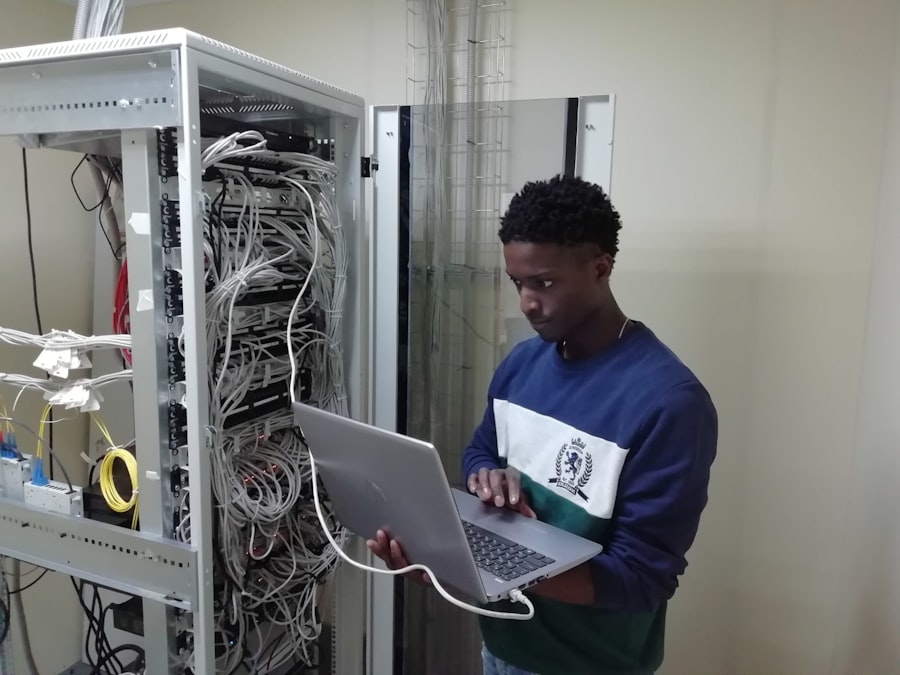
In today’s fast-paced business environment, leveraging technology is vital for driving innovation and growth. Organizations must continuously explore new technologies that can enhance their products or services while improving operational efficiency. For instance, cloud computing has revolutionized how businesses store and access data, enabling them to scale operations quickly without significant upfront investments in infrastructure.
By adopting cloud solutions, organizations can enhance collaboration among teams while also reducing costs associated with maintaining on-premises servers. Moreover, emerging technologies such as the Internet of Things (IoT) and blockchain offer new avenues for innovation across various industries. IoT devices can provide real-time data on customer preferences or operational performance, allowing businesses to make informed decisions quickly.
Similarly, blockchain technology can enhance transparency and security in transactions, making it particularly valuable in sectors such as finance or supply chain management. By embracing these technologies, organizations can not only improve their existing processes but also create new business models that drive growth.
Addressing Cybersecurity and Data Protection in IT Management
As organizations increasingly rely on digital technologies, cybersecurity has become a paramount concern for IT management.
Therefore, implementing robust cybersecurity measures is essential for protecting organizational assets and maintaining customer trust.
This includes deploying firewalls, intrusion detection systems, and encryption protocols to safeguard data from unauthorized access. Data protection regulations such as the General Data Protection Regulation (GDPR) have further emphasized the need for stringent cybersecurity practices. Organizations must ensure that they comply with these regulations by implementing policies that govern data collection, storage, and processing practices.
Regular training sessions for employees on cybersecurity best practices can help create a culture of awareness within the organization, reducing the likelihood of human error leading to security breaches. By prioritizing cybersecurity and data protection within their IT management strategies, organizations can mitigate risks while safeguarding their reputation.
The Future of IT Management: Trends and Challenges
The future of IT management is poised to be shaped by several key trends that will redefine how organizations approach technology initiatives. One significant trend is the increasing adoption of artificial intelligence (AI) and machine learning across various sectors. These technologies are expected to automate routine tasks, enhance decision-making processes through predictive analytics, and improve customer experiences through personalized services.
However, alongside these opportunities come challenges that IT managers must navigate effectively. The rapid pace of technological change necessitates continuous learning and adaptation within IT teams. Additionally, as organizations embrace digital transformation initiatives, they may face resistance from employees accustomed to traditional processes or fear of job displacement due to automation.
Addressing these challenges will require strong leadership, effective change management strategies, and a commitment to fostering a culture of innovation within the organization. In conclusion, the landscape of IT management is evolving rapidly as organizations strive to leverage technology for competitive advantage while addressing emerging challenges such as cybersecurity threats and compliance requirements. By understanding the multifaceted role of IT management and embracing strategic planning, effective team building, project management practices, governance frameworks, innovation strategies, and robust cybersecurity measures, organizations can position themselves for success in an increasingly digital world.
If you are interested in IT management, you may also want to check out the article “Hello World: A Beginner’s Guide to IT Management” on hellread.com. This article provides a comprehensive overview of the basics of IT management and offers valuable insights for those looking to enhance their skills in this field. Richard J. Sherman’s book “The Art and Science of Managing IT” can serve as a great companion to further deepen your understanding of IT management practices.
FAQs
What is IT management?
IT management refers to the process of overseeing and controlling the information technology resources of an organization. This includes managing the hardware, software, networks, data, and personnel involved in the organization’s IT infrastructure.
What are the key responsibilities of IT management?
Key responsibilities of IT management include strategic planning, budgeting, project management, security management, resource allocation, and ensuring the effective use of technology to support the organization’s goals and objectives.
What are the skills required for IT management?
Skills required for IT management include technical expertise, leadership, communication, problem-solving, strategic thinking, project management, and the ability to adapt to new technologies and industry trends.
What are the challenges faced in IT management?
Challenges in IT management include cybersecurity threats, rapid technological advancements, budget constraints, talent acquisition and retention, aligning IT with business goals, and ensuring compliance with regulations and standards.
What are the benefits of effective IT management?
Effective IT management can lead to improved operational efficiency, cost savings, enhanced security, better decision-making through data analysis, increased innovation, and the ability to adapt to changing business needs and market conditions.




