
In the realm of technology and design, the phrase “The Inmates Are Running the Asylum” has become a poignant metaphor for the disconnect that often exists between developers and end-users. Coined by Alan Cooper in his seminal book, this phrase encapsulates the idea that those who create technology frequently lack a deep understanding of the needs and behaviors of the people who will ultimately use their products. Cooper, a pioneer in interaction design, argues that the technology industry has been dominated by engineers and developers who prioritize technical specifications over user experience.
This misalignment can lead to products that are not only difficult to use but also fail to meet the actual needs of users. The book delves into the consequences of this disconnect, illustrating how a lack of empathy for users can result in frustrating experiences. Cooper emphasizes that technology should serve people, not the other way around.
By examining the dynamics of user experience (UX) and its critical role in product design, Cooper advocates for a paradigm shift where user-centered design principles take precedence. This shift is not merely a trend; it is a necessary evolution in an increasingly digital world where user expectations are higher than ever. As we explore the various facets of user experience, it becomes clear that understanding and prioritizing the user is essential for creating effective and engaging technology.
Key Takeaways
- “The Inmates Are Running the Asylum” introduces the concept of user-centered design and the importance of prioritizing user experience in technology.
- User experience plays a crucial role in the success of technology, as it directly impacts how users interact with and perceive a product or service.
- Current user interfaces often suffer from problems such as complexity, inconsistency, and lack of consideration for the user’s needs and abilities.
- Designing for the user is essential for creating technology that is intuitive, efficient, and enjoyable to use.
- Shifting power dynamics in technology involves empowering users and prioritizing their needs and feedback in the design and development process.
The Role of User Experience in Technology
The Importance of Understanding User Experience
This understanding is crucial because it informs design decisions that can significantly impact user satisfaction and engagement. A well-designed user experience can lead to increased customer loyalty, higher conversion rates, and ultimately, greater business success. In today’s competitive landscape, where countless products vie for users’ attention, the role of user experience has never been more critical.
Differentiating Through User Experience
Companies that prioritize UX are often able to differentiate themselves from their competitors by offering intuitive interfaces and seamless interactions. For instance, consider how Apple has built its brand around exceptional user experience. From the sleek design of its devices to the intuitive nature of its software, Apple has consistently focused on creating products that resonate with users on an emotional level.
The Benefits of Prioritizing User Experience
This commitment to user experience not only enhances customer satisfaction but also fosters brand loyalty, as users are more likely to return to a brand that understands their needs. By prioritizing user experience, companies can gain a competitive edge and drive long-term business success.
The Problems with Current User Interfaces
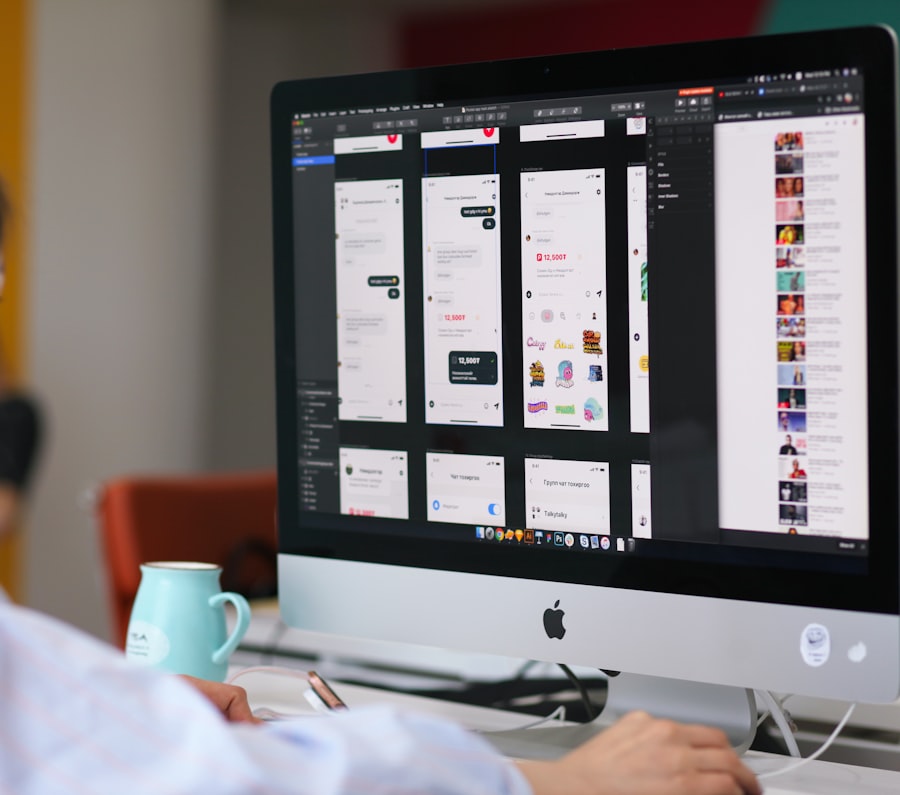
Despite advancements in technology, many current user interfaces (UIs) remain cumbersome and unintuitive. One of the primary issues is that many designers and developers prioritize aesthetics over functionality. While visually appealing designs can attract users initially, they often fall short when it comes to usability.
For example, a website may feature stunning graphics and animations but may also have convoluted navigation that frustrates users trying to find information. This disconnect between form and function can lead to high bounce rates and lost opportunities for engagement. Another significant problem with current UIs is the tendency to overload users with information.
In an effort to provide comprehensive features or data, many applications present users with overwhelming amounts of content at once. This phenomenon, known as information overload, can paralyze decision-making and lead to user frustration. A classic example is seen in financial applications that display numerous metrics and graphs simultaneously without clear guidance on what is most relevant to the user’s goals.
The Importance of Designing for the User
Designing for the user is not just a best practice; it is a fundamental principle that should guide every aspect of product development. When designers take the time to understand their users—through methods such as user interviews, surveys, and usability testing—they can create solutions that genuinely address user needs and pain points. This user-centric approach fosters empathy among designers and developers, allowing them to see products through the eyes of their users.
By prioritizing user needs, organizations can create more effective solutions that resonate with their target audience. Moreover, designing for the user can lead to innovative solutions that might not have been considered otherwise.
For instance, a team developing a health app might discover through user interviews that individuals are more concerned about tracking their mental well-being than their physical health. This insight could lead to features focused on mindfulness and stress management rather than solely physical fitness metrics. By embracing a user-centered design philosophy, organizations can unlock new opportunities for innovation while ensuring that their products remain relevant and valuable.
How to Shift the Power Dynamics in Technology
Shifting power dynamics in technology requires a cultural transformation within organizations. Traditionally, power has resided with developers and engineers who dictate how products are built based on technical capabilities rather than user needs. To create a more balanced dynamic, organizations must foster collaboration between cross-functional teams that include designers, developers, product managers, and most importantly, users themselves.
This collaborative approach ensures that diverse perspectives are considered throughout the design process. One effective strategy for shifting these dynamics is to implement participatory design practices where users are actively involved in the design process. By inviting users to co-create solutions alongside designers and developers, organizations can gain invaluable insights into user behavior and preferences.
For example, workshops that bring together users and design teams can facilitate brainstorming sessions where ideas are generated collaboratively. This not only empowers users but also helps teams develop a deeper understanding of their audience’s needs, leading to more effective solutions.
Case Studies of Successful User-Centered Design
Revolutionizing the Travel Industry with User Experience
One notable example is Airbnb, which revolutionized the travel industry by focusing on user experience from its inception. The founders recognized that travelers wanted more than just a place to stay; they sought authentic experiences in local neighborhoods.
Seamless Connection through User Feedback
By prioritizing user feedback during the development process, Airbnb was able to create an intuitive platform that allows hosts and guests to connect seamlessly. Another compelling case study is that of Dropbox, which began as a simple file-sharing service but evolved into a comprehensive cloud storage solution through continuous user feedback.
Enhancing Functionality through Thoughtful Design
The founders conducted extensive research to understand how users interacted with file storage systems and identified pain points such as difficulty in sharing files across different platforms. By addressing these issues through thoughtful design iterations based on user input, Dropbox was able to enhance its functionality while maintaining an easy-to-use interface.
Implementing User-Centered Design in Your Organization
To implement user-centered design effectively within an organization, it is essential to establish a culture that values empathy and collaboration. This begins with leadership buy-in; executives must recognize the importance of UX and allocate resources toward user research and design initiatives. Training programs can be developed to educate employees about user-centered design principles and methodologies, ensuring that everyone understands their role in creating a positive user experience.
Additionally, organizations should invest in tools and technologies that facilitate user research and testing. Prototyping tools like Figma or Sketch allow teams to create interactive mockups quickly, enabling them to gather feedback from users early in the design process. Regular usability testing sessions should be integrated into the development cycle so that teams can identify issues before launching products into the market.
By embedding these practices into everyday workflows, organizations can cultivate an environment where user-centered design thrives.
The Future of User Experience in Technology
As technology continues to evolve at an unprecedented pace, the future of user experience will likely be shaped by emerging trends such as artificial intelligence (AI), virtual reality (VR), and augmented reality (AR). These technologies have the potential to transform how users interact with digital products by creating more immersive and personalized experiences. For instance, AI-driven interfaces can learn from user behavior over time, adapting to individual preferences and providing tailored recommendations.
Moreover, as society becomes increasingly aware of issues related to accessibility and inclusivity, there will be a growing emphasis on designing products that cater to diverse populations. This includes considering factors such as age, ability, language proficiency, and cultural background when developing technology solutions. Organizations that prioritize inclusive design will not only enhance their reputation but also expand their market reach by ensuring that their products are usable by everyone.
In conclusion, as we look ahead at the future of user experience in technology, it is clear that organizations must remain agile and responsive to changing user needs. By embracing user-centered design principles and fostering a culture of empathy within their teams, companies can create innovative solutions that resonate with users while driving business success in an ever-evolving digital landscape.
If you enjoyed reading “The Inmates Are Running the Asylum” by Alan Cooper, you may also be interested in checking out this article on Hellread titled Hello World. This article delves into the concept of chaos and control in society, similar to the themes explored in Cooper’s book. It offers a thought-provoking perspective on how power dynamics can shift and the consequences that may arise when those in charge are not acting in the best interest of the group.
FAQs
What is the book “The Inmates Are Running the Asylum” about?
The book “The Inmates Are Running the Asylum” by Alan Cooper discusses the importance of user-centered design in the development of software and technology products. It highlights the need for designers and developers to prioritize the needs and experiences of the end users.
Who is Alan Cooper?
Alan Cooper is a software designer and programmer known for his work in the field of interaction design. He is the author of “The Inmates Are Running the Asylum” and is considered a pioneer in the development of user-centered design principles.
What are the key concepts discussed in “The Inmates Are Running the Asylum”?
The book emphasizes the importance of understanding and addressing the needs of end users in the design and development of software and technology products. It also discusses the impact of poorly designed products on user experience and the overall success of a product.
What is the significance of the title “The Inmates Are Running the Asylum”?
The title of the book is a metaphor for the state of the technology industry, where designers and developers often prioritize their own preferences and technical capabilities over the needs of the end users. It highlights the need for a shift towards user-centered design principles.
How has “The Inmates Are Running the Asylum” influenced the field of design and technology?
The book has had a significant impact on the field of design and technology by promoting the importance of user-centered design principles. It has influenced the way designers and developers approach the creation of software and technology products, placing a greater emphasis on understanding and addressing user needs.




