
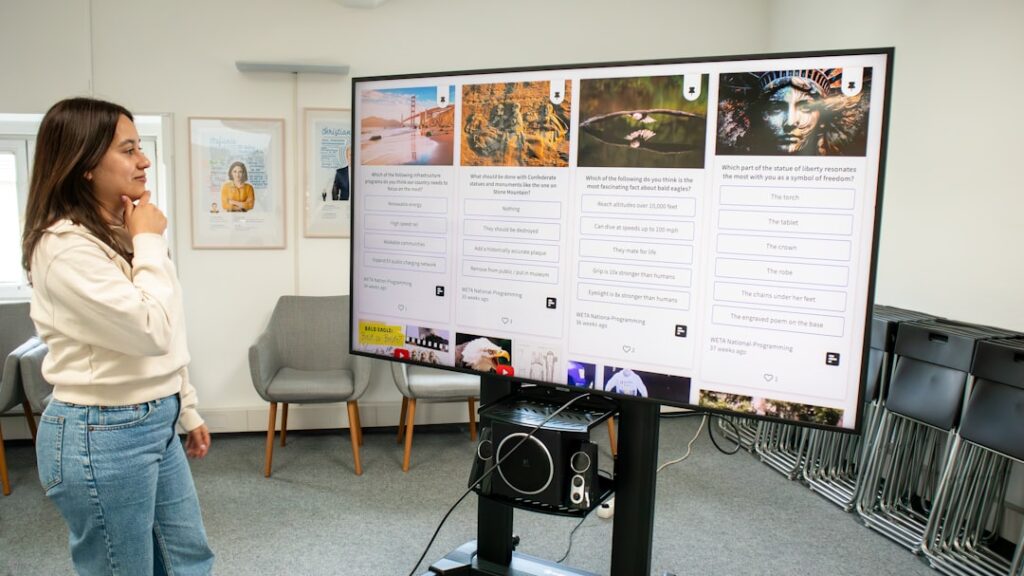
The integration of artificial intelligence (AI) into education has emerged as a transformative force, reshaping the landscape of teaching and learning. As educators increasingly embrace technology, AI stands out as a powerful tool that can enhance instructional methods, personalize learning experiences, and streamline administrative tasks. The potential of AI in education is vast, offering innovative solutions to age-old challenges such as student engagement, differentiated instruction, and assessment.
However, the journey toward effective AI integration is not without its complexities, requiring educators to navigate a myriad of tools, platforms, and ethical considerations. In this evolving educational paradigm, teaching with AI is not merely about adopting new technologies; it is about rethinking pedagogical approaches to foster deeper learning. Educators are tasked with understanding how AI can complement their teaching styles while also preparing students for a future where digital literacy and technological fluency are paramount.
As we delve into the multifaceted role of AI in education, it becomes clear that its impact extends beyond mere efficiency; it has the potential to redefine the very essence of the learning experience.
Key Takeaways
- AI can enhance the teaching and learning experience by providing personalized and adaptive learning opportunities.
- AI can assist educators in tasks such as grading, lesson planning, and providing real-time feedback to students.
- Integrating AI into the classroom requires thoughtful planning and consideration of how it can best support student learning.
- AI has the potential to improve student engagement, motivation, and achievement by providing tailored learning experiences.
- Ethical considerations in teaching with AI include issues of privacy, bias, and the potential for technology to replace human connection in education.
The Role of AI in Education
AI’s role in education encompasses a wide array of applications, from intelligent tutoring systems to administrative automation. One of the most significant contributions of AI is its ability to provide personalized learning experiences tailored to individual student needs. For instance, platforms like DreamBox Learning and Knewton utilize adaptive learning algorithms to assess students’ strengths and weaknesses in real-time, adjusting the curriculum accordingly.
Moreover, AI can assist educators in managing their workloads by automating routine tasks such as grading and attendance tracking. Tools like Gradescope leverage machine learning to streamline the grading process for assignments and exams, freeing up valuable time for teachers to focus on instruction and student interaction.
By reducing administrative burdens, AI enables educators to dedicate more energy to fostering meaningful relationships with their students and engaging them in critical thinking and problem-solving activities.
Integrating AI into the Classroom

Successfully integrating AI into the classroom requires a thoughtful approach that considers both technological capabilities and pedagogical goals. Educators must first assess their specific needs and identify areas where AI can provide the most benefit. For example, teachers may choose to implement AI-driven tools for formative assessments, allowing them to gather real-time feedback on student understanding and adjust their teaching strategies accordingly.
This data-driven approach empowers educators to make informed decisions that enhance student outcomes. Professional development plays a crucial role in this integration process. Teachers must be equipped with the knowledge and skills necessary to effectively utilize AI tools in their instruction.
Training programs that focus on both the technical aspects of AI and its pedagogical implications can help educators feel more confident in their ability to leverage technology for enhanced learning experiences. Collaborative efforts among educators, technology specialists, and administrators can foster a culture of innovation within schools, encouraging experimentation with AI applications that align with curricular goals.
The Impact of AI on Student Learning
The impact of AI on student learning is profound, influencing not only academic performance but also engagement and motivation. Research has shown that personalized learning experiences facilitated by AI can lead to improved outcomes for students across various demographics. For instance, a study conducted by the Bill & Melinda Gates Foundation found that students using adaptive learning technologies demonstrated higher levels of achievement compared to their peers in traditional learning environments.
This suggests that when students receive tailored support that addresses their unique learning needs, they are more likely to succeed. Furthermore, AI can enhance student engagement by providing interactive and immersive learning experiences. Virtual reality (VR) and augmented reality (AR) applications powered by AI can transport students to historical events or complex scientific environments, making abstract concepts more tangible.
For example, platforms like Nearpod allow teachers to create interactive lessons that incorporate VR experiences, enabling students to explore topics in a way that captivates their interest and fosters deeper understanding. By making learning more dynamic and relevant, AI has the potential to ignite a passion for knowledge among students.
Ethical Considerations in Teaching with AI
As educators embrace the potential of AI in the classroom, it is essential to address the ethical considerations that accompany its use. One major concern revolves around data privacy and security. Many AI applications require access to student data to function effectively, raising questions about how this information is collected, stored, and utilized.
Educators must ensure that they are using tools that comply with privacy regulations such as FERPA (Family Educational Rights and Privacy Act) and GDPR (General Data Protection Regulation) to protect student information from unauthorized access or misuse. Additionally, there is the risk of bias in AI algorithms that could perpetuate existing inequalities in education. If an AI system is trained on biased data sets, it may inadvertently disadvantage certain groups of students based on race, gender, or socioeconomic status.
Educators must critically evaluate the tools they choose to implement and advocate for transparency from technology providers regarding how their algorithms are developed and tested. By fostering an awareness of these ethical implications, educators can work towards creating an equitable learning environment where all students have the opportunity to thrive.
Strategies for Humanizing Learning with AI
Collaborative Learning with AI
One effective strategy for humanizing learning with AI is to emphasize collaboration between students and technology rather than viewing them as separate entities. For instance, educators can design projects that require students to work alongside AI tools to solve real-world problems or conduct research. This collaborative approach not only enhances critical thinking skills but also encourages students to view technology as a partner in their learning journey.
Integrating Social-Emotional Learning
Another strategy involves incorporating social-emotional learning (SEL) into AI-enhanced curricula. By integrating SEL principles into lessons that utilize AI tools, educators can help students develop essential skills such as empathy, resilience, and self-awareness. For example, using AI-driven simulations that present ethical dilemmas can prompt discussions about moral decision-making and foster a sense of community among students.
Creating a Balanced Learning Environment
By prioritizing human connection and emotional intelligence alongside technological advancement, educators can create a balanced learning environment that nurtures both academic success and personal growth.
The Future of Teaching with AI
Looking ahead, the future of teaching with AI holds immense promise as advancements in technology continue to evolve. One potential development is the increased use of natural language processing (NLP) capabilities in educational settings. NLP-powered chatbots could serve as virtual teaching assistants, providing instant feedback on student inquiries or facilitating discussions around complex topics.
This could enhance accessibility for students who may feel hesitant to engage in traditional classroom settings while also providing teachers with valuable insights into student understanding. Moreover, as AI becomes more integrated into educational systems worldwide, there will likely be a greater emphasis on global collaboration among educators and technologists. Initiatives that promote sharing best practices and resources across borders can lead to innovative solutions tailored to diverse educational contexts.
Such endeavors not only enrich students’ understanding of global issues but also prepare them for an increasingly interconnected world.
Balancing Technology and Humanity in Education
In navigating the intersection of technology and education, it is imperative for educators to strike a balance between leveraging the capabilities of AI and preserving the essential human elements of teaching. While AI has the potential to revolutionize educational practices by personalizing learning experiences and streamlining administrative tasks, it is crucial not to lose sight of the importance of human connection in the classroom. By fostering relationships built on trust and empathy, educators can create an environment where technology serves as an ally rather than a replacement.
As we move forward into an era defined by rapid technological advancements, it is essential for educators to remain vigilant about the ethical implications of their choices while embracing innovation. By prioritizing professional development, collaboration, and a commitment to equity, educators can harness the power of AI to enhance student learning while ensuring that humanity remains at the forefront of education. In doing so, they will prepare students not only for academic success but also for meaningful participation in a complex and ever-changing world.
In a related article titled “Hello World: Exploring the Impact of AI on Education” on hellread.com, the author delves into the potential benefits and challenges of integrating artificial intelligence into the education sector. The article discusses how AI can personalize learning experiences for students, improve teacher efficiency, and enhance overall educational outcomes. It also raises important questions about the ethical implications of relying on AI in the classroom and the need for educators to maintain a human touch in the age of artificial intelligence.
FAQs
What is AI in education?
AI in education refers to the use of artificial intelligence technologies to enhance and personalize the learning experience for students. This can include adaptive learning platforms, intelligent tutoring systems, and automated grading systems.
How can AI be used in teaching?
AI can be used in teaching to provide personalized learning experiences for students, automate administrative tasks for educators, and analyze large amounts of data to identify patterns and trends in student performance.
What are the benefits of using AI in education?
Some benefits of using AI in education include personalized learning experiences, improved student engagement, more efficient administrative processes, and the ability to analyze large amounts of data to inform instructional decisions.
What are some examples of AI in education?
Examples of AI in education include adaptive learning platforms that adjust content based on student performance, intelligent tutoring systems that provide personalized feedback, and automated grading systems that can provide immediate feedback to students.
What are the potential challenges of using AI in education?
Challenges of using AI in education can include concerns about data privacy and security, the need for professional development for educators to effectively use AI tools, and the potential for AI to perpetuate biases in educational systems.
How can educators humanize learning when using AI?
Educators can humanize learning when using AI by maintaining a focus on building relationships with students, providing opportunities for collaboration and discussion, and using AI tools to enhance, rather than replace, the role of the teacher in the learning process.




