
“The End of Overeating: Taking Control of the Insatiable American Appetite,” authored by Dr. David Kessler, delves into the complex interplay between food, psychology, and the modern food industry. Kessler, a former commissioner of the U.S.
Food and Drug Administration, draws on his extensive background in public health to explore why so many individuals struggle with overeating and how this phenomenon has become a pervasive issue in contemporary society. The book is not merely a critique of personal choices but rather an examination of the systemic factors that contribute to unhealthy eating behaviors. Kessler argues that the food industry has engineered products that exploit human biology and psychology, leading to a cycle of overeating that is difficult to escape.
Kessler’s work is particularly relevant in an era where obesity rates are soaring, and chronic diseases linked to poor dietary habits are on the rise. He presents a compelling case that the battle against overeating is not solely a matter of willpower or personal responsibility; it is also about understanding the mechanisms at play within the food industry and our own bodies. By dissecting the elements that drive our cravings and eating behaviors, Kessler aims to empower readers with knowledge and strategies to regain control over their appetites and make healthier choices.
Key Takeaways
- The End of Overeating explores the complex factors contributing to overeating and food addiction.
- The food industry plays a significant role in promoting overeating through the creation of hyper-palatable, highly processed foods.
- Overeating is linked to changes in brain chemistry and the development of food addiction, making it difficult to break the cycle of overconsumption.
- Overeating can have serious health consequences, including obesity, diabetes, and heart disease.
- Strategies for overcoming overeating include mindful eating, retraining habits, and addressing emotional and psychological triggers.
Understanding the Food Industry’s Role in Overeating
The food industry plays a pivotal role in shaping dietary habits and preferences, often prioritizing profit over public health. Kessler highlights how food manufacturers meticulously design products to maximize their appeal, employing techniques that engage our senses and trigger cravings. This includes the use of high levels of sugar, fat, and salt—ingredients that not only enhance flavor but also create a sense of pleasure that can lead to compulsive eating.
For instance, many snack foods are engineered to be hyper-palatable, making it nearly impossible for consumers to stop at just one serving. Moreover, marketing strategies employed by the food industry further exacerbate the problem. Advertisements often promote unhealthy foods as convenient, desirable, and even necessary for social interactions.
Fast food chains and snack manufacturers invest heavily in branding that associates their products with happiness, success, and lifestyle aspirations. This creates an environment where unhealthy eating becomes normalized and even celebrated, making it challenging for individuals to resist the allure of these products. Kessler emphasizes that understanding these tactics is crucial for consumers who wish to make informed choices about their diets.
The Science of Overeating and Food Addiction
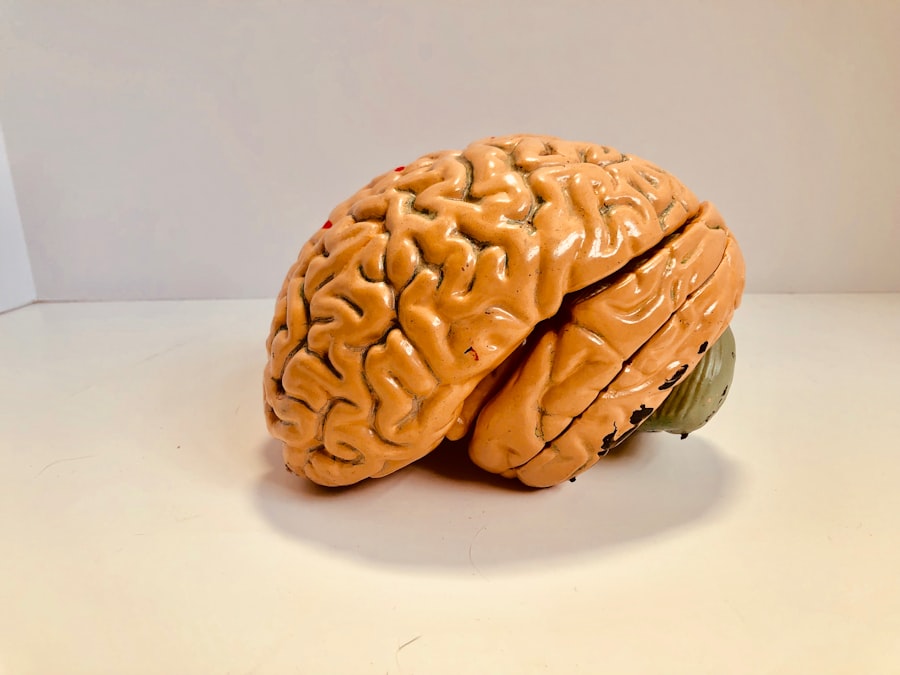
Kessler delves into the neuroscience behind overeating, drawing parallels between food addiction and substance abuse. Research indicates that certain foods can trigger the brain’s reward system in ways similar to drugs like cocaine or heroin. When we consume highly palatable foods, our brains release dopamine, a neurotransmitter associated with pleasure and reward.
This biochemical response reinforces the behavior, leading individuals to seek out these foods repeatedly, often in larger quantities. Kessler points out that this cycle can create a form of dependency, where individuals feel compelled to eat even when they are not physically hungry. The concept of “food addiction” has gained traction in recent years, with studies suggesting that some individuals may experience cravings and loss of control similar to those seen in traditional substance addictions.
Kessler discusses how this understanding can shift the narrative around overeating from one of moral failing to a legitimate health concern. By recognizing that certain foods can hijack our brain’s reward pathways, we can better understand why some people struggle more than others with controlling their eating habits. This perspective encourages a more compassionate approach to addressing overeating and highlights the need for effective interventions.
The Impact of Overeating on Health
The consequences of overeating extend far beyond weight gain; they encompass a range of serious health issues that can significantly impact quality of life. Kessler outlines how excessive consumption of unhealthy foods is linked to obesity, type 2 diabetes, cardiovascular disease, and various forms of cancer. The metabolic disturbances caused by overeating can lead to insulin resistance, inflammation, and other physiological changes that predispose individuals to chronic illnesses.
For example, studies have shown that individuals who frequently consume high-sugar diets are at an increased risk for developing metabolic syndrome—a cluster of conditions that elevate the risk for heart disease and diabetes. In addition to physical health implications, overeating can also have profound psychological effects. Many individuals who struggle with their weight may experience feelings of shame, guilt, or low self-esteem as a result of their eating habits.
This emotional distress can create a vicious cycle where negative feelings lead to further overeating as a coping mechanism. Kessler emphasizes that addressing the health impacts of overeating requires a holistic approach that considers both physical and mental well-being. By acknowledging the interconnectedness of these factors, we can develop more effective strategies for promoting healthier eating behaviors.
Strategies for Overcoming Overeating
Kessler offers practical strategies for individuals seeking to regain control over their eating habits. One key approach is mindfulness—being present during meals and paying attention to hunger cues can help individuals make more conscious choices about what and how much they eat. Mindful eating encourages people to savor their food, recognize when they are full, and avoid distractions such as television or smartphones during meals.
This practice can foster a healthier relationship with food by promoting awareness and reducing impulsive eating behaviors. Another effective strategy involves restructuring one’s environment to minimize exposure to tempting foods. Kessler suggests that individuals should take proactive steps to create a home environment that supports healthier choices—this might include removing junk food from the pantry or opting for healthier snack alternatives.
Additionally, meal planning can play a crucial role in preventing impulsive eating; by preparing nutritious meals in advance, individuals are less likely to resort to unhealthy options when hunger strikes. These strategies empower individuals to take control of their eating habits rather than relying solely on willpower in challenging situations.
The Role of Habits and Triggers in Overeating

Understanding the habits and triggers associated with overeating is essential for developing effective interventions. Kessler emphasizes that many eating behaviors are automatic responses shaped by environmental cues and past experiences. For instance, certain situations—such as watching a movie or attending a social gathering—may trigger habitual overeating patterns where individuals unconsciously reach for snacks without considering their hunger levels.
Recognizing these triggers is the first step toward breaking free from automatic behaviors. To combat these ingrained habits, Kessler advocates for the implementation of new routines that promote healthier choices. This might involve establishing specific meal times or creating rituals around food preparation that encourage mindful eating practices.
Additionally, keeping a food diary can help individuals identify patterns in their eating behavior and recognize situations where they are more likely to overeat. By becoming more aware of their habits and triggers, individuals can develop strategies to navigate challenging situations without succumbing to unhealthy eating patterns.
The Psychological and Emotional Aspects of Overeating
The psychological dimensions of overeating are complex and multifaceted. Kessler explores how emotional states such as stress, anxiety, or depression can significantly influence eating behaviors. For many individuals, food serves as a source of comfort during difficult times—a phenomenon often referred to as “emotional eating.” This coping mechanism can lead to a cycle where negative emotions drive overeating, which in turn exacerbates feelings of guilt or shame.
Kessler emphasizes the importance of addressing these emotional factors in any comprehensive approach to overcoming overeating. Therapeutic interventions such as cognitive-behavioral therapy (CBT) can be effective in helping individuals identify and challenge negative thought patterns related to food and body image. Additionally, developing alternative coping strategies—such as engaging in physical activity or practicing relaxation techniques—can provide healthier outlets for managing stress and emotions without resorting to food as a crutch.
Conclusion and Takeaways from The End of Overeating
In “The End of Overeating,” Dr. David Kessler provides invaluable insights into the intricate relationship between food consumption, psychology, and public health. His exploration of the food industry’s role in shaping dietary habits sheds light on why many individuals find themselves trapped in cycles of overeating despite their best intentions.
By understanding the science behind cravings and recognizing the impact of emotional factors on eating behaviors, readers are better equipped to navigate their relationship with food. Kessler’s work serves as a call to action for both individuals and society at large—encouraging us to rethink our approach to food consumption and prioritize health over convenience or pleasure alone. Through practical strategies aimed at fostering mindfulness, restructuring environments, and addressing emotional triggers, we can take meaningful steps toward overcoming overeating and promoting healthier lifestyles for ourselves and future generations.
If you’re interested in exploring more about the effects of overeating on our health, you may want to check out the article “Hello World” on Hellread.com. This article delves into the impact of unhealthy eating habits on our bodies and offers insights on how to break free from the cycle of overeating.
Kessler’s book, The End of Overeating, by shedding light on the consequences of indulging in excessive amounts of food. To read more, visit this link.
FAQs
What is “The End of Overeating” by David A. Kessler about?
“The End of Overeating” by David A. Kessler is a book that explores the science behind overeating and the food industry’s role in creating highly palatable, addictive foods.
What are some key topics covered in “The End of Overeating”?
The book discusses the ways in which the food industry designs foods to be highly rewarding and addictive, the psychological and physiological factors that drive overeating, and strategies for breaking the cycle of overeating.
Who is David A. Kessler?
David A. Kessler is a pediatrician and lawyer who served as the Commissioner of the US Food and Drug Administration (FDA) from 1990 to 1997. He is also the author of several books on food, health, and addiction.
What are some of the main takeaways from “The End of Overeating”?
Some key takeaways from the book include understanding the role of the food industry in creating addictive foods, recognizing the psychological and physiological triggers for overeating, and learning strategies for breaking the cycle of overeating.
Is “The End of Overeating” based on scientific research?
Yes, “The End of Overeating” is based on scientific research and draws on Kessler’s own experiences as a physician and former FDA commissioner. The book also references numerous studies and scientific findings related to overeating and food addiction.




