
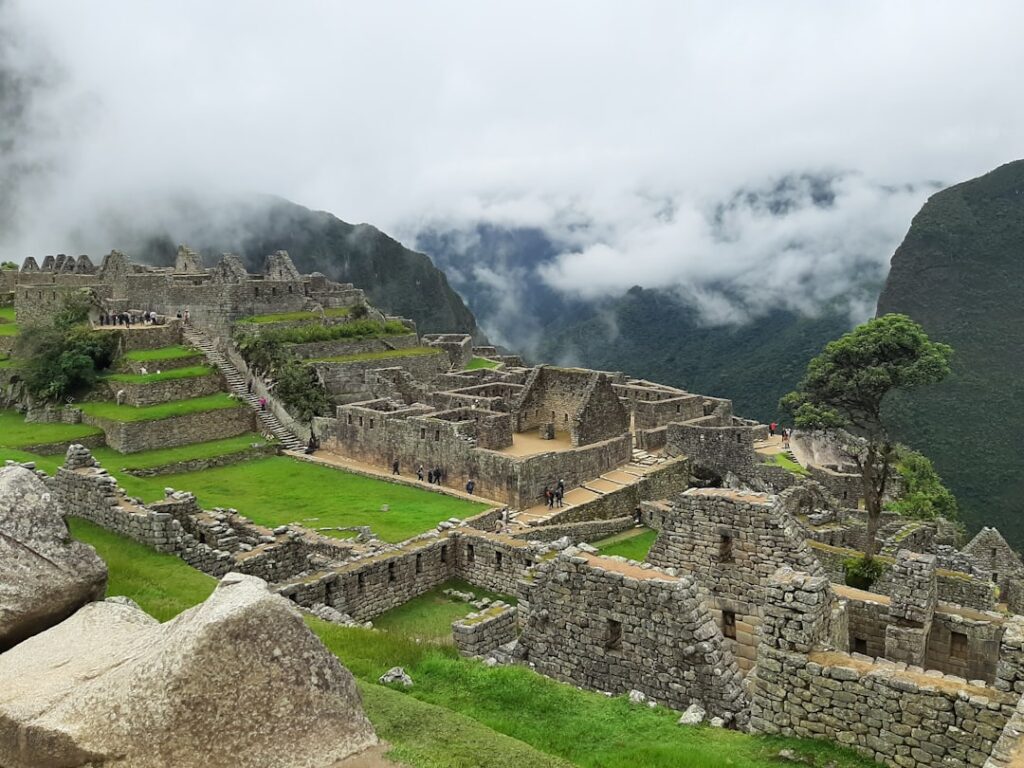
“Turn Right at Machu Picchu” is a captivating narrative penned by Mark Adams, who embarks on a journey that intertwines personal adventure with historical exploration. The book serves as both a travelogue and a historical account, offering readers a unique lens through which to view one of the most iconic archaeological sites in the world. Adams’ journey is not merely about reaching Machu Picchu; it is a quest to understand the significance of this ancient site and the people who once inhabited it.
Through his engaging prose, he invites readers to join him on a trek that is as much about self-discovery as it is about uncovering the mysteries of the Inca civilization. Adams’ narrative is enriched by his meticulous research into the history of Machu Picchu and the life of Hiram Bingham, the American explorer credited with bringing the site to global attention in the early 20th century. The author’s personal reflections and humorous anecdotes provide a relatable backdrop to the historical context, making the book accessible to both seasoned travelers and armchair adventurers alike.
As he navigates the rugged terrain of the Andes, Adams grapples with the challenges of modern trekking while simultaneously delving into the rich tapestry of Incan history, creating a compelling narrative that resonates with anyone who has ever felt the pull of adventure.
Key Takeaways
- “Turn Right at Machu Picchu” is a captivating book that takes readers on a journey through the history and mystery of Machu Picchu.
- Machu Picchu’s history and mystery make it a fascinating destination for travelers seeking adventure and cultural exploration.
- Hiram Bingham’s exploration of Machu Picchu laid the foundation for modern-day adventurers to follow in his footsteps and uncover the secrets of the ancient Incan civilization.
- The Inca Trail offers both thrilling adventures and potential misadventures for those who seek to experience the beauty and challenges of the journey to Machu Picchu.
- The Sacred Valley and Incan ruins provide a rich and immersive experience for travelers looking to explore the cultural and historical significance of the region.
The History and Mystery of Machu Picchu
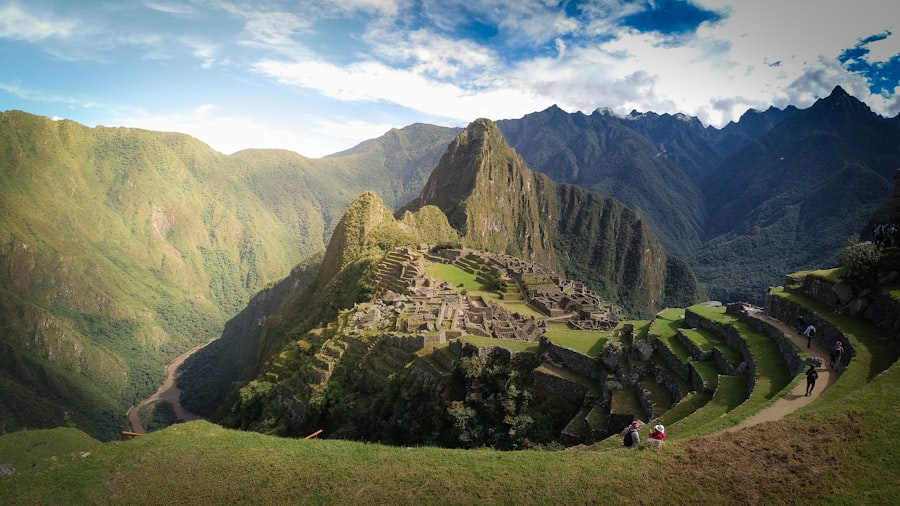
Machu Picchu, often referred to as the “Lost City of the Incas,” is shrouded in mystery and intrigue. Built in the 15th century during the reign of Emperor Pachacuti, this remarkable site was likely a royal estate or religious retreat. Its strategic location high in the Andes Mountains not only provided breathtaking views but also served as a defensive stronghold against potential invaders.
The construction techniques employed by the Incas, including precise stone masonry and terracing, demonstrate their advanced understanding of engineering and agriculture, allowing them to thrive in such a challenging environment. Despite its historical significance, much about Machu Picchu remains enigmatic. The site was abandoned during the Spanish conquest in the 16th century and lay hidden from the outside world until its rediscovery by Hiram Bingham in 1911.
This event sparked widespread interest in Incan culture and history, yet many questions linger regarding the purpose of Machu Picchu and its inhabitants. Archaeologists continue to debate whether it served primarily as a religious sanctuary, an agricultural hub, or a royal retreat. The absence of written records from the Incas adds to this mystery, leaving researchers to piece together clues from artifacts and architectural features.
Following in Hiram Bingham’s Footsteps
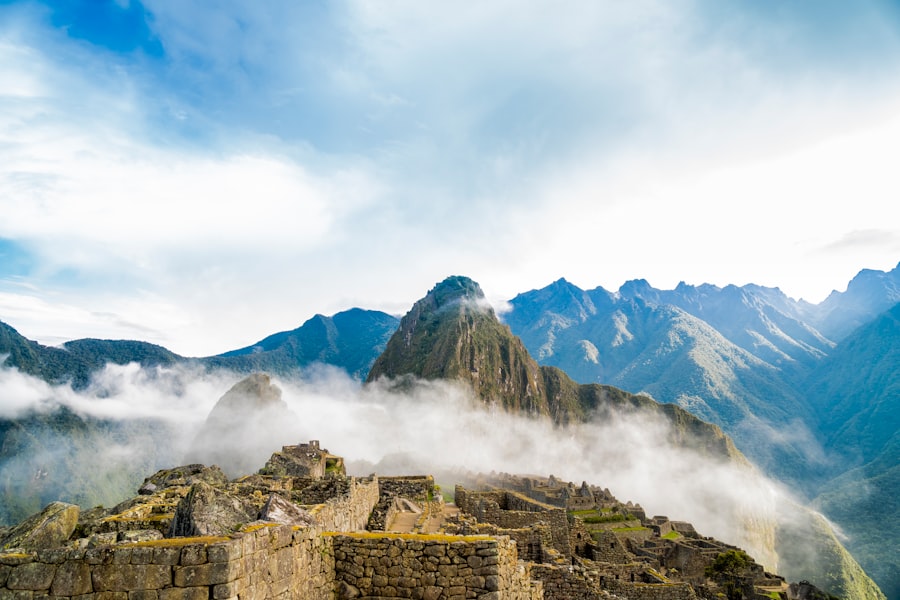
Hiram Bingham’s journey to Machu Picchu is a tale of adventure that has captivated historians and travelers alike. In 1911, Bingham, an American academic and explorer, set out on an expedition to find the fabled “Lost City of the Incas.” His quest was fueled by tales from local farmers and indigenous people who spoke of ancient ruins hidden in the mountains. Bingham’s determination led him through treacherous terrain, ultimately culminating in his discovery of Machu Picchu, which he believed to be the last refuge of the Incas.
Adams retraces Bingham’s steps with a mix of reverence and skepticism. He acknowledges Bingham’s contributions to archaeology while also critiquing his methods and motivations. Bingham’s expedition was not without controversy; he removed numerous artifacts from Machu Picchu, many of which ended up in Yale University’s Peabody Museum.
This act has sparked ongoing debates about cultural heritage and ownership, raising questions about who has the right to claim and preserve these historical treasures. Adams’ exploration of Bingham’s legacy serves as a reminder that history is often complex and multifaceted, shaped by both discovery and exploitation.
Adventures and Misadventures Along the Inca Trail
The Inca Trail is renowned for its breathtaking scenery and challenging terrain, drawing trekkers from around the globe.
He encounters steep ascents, unpredictable weather, and moments of self-doubt that test his physical endurance and mental resolve.
Yet, these challenges are juxtaposed with moments of awe-inspiring beauty—lush cloud forests, ancient stone ruins, and panoramic vistas that make every step worthwhile. Adams’ narrative captures not only his personal struggles but also the camaraderie that develops among fellow trekkers. Shared experiences on the trail foster connections that transcend cultural boundaries, highlighting the universal desire for adventure and exploration.
The author’s humorous observations about fellow hikers and local guides add levity to his account, making it relatable for anyone who has embarked on a challenging journey.
Exploring the Sacred Valley and Incan Ruins
The Sacred Valley of the Incas is a region rich in history and culture, serving as a vital agricultural hub for the Inca civilization. Adams takes readers on a journey through this stunning valley, where terraced fields cling to steep hillsides and traditional villages dot the landscape. The valley is home to several significant archaeological sites, including Ollantaytambo and Pisac, each offering insights into Incan life and society.
Ollantaytambo stands out as an impressive example of Incan architecture, featuring massive stone structures that served both religious and military purposes. The site’s strategic location allowed it to function as a fortress during times of conflict with Spanish conquistadors. Meanwhile, Pisac is known for its vibrant market and well-preserved ruins that showcase advanced agricultural techniques employed by the Incas.
Adams’ exploration of these sites reveals not only their historical significance but also their enduring cultural relevance in contemporary Peru.
Meeting the Modern-Day Descendants of the Inca
Carrying Forward Ancestral Traditions
One of the most enriching aspects of Adams’ journey is his encounters with modern-day descendants of the Inca people. These individuals carry forward their ancestors’ traditions while navigating the complexities of contemporary life in Peru. Through conversations with local farmers, artisans, and community leaders, Adams gains insight into how Incan heritage continues to shape identity and culture in the region.
Preserving Cultural Practices
The resilience of these communities is evident as they strive to preserve their cultural practices amidst globalization and tourism pressures. Traditional weaving techniques, agricultural practices, and spiritual beliefs are passed down through generations, serving as a testament to their rich heritage.
The Importance of Cultural Preservation
Adams’ interactions highlight the importance of cultural preservation in an ever-changing world, emphasizing that understanding history involves recognizing its living legacy through those who continue to honor it.
The Impact of Tourism on Machu Picchu and its Surroundings
Tourism has transformed Machu Picchu into one of the most visited archaeological sites globally, attracting millions each year. While this influx of visitors has brought economic benefits to local communities, it has also raised concerns about environmental sustainability and cultural preservation. Adams explores these complexities as he navigates through bustling tourist areas juxtaposed with serene moments spent at lesser-known sites.
The challenges posed by mass tourism are evident in issues such as overcrowding, erosion of trails, and strain on local resources. Efforts have been made to mitigate these impacts through regulations on visitor numbers and initiatives aimed at promoting sustainable tourism practices. However, balancing economic growth with environmental stewardship remains an ongoing challenge for Peru’s government and local communities alike.
Adams’ reflections on this dynamic underscore the need for responsible tourism that respects both cultural heritage and natural ecosystems.
Reflections on the Legacy of Machu Picchu and its Cultural Significance
Machu Picchu stands as a symbol of human ingenuity and resilience, embodying the spirit of a civilization that thrived in harmony with its environment. Adams’ exploration leads him to contemplate not only the architectural marvels of this ancient site but also its broader cultural significance in today’s world. As he reflects on his journey, he recognizes that Machu Picchu is more than just a tourist destination; it represents a connection to history that transcends time.
The legacy of Machu Picchu extends beyond its physical structures; it serves as a reminder of the importance of preserving cultural heritage for future generations. The stories embedded within its stones speak to themes of identity, resilience, and adaptation—qualities that resonate deeply in an increasingly globalized world. Through his journey, Adams invites readers to consider their own relationship with history and culture, encouraging a deeper appreciation for the narratives that shape our understanding of humanity’s past.
In “Turn Right at Machu Picchu,” Mark Adams masterfully weaves together personal adventure with historical exploration, creating a rich tapestry that celebrates both the beauty of travel and the significance of cultural heritage. His journey serves as an invitation for readers to embark on their own quests for understanding—whether through physical exploration or intellectual inquiry—reminding us all that history is alive in our shared experiences and connections across time and space.
If you enjoyed reading Turn Right at Machu Picchu by Mark Adams, you may also be interested in checking out this article on hellread.com about the top travel destinations to visit in 2024. This article provides insights into upcoming travel trends and must-see locations for adventurous travelers. It could be a great resource for planning your next exciting journey after being inspired by Adams’ exploration of Machu Picchu.
FAQs
What is the book “Turn Right at Machu Picchu” about?
The book “Turn Right at Machu Picchu” by Mark Adams is a travel memoir that follows the author’s journey to retrace the steps of Hiram Bingham III, the American explorer who rediscovered the ancient Inca city of Machu Picchu in 1911.
Who is the author of “Turn Right at Machu Picchu”?
The author of “Turn Right at Machu Picchu” is Mark Adams, an American writer and journalist known for his travel writing and exploration of historical sites.
What is the main focus of “Turn Right at Machu Picchu”?
The main focus of “Turn Right at Machu Picchu” is the author’s quest to uncover the truth about Hiram Bingham III’s discovery of Machu Picchu and to experience the beauty and mystery of the ancient Inca ruins.
Is “Turn Right at Machu Picchu” based on a true story?
Yes, “Turn Right at Machu Picchu” is a non-fiction book based on the author’s real-life journey to retrace the steps of Hiram Bingham III and explore the history and culture of Machu Picchu.
What can readers expect to learn from “Turn Right at Machu Picchu”?
Readers can expect to learn about the history of Machu Picchu, the challenges of modern-day exploration, and the cultural significance of the ancient Inca civilization. The book also offers insights into the impact of tourism on historical sites.




