

Peter Senge’s seminal work, “The Fifth Discipline: The Art and Practice of the Learning Organization,” has profoundly influenced how organizations approach learning and adaptation in an ever-evolving business landscape. Published in 1990, the book introduces the concept of a learning organization, a term that encapsulates the idea of an organization that continually transforms itself by fostering a culture of learning at all levels. Senge argues that in a world characterized by rapid change and complexity, organizations must cultivate the ability to learn collectively and adapt to new challenges.
This book has become a cornerstone in management literature, providing a framework for organizations seeking to thrive in a competitive environment. Senge identifies five disciplines that are essential for creating a learning organization: personal mastery, mental models, shared vision, team learning, and systems thinking. Each discipline contributes to a holistic approach to organizational learning, emphasizing the interconnectedness of individuals and the systems they operate within.
By integrating these disciplines, organizations can develop a culture that not only encourages continuous improvement but also enhances their capacity for innovation and resilience. The principles outlined in “The Fifth Discipline” have been adopted by various organizations worldwide, demonstrating their relevance across different sectors and industries.
Key Takeaways
- “The Fifth Discipline” introduces the concept of a learning organization, emphasizing the importance of continuous learning and adaptation in today’s dynamic business environment.
- A learning organization is one that encourages and facilitates learning at all levels, leading to improved performance, innovation, and adaptability.
- The five disciplines of a learning organization include personal mastery, mental models, shared vision, team learning, and systems thinking, which are essential for creating a culture of learning and improvement.
- Implementing the principles of The Fifth Discipline in an organization requires commitment from leadership, a focus on learning and development, and the creation of systems and processes that support continuous improvement.
- The impact of The Fifth Discipline on organizational culture can lead to increased employee engagement, better decision-making, and a more agile and innovative organization.
Understanding the concept of a learning organization
At its core, a learning organization is one that prioritizes the continuous development of its members and the collective intelligence of the group. This concept challenges traditional hierarchical structures where knowledge is often siloed and limited to specific roles. Instead, a learning organization promotes an environment where information flows freely, encouraging collaboration and open communication.
This shift in mindset is crucial for organizations aiming to remain competitive in today’s fast-paced world, where adaptability and responsiveness are key to success. The essence of a learning organization lies in its ability to foster an atmosphere of psychological safety, where employees feel empowered to share ideas, experiment, and learn from failures without fear of retribution. This environment not only enhances individual growth but also drives collective problem-solving capabilities.
For instance, companies like Google have embraced this philosophy by implementing practices that encourage innovation and risk-taking among their employees. By valuing diverse perspectives and promoting a culture of inquiry, learning organizations can harness the full potential of their workforce, leading to improved performance and greater organizational agility.
The five disciplines of a learning organization

Senge’s framework outlines five disciplines that serve as the foundation for building a learning organization. The first discipline, personal mastery, emphasizes the importance of individual growth and self-awareness. Employees who engage in personal mastery are committed to lifelong learning and strive to align their personal goals with the organization’s objectives.
This alignment fosters motivation and enhances overall performance, as individuals become more invested in their work. The second discipline, mental models, refers to the deeply ingrained assumptions and beliefs that shape how individuals perceive the world around them. By encouraging employees to examine and challenge their mental models, organizations can foster a culture of critical thinking and innovation.
This discipline is particularly relevant in industries undergoing rapid change, where outdated assumptions can hinder progress. For example, organizations in the technology sector must continuously reassess their mental models to stay ahead of emerging trends and disruptive innovations. Shared vision is the third discipline, which emphasizes the importance of creating a common purpose that unites all members of the organization.
A shared vision inspires commitment and fosters collaboration, as employees work towards a collective goal. Organizations that successfully cultivate a shared vision often experience higher levels of engagement and alignment among their workforce. This discipline is exemplified by companies like Tesla, where a clear vision of sustainable energy drives innovation and motivates employees to contribute to a larger cause.
Team learning is the fourth discipline, highlighting the significance of collaboration and collective intelligence. In a learning organization, teams are encouraged to engage in dialogue, share knowledge, and learn from one another’s experiences. This collaborative approach not only enhances problem-solving capabilities but also fosters creativity and innovation.
For instance, organizations like IDEO have built their success on team learning principles, leveraging diverse skill sets to develop groundbreaking products and services. Finally, systems thinking serves as the fifth discipline, providing a holistic perspective on organizational dynamics. Systems thinking encourages individuals to view their organization as an interconnected system rather than a collection of isolated parts.
By understanding the relationships between different components, organizations can identify leverage points for change and improvement. This discipline is particularly valuable in complex environments where small changes can have significant ripple effects.
Implementing the principles of The Fifth Discipline in an organization
Implementing the principles outlined in “The Fifth Discipline” requires a strategic approach that involves both leadership commitment and employee engagement. Leaders play a crucial role in modeling the behaviors associated with a learning organization. By demonstrating vulnerability, openness to feedback, and a commitment to personal growth, leaders can create an environment that encourages others to do the same.
This top-down approach is essential for fostering a culture where learning is valued and prioritized. One effective strategy for implementing these principles is through training and development programs that focus on building the five disciplines within the workforce. Organizations can offer workshops on personal mastery, mental models, team dynamics, and systems thinking to equip employees with the necessary skills for fostering a learning culture.
Additionally, creating opportunities for cross-functional collaboration can enhance team learning by breaking down silos and encouraging diverse perspectives. Another critical aspect of implementation is establishing feedback mechanisms that promote continuous improvement. Regular check-ins, performance reviews focused on growth rather than evaluation, and open forums for discussion can help reinforce the principles of a learning organization.
By creating channels for feedback and reflection, organizations can ensure that learning becomes an integral part of their daily operations.
The impact of The Fifth Discipline on organizational culture
The adoption of “The Fifth Discipline” principles can lead to profound changes in organizational culture. As organizations embrace the five disciplines, they often experience shifts towards greater transparency, collaboration, and innovation. A culture rooted in learning encourages employees to take risks and experiment with new ideas without fear of failure.
This shift not only enhances employee morale but also drives organizational performance as teams become more agile and responsive to changing market conditions. Moreover, organizations that prioritize learning tend to attract top talent who seek environments that foster growth and development. A strong learning culture signals to potential employees that an organization values continuous improvement and invests in its people.
Companies like Amazon exemplify this trend by emphasizing their commitment to employee development through initiatives such as “Career Choice,” which offers funding for employees pursuing education in high-demand fields. The impact on organizational culture extends beyond individual development; it also influences how teams collaborate and communicate. In a learning organization, open dialogue becomes the norm rather than the exception.
Employees are encouraged to share insights and challenge assumptions collectively, leading to more innovative solutions and improved decision-making processes. This collaborative spirit fosters trust among team members and enhances overall organizational cohesion.
Overcoming challenges in creating a learning organization
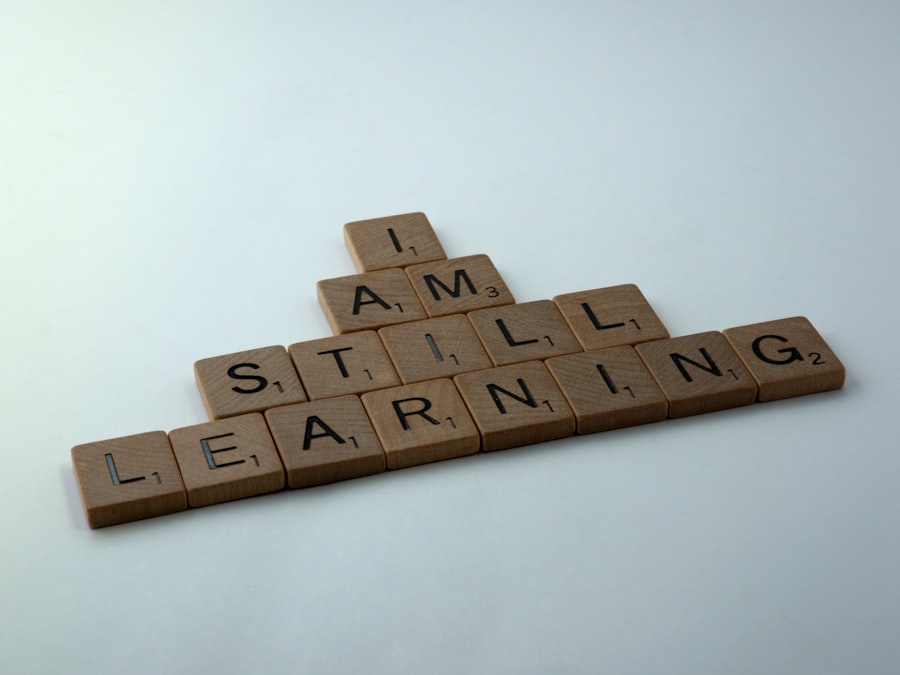
Addressing Resistance to Change
While the benefits of becoming a learning organization are clear, several challenges can impede progress toward this goal. One significant barrier is resistance to change among employees who may be accustomed to traditional hierarchical structures or rigid processes. Overcoming this resistance requires effective change management strategies that involve clear communication about the benefits of adopting a learning mindset.
Leadership Commitment and Vulnerability
Leadership commitment is crucial in addressing these challenges. Leaders must actively champion the principles of “The Fifth Discipline” by demonstrating their own commitment to learning and development. This includes being open about their own vulnerabilities and encouraging others to share their experiences without fear of judgment.
Another challenge lies in aligning organizational systems with the principles of a learning organization. Traditional performance metrics may not adequately capture the value generated through learning initiatives. Organizations must develop new metrics that reflect progress in areas such as collaboration, innovation, and employee engagement.
Case studies of successful implementation of The Fifth Discipline
Numerous organizations have successfully implemented the principles outlined in “The Fifth Discipline,” demonstrating tangible benefits from adopting a learning-oriented approach. One notable example is Toyota, which has long been recognized for its commitment to continuous improvement through its renowned Toyota Production System (TPS). By fostering a culture of learning at all levels—from assembly line workers to executives—Toyota has achieved remarkable efficiency gains while maintaining high-quality standards.
Another compelling case study is that of General Electric (GE), which embraced Senge’s principles during its transformation under former CEO Jack Welch. GE implemented initiatives such as “Work-Out,” which encouraged employees at all levels to contribute ideas for improving processes and eliminating inefficiencies. This emphasis on team learning led to significant cost savings and enhanced employee engagement across the organization.
In the technology sector, companies like Microsoft have also adopted Senge’s principles as part of their cultural transformation efforts. Under CEO Satya Nadella’s leadership, Microsoft shifted its focus from a competitive mindset to one centered on collaboration and growth mindset principles. This cultural shift has resulted in increased innovation and improved employee satisfaction as teams work together more effectively across departments.
The future of learning organizations: trends and developments
As organizations navigate an increasingly complex business landscape characterized by rapid technological advancements and shifting market dynamics, the principles outlined in “The Fifth Discipline” will continue to gain relevance. One emerging trend is the integration of artificial intelligence (AI) into organizational learning processes. AI can facilitate personalized learning experiences by analyzing employee performance data and recommending tailored development opportunities.
Additionally, remote work has become more prevalent due to global events such as the COVID-19 pandemic. This shift presents both challenges and opportunities for learning organizations as they adapt their practices to support distributed teams. Virtual collaboration tools have become essential for fostering team learning in remote environments, enabling employees to connect across geographical boundaries while sharing knowledge and insights.
Furthermore, there is an increasing recognition of the importance of diversity and inclusion within learning organizations. Embracing diverse perspectives not only enhances creativity but also drives innovation by challenging existing mental models. Organizations that prioritize diversity will likely be better positioned to navigate future challenges as they leverage the unique strengths of their workforce.
In conclusion, “The Fifth Discipline” remains a vital resource for organizations seeking to cultivate a culture of continuous learning and adaptation. As businesses face unprecedented challenges in today’s dynamic environment, embracing Senge’s principles will be essential for fostering resilience and driving sustainable success.
If you are interested in learning more about organizational development and leadership, you may want to check out the article “Hello World” on Hellread.com. This article discusses the importance of effective communication and collaboration within a team, which are key components of creating a learning organization as outlined in Peter Senge’s book, The Fifth Discipline. To read more about this topic, you can visit this article on Hellread.com.
FAQs
What is “The Fifth Discipline: The Art and Practice of the Learning Organization” about?
“The Fifth Discipline” is a book by Peter Senge that explores the concept of the learning organization and the five disciplines necessary for its development. It emphasizes the importance of systems thinking, personal mastery, mental models, building shared vision, and team learning.
Who is Peter Senge?
Peter Senge is a renowned author, speaker, and educator known for his work in the field of organizational development and systems thinking. He is the founder of the Society for Organizational Learning and a senior lecturer at the MIT Sloan School of Management.
What are the five disciplines of the learning organization?
The five disciplines of the learning organization, as outlined in “The Fifth Discipline,” are systems thinking, personal mastery, mental models, building shared vision, and team learning. These disciplines are essential for organizations to adapt and thrive in a rapidly changing world.
How does “The Fifth Discipline” impact organizational development?
“The Fifth Discipline” provides a framework for creating a learning organization that can adapt and innovate in response to changing circumstances. It emphasizes the importance of fostering a culture of continuous learning, collaboration, and systems thinking within an organization.
What are some key takeaways from “The Fifth Discipline”?
Key takeaways from “The Fifth Discipline” include the importance of systems thinking, the need for personal mastery and continuous learning, the impact of mental models on decision-making, the value of shared vision, and the power of team learning in driving organizational success.




