
“Dark Star Safari,” published in 2002, is a compelling travel narrative that chronicles Paul Theroux’s journey through Africa, from Cairo to Cape Town. This book stands out not only for its vivid descriptions and engaging storytelling but also for its unflinching examination of the continent’s complexities. Theroux embarks on this journey with a sense of nostalgia and a critical eye, reflecting on his previous experiences in Africa while confronting the stark realities of contemporary life on the continent.
The title itself evokes a sense of mystery and darkness, hinting at the challenges and contradictions that define Africa’s landscape and its people. Theroux’s journey is not merely a physical traversal of geographical boundaries; it is also an exploration of the psychological and emotional landscapes that shape human experiences. As he travels through various countries, he encounters a diverse array of cultures, histories, and social issues.
The narrative is interspersed with personal anecdotes, historical context, and sharp observations that invite readers to engage with the complexities of African life. Through his lens, Theroux challenges romanticized notions of Africa, presenting a more nuanced and sometimes harsh reality that resonates with both beauty and despair.
Key Takeaways
- Dark Star Safari is a travel memoir written by Paul Theroux, detailing his journey from Cairo to Cape Town.
- Paul Theroux is a renowned travel writer known for his immersive and insightful travel narratives.
- The book provides a vivid and honest portrayal of the people, places, and challenges encountered during Theroux’s journey through Africa.
- Themes of colonialism, poverty, and the resilience of the human spirit are prevalent throughout the book.
- Dark Star Safari has been well-received for its raw and unfiltered depiction of Africa, and has had a significant impact on the travel literature genre.
Author Background: Paul Theroux
Early Influences and Literary Career
His early experiences as a teacher in Africa during the Peace Corps profoundly influenced his writing, providing him with firsthand insights into the continent’s cultures and challenges. This background is crucial to understanding “Dark Star Safari,” as it reflects both his deep affection for Africa and his critical perspective on its socio-political landscape.
Literary Style and Themes
Theroux’s literary prowess is evident in his ability to weave personal experiences with broader cultural critiques. His works often explore themes of isolation, travel, and the human condition, making him a significant figure in contemporary literature.
“Dark Star Safari” and Accolades
In “Dark Star Safari,” he draws upon his earlier travels and experiences to create a rich tapestry of observations that highlight the contrasts between hope and despair, progress and stagnation. His unique voice and perspective have earned him a dedicated readership, as well as accolades such as the Whitbread Award and the Thomas Cook Travel Book Award.
Synopsis of Dark Star Safari
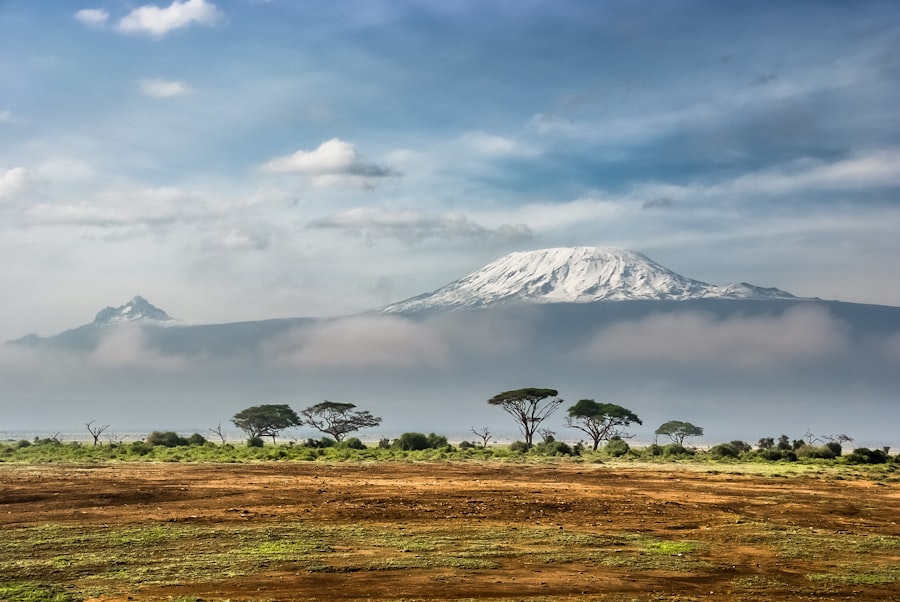
“Dark Star Safari” begins with Theroux’s arrival in Cairo, where he sets the stage for his journey through Africa. He travels by various means—buses, trains, and even on foot—immersing himself in the local culture while documenting his encounters with people from all walks of life. As he moves southward through countries like Sudan, Uganda, Tanzania, and Zambia, Theroux paints a vivid picture of the landscapes he traverses, from bustling urban centers to remote villages.
Throughout his journey, Theroux encounters a myriad of characters who embody the complexities of African life. He meets aid workers grappling with the challenges of poverty and disease, local entrepreneurs striving for success amidst adversity, and everyday citizens navigating their realities. These interactions serve as a lens through which Theroux examines broader themes such as colonialism, corruption, and the impact of globalization on traditional societies.
His narrative is punctuated by moments of humor, frustration, and profound insight, creating a multifaceted portrayal of Africa that is both engaging and thought-provoking.
Themes and Motifs in Dark Star Safari
One of the central themes in “Dark Star Safari” is the tension between hope and despair. Theroux encounters individuals who possess an indomitable spirit despite facing overwhelming challenges. For instance, he meets a group of children in Uganda who find joy in their play despite living in poverty-stricken conditions.
These moments highlight the resilience of the human spirit while simultaneously exposing the harsh realities that many Africans endure daily. Theroux’s reflections on these encounters prompt readers to consider the complexities of development aid and the often misguided efforts to “save” Africa. Another significant motif in the book is the concept of travel itself as a transformative experience.
Theroux’s journey serves as a metaphor for self-discovery and introspection. As he navigates through diverse landscapes and cultures, he grapples with his own perceptions and biases about Africa. The act of traveling becomes a means for him to confront his past experiences while also challenging preconceived notions about the continent.
This motif resonates throughout the narrative, emphasizing that travel is not merely about physical movement but also about personal growth and understanding.
Critique and Reception of Dark Star Safari
Upon its release, “Dark Star Safari” garnered significant attention from both critics and readers alike. Many praised Theroux’s candid writing style and his ability to capture the essence of Africa with both affection and critique. Critics noted that his observations were often unflinching, providing a stark contrast to more romanticized portrayals of the continent found in other travel literature.
The book was lauded for its depth and complexity, as it challenged readers to confront uncomfortable truths about Africa’s socio-political landscape. However, some critiques emerged regarding Theroux’s perspective on Africa. Detractors argued that his narrative occasionally veered into cynicism, painting a bleak picture of the continent without offering sufficient acknowledgment of its successes or potential for growth.
Others pointed out that his privileged position as a Western traveler could lead to an oversimplification of complex issues faced by African nations. Despite these criticisms, “Dark Star Safari” remains a significant contribution to travel literature, sparking discussions about representation, authenticity, and the ethics of travel writing.
Impact of Dark Star Safari on Travel Literature

“Dark Star Safari” has had a lasting impact on the genre of travel literature by pushing boundaries and challenging conventional narratives about Africa. Theroux’s unvarnished portrayal of the continent has inspired subsequent writers to adopt a more critical approach when exploring themes related to travel and cultural exchange. The book serves as a reminder that travel writing can be more than just an account of picturesque landscapes; it can also be a platform for social commentary and reflection on global issues.
Moreover, Theroux’s work has encouraged readers to engage with Africa beyond surface-level tourism. By highlighting the complexities of African societies—ranging from political instability to cultural richness—he invites travelers to approach their journeys with greater awareness and sensitivity. This shift in perspective has influenced how contemporary travel writers approach their subjects, emphasizing authenticity and depth over mere escapism.
Comparisons to Other Works by Paul Theroux
When comparing “Dark Star Safari” to other works by Paul Theroux, such as “The Great Railway Bazaar” or “The Old Patagonian Express,” one can observe recurring themes of exploration and cultural observation. In “The Great Railway Bazaar,” Theroux embarks on an epic train journey across Europe and Asia, capturing the essence of each destination through vivid descriptions and personal anecdotes. Similarly, “Dark Star Safari” employs this travel framework but focuses specifically on Africa’s unique challenges and triumphs.
Another notable comparison can be made with “The Mosquito Coast,” where Theroux delves into themes of idealism versus reality through the lens of an American family’s journey into Central America. While “The Mosquito Coast” is fictional, it shares thematic elements with “Dark Star Safari,” particularly regarding the exploration of cultural dislocation and the consequences of one’s choices in unfamiliar environments.
Legacy of Dark Star Safari
The legacy of “Dark Star Safari” lies in its ability to provoke thought and discussion about Africa’s multifaceted identity while challenging readers’ perceptions of travel literature itself. Paul Theroux’s candid exploration of the continent has left an indelible mark on how subsequent generations approach travel writing—encouraging them to seek authenticity over superficiality. The book serves as both a personal memoir and a critical examination of societal issues, making it a significant contribution to contemporary literature.
As readers continue to engage with “Dark Star Safari,” they are invited not only to experience Africa through Theroux’s eyes but also to reflect on their own assumptions about travel, culture, and humanity. The book remains relevant today as it resonates with ongoing conversations about globalization, development aid, and cultural exchange—issues that continue to shape our understanding of Africa in an increasingly interconnected world. Through its rich narrative and profound insights, “Dark Star Safari” endures as a powerful testament to the complexities of travel and the human experience.
If you enjoyed reading Dark Star Safari by Paul Theroux, you may also be interested in checking out this article on com/’>hellread.
com that discusses the impact of travel literature on our understanding of different cultures and societies. This article delves into how books like Dark Star Safari can provide valuable insights into the complexities of the world we live in and inspire us to explore new perspectives. It’s a fascinating read that complements the themes explored in Theroux’s work.
FAQs
What is Dark Star Safari by Paul Theroux about?
Dark Star Safari is a travel memoir written by Paul Theroux. In the book, Theroux recounts his journey from Cairo to Cape Town, traveling through Africa by various means of transportation. He reflects on the people, cultures, and landscapes he encounters along the way.
When was Dark Star Safari published?
Dark Star Safari was published in 2002.
What is the significance of the title Dark Star Safari?
The title “Dark Star Safari” refers to Theroux’s journey through Africa, which he describes as a “dark star safari” due to the challenges and complexities he encounters during his travels.
What are some of the themes explored in Dark Star Safari?
Some of the themes explored in Dark Star Safari include the impact of colonialism, the diversity of African cultures, the challenges of development and modernization, and the resilience of the human spirit.
How was Dark Star Safari received by critics?
Dark Star Safari received generally positive reviews from critics, who praised Theroux’s vivid descriptions, insightful observations, and engaging storytelling. However, some critics also noted that Theroux’s portrayal of Africa was at times controversial and polarizing.