
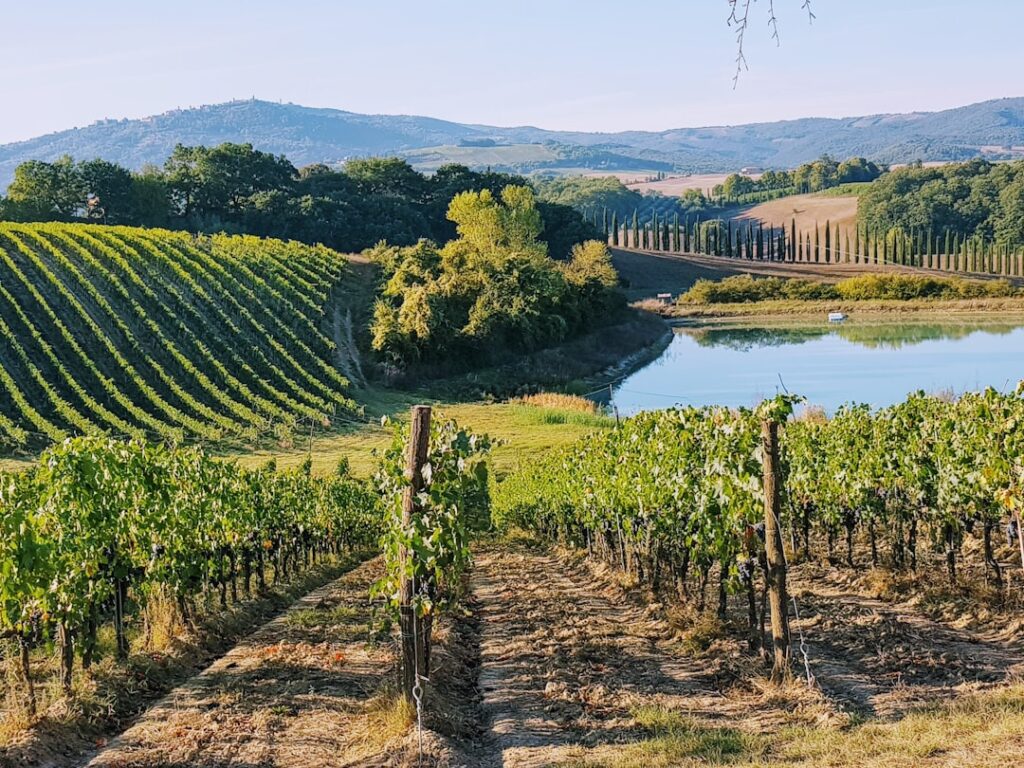
“Under the Tuscan Sun” is a memoir that captures the essence of transformation, renewal, and the profound connection between place and identity. Written by Frances Mayes, this evocative narrative chronicles her journey of self-discovery as she navigates the complexities of life after divorce. The book is not merely a travelogue; it is a rich tapestry woven with threads of personal reflection, cultural exploration, and the intoxicating allure of Tuscany.
Mayes invites readers to experience the beauty of the Italian countryside, the warmth of its people, and the culinary delights that define the region. The narrative unfolds as Mayes purchases a dilapidated villa in Cortona, a small town in Tuscany, and embarks on a journey to restore both the house and her spirit. Through her vivid descriptions and lyrical prose, she transports readers to sun-drenched landscapes, where cypress trees sway in the breeze and vineyards stretch as far as the eye can see.
The memoir resonates with anyone who has ever sought solace in a new environment or yearned for a fresh start. It is a celebration of life’s possibilities, underscored by the beauty of nature and the richness of Italian culture.
Key Takeaways
- “Under the Tuscan Sun” is a memoir by Frances Mayes that explores her experiences renovating an old villa in Tuscany, Italy.
- Frances Mayes is an American writer and poet known for her best-selling memoir “Under the Tuscan Sun” and other books about Tuscany and Italian culture.
- Tuscany, Italy, is the picturesque setting for “Under the Tuscan Sun,” known for its rolling hills, vineyards, and historic architecture.
- The plot of “Under the Tuscan Sun” follows Mayes’ journey of buying and restoring a villa in Tuscany, while also exploring the local culture and cuisine.
- Themes and motifs in “Under the Tuscan Sun” include the beauty of Tuscany, the joys of renovating a home, and the importance of embracing new experiences.
The Author: Frances Mayes
Frances Mayes is an accomplished author, poet, and essayist whose literary career spans several decades. Born in Fitzgerald, Georgia, in 1940, Mayes developed a passion for writing early in her life. She pursued her education at the University of Georgia and later earned an MFA from San Francisco State University.
Mayes’ life experiences have significantly influenced her writing. After enduring a painful divorce, she found herself at a crossroads, prompting her to seek refuge in Italy.
This journey not only led to the purchase of her villa but also to a profound exploration of her identity and purpose. Her subsequent works, including “Bella Tuscany” and “Every Day in Tuscany,” further delve into her love affair with Italy, showcasing her deep appreciation for its culture, cuisine, and landscapes. Mayes’ ability to articulate the nuances of her experiences has garnered her a dedicated readership and established her as a prominent voice in contemporary memoir writing.
Setting: Tuscany, Italy
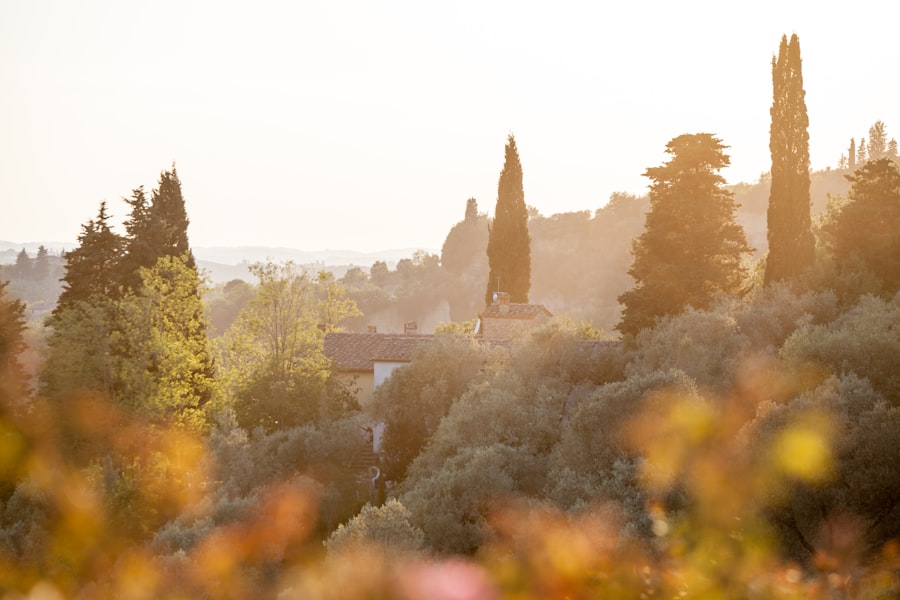
Tuscany serves as more than just a backdrop for Mayes’ narrative; it is a character in its own right, imbued with history, culture, and an undeniable charm. The region is renowned for its rolling hills, picturesque villages, and vibrant landscapes that change with the seasons. From the golden hues of sunflowers in summer to the rich reds and browns of autumn foliage, Tuscany offers a visual feast that captivates both locals and visitors alike.
Cortona, where Mayes purchases her villa, is steeped in history dating back to Etruscan times. The town’s narrow cobblestone streets are lined with ancient stone buildings that tell stories of centuries past. The local markets brim with fresh produce, artisanal cheeses, and handmade goods, reflecting the region’s agricultural heritage.
Mayes’ descriptions of the Tuscan landscape are infused with sensory details that evoke the sights, sounds, and scents of this enchanting locale. The interplay between nature and human life is a recurring theme throughout her memoir, illustrating how deeply intertwined they are in shaping one’s experience.
Plot Summary
The narrative begins with Frances Mayes grappling with the aftermath of her divorce. Seeking an escape from her familiar surroundings in California, she travels to Italy on a whim. It is during this trip that she discovers an old villa for sale in Cortona—a decision that will alter the course of her life.
The purchase marks the beginning of an adventure filled with challenges and triumphs as she embarks on restoring the villa to its former glory. As Mayes navigates the complexities of home renovation, she also immerses herself in the local culture. She forms friendships with neighbors and fellow expatriates who enrich her understanding of Italian life.
Each chapter reveals not only the physical transformation of the villa but also Mayes’ emotional journey toward healing and self-acceptance.
Themes and Motifs
“Under the Tuscan Sun” explores several themes that resonate deeply with readers. One prominent theme is the idea of renewal and rebirth. Mayes’ decision to purchase the villa symbolizes her desire to start anew after a painful chapter in her life.
The act of restoring the house parallels her own journey toward healing; as she breathes new life into the villa, she also rekindles her passion for living fully. Another significant theme is the connection between place and identity. Tuscany becomes a sanctuary for Mayes—a place where she can rediscover herself amidst breathtaking landscapes and rich cultural experiences.
The memoir emphasizes how our surroundings shape our perceptions and experiences; through her interactions with locals and immersion in Italian traditions, Mayes finds a sense of belonging that transcends geographical boundaries. Food also emerges as a recurring motif throughout the narrative. Mayes’ love for cooking and sharing meals reflects not only her appreciation for Italian cuisine but also serves as a means of connection with others.
The preparation and enjoyment of food become acts of love and community, illustrating how culinary traditions can bridge cultural divides.
Reception and Legacy
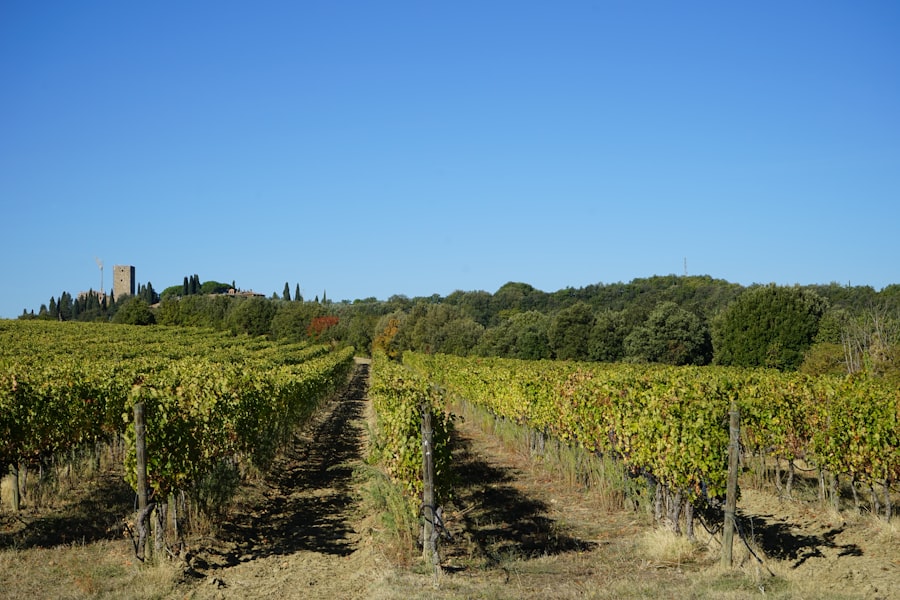
Upon its publication in 1996, “Under the Tuscan Sun” received widespread acclaim for its lyrical prose and evocative storytelling. Critics praised Mayes’ ability to transport readers to Tuscany through her vivid descriptions and heartfelt reflections. The memoir quickly became a bestseller, resonating with those seeking inspiration for their own journeys of self-discovery or simply yearning for an escape to Italy.
The book’s legacy extends beyond its initial success; it has inspired countless readers to explore Tuscany and embrace their own transformative experiences. It has become a touchstone for those interested in travel literature and memoirs that celebrate personal growth through place. Mayes’ work has contributed to a broader cultural fascination with Italy, particularly among those seeking to immerse themselves in its art, cuisine, and lifestyle.
Film Adaptation
In 2003, “Under the Tuscan Sun” was adapted into a feature film directed by Audrey Wells, starring Diane Lane as Frances Mayes. While the film takes creative liberties with the source material—introducing fictional characters and altering certain plot points—it retains the core themes of renewal and self-discovery that define Mayes’ memoir. The film showcases stunning cinematography that captures the beauty of Tuscany, further popularizing the region as a desirable travel destination.
Diane Lane’s portrayal of Frances brings depth to the character’s emotional journey, allowing viewers to connect with her struggles and triumphs on screen. The film’s romantic elements add an additional layer to the narrative, exploring themes of love and companionship alongside personal growth. While some purists may argue that it diverges from Mayes’ original vision, the adaptation successfully introduces her story to a wider audience, sparking interest in both the memoir and Tuscany itself.
Travel and Food in Under the Tuscan Sun
Travel plays an integral role in “Under the Tuscan Sun,” serving as both a backdrop for personal transformation and a means of cultural exploration. Mayes’ journey through Tuscany is marked by encounters with local traditions, festivals, and culinary delights that enrich her experience. Her descriptions of bustling markets filled with fresh produce evoke a sense of place that invites readers to savor every moment alongside her.
Food emerges as a central theme throughout Mayes’ narrative; it is not merely sustenance but an expression of love and community. She shares recipes that reflect traditional Italian cooking methods—simple yet flavorful dishes that celebrate seasonal ingredients. Through cooking classes and shared meals with friends, Mayes illustrates how food can forge connections between people from different backgrounds.
The act of preparing meals becomes a ritual for Mayes—a way to ground herself in her new environment while honoring Italian culture. Her passion for cooking serves as an invitation for readers to explore their own culinary creativity and embrace the joy of sharing food with loved ones. In this way, “Under the Tuscan Sun” transcends its status as a memoir; it becomes a celebration of life’s simple pleasures—traveling to new places, savoring delicious meals, and forging meaningful connections along the way.
If you enjoyed reading Under the Tuscan Sun by Frances Mayes, you may also be interested in checking out this article on Hellread titled “Hello World.” This article delves into the world of travel writing and explores the allure of escaping to exotic destinations. You can read more about it


