
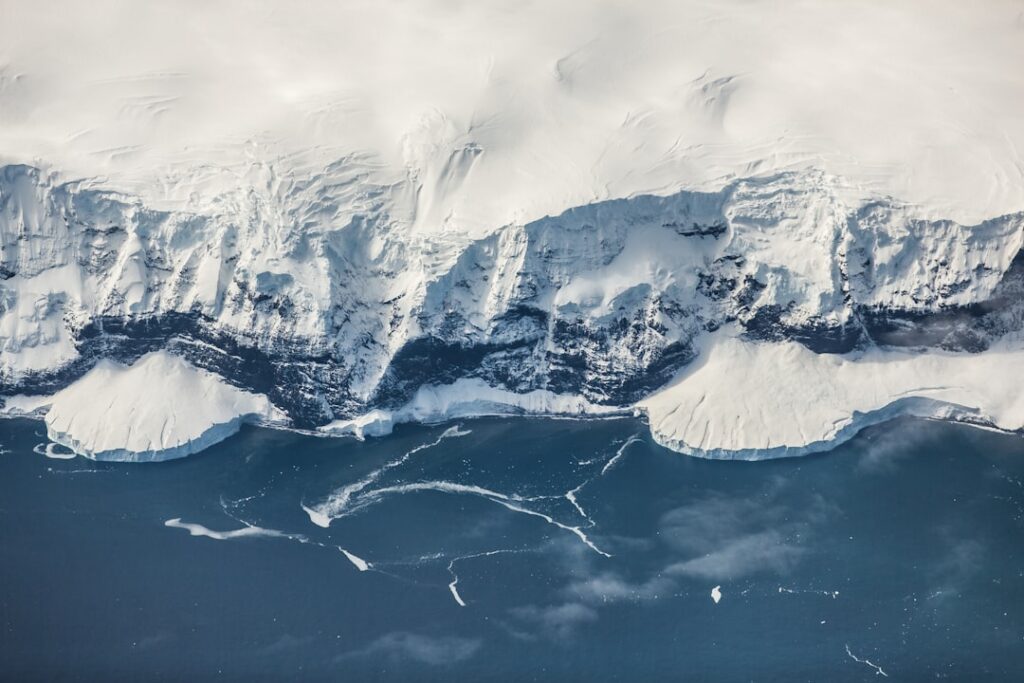
“The Worst Journey in the World” is a seminal work that chronicles one of the most harrowing expeditions in the annals of polar exploration. Written by Apsley Cherry-Garrard, a member of Robert Falcon Scott’s ill-fated Terra Nova Expedition to Antarctica, the book provides a gripping account of the challenges faced by explorers in one of the most inhospitable environments on Earth. Cherry-Garrard’s narrative is not merely a recounting of events; it is a profound exploration of human endurance, the quest for knowledge, and the stark realities of survival against overwhelming odds.
The title itself encapsulates the essence of the journey, suggesting that the experiences endured by Cherry-Garrard and his companions were not just physically taxing but also psychologically and emotionally draining. The book was published in 1922, several years after the tragic end of the Terra Nova Expedition, which aimed to conduct scientific research and reach the South Pole. Cherry-Garrard’s account stands out for its vivid descriptions and introspective reflections, offering readers an intimate glimpse into the minds of those who ventured into the frozen wilderness.
The narrative is interspersed with moments of humor, despair, and camaraderie, painting a complex picture of life in extreme conditions. As readers delve into Cherry-Garrard’s experiences, they are invited to grapple with themes of ambition, sacrifice, and the relentless pursuit of discovery, all set against the backdrop of one of nature’s most formidable landscapes.
Key Takeaways
- “The Worst Journey in the World” is a gripping account of the Terra Nova Expedition to Antarctica, written by Apsley Cherry-Garrard.
- Apsley Cherry-Garrard was not only the author of the book, but also a key member of the Antarctic expedition, enduring extreme conditions and hardships.
- The Terra Nova Expedition, led by Robert Falcon Scott, aimed to be the first to reach the South Pole, but faced numerous challenges and tragedies along the way.
- The harsh conditions of the Antarctic, including freezing temperatures, blizzards, and treacherous terrain, made the journey incredibly difficult and dangerous.
- The tragic journey to Cape Crozier, where Cherry-Garrard and his team collected emperor penguin eggs, resulted in the loss of their companions and nearly cost them their lives.
Apsley Cherry-Garrard: The Author and Antarctic Explorer
Early Influences and the Call of Adventure
Cherry-Garrard’s fascination with the natural world and his desire to contribute to scientific knowledge led him to join the ranks of polar explorers. He was not merely an adventurer, but also a keen observer and scientist, which would later inform his writing and reflections on the expedition.
A Multifaceted Role in the Terra Nova Expedition
Cherry-Garrard’s role in the Terra Nova Expedition was multifaceted. He served as a zoologist, tasked with collecting and documenting the flora and fauna encountered during the journey. His background in natural history equipped him with the necessary skills to collect specimens for scientific study.
The Infamous Journey to Cape Crozier
The trek to Cape Crozier, undertaken in the harshest conditions imaginable, tested Cherry-Garrard’s physical limits and mental fortitude. His ability to articulate these experiences with clarity and depth would later resonate with readers, making him one of the most notable figures in polar literature.
The Terra Nova Expedition: Setting the Stage for the Worst Journey
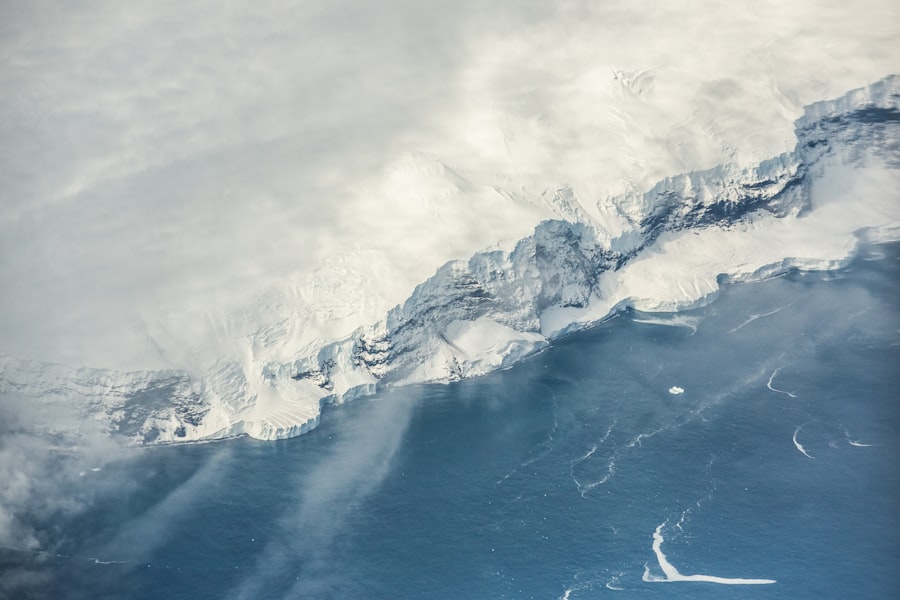
The Terra Nova Expedition, which took place from 1910 to 1913, was organized by Robert Falcon Scott with the ambitious goal of reaching the South Pole. This expedition was not only about exploration but also aimed to conduct significant scientific research in Antarctica. The team comprised a diverse group of individuals, each bringing unique skills and expertise to the mission.
Among them were scientists, engineers, and skilled mountaineers, all united by a common purpose: to push the boundaries of human knowledge and experience. As preparations for the expedition unfolded, it became clear that the challenges ahead would be monumental. The team faced logistical hurdles, including securing adequate supplies and equipment for their journey into one of the most remote regions on Earth.
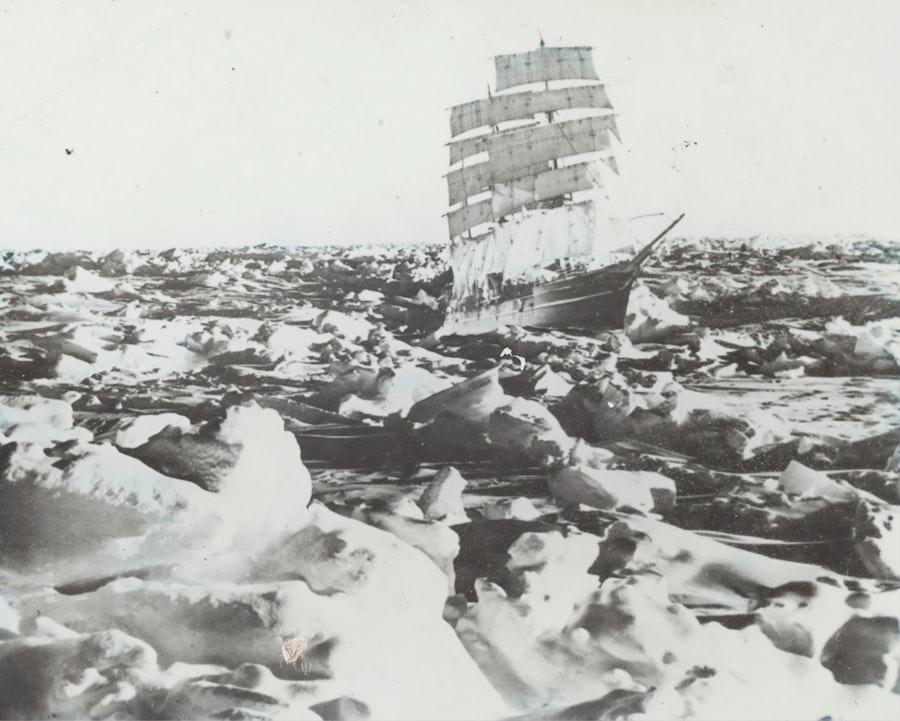
The expedition set sail aboard the Terra Nova in June 1910, embarking on a journey fraught with uncertainty. Upon arrival in Antarctica, they established a base camp at Cape Evans, where they began their scientific work and prepared for their polar trek. The stage was set for an adventure that would test their resolve and ultimately lead to tragedy.
The Harsh Conditions of the Antarctic
Antarctica is characterized by its extreme climate and unforgiving terrain, presenting formidable challenges for any expedition.
The landscape is dominated by vast ice sheets, crevasses, and towering glaciers, all of which pose significant hazards to explorers.
In this environment, even basic tasks become monumental challenges; simple actions like setting up tents or cooking meals can turn into arduous endeavors. The psychological toll of such conditions cannot be overstated. Prolonged exposure to extreme cold can lead to frostbite and hypothermia, while isolation from the outside world can exacerbate feelings of loneliness and despair.
For Cherry-Garrard and his companions, every day was a battle against not only the elements but also their own physical limitations. The harshness of Antarctica served as both a backdrop and a character in their story—an ever-present reminder of nature’s indifference to human ambition. This relentless environment shaped their experiences and ultimately influenced their decisions throughout the expedition.
The Tragic Journey to Cape Crozier
The journey to Cape Crozier is perhaps one of the most poignant episodes recounted in “The Worst Journey in the World.” Tasked with retrieving Emperor penguin eggs for scientific study during their breeding season, Cherry-Garrard and two companions embarked on this perilous trek in June 1911. The decision to undertake this journey was fraught with risk; it involved traversing treacherous ice fields and enduring extreme cold at a time when daylight was scarce. Despite these challenges, Cherry-Garrard felt compelled by both scientific curiosity and a sense of duty to contribute to the expedition’s goals.
As they set out on their journey, Cherry-Garrard’s narrative captures both the excitement and trepidation felt by the team. The initial stages were marked by determination as they navigated through blizzards and icy terrain. However, as days turned into weeks, their situation grew increasingly dire.
Food supplies dwindled, frostbite became a constant threat, and exhaustion set in. The psychological strain was palpable; moments of camaraderie were interspersed with despair as they grappled with their circumstances. Ultimately, their efforts were met with disappointment when they discovered that they had arrived too late in the breeding season to collect eggs.
Scientific Discoveries and Contributions
Unveiling the Emperor Penguin’s Life Cycle
Despite the hardships, Cherry-Garrard and his companions made significant contributions to scientific knowledge about Antarctica. Their observations regarding Emperor penguin behavior during breeding provided valuable insights into this unique species’ life cycle.
Contributions to Antarctic Ecosystems and Polar Exploration
The expedition also collected various biological specimens that would later be analyzed by scientists back home, contributing to a broader understanding of Antarctic ecosystems. Moreover, Cherry-Garrard’s meticulous documentation of their experiences added depth to scientific literature on polar exploration. His writings highlighted not only the physical challenges faced by explorers but also their emotional responses to extreme conditions.
Paving the Way for Future Research and Exploration
The data collected during this expedition would inform future research efforts and lay groundwork for subsequent explorations in Antarctica.
Legacy of The Worst Journey in the World
“The Worst Journey in the World” has left an indelible mark on both literature and polar exploration history. Cherry-Garrard’s account is often regarded as one of the finest works of adventure writing ever produced. Its blend of scientific inquiry with personal narrative creates a compelling tapestry that resonates with readers across generations.
The book serves as both a historical document and a literary masterpiece that captures the essence of human resilience in the face of adversity. The legacy of Cherry-Garrard’s work extends beyond its immediate impact; it has inspired countless adventurers and writers who seek to explore themes of endurance and discovery. His ability to convey complex emotions amidst physical hardship has influenced how subsequent generations approach narratives about exploration.
In many ways, “The Worst Journey in the World” has become a touchstone for those interested in understanding not only Antarctica but also the broader human experience when confronted with nature’s extremes.
Impact and Influence of the Book
The impact of “The Worst Journey in the World” can be seen across various domains—literature, science, and even popular culture. In literary circles, it is often cited as an exemplary work that transcends mere adventure storytelling; it delves into philosophical questions about humanity’s place within nature and our motivations for exploration. This depth has led to its inclusion in academic discussions surrounding adventure literature and memoirs.
In scientific communities, Cherry-Garrard’s observations continue to be referenced as foundational contributions to our understanding of Antarctic wildlife. His work has inspired ongoing research into climate change’s effects on polar ecosystems, highlighting how early explorations laid groundwork for contemporary environmental studies. Furthermore, “The Worst Journey in the World” has permeated popular culture through adaptations and references in various media forms—demonstrating its enduring relevance.
Through its rich narrative and profound insights into human nature under duress, “The Worst Journey in the World” remains a vital part of both literary canon and historical discourse on exploration. Apsley Cherry-Garrard’s experiences serve as a reminder that even amidst suffering and loss, there exists an unquenchable thirst for knowledge that drives humanity forward into uncharted territories.
If you enjoyed reading about the harrowing Antarctic expedition in The Worst Journey in the World by Apsley Cherry-Garrard, you may also be interested in checking out an article on hellread.com that delves into the challenges faced by modern-day explorers in extreme environments. This article provides a fascinating look at the risks and rewards of pushing the limits of human endurance in some of the most unforgiving places on Earth.
FAQs
What is “The Worst Journey in the World” by Apsley Cherry-Garrard about?
“The Worst Journey in the World” is a memoir by Apsley Cherry-Garrard, detailing his experiences as part of Robert Falcon Scott’s Terra Nova Expedition to Antarctica in 1910-1913.
What are some of the key events described in “The Worst Journey in the World”?
The book describes the harrowing journey of Cherry-Garrard and his companions to collect emperor penguin eggs during the Antarctic winter, as well as the tragic fate of Scott’s expedition to the South Pole.
What is the significance of “The Worst Journey in the World” in the context of Antarctic exploration?
“The Worst Journey in the World” is considered one of the most important and compelling accounts of Antarctic exploration, providing valuable insights into the challenges and sacrifices faced by early explorers.
How has “The Worst Journey in the World” been received by critics and readers?
The book has received widespread acclaim for its vivid and evocative storytelling, as well as its candid portrayal of the physical and psychological hardships endured by the explorers.
What is the legacy of “The Worst Journey in the World”?
“The Worst Journey in the World” continues to be celebrated as a classic of polar literature, offering a timeless testament to the indomitable human spirit and the enduring allure of exploration in the harshest of environments.




