
Information Technology (IT) has become an indispensable component of modern management practices, fundamentally transforming how organizations operate and make decisions. The integration of IT into management processes allows for enhanced communication, streamlined operations, and improved data analysis capabilities. As businesses navigate an increasingly complex and competitive landscape, the role of IT in management is not merely supportive; it is central to strategic planning and execution.
The convergence of technology with management principles has given rise to a new paradigm where data-driven decision-making is paramount, enabling organizations to respond swiftly to market changes and customer needs. The evolution of IT for management has been marked by significant advancements in software applications, cloud computing, and data analytics. These tools empower managers to harness vast amounts of information, turning raw data into actionable insights.
For instance, enterprise resource planning (ERP) systems integrate various business processes, providing a holistic view of operations that aids in resource allocation and performance monitoring. As organizations increasingly rely on digital solutions, understanding the implications of IT on management practices becomes crucial for leaders aiming to foster innovation and maintain a competitive edge.
Key Takeaways
- Information technology plays a crucial role in modern management, enabling efficient decision-making and strategic planning.
- Digital strategies provide valuable insights and analysis for businesses to stay competitive and adapt to changing market trends.
- Implementing actionable solutions through IT helps organizations streamline processes and improve overall performance.
- Sustainable performance through IT involves leveraging technology to minimize environmental impact and maximize efficiency.
- Case studies and best practices showcase successful IT management strategies and their impact on business outcomes.
Digital Strategies for Insight and Analysis
In the realm of management, digital strategies are essential for deriving insights from data. Organizations are now leveraging advanced analytics tools that utilize machine learning algorithms to identify patterns and trends within large datasets. For example, customer relationship management (CRM) systems equipped with predictive analytics can forecast customer behavior, allowing businesses to tailor their marketing strategies accordingly.
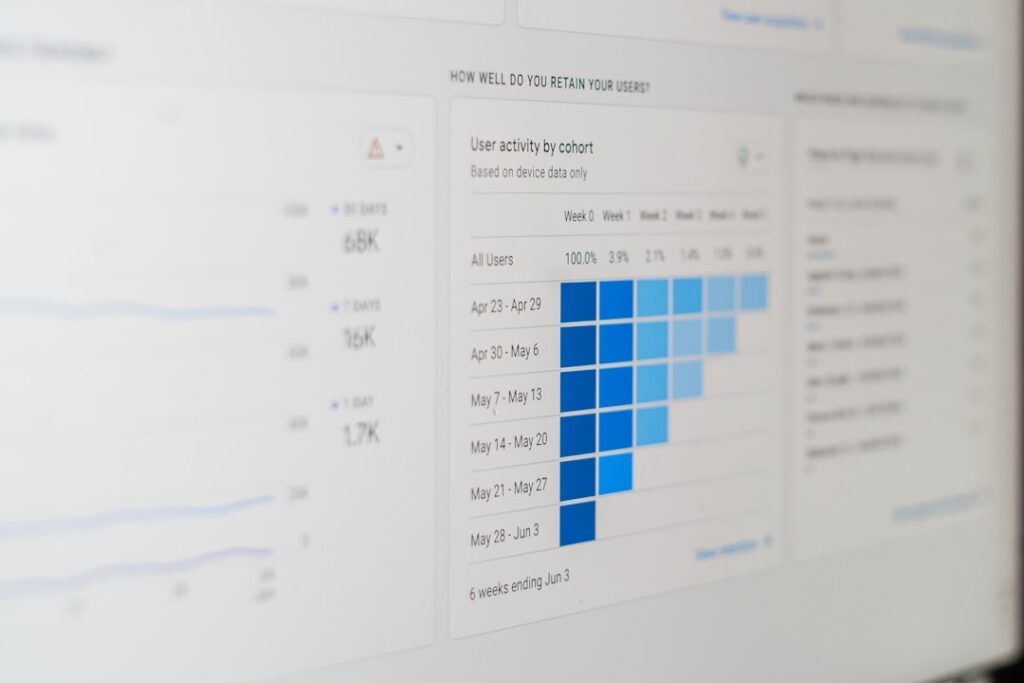
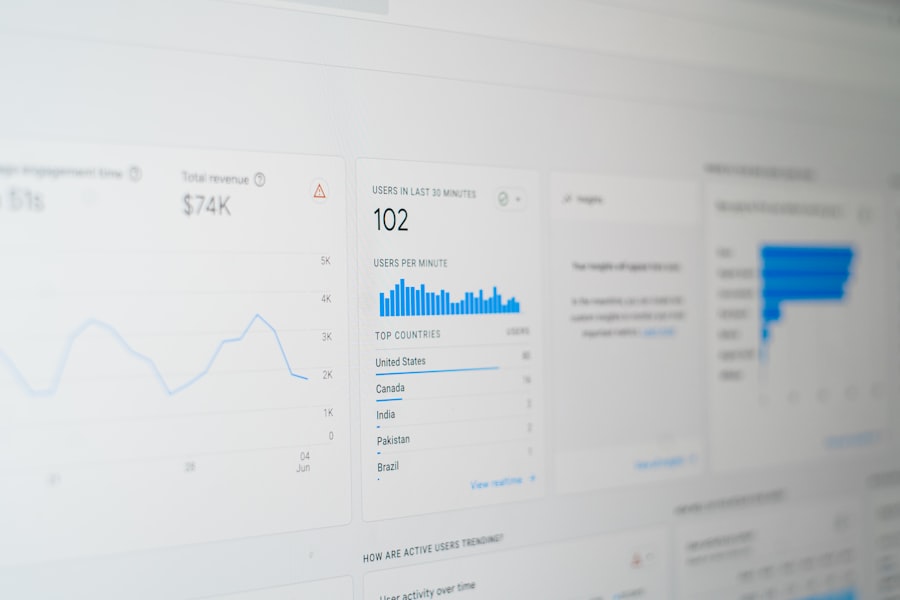
By analyzing historical data, companies can segment their customer base more effectively, leading to personalized marketing campaigns that enhance customer engagement and loyalty. Moreover, the use of business intelligence (BI) platforms has revolutionized how managers access and interpret data. These platforms provide intuitive dashboards that visualize key performance indicators (KPIs), enabling real-time monitoring of business performance.
For instance, a retail company might use BI tools to track sales trends across different regions, allowing management to make informed decisions about inventory distribution and promotional strategies. The ability to visualize complex data sets simplifies the decision-making process, ensuring that managers can act swiftly based on accurate information.
Implementing Actionable Solutions
The transition from insight to action is a critical step in the management process. Once organizations have gathered and analyzed data, the next challenge lies in implementing actionable solutions that drive performance improvements. This often involves cross-functional collaboration, where insights derived from data analysis are communicated effectively across departments.
For example, if a manufacturing firm identifies inefficiencies in its supply chain through data analysis, it must engage procurement, logistics, and production teams to develop a comprehensive strategy for optimization. Furthermore, the implementation of actionable solutions requires a robust change management framework. Organizations must ensure that employees are equipped with the necessary skills and knowledge to adapt to new technologies and processes.
Training programs and workshops can facilitate this transition, fostering a culture of continuous improvement. A case in point is a financial services company that adopted a new digital platform for customer service. By investing in employee training and support, the organization not only improved service delivery but also enhanced employee satisfaction and retention.
Sustainable Performance through IT
Sustainability has emerged as a key focus for organizations seeking long-term success in an era marked by environmental concerns and social responsibility. Information technology plays a pivotal role in promoting sustainable performance by enabling organizations to monitor their environmental impact and optimize resource usage. For instance, companies can utilize IT solutions to track energy consumption across their facilities, identifying areas where efficiency can be improved.
This not only reduces operational costs but also aligns with corporate social responsibility goals. Additionally, IT facilitates the implementation of sustainable supply chain practices. By leveraging technologies such as blockchain, organizations can enhance transparency and traceability in their supply chains.
This allows companies to ensure that their suppliers adhere to ethical sourcing practices and environmental standards. A notable example is the fashion industry, where brands are increasingly using blockchain technology to verify the sustainability of their materials and production processes. By integrating IT into sustainability initiatives, organizations can enhance their reputation while contributing positively to society.
Case Studies and Best Practices
Examining real-world case studies provides valuable insights into how organizations successfully leverage IT for management purposes. One notable example is Amazon, which has revolutionized retail through its sophisticated use of technology. The company’s investment in data analytics allows it to personalize customer experiences by recommending products based on browsing history and purchase behavior.
Additionally, Amazon’s use of automation in its fulfillment centers has streamlined operations, reducing delivery times and enhancing customer satisfaction. Another compelling case is that of General Electric (GE), which has embraced digital transformation through its Industrial Internet initiative. By integrating IoT (Internet of Things) technology into its manufacturing processes, GE has gained unprecedented visibility into equipment performance and maintenance needs.
This proactive approach not only minimizes downtime but also extends the lifespan of machinery, resulting in significant cost savings. These case studies illustrate how strategic IT implementation can lead to operational excellence and competitive advantage.
Overcoming Challenges in IT Management
Despite the numerous benefits associated with IT in management, organizations often face challenges that can hinder successful implementation. One significant obstacle is resistance to change among employees.
To mitigate this resistance, effective communication is essential; leaders must articulate the benefits of IT adoption clearly and involve employees in the transition process. Another challenge lies in data security and privacy concerns. As organizations increasingly rely on digital solutions, they become more vulnerable to cyber threats.
Ensuring robust cybersecurity measures is paramount to protect sensitive information from breaches. Companies must invest in advanced security protocols and conduct regular audits to identify vulnerabilities. Additionally, fostering a culture of cybersecurity awareness among employees can significantly reduce risks associated with human error.
Future Trends and Innovations in IT for Management
The landscape of information technology is continuously evolving, with emerging trends poised to reshape management practices further. One such trend is the rise of artificial intelligence (AI) and machine learning in decision-making processes. As these technologies become more sophisticated, they will enable managers to automate routine tasks and focus on strategic initiatives that require human insight.
For instance, AI-driven chatbots are increasingly being used in customer service roles, providing instant responses while freeing up human agents for more complex inquiries. Another innovation on the horizon is the expansion of remote work technologies. The COVID-19 pandemic accelerated the adoption of remote work solutions, leading organizations to rethink traditional management structures.
Future trends will likely see an increased emphasis on collaboration tools that facilitate seamless communication among distributed teams. Virtual reality (VR) and augmented reality (AR) technologies may also play a role in enhancing remote collaboration by creating immersive environments for team interactions.
Conclusion and Key Takeaways
The integration of information technology into management practices has transformed how organizations operate and make decisions. By leveraging digital strategies for insight and analysis, companies can derive actionable solutions that drive performance improvements while promoting sustainability. Real-world case studies demonstrate the effectiveness of strategic IT implementation in achieving operational excellence.
However, challenges such as resistance to change and cybersecurity concerns must be addressed proactively to ensure successful IT management. As organizations look toward the future, embracing emerging trends such as AI and remote work technologies will be crucial for maintaining a competitive edge in an ever-evolving business landscape.
If you are interested in exploring more articles related to Information Technology for Management, you may want to check out this insightful piece titled “Hello World” on hellread.com. This article delves into the basics of programming and how it has revolutionized the way we interact with technology. It provides a great foundation for understanding the digital strategies discussed in Efraim Turban and Linda Volonino’s book, “Information Technology for Management: Digital Strategies for Insight, Action, and Sustainable Performance.”
FAQs
What is Information Technology for Management?
Information Technology for Management refers to the use of technology to manage and optimize business processes, operations, and decision-making. It involves the use of digital strategies to gain insight, take action, and achieve sustainable performance within an organization.
What are the key components of Information Technology for Management?
The key components of Information Technology for Management include hardware, software, networks, databases, and other technology infrastructure. Additionally, it involves the use of data analytics, business intelligence, and digital platforms to support managerial decision-making and strategic planning.
What are the digital strategies for insight and action in Information Technology for Management?
Digital strategies for insight and action in Information Technology for Management include the use of data analytics, data visualization, predictive modeling, and artificial intelligence to gain insights from data and take proactive actions to improve business performance. These strategies enable organizations to make data-driven decisions and respond to market dynamics in real time.
How does Information Technology for Management contribute to sustainable performance?
Information Technology for Management contributes to sustainable performance by enabling organizations to optimize their operations, reduce costs, and improve efficiency through the use of digital technologies. It also supports environmental sustainability by promoting remote work, reducing paper usage, and minimizing the need for physical infrastructure.
What are some examples of Information Technology for Management in practice?
Examples of Information Technology for Management in practice include the use of enterprise resource planning (ERP) systems, customer relationship management (CRM) software, supply chain management systems, and business intelligence tools. Additionally, the use of cloud computing, mobile applications, and e-commerce platforms are also common examples of IT for management in various industries.




