
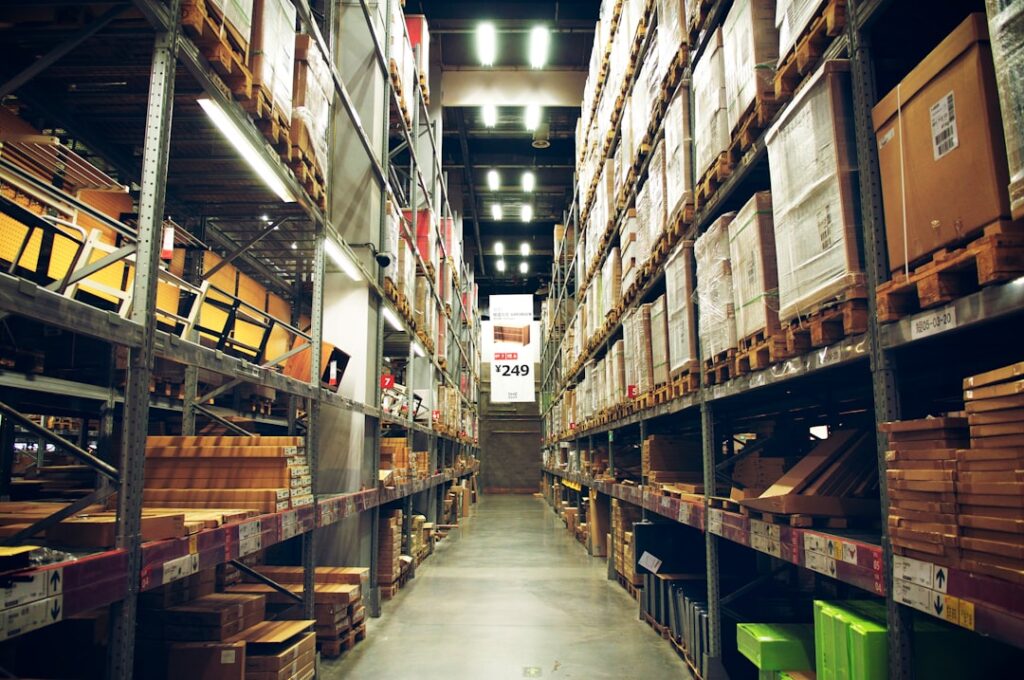
The Fourth Industrial Revolution, often referred to as Industry 4.0, represents a paradigm shift in the way industries operate, driven by the convergence of digital technologies, artificial intelligence, and the Internet of Things (IoT). This revolution builds upon the previous industrial revolutions, which were characterized by mechanization, mass production, and automation. However, what sets the Fourth Industrial Revolution apart is its emphasis on connectivity and data exchange across various platforms and devices.
The integration of cyber-physical systems, cloud computing, and cognitive computing is transforming traditional business models and creating new opportunities for innovation and efficiency. In this new era, industries are not merely adopting new technologies; they are fundamentally rethinking their processes and strategies to leverage these advancements. The logistics sector, in particular, is undergoing a significant transformation as it adapts to the demands of a rapidly changing marketplace.
With consumers expecting faster delivery times and greater transparency in the supply chain, logistics companies are compelled to embrace digital transformation to remain competitive. This article delves into the various facets of digital transformation within logistics, exploring its implications for supply chain management, warehouse operations, transportation, and the broader landscape of connectivity.
Key Takeaways
- The Fourth Industrial Revolution is characterized by the fusion of technologies blurring the lines between the physical, digital, and biological spheres.
- Digital transformation in logistics plays a crucial role in optimizing operations, improving efficiency, and enhancing customer experience.
- The impacts of digital transformation on supply chain management include increased visibility, agility, and responsiveness to market demands.
- Automation and robotics in warehouse operations are revolutionizing the industry by streamlining processes and reducing human error.
- Big data and analytics in transportation and fleet management are enabling better decision-making, cost reduction, and improved safety.
The Role of Digital Transformation in Logistics
Digital transformation in logistics encompasses a wide array of technologies and practices that enhance operational efficiency and customer satisfaction. At its core, it involves the integration of digital tools into every aspect of logistics operations, from inventory management to last-mile delivery. One of the most significant aspects of this transformation is the shift from traditional paper-based processes to automated systems that utilize real-time data.
For instance, companies are increasingly adopting cloud-based platforms that allow for seamless communication and collaboration among various stakeholders, including suppliers, manufacturers, and retailers. These platforms enable real-time tracking of shipments, inventory levels, and order statuses, which enhances decision-making capabilities.
Furthermore, digital transformation facilitates the implementation of advanced technologies such as artificial intelligence and machine learning, which can analyze vast amounts of data to predict demand patterns and optimize inventory levels. As a result, logistics companies can respond more swiftly to market changes and customer needs.
Impacts of Digital Transformation on Supply Chain Management

The impact of digital transformation on supply chain management is profound and multifaceted. One of the most notable changes is the shift towards a more agile supply chain model. Traditional supply chains often operated on rigid schedules and forecasts, which could lead to inefficiencies and excess inventory.
However, with the advent of digital tools, companies can now adopt a more flexible approach that allows them to respond quickly to fluctuations in demand. This agility is crucial in today’s fast-paced market environment where consumer preferences can change rapidly. Moreover, digital transformation enhances collaboration among supply chain partners.
By utilizing shared platforms and data analytics tools, companies can work together more effectively to identify bottlenecks and streamline processes. For example, a manufacturer can share real-time production data with its suppliers to ensure that raw materials are delivered just in time for production runs. This level of collaboration not only reduces lead times but also minimizes waste and lowers costs.
Additionally, enhanced visibility into the supply chain allows companies to identify potential risks and disruptions early on, enabling them to implement contingency plans proactively.
Automation and Robotics in Warehouse Operations
Automation and robotics are at the forefront of transforming warehouse operations within the logistics sector. The integration of automated systems has revolutionized how warehouses function by increasing efficiency and accuracy while reducing labor costs. Automated guided vehicles (AGVs) and robotic arms are now commonplace in many warehouses, performing tasks such as picking, packing, and sorting with remarkable precision.
These technologies not only speed up operations but also minimize human error, which can be particularly costly in high-volume environments. For example, Amazon has made significant investments in robotics to enhance its fulfillment centers’ efficiency. The company employs Kiva robots that transport shelves of products to human workers who then pick items for orders.
This system drastically reduces the time it takes to fulfill orders while optimizing space utilization within the warehouse. Furthermore, automation allows for 24/7 operations without the constraints of human labor shifts, thereby increasing throughput and meeting customer demands more effectively.
Big Data and Analytics in Transportation and Fleet Management
Big data analytics plays a crucial role in optimizing transportation and fleet management within logistics. The ability to collect and analyze vast amounts of data from various sources enables logistics companies to make informed decisions that enhance operational efficiency. For instance, GPS tracking systems provide real-time location data for vehicles, allowing fleet managers to monitor routes and adjust them based on traffic conditions or delays.
This capability not only improves delivery times but also reduces fuel consumption by optimizing routes. Moreover, predictive analytics can be employed to forecast demand trends based on historical data and market analysis. By understanding patterns in customer behavior, logistics companies can better align their transportation resources with anticipated demand.
For example, during peak seasons such as holidays or sales events, companies can proactively adjust their fleet size or schedule additional deliveries to meet increased demand. This strategic approach minimizes disruptions and ensures that customers receive their orders on time.
The Rise of IoT and Connectivity in Logistics
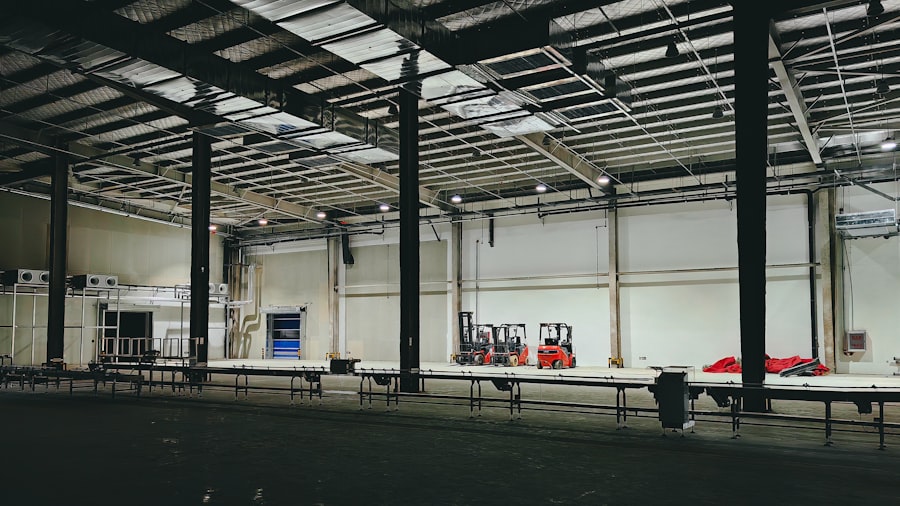
The Internet of Things (IoT) has emerged as a transformative force in logistics by enabling unprecedented levels of connectivity among devices and systems. IoT devices such as sensors and RFID tags provide real-time data on inventory levels, equipment status, and environmental conditions during transportation. This connectivity allows logistics companies to monitor their assets continuously and make data-driven decisions that enhance operational efficiency.
For instance, temperature-sensitive goods such as pharmaceuticals or perishable food items require strict monitoring during transit. IoT sensors can track temperature fluctuations in real time, alerting logistics managers if conditions deviate from acceptable ranges. This capability not only ensures product quality but also helps companies comply with regulatory requirements regarding the transportation of sensitive goods.
Additionally, IoT technology facilitates predictive maintenance for vehicles and equipment by monitoring performance metrics and alerting operators when maintenance is needed before a failure occurs.
Challenges and Opportunities in the Digital Transformation of Logistics
While digital transformation presents numerous opportunities for logistics companies, it also comes with its share of challenges. One significant hurdle is the integration of new technologies into existing systems. Many logistics firms operate on legacy systems that may not be compatible with modern digital tools.
Transitioning to new platforms often requires substantial investment in both technology and training for employees who must adapt to new processes. Another challenge lies in data security and privacy concerns. As logistics companies increasingly rely on interconnected systems that share sensitive information across networks, they become more vulnerable to cyberattacks.
Ensuring robust cybersecurity measures is essential to protect both company data and customer information from potential breaches. Despite these challenges, the opportunities presented by digital transformation are substantial. Companies that successfully navigate this transition can gain a competitive edge through improved efficiency, enhanced customer experiences, and greater adaptability to market changes.
Embracing innovation allows logistics firms to differentiate themselves in a crowded marketplace while meeting the evolving demands of consumers.
Navigating the Future of Logistics in the Fourth Industrial Revolution
As we move further into the Fourth Industrial Revolution, the logistics sector stands at a crossroads where traditional practices must evolve to meet new challenges and opportunities presented by digital transformation. The integration of advanced technologies such as automation, big data analytics, IoT connectivity, and collaborative platforms is reshaping how logistics companies operate. Those who embrace these changes will not only enhance their operational efficiency but also improve customer satisfaction by delivering faster and more reliable services.
Navigating this complex landscape requires a strategic approach that balances innovation with risk management. Logistics companies must invest in training their workforce to adapt to new technologies while ensuring robust cybersecurity measures are in place to protect sensitive data. By fostering a culture of continuous improvement and embracing digital transformation as an ongoing journey rather than a destination, logistics firms can position themselves for success in an increasingly competitive environment.
In conclusion, the Fourth Industrial Revolution offers immense potential for logistics companies willing to embrace change. By leveraging digital transformation effectively, these organizations can enhance their operational capabilities while meeting the ever-evolving demands of consumers in a dynamic marketplace.
The article delves into how emerging technologies are reshaping the way businesses operate and the challenges and opportunities that come with this digital transformation. To read more about this fascinating topic, check out the article here.
FAQs
What is the Fourth Industrial Revolution?
The Fourth Industrial Revolution refers to the ongoing automation and digitization of traditional industries, including logistics, through the use of advanced technologies such as artificial intelligence, big data, and the Internet of Things.
How is the Fourth Industrial Revolution impacting the logistics industry?
The Fourth Industrial Revolution is transforming the logistics industry by enabling greater efficiency, transparency, and flexibility through the use of digital technologies. This includes improved supply chain management, real-time tracking of shipments, and predictive analytics for demand forecasting.
What are some key technologies driving the digital transformation of logistics?
Key technologies driving the digital transformation of logistics include artificial intelligence, machine learning, blockchain, autonomous vehicles, and advanced robotics. These technologies are being used to streamline operations, optimize routes, and enhance overall supply chain visibility.
What are the benefits of the digital transformation of logistics?
The digital transformation of logistics brings numerous benefits, including improved operational efficiency, reduced costs, enhanced customer experience, and better risk management. It also enables companies to adapt to changing market demands and respond to disruptions more effectively.
What are some challenges associated with the digital transformation of logistics?
Challenges associated with the digital transformation of logistics include cybersecurity risks, data privacy concerns, the need for skilled workforce, and the integration of new technologies with existing systems. Additionally, there may be resistance to change from traditional stakeholders within the industry.
How can companies prepare for the digital transformation of logistics?
Companies can prepare for the digital transformation of logistics by investing in technology infrastructure, fostering a culture of innovation, and upskilling their workforce. It is also important to collaborate with technology partners and stay informed about industry trends and best practices.




