
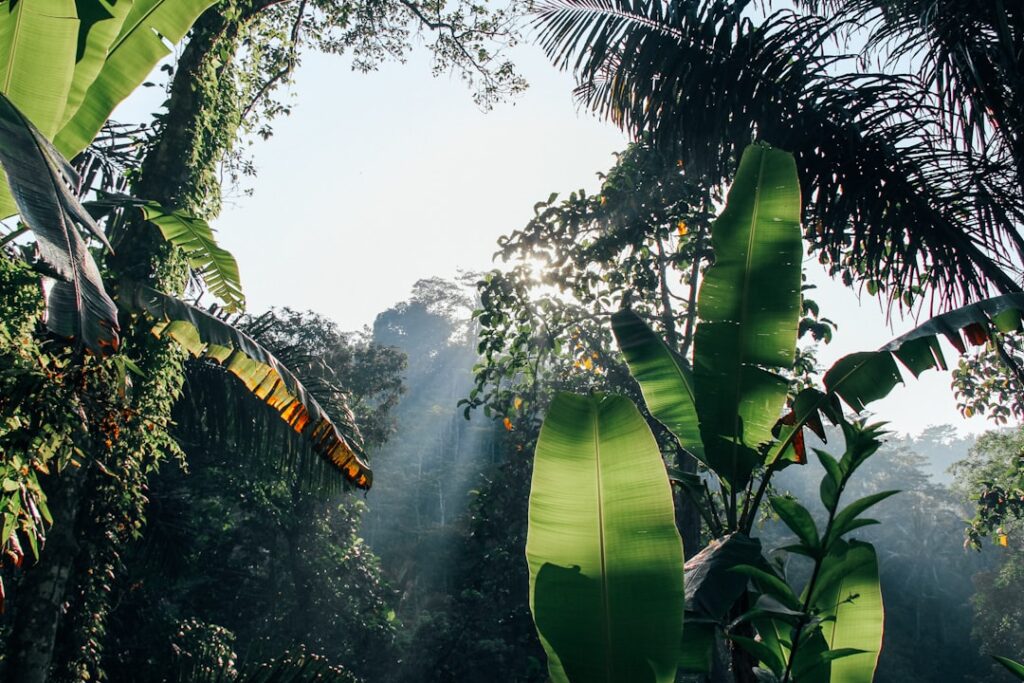
The River of Doubt, known today as the Rio Roosevelt, is a waterway that flows through the heart of the Amazon rainforest in Brazil. Its significance in history is not merely geographical; it is deeply intertwined with the life of one of America’s most iconic presidents, Theodore Roosevelt. The river became a symbol of exploration, adventure, and the human spirit’s resilience in the face of overwhelming odds.
In 1914, Roosevelt embarked on an expedition to chart this uncharted river, a journey that would test his physical limits and mental fortitude. This expedition was not just a personal challenge for Roosevelt; it represented a broader quest for knowledge and understanding of the natural world, particularly the vast and largely unexplored Amazon basin. The River of Doubt serves as a poignant reminder of the era’s spirit of exploration, which was characterized by a mix of scientific curiosity and imperial ambition.
Roosevelt’s journey was emblematic of the early 20th century’s fascination with the unknown, as well as the desire to conquer nature.
The river’s story is one of adventure, peril, and ultimately, a deeper appreciation for one of the world’s most biodiverse ecosystems.
Key Takeaways
- The River of Doubt played a significant role in history as it was the site of a treacherous expedition led by Theodore Roosevelt in 1913-1914.
- Theodore Roosevelt, a former U.S. President, was a renowned conservationist and adventurer whose legacy was further solidified by his leadership of the River of Doubt expedition.
- The journey down the River of Doubt was filled with peril, including dangerous rapids, disease, and encounters with indigenous tribes and wildlife.
- The expedition took a toll on Theodore Roosevelt’s health and mental state, leading to lasting impacts on his well-being.
- The River of Doubt expedition had a lasting impact on the Amazon rainforest, shedding light on its biodiversity and the need for conservation efforts.
The life and legacy of Theodore Roosevelt
Theodore Roosevelt was born on October 27, 1858, into a wealthy New York family. His early life was marked by health challenges, including asthma, which he overcame through a vigorous lifestyle that included boxing, hiking, and hunting. Roosevelt’s tenacity and adventurous spirit would later define his political career and personal pursuits.
He served as the 26th President of the United States from 1901 to 1909, during which he championed progressive reforms, conservation efforts, and a robust foreign policy. His presidency is often remembered for its focus on trust-busting, labor rights, and the establishment of national parks. Roosevelt’s legacy is multifaceted; he is celebrated as a conservationist who laid the groundwork for modern environmentalism.
He established five national parks, 18 national monuments, and over 150 national forests, protecting approximately 230 million acres of public land. His belief in the importance of preserving natural resources for future generations has had a lasting impact on American environmental policy. Beyond his political achievements, Roosevelt’s adventurous spirit led him to explore some of the most remote regions of the world, culminating in his fateful journey down the River of Doubt.
This expedition not only tested his physical limits but also solidified his reputation as a man willing to confront danger head-on in pursuit of knowledge.
The treacherous journey down the River of Doubt
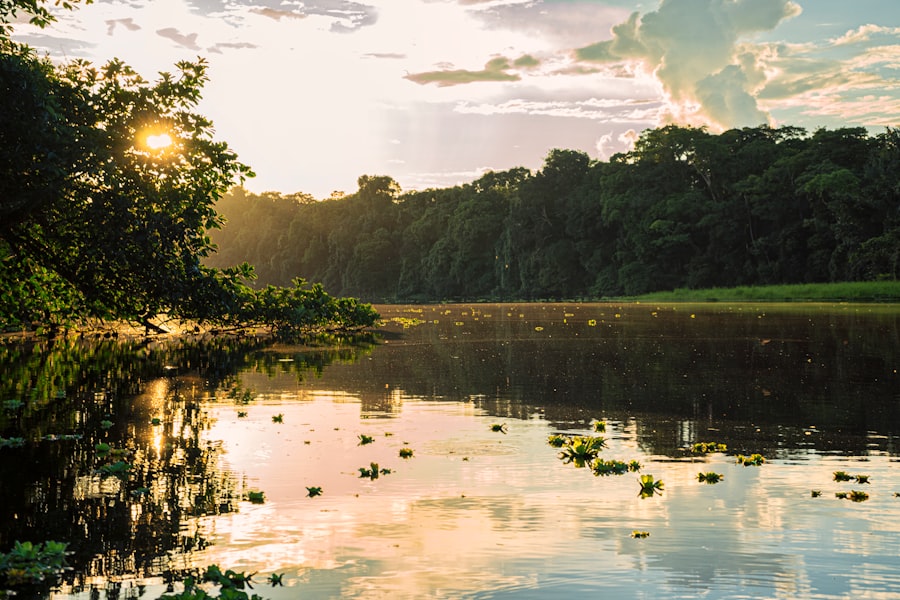
The expedition down the River of Doubt began in February 1914 and was fraught with challenges from the outset. Roosevelt was accompanied by a diverse group that included his son Kermit, Brazilian explorer Cândido Rondon, and several local guides. The team faced immediate difficulties navigating through dense jungle terrain, where they encountered treacherous rapids, unpredictable weather, and an array of insects that plagued their every step.
The river itself was largely uncharted, presenting a formidable obstacle as they attempted to map its course while battling the elements. As they progressed deeper into the Amazon rainforest, the physical toll on the expedition members became increasingly apparent. The men suffered from exhaustion, illness, and injuries sustained from navigating rocky riverbeds and thick underbrush.
Food supplies dwindled as they struggled to hunt and gather enough sustenance in an environment that was both bountiful and hostile. The psychological strain was equally severe; tensions rose within the group as fear and uncertainty took hold. Roosevelt’s leadership was put to the test as he sought to maintain morale while confronting his own fears about survival in such an unforgiving landscape.
The impact of the expedition on Theodore Roosevelt’s health and mental state
The journey down the River of Doubt had profound effects on Theodore Roosevelt’s health and mental state.
His physical condition deteriorated to such an extent that he later described it as one of the most challenging experiences of his life.
The relentless hardships faced during the expedition forced him to confront his own mortality in ways he had never anticipated. Mentally, the expedition was equally taxing. Roosevelt grappled with feelings of doubt and despair as he faced not only physical challenges but also the psychological burden of leading a group through perilous conditions.
The isolation of the jungle environment exacerbated these feelings; he found himself reflecting on his life choices and legacy while navigating through an unfamiliar world that seemed indifferent to human suffering. Despite these challenges, Roosevelt’s indomitable spirit shone through as he continued to push forward, driven by a desire to complete what he had set out to achieve.
The indigenous people and wildlife encountered during the expedition
Throughout their journey down the River of Doubt, Roosevelt and his team encountered various indigenous tribes who inhabited the Amazon rainforest. These encounters were often marked by mutual curiosity but also by tension stemming from cultural misunderstandings. The indigenous peoples had lived in harmony with their environment for centuries, possessing intricate knowledge about the flora and fauna that surrounded them.
Roosevelt recognized their expertise and sought to learn from them while also documenting their way of life. The wildlife encountered during the expedition was both awe-inspiring and daunting. The Amazon rainforest is home to an incredible diversity of species, many of which were unfamiliar to Roosevelt and his companions.
They observed exotic birds, reptiles, and mammals that showcased nature’s splendor but also posed threats to their safety. Encounters with jaguars and venomous snakes heightened their sense of vulnerability in an environment where they were not at the top of the food chain. These experiences deepened Roosevelt’s appreciation for biodiversity and underscored the importance of conservation efforts in protecting such unique ecosystems.
The lasting impact of the River of Doubt expedition on the Amazon rainforest
The River of Doubt expedition had significant implications for both Theodore Roosevelt and the Amazon rainforest itself. Upon returning to the United States, Roosevelt became an outspoken advocate for conservation efforts in South America. His firsthand experiences in the Amazon led him to understand the delicate balance between human activity and environmental preservation.
He recognized that unchecked exploitation could lead to irreversible damage to this vital ecosystem. In subsequent years, Roosevelt’s advocacy contributed to increased awareness about deforestation and its impact on global climate patterns. His writings about the Amazon helped spark interest in environmental issues among policymakers and citizens alike.
The expedition also highlighted the need for sustainable practices that respect indigenous cultures while protecting biodiversity. Today, conservation organizations continue to draw inspiration from Roosevelt’s journey as they work to safeguard the Amazon rainforest against threats such as logging, mining, and agricultural expansion.
Critiques and controversies surrounding the expedition and its documentation
Despite its historical significance, the River of Doubt expedition has not been without its critiques and controversies. Some historians argue that Roosevelt’s portrayal of indigenous peoples was overly romanticized or paternalistic, reflecting a colonial mindset that viewed them as subjects rather than equals. Critics contend that his writings often failed to accurately represent their cultures or acknowledge their agency within their own environments.
Additionally, there are debates surrounding the accuracy of Roosevelt’s documentation during the expedition. While he meticulously recorded his observations in journals, some scholars question whether his accounts were influenced by his desire to craft a heroic narrative that aligned with his public persona. This raises important questions about how history is recorded and interpreted—particularly when it comes to narratives involving marginalized groups whose voices may have been overshadowed by those in power.
The River of Doubt’s influence on modern-day exploration and conservation efforts
The legacy of the River of Doubt expedition continues to resonate in contemporary exploration and conservation efforts. Roosevelt’s journey serves as a reminder of humanity’s responsibility to protect vulnerable ecosystems while respecting indigenous rights. Modern explorers often cite his adventures as inspiration for their own quests into uncharted territories, emphasizing a commitment to ethical exploration that prioritizes sustainability.
In recent years, there has been a growing movement toward conservation initiatives aimed at preserving the Amazon rainforest’s biodiversity. Organizations dedicated to environmental protection draw upon lessons learned from historical expeditions like Roosevelt’s to advocate for policies that balance development with ecological preservation. The River of Doubt stands not only as a testament to one man’s adventurous spirit but also as a call to action for future generations to engage with nature responsibly and thoughtfully.
Through ongoing research and advocacy efforts inspired by Roosevelt’s experiences, there is hope for a more sustainable future for both people and wildlife in one of Earth’s most vital ecosystems. The River of Doubt remains a powerful symbol—a reminder that exploration can lead not only to discovery but also to a deeper understanding of our interconnectedness with nature.
If you enjoyed reading The River of Doubt by Candice Millard, you may also be interested in checking out this article on Hellread.com that discusses the impact of exploration on history and society. The article delves into the challenges faced by explorers like Theodore Roosevelt and the significance of their expeditions in shaping our understanding of the world. You can read more about it here.
FAQs
What is “The River of Doubt” by Candice Millard about?
“The River of Doubt” by Candice Millard is a non-fiction book that tells the story of Theodore Roosevelt’s harrowing exploration of an uncharted tributary of the Amazon River in Brazil. The expedition, which took place in 1913-1914, was filled with danger, hardship, and adventure.
Who is the author of “The River of Doubt”?
The author of “The River of Doubt” is Candice Millard, an American writer and journalist known for her compelling narrative non-fiction books about historical events and figures.
What is the significance of Theodore Roosevelt’s expedition in “The River of Doubt”?
The expedition led by Theodore Roosevelt in “The River of Doubt” was significant because it was a daring and dangerous journey into uncharted territory. It tested Roosevelt’s physical and mental endurance, and it added to his legacy as a fearless and adventurous leader.
What are some of the key themes in “The River of Doubt”?
Some of the key themes in “The River of Doubt” include exploration, adventure, survival, leadership, and the impact of the natural world on human endeavors.
Is “The River of Doubt” based on true events?
Yes, “The River of Doubt” is based on true events. It is a work of narrative non-fiction that recounts the actual expedition led by Theodore Roosevelt in the Amazon rainforest.




