
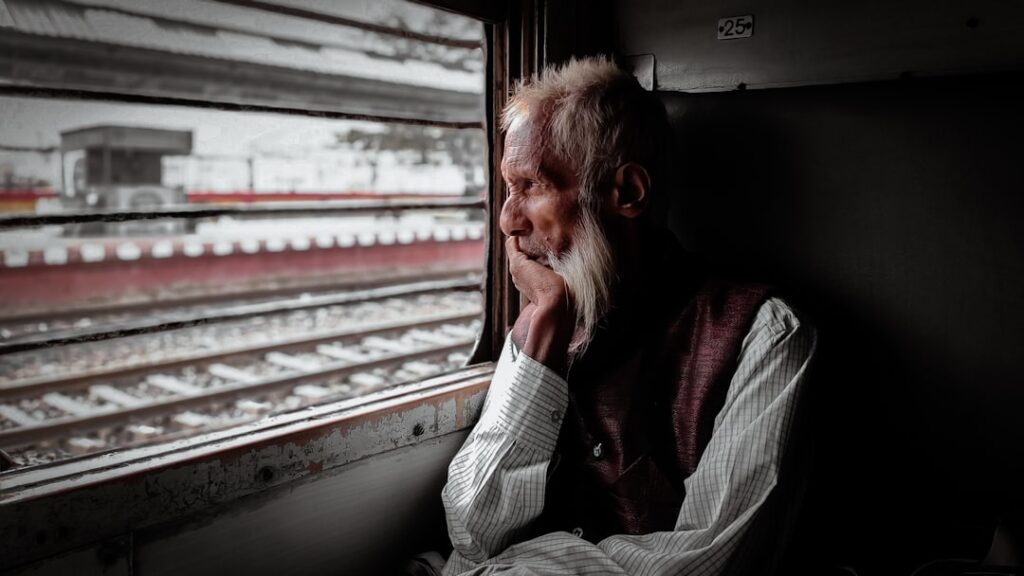
“The Great Railway Bazaar,” published in 1975, is a seminal work in the genre of travel literature, capturing the essence of train travel across Asia. Paul Theroux, the author, embarks on an ambitious journey that spans over 40,000 miles, traversing a multitude of countries and cultures. The book is not merely a travelogue; it is a rich tapestry woven with the threads of personal experience, cultural encounters, and the unique character of the landscapes traversed.
Theroux’s narrative is infused with a sense of adventure and discovery, as he navigates the complexities of the regions he visits, from the bustling streets of India to the serene landscapes of Japan. The title itself evokes a sense of grandeur and nostalgia for the golden age of rail travel. Theroux’s journey begins in London, where he boards the Orient Express, setting the stage for an exploration that will take him through some of the most fascinating and diverse cultures in the world.
The book is structured around his experiences on various trains, each serving as a microcosm of the larger societies they traverse. As he moves from one destination to another, Theroux reflects on the changing landscapes and the people he encounters, offering readers a vivid portrayal of life along the railway lines.
Key Takeaways
- The Great Railway Bazaar is a travelogue written by Paul Theroux, documenting his journey through Asia by train.
- Paul Theroux is an acclaimed travel writer known for his immersive and insightful writing style.
- The journey in The Great Railway Bazaar provides a unique perspective on the diverse cultures and landscapes of Asia.
- The book offers cultural insights and observations, shedding light on the people and places along the railway routes.
- The impact of The Great Railway Bazaar is evident in its influence on travel literature and its enduring popularity among readers.
The Author: Paul Theroux
Early Life and Influences
Theroux’s background as a teacher and his experiences living abroad have profoundly influenced his writing style. He spent several years teaching English in Africa and later traveled extensively throughout Asia and South America. This diverse exposure allows him to approach his subjects with both empathy and critical insight.
A Masterful Storyteller
In “The Great Railway Bazaar,” Theroux’s voice is both candid and reflective; he does not shy away from expressing his frustrations or disappointments during his travels, which adds an authentic layer to his narrative. His ability to articulate the nuances of human experience makes him a compelling storyteller, drawing readers into the heart of each journey.
A Legacy of Engaging Storytelling
Theroux’s writing is a testament to his skill in crafting engaging narratives that transport readers to new and unfamiliar worlds. His unique blend of curiosity, empathy, and critical insight has established him as a prominent figure in contemporary literature.
The Journey: Exploring Asia by Train

The journey that unfolds in “The Great Railway Bazaar” is as much about the physical act of traveling by train as it is about the emotional and intellectual exploration that accompanies it. Theroux’s route takes him through a variety of countries, including India, Pakistan, Iran, and Japan, each presenting its own unique challenges and rewards. The trains themselves become characters in their own right, with their distinct atmospheres and the diverse passengers who share these journeys.
One of the most striking aspects of Theroux’s travels is his ability to capture the sensory experiences associated with train travel. He describes the sights, sounds, and smells that permeate each journey, from the clattering of wheels on tracks to the aroma of street food wafting through train windows. These vivid descriptions transport readers into the heart of each train car, allowing them to experience the journey alongside him.
For instance, his time on the Indian Railways is marked by chaotic scenes filled with vendors selling everything from chai to samosas, creating a vibrant tableau that reflects the country’s rich culture. As Theroux moves from one destination to another, he encounters a wide array of people—fellow travelers, locals, and railway workers—each contributing to his understanding of the regions he traverses. His interactions often reveal deeper insights into societal norms and values, as well as the challenges faced by individuals in different contexts.
For example, during his time in India, he grapples with issues such as poverty and social stratification while also celebrating the resilience and warmth of its people. This duality enriches his narrative, making it not just a travelogue but also a commentary on human experience.
Cultural Insights and Observations
Throughout “The Great Railway Bazaar,” Theroux offers profound cultural insights that stem from his observations during his travels. His keen eye for detail allows him to dissect various aspects of life in the countries he visits. In India, for instance, he explores the complexities of caste systems and religious diversity while also highlighting the vibrancy of festivals and communal gatherings.
His reflections on these cultural phenomena provide readers with a nuanced understanding of Indian society beyond mere stereotypes. Theroux’s encounters with local customs often lead to moments of introspection. He reflects on how travel can serve as a mirror for one’s own beliefs and biases.
For example, while navigating through Pakistan, he confronts his preconceived notions about safety and hospitality. The warmth extended by locals challenges his initial apprehensions, prompting him to reconsider his views on cultural differences. This theme of challenging assumptions recurs throughout his journey, emphasizing how travel can be an enlightening experience that fosters empathy and understanding.
Moreover, Theroux’s observations extend beyond individual interactions; he also comments on broader societal issues such as economic disparity and political unrest.
The Impact of The Great Railway Bazaar
“The Great Railway Bazaar” has had a lasting impact on both readers and the travel literature genre as a whole. Upon its release, it resonated with audiences who were eager for authentic accounts of travel that went beyond mere tourism. Theroux’s candid writing style and willingness to confront uncomfortable truths about the places he visited set a new standard for travel writing.
His work inspired countless aspiring writers to embark on their own journeys and share their experiences with honesty and depth. The book also contributed to a renewed interest in train travel as a means of exploration. In an era dominated by air travel, Theroux’s vivid descriptions of train journeys rekindled appreciation for the slower pace and immersive nature of rail travel.
Readers were drawn to the idea that trains could serve as conduits for cultural exchange and personal reflection. This shift in perspective has influenced subsequent generations of travelers who seek meaningful experiences over mere sightseeing. Furthermore, “The Great Railway Bazaar” has been instrumental in shaping public perceptions of Asia during a time when Western narratives often oversimplified or misrepresented these cultures.
By providing nuanced portrayals of diverse societies, Theroux challenged stereotypes and encouraged readers to engage with Asia on its own terms. His work has paved the way for other writers to explore similar themes, fostering a richer dialogue about global interconnectedness.
Criticisms and Controversies

Questioning the Author’s Perspective
Some critics argue that Theroux’s perspective can be overly cynical or dismissive at times. His candid observations about poverty or social issues may come across as harsh or lacking in sensitivity to local contexts. Critics have pointed out instances where his tone may alienate readers who are seeking a more celebratory view of cultures rather than one that highlights their struggles.
Challenging the Author’s Authenticity
Additionally, some have questioned his authenticity as a traveler. There are claims that his privileged background may color his perceptions and experiences in ways that do not fully represent those of everyday travelers or locals. This critique raises important questions about representation in travel writing—who gets to tell these stories and whose voices are marginalized?
The Legacy of The Great Railway Bazaar
The legacy of “The Great Railway Bazaar” extends far beyond its initial publication; it has become a touchstone for both readers and writers interested in travel literature. Its influence can be seen in contemporary works that prioritize authenticity and depth over superficial exploration. Many modern travel writers cite Theroux as an inspiration for their own journeys, seeking to emulate his ability to weave personal narrative with broader cultural commentary.
In addition to inspiring writers, “The Great Railway Bazaar” has also left an indelible mark on popular culture’s perception of train travel. The book has contributed to a romanticized view of rail journeys as opportunities for adventure and self-discovery. This legacy is evident in various forms of media—from documentaries exploring train routes around the world to novels that feature trains as central elements in their plots.
Furthermore, Theroux’s work has sparked discussions about the role of travel in fostering cross-cultural understanding. In an increasingly globalized world marked by division and misunderstanding, “The Great Railway Bazaar” serves as a reminder of the power of personal connection through shared experiences. It encourages readers to embrace curiosity about different cultures while remaining mindful of their own biases—a lesson that remains relevant today.
Recommended Reading for Train Travel Enthusiasts
For those captivated by “The Great Railway Bazaar” and eager to explore more literature centered around train travel, there are several noteworthy titles worth considering. One such book is “A Train in Winter” by Caroline Moorehead, which chronicles the harrowing journey of women resistance fighters during World War II who were transported by train to concentration camps. This poignant narrative highlights both the brutality of war and the resilience of human spirit.
Another compelling read is “The Old Patagonian Express” also by Paul Theroux himself. In this follow-up journey through South America, Theroux continues to explore themes of culture and identity while navigating diverse landscapes aboard trains that connect remote regions. His reflections on life along these routes offer readers further insight into his unique perspective on travel.
For those interested in fiction that incorporates trains as central motifs, “Murder on the Orient Express” by Agatha Christie remains an iconic classic that combines mystery with the allure of rail travel. Christie’s masterful storytelling transports readers into a world where intrigue unfolds within the confines of a luxurious train carriage. Lastly, “Train Dreams” by Denis Johnson presents a lyrical exploration of life in early 20th-century America through the eyes of a railroad worker.
This novella captures both the beauty and hardship associated with train travel while delving into themes of loss and memory. These recommended readings not only complement Theroux’s work but also expand upon the rich tapestry of narratives surrounding train journeys—each offering unique perspectives on culture, history, and human connection through the lens of rail travel.
If you enjoyed reading The Great Railway Bazaar by Paul Theroux, you may also be interested in checking out this article on hellread.com that discusses the impact of travel literature on our understanding of different cultures and societies. This article delves into how travel writing can provide unique insights into the world around us, much like Theroux’s exploration of the exotic landscapes and diverse people he encounters on his train journey.
FAQs
What is The Great Railway Bazaar by Paul Theroux?
The Great Railway Bazaar is a travelogue written by Paul Theroux, first published in 1975. It recounts Theroux’s journey by train from London through Europe, the Middle East, the Indian subcontinent, and Southeast Asia, before returning via the Trans-Siberian Railway.
What is the main theme of The Great Railway Bazaar?
The main theme of The Great Railway Bazaar is the exploration of different cultures and landscapes through train travel. Theroux provides vivid descriptions of the people he meets and the places he visits, offering insights into the social and political dynamics of the regions he traverses.
What is the significance of The Great Railway Bazaar?
The Great Railway Bazaar is considered a classic in the travel literature genre. It has been praised for its evocative writing, keen observations, and the way it captures the essence of train travel as a means of experiencing the world.
How did The Great Railway Bazaar influence travel writing?
The Great Railway Bazaar is credited with revitalizing the travel writing genre by introducing a more personal and introspective style. Theroux’s candid reflections and interactions with locals set a new standard for travel narratives, inspiring subsequent writers to adopt a similar approach.
What is Paul Theroux’s writing style in The Great Railway Bazaar?
In The Great Railway Bazaar, Paul Theroux employs a descriptive and introspective writing style, offering a blend of travelogue, memoir, and social commentary. His narrative is characterized by keen observations, wry humor, and a deep curiosity about the world.




