
Elon Musk was born on June 28, 1971, in Pretoria, South Africa. He is the son of a Canadian mother, Maye Musk, a model and dietitian, and a South African father, Errol Musk, an electromechanical engineer. Growing up in a diverse environment, Musk exhibited an early interest in technology and entrepreneurship. By the age of 12, he had already created and sold a video game called Blastar, showcasing his knack for programming and business. His childhood was marked by a voracious appetite for reading, particularly in science fiction and technology, which would later influence his vision for the future.
Musk’s educational journey began at Queen’s University in Kingston, Ontario, where he studied for two years before transferring to the University of Pennsylvania. There, he earned dual degrees in physics and economics. His time at Penn was pivotal; it not only solidified his interest in technology but also provided him with a strong foundation in business principles. After completing his studies, Musk briefly attended Stanford University for a Ph.
D.
in applied physics but left after just two days to pursue entrepreneurial ventures in Silicon Valley.
In exploring the innovative mind of Elon Musk, one can delve into Ashlee Vance’s insightful article that captures the essence of Musk’s entrepreneurial spirit and vision for the future. Vance’s writing not only highlights Musk’s achievements but also provides a deeper understanding of the challenges he faces in his various ventures. For more information, you can read the article here: Elon Musk by Ashlee Vance.
Key Takeaways
- Elon Musk’s early education laid the foundation for his innovative career.
- He founded multiple companies, including SpaceX, Tesla, and SolarCity, driving advancements in space, electric vehicles, and renewable energy.
- SpaceX aims to colonize Mars, pushing the boundaries of space exploration.
- Tesla revolutionized the automotive industry with electric cars, promoting sustainable transportation.
- Musk’s ventures like Neuralink and The Boring Company focus on futuristic technologies and infrastructure improvements.
Career and Entrepreneurship
Musk’s career began in the tech industry during the dot-com boom of the late 1990s. In 1995, he co-founded Zip2, a software company that provided business directories and maps for newspapers. The venture gained traction quickly, and in 1999, Compaq acquired Zip2 for approximately $307 million. This sale marked Musk’s first significant financial success and provided him with the capital to explore further entrepreneurial opportunities.
Following the sale of Zip2, Musk founded
SpaceX and the Race to Mars
In 2002, Musk founded Space Exploration Technologies Corp., better known as SpaceX, with the goal of reducing space transportation costs and enabling the colonization of Mars. His vision was ambitious: to make space travel more accessible and eventually establish a human settlement on Mars. SpaceX faced numerous challenges in its early years, including technical failures and financial difficulties. However, Musk’s determination and innovative approach led to significant breakthroughs.
One of SpaceX’s notable achievements was the development of the Falcon 1 rocket, which became the first privately developed liquid-fueled rocket to reach orbit in 2008. This success was followed by the Falcon 9 rocket and the Dragon spacecraft, which have been instrumental in resupplying the International Space Station (ISS) and launching commercial satellites. SpaceX’s advancements have not only revolutionized space travel but have also sparked renewed interest in space exploration globally. Musk’s long-term vision remains focused on making life multi-planetary, with Mars as a primary target for human colonization.
Tesla and the Electric Car Revolution

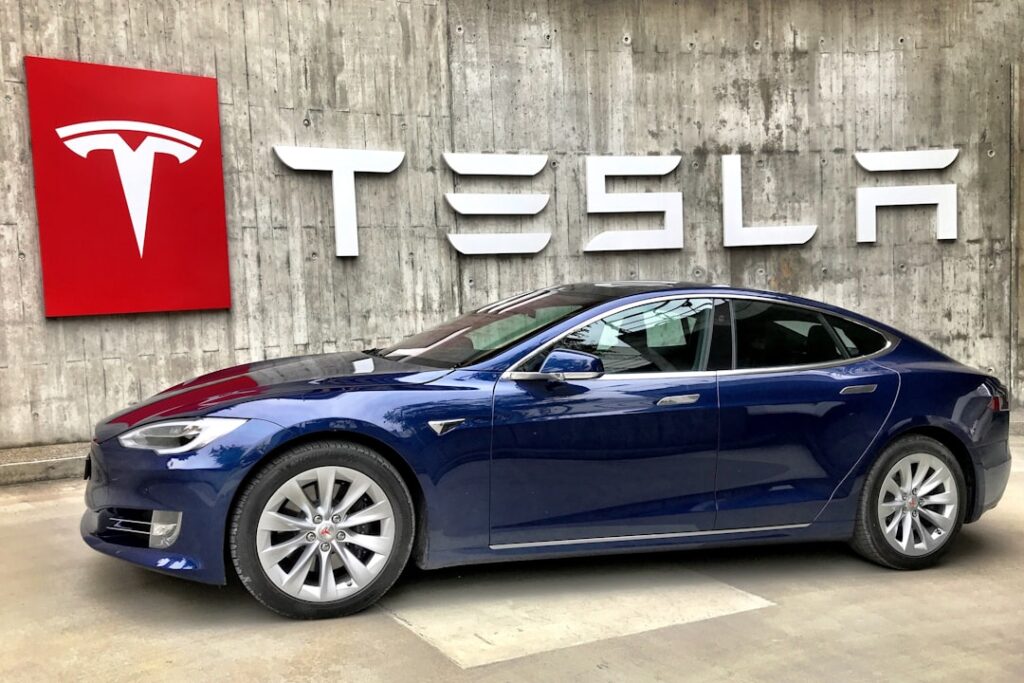
In 2004, Musk joined Tesla Motors (now Tesla, Inc.) as chairman of the board and later became its CEO and product architect. Tesla’s mission is to accelerate the world’s transition to sustainable energy through electric vehicles (EVs) and renewable energy products. Under Musk’s leadership, Tesla has transformed the automotive industry by proving that electric cars can be both high-performance and desirable.
The launch of the Tesla Roadster in 2008 marked a significant milestone for the company, demonstrating that electric vehicles could compete with traditional gasoline-powered cars in terms of speed and efficiency. Subsequent models, such as the Model S, Model X, Model 3, and Model Y, have further solidified Tesla’s position as a leader in the EV market. The company’s focus on innovation extends beyond vehicles; it has also invested heavily in battery technology and charging infrastructure to support widespread adoption of electric vehicles.
In exploring the innovative mind of Elon Musk, one can gain deeper insights by reading Ashlee Vance’s article, which delves into Musk’s entrepreneurial journey and his impact on technology and space exploration.
This compelling piece highlights not only his successes but also the challenges he has faced along the way.
For a more comprehensive understanding of Musk’s vision and ambitions, you can check out the article here.
SolarCity and Renewable Energy
| Metric | Details |
|---|---|
| Author | Ashlee Vance |
| Book Title | Elon Musk: Tesla, SpaceX, and the Quest for a Fantastic Future |
| Publication Year | 2015 |
| Pages | 400 (approx.) |
| Publisher | Harper Collins |
| Genre | Biography / Business |
| Key Topics | Elon Musk’s life, Tesla, SpaceX, SolarCity, entrepreneurship, innovation |
| Notable Achievements Covered | Founding of PayPal, Tesla Motors, SpaceX, SolarCity, Hyperloop concept |
| Critical Reception | Positive reviews for detailed research and insight into Musk’s personality |
In addition to his work with Tesla, Musk co-founded SolarCity in 2006 with his cousins Lyndon and Peter Rive. The company aimed to provide affordable solar energy solutions to homeowners and businesses. SolarCity quickly became one of the largest solar energy providers in the United States, promoting the use of renewable energy as a viable alternative to fossil fuels.
Musk’s vision for SolarCity aligned with his broader commitment to sustainability and reducing carbon emissions. The company offered innovative financing options that made solar installations more accessible to consumers. In 2016, Tesla acquired SolarCity for approximately $2 billion, integrating solar energy solutions into its product offerings. This acquisition allowed Tesla to create a comprehensive ecosystem of sustainable energy products, including solar panels, solar roofs, and energy storage solutions through its Powerwall battery system.
The Boring Company and Infrastructure Innovation
In 2016, Musk founded The Boring Company with the aim of addressing urban transportation challenges through innovative tunneling technology. Frustrated by traffic congestion in major cities, he proposed building underground transportation systems that could alleviate surface-level congestion. The company’s approach involves using advanced tunneling techniques to create efficient transit routes.
The Boring Company’s flagship project is the Las Vegas Convention Center Loop, which features underground tunnels designed to transport passengers quickly between different areas of the convention center. This project serves as a proof of concept for Musk’s vision of creating extensive underground transportation networks in urban areas. By reducing reliance on traditional roadways, The Boring Company aims to enhance urban mobility while minimizing environmental impact.
Neuralink and the Future of Brain-Computer Interfaces
In 2016, Musk co-founded Neuralink with the goal of developing advanced brain-computer interface technology. The company’s mission is to create devices that can be implanted in the human brain to facilitate direct communication between humans and computers. This technology has potential applications in treating neurological disorders and enhancing cognitive abilities.
Neuralink’s research focuses on developing ultra-thin threads that can be implanted into brain tissue with minimal invasiveness. The long-term vision includes enabling individuals to control devices using their thoughts and potentially addressing conditions such as paralysis or memory loss. While still in its early stages, Neuralink represents Musk’s commitment to pushing the boundaries of technology and exploring new frontiers in human-computer interaction.
Personal Life and Controversies
Musk’s personal life has garnered significant media attention over the years. He has been married three times—twice to Talulah Riley—and has several children from different relationships. His high-profile relationships and public persona often attract scrutiny from both fans and critics alike.
Musk has also faced controversies related to his public statements and behavior on social media platforms like Twitter. His tweets have occasionally led to legal challenges and regulatory scrutiny, particularly regarding statements about Tesla’s stock price or company operations. Despite these controversies, Musk remains a prominent figure in technology and business, continuing to influence various industries through his innovative ventures and ambitious goals for the future.
In summary, Elon Musk’s journey from a curious child in South Africa to a leading entrepreneur in multiple industries illustrates his relentless pursuit of innovation. His work with SpaceX, Tesla, SolarCity, The Boring Company, and Neuralink reflects a commitment to addressing some of humanity’s most pressing challenges while pushing the boundaries of technology. Despite facing personal controversies and challenges along the way, Musk’s impact on technology and society is undeniable as he continues to shape the future through his various ventures.
FAQs
Who is Elon Musk?
Elon Musk is a billionaire entrepreneur, engineer, and inventor known for founding and leading several high-profile technology companies, including Tesla, SpaceX, Neuralink, and The Boring Company.
What is the book “Elon Musk” by Ashlee Vance about?
The book “Elon Musk” by Ashlee Vance is a biography that explores the life, career, and achievements of Elon Musk, detailing his journey from his early life in South Africa to becoming a leading figure in technology and innovation.
When was the book “Elon Musk” by Ashlee Vance published?
The biography “Elon Musk” by Ashlee Vance was published in 2015.
What are some key themes covered in Ashlee Vance’s biography of Elon Musk?
The biography covers themes such as entrepreneurship, innovation, technology development, Musk’s work ethic, his vision for the future, and the challenges he faced in building companies like Tesla and SpaceX.
Why is Elon Musk considered an influential figure in technology?
Elon Musk is considered influential because of his role in advancing electric vehicles, space exploration, renewable energy, and brain-computer interfaces, significantly impacting multiple industries and pushing the boundaries of technology.




