

“Born Free” tells the remarkable story of Elsa, a lioness raised by Joy Adamson and her husband, George, in the wilds of East Africa. The narrative begins with the couple’s efforts to rehabilitate Elsa after she was orphaned as a cub. The Adamsons took her in, providing care and companionship, which allowed her to grow and develop in a semi-wild environment. The book chronicles their experiences, highlighting the bond that formed between them and the lioness. As Elsa matured, the Adamsons faced the challenge of preparing her for life in the wild, a task that required both patience and understanding of her natural instincts.
The story unfolds against the backdrop of the African savannah, where the beauty of the landscape contrasts with the challenges of wildlife conservation. Joy Adamson’s narrative captures not only the adventures and trials of raising a lioness but also the broader themes of freedom and coexistence between humans and wildlife. As Elsa learns to hunt and interact with other animals, the Adamsons grapple with the emotional complexities of letting her go. The book ultimately serves as a poignant reminder of the delicate balance between nurturing wildlife and allowing them to thrive in their natural habitats.
In exploring the themes of wildlife conservation and the bond between humans and animals, a related article that delves into similar narratives is available at this link: Hello World. This article complements Joy Adamson’s “Born Free: A Lioness of Two Worlds” by highlighting the importance of understanding and preserving the natural habitats of wild animals, echoing Adamson’s dedication to the welfare of her beloved lioness, Elsa.
Key Takeaways
- Born Free tells the true story of Elsa, a lioness raised by Joy Adamson and released into the wild.
- Joy Adamson’s dedication and writing brought global attention to wildlife conservation.
- The book and film significantly influenced public attitudes toward animal rights and conservation efforts.
- Elsa’s life highlighted both the challenges and possibilities of reintroducing captive animals to their natural habitats.
- Born Free sparked ongoing debates about the ethics of releasing captive lions and the broader treatment of wild animals.
Joy Adamson: The Woman Behind the Book
Joy Adamson was an accomplished artist, author, and conservationist whose life experiences shaped her perspective on wildlife. Born in Austria in 1910, she moved to Kenya with her husband in the 1930s, where they established a life dedicated to studying and protecting the region’s wildlife. Her artistic talents were evident in her detailed illustrations of flora and fauna, which complemented her writing. Joy’s passion for nature and animals became a driving force behind her work, leading her to document her experiences with Elsa in “Born Free.”
Adamson’s commitment to conservation extended beyond her relationship with Elsa. She became an advocate for wildlife protection in Kenya, emphasizing the importance of preserving natural habitats. Her writings often reflected her belief that humans could coexist harmoniously with wildlife if they understood and respected their needs. Joy’s dedication to these principles not only influenced her own life but also inspired countless others to engage in conservation efforts. Through “Born Free,” she shared her vision of a world where humans and animals could thrive together, leaving a lasting impact on readers and conservationists alike.
The Impact of Born Free on Wildlife Conservation
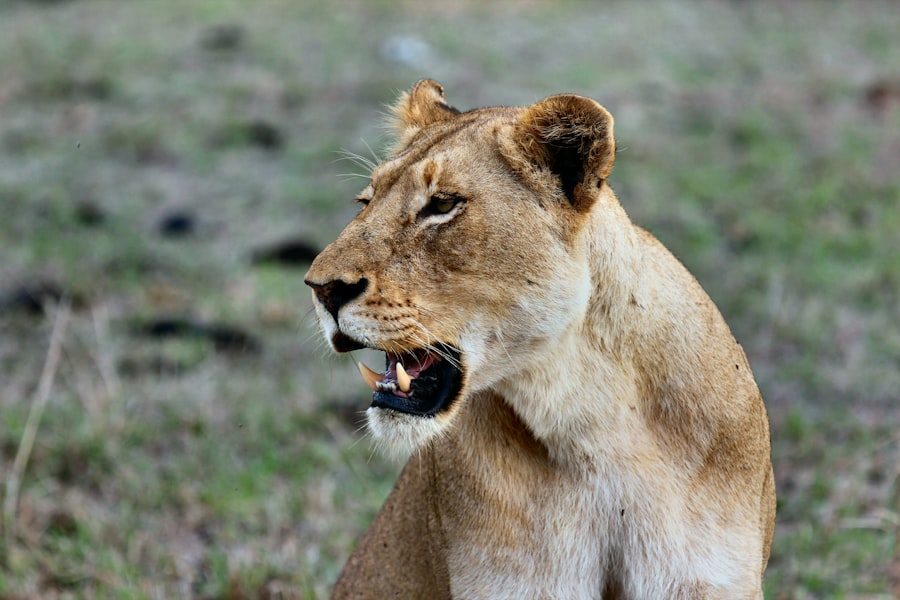
“Born Free” played a significant role in raising awareness about wildlife conservation issues during its time of publication in 1960. The book’s portrayal of Elsa’s journey from captivity to freedom resonated with audiences around the world, sparking interest in the plight of wild animals and their habitats. Joy Adamson’s narrative highlighted the importance of understanding animal behavior and the need for responsible stewardship of natural resources. As readers connected with Elsa’s story, many began to advocate for wildlife protection and conservation initiatives.
The book’s influence extended beyond literature; it inspired a movement that encouraged individuals to take action for wildlife conservation. Organizations dedicated to protecting endangered species and their habitats gained momentum as more people became aware of the challenges facing wildlife. “Born Free” also contributed to discussions about ethical treatment of animals in captivity, prompting a reevaluation of practices in zoos and wildlife parks. The legacy of Joy Adamson’s work continues to inspire conservationists today, as they strive to protect vulnerable species and promote sustainable practices.
The Life and Legacy of Elsa the Lioness
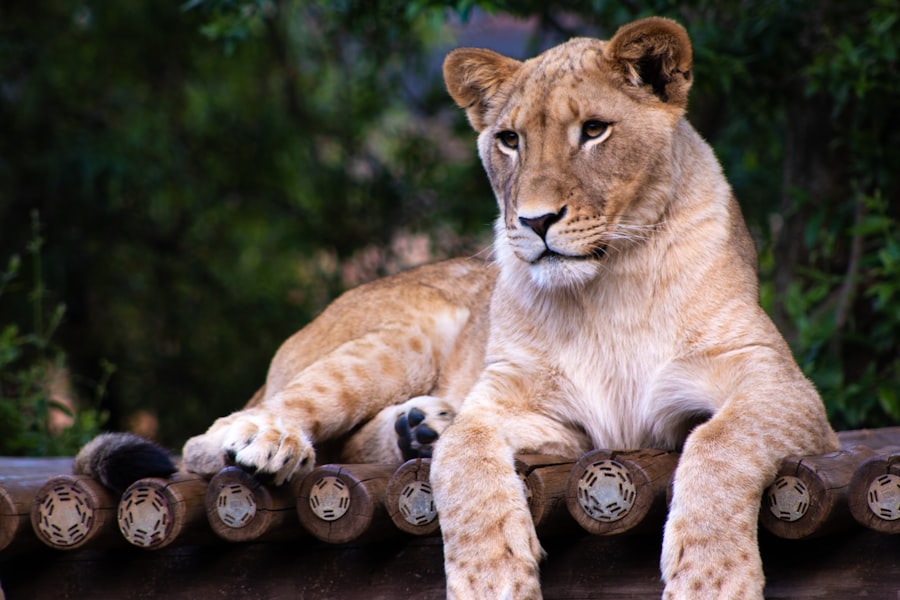
Elsa’s life was marked by both triumphs and challenges as she transitioned from a domesticated cub to a wild lioness. After being raised by the Adamsons, she was eventually released into the wild, where she faced the realities of survival. Her journey was not without difficulties; she had to learn how to hunt and navigate the complexities of lion social structures. Despite these challenges, Elsa adapted remarkably well, demonstrating resilience and intelligence that captivated those who followed her story.
The legacy of Elsa extends beyond her individual experiences; she became a symbol of wildlife conservation efforts worldwide. Her story inspired numerous documentaries, books, and films that sought to capture the essence of her journey. Elsa’s life also served as a catalyst for discussions about the ethical implications of raising wild animals in captivity.
Her successful reintegration into the wild illustrated that with proper care and understanding, it is possible for captive animals to reclaim their place in nature.
Today, Elsa is remembered not only as a beloved lioness but also as an emblem of hope for wildlife conservation.
In “Born Free: A Lioness of Two Worlds,” Joy Adamson beautifully captures the bond between humans and wildlife, particularly through her experiences with Elsa the lioness. For readers interested in exploring similar themes of animal conservation and the intricate relationships between species, the article on wildlife preservation found at this link offers valuable insights and stories that resonate with Adamson’s work.
The Challenges of Raising a Lioness in the Wild
Raising a lioness like Elsa presented numerous challenges for Joy Adamson and her husband George. One significant hurdle was ensuring that Elsa retained her natural instincts while being nurtured in a human environment. The Adamsons had to strike a delicate balance between providing care and allowing Elsa to develop skills necessary for survival in the wild. This involved gradually introducing her to hunting techniques and social interactions with other animals.
Another challenge was managing Elsa’s integration into the wild after her release. The Adamsons faced uncertainty about how she would adapt to life without human support. They conducted extensive observations to monitor her behavior and interactions with other lions. This process required patience and dedication, as they had to trust that their efforts would lead to a successful transition for Elsa. Ultimately, their commitment paid off, as she thrived in her new environment, showcasing both the potential for rehabilitation and the complexities involved in such endeavors.
The Success of Born Free as a Book and Film
“Born Free” achieved remarkable success as both a book and a film, capturing the hearts of audiences around the globe. The book quickly became a bestseller upon its release, resonating with readers due to its heartfelt narrative and compelling themes. Joy Adamson’s writing style combined vivid descriptions with emotional depth, allowing readers to connect with both Elsa and the broader issues surrounding wildlife conservation.
The film adaptation released in 1966 further amplified the story’s reach, bringing Elsa’s journey to life on screen. Starring Virginia McKenna and Bill Travers as Joy and George Adamson, the film showcased stunning cinematography that highlighted Africa’s landscapes and wildlife. Its success at the box office helped raise awareness about conservation issues while solidifying “Born Free” as a cultural touchstone. Both the book and film continue to be celebrated for their contributions to wildlife advocacy, inspiring new generations to engage with nature and support conservation efforts.
The Controversy Surrounding the Release of Captive Lions
While “Born Free” is often celebrated for its positive message about wildlife conservation, it also sparked controversy regarding the ethics of releasing captive animals into the wild. Critics raised concerns about whether such actions could truly benefit individual animals or if they posed risks to existing ecosystems. Questions arose about whether captive-bred lions could adapt successfully to life in the wild or if they would struggle due to lack of experience.
The debate surrounding captive animal release remains relevant today as conservationists grapple with complex ethical dilemmas. Some argue that releasing animals like Elsa can promote awareness about conservation issues while providing opportunities for rehabilitation. Others caution against potential negative impacts on local wildlife populations or ecosystems if released animals do not integrate successfully. This ongoing discourse highlights the need for careful consideration when making decisions about animal welfare and conservation strategies.
Born Free’s Enduring Influence on Animal Rights and Welfare
“Born Free” has had a lasting impact on animal rights and welfare movements since its publication. The book’s portrayal of Elsa’s journey has inspired countless individuals to advocate for ethical treatment of animals, emphasizing the importance of respecting their natural behaviors and habitats. Joy Adamson’s work has encouraged people to consider the implications of captivity and promote alternatives that prioritize animal welfare.
The themes explored in “Born Free” continue to resonate today as society grapples with issues related to wildlife conservation, habitat destruction, and ethical treatment of animals. Organizations dedicated to animal rights often reference Joy Adamson’s legacy as they work towards creating a more compassionate world for all living beings. The enduring influence of “Born Free” serves as a reminder that stories can inspire change, fostering greater awareness about our responsibilities toward wildlife and encouraging action for their protection.
FAQs
What is “Born Free: A Lioness of Two Worlds” about?
“Born Free: A Lioness of Two Worlds” is a book by Joy Adamson that tells the true story of Elsa, a lioness raised by the author and her husband in Kenya. The book details Elsa’s upbringing, her release into the wild, and her adaptation to life in her natural habitat.
Who is Joy Adamson?
Joy Adamson was a naturalist and author known for her work with wildlife in Kenya. She gained international fame for raising Elsa the lioness and advocating for wildlife conservation through her books and films.
When was “Born Free: A Lioness of Two Worlds” published?
The book was originally published in 1960. It followed the success of Joy Adamson’s earlier book, “Born Free,” which also focused on Elsa’s story.
What impact did the book have on wildlife conservation?
“Born Free: A Lioness of Two Worlds” helped raise awareness about the importance of wildlife conservation and the challenges of reintroducing captive animals into the wild. It inspired many readers to support animal protection efforts and contributed to changing attitudes toward wildlife.
Is “Born Free: A Lioness of Two Worlds” part of a series?
Yes, the book is part of a series by Joy Adamson that chronicles the life of Elsa the lioness. It serves as a sequel to the original “Born Free” book and continues to explore Elsa’s life and the Adamsons’ conservation work.




