
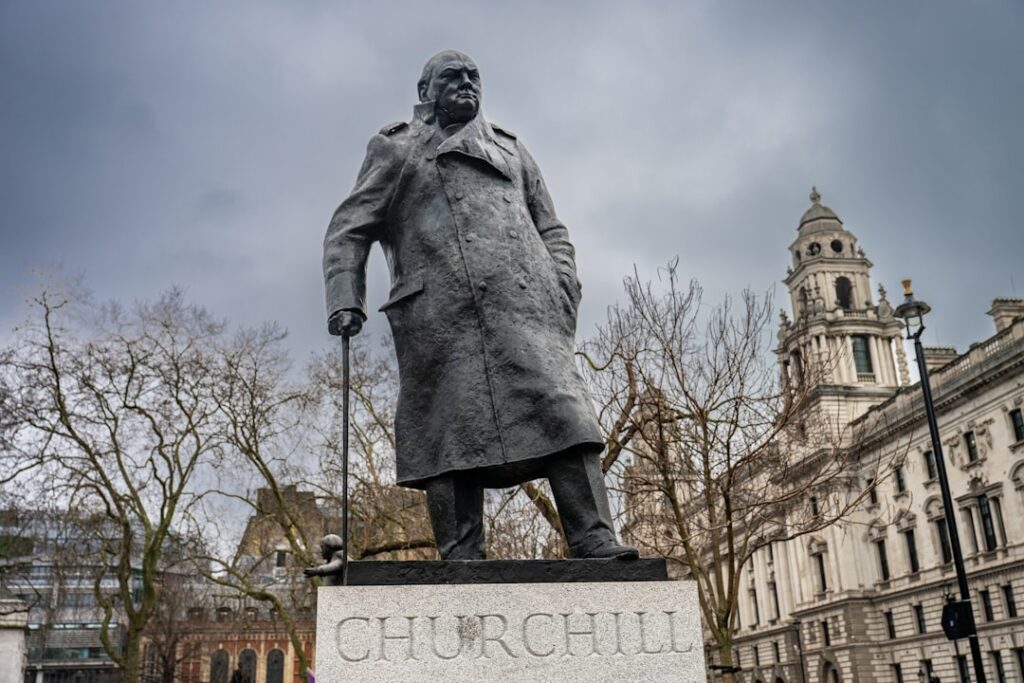
Winston Leonard Spencer Churchill was born on November 30, 1874, into an aristocratic family in Oxfordshire, England. His father, Lord Randolph Churchill, was a prominent Conservative politician, while his mother, Jennie Jerome, was an American socialite. This lineage provided Churchill with a unique perspective on both British and American cultures from an early age. His childhood was marked by a series of relocations and changes in schooling, as he struggled to find a suitable educational environment. He attended several schools, including the prestigious Harrow School, where he exhibited a keen interest in history and literature but did not excel academically.
Churchill’s early education was characterized by a lack of discipline and frequent disciplinary issues. He was often at odds with his teachers and struggled with subjects that did not capture his interest. However, his passion for history and military strategy began to take shape during this time. After Harrow, he enrolled at the Royal Military Academy Sandhurst, where he finally found a sense of purpose. His time at Sandhurst was transformative; he graduated eighth in his class and was commissioned as a second lieutenant in the Fourth Queen’s Own Hussars in 1895. This military training laid the groundwork for his future endeavors in both military and political spheres.
In exploring the profound impact of Winston Churchill on modern history, readers may find it enriching to delve into a related article that discusses his leadership during World War II. This article provides additional insights into Churchill’s strategies and decisions that shaped the course of the conflict. For those interested in a deeper understanding of Churchill’s legacy, you can read more about it in this article: here.
Key Takeaways
- Churchill’s early education and military background shaped his leadership style.
- He played a significant role in World War I and faced political exile before returning to power.
- As Prime Minister during World War II, Churchill was pivotal in leading Britain to victory.
- His relationships with other world leaders influenced wartime strategies and post-war policies.
- Beyond politics, Churchill was a prolific writer and artist, leaving a lasting legacy on history.
Military Career and Early Political Career
Churchill’s military career began in earnest when he served in Cuba during the Spanish-American War as a war correspondent. His experiences on the battlefield provided him with firsthand knowledge of military operations and strategy, which would later inform his political decisions. After returning to England, he transitioned into politics, winning a seat in Parliament as a Conservative in 1900. However, his political alignment shifted over the years; he joined the Liberal Party in 1904, reflecting his evolving views on social reform and government intervention.
During his early political career, Churchill held various positions, including Under-Secretary of State for the Colonies and First Lord of the Admiralty. His tenure at the Admiralty was marked by significant reforms aimed at modernizing the British Navy. He advocated for the development of new naval technologies and strategies, emphasizing the importance of maintaining naval superiority. Despite facing criticism for some of his decisions, such as the ill-fated Dardanelles Campaign during World War I, Churchill’s early political career established him as a prominent figure within British politics.
Churchill’s Role in World War I

World War I marked a pivotal moment in Churchill’s career, as he took on the role of First Lord of the Admiralty at the onset of the conflict. He was instrumental in advocating for innovative naval strategies, including the use of submarines and aircraft carriers. However, his most controversial decision came with the planning of the Dardanelles Campaign in 1915, which aimed to secure a sea route to Russia through the Ottoman Empire. The campaign ultimately ended in failure, leading to significant losses for British forces and damaging Churchill’s reputation.
Following the Dardanelles debacle, Churchill resigned from his position at the Admiralty and took on a more active role on the front lines by serving with the Royal Scots Fusiliers. This decision reflected his desire to distance himself from the political fallout of the campaign and regain credibility. His experiences in combat further shaped his understanding of military strategy and leadership under pressure. Despite the setbacks during World War I, Churchill’s involvement in the conflict solidified his reputation as a determined leader willing to take risks for what he believed was right.
Political Exile and Return to Power
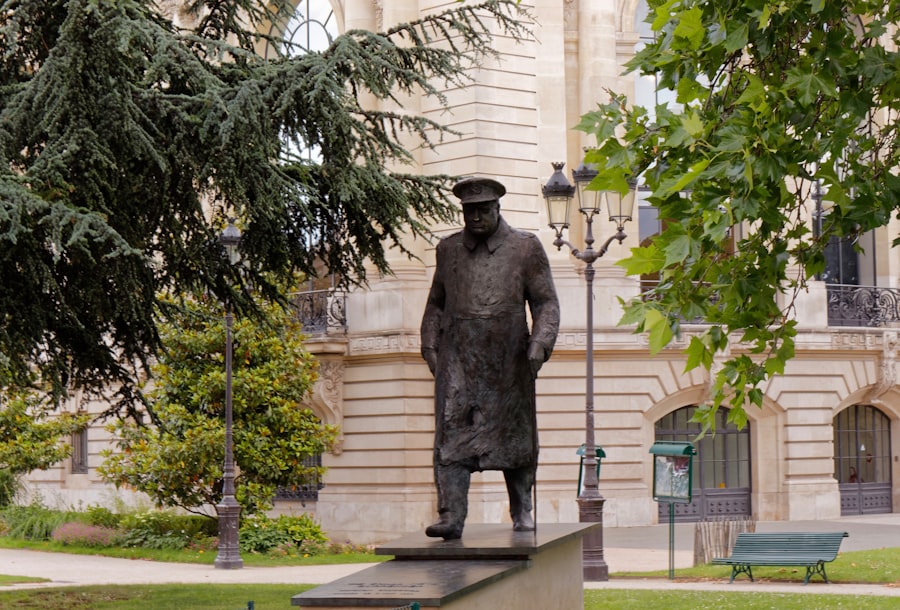
After World War I, Churchill faced a period of political exile due to his declining popularity and controversial decisions during the war. He returned to the Conservative Party in 1924 but struggled to regain his former influence. During this time, he focused on writing and lecturing, producing several works that reflected on his experiences and views on politics and history. His writings during this period showcased his ability to articulate complex ideas clearly and persuasively.
Churchill’s return to power came in the 1930s as Europe faced the rising threat of fascism. He became increasingly vocal about the dangers posed by Adolf Hitler and Nazi Germany, warning against appeasement policies that many in Britain supported at the time. His foresight regarding the impending conflict helped him regain prominence within political circles. By 1940, as Britain faced the threat of invasion, Churchill was appointed Prime Minister, marking a significant turning point in his career.
In exploring the complexities of leadership during tumultuous times, readers may find it insightful to delve into a related article that discusses the impact of Churchill’s policies on modern governance. This piece complements William Manchester’s detailed portrayal of Churchill in “The Life of Winston Churchill,” shedding light on how historical decisions resonate in today’s political landscape. For a deeper understanding, you can read the article here.
Leadership During World War II
As Prime Minister during World War II, Churchill emerged as a symbol of British resilience and determination. His leadership style was characterized by unwavering resolve and an ability to inspire confidence among both military personnel and civilians. He delivered a series of powerful speeches that rallied the nation during its darkest hours, emphasizing themes of courage and perseverance. His famous address following the Dunkirk evacuation encapsulated this spirit: “We shall fight on the beaches… we shall never surrender.”
Churchill’s strategic decisions during the war were crucial in shaping Allied efforts against Axis powers. He forged strong relationships with key military leaders and worked closely with President Franklin D. Roosevelt to coordinate strategies that would ultimately lead to victory. His insistence on maintaining British sovereignty while collaborating with other nations demonstrated his commitment to both national interests and global cooperation. Despite facing numerous challenges, including military setbacks and domestic opposition, Churchill’s leadership during this period solidified his legacy as one of Britain’s most significant wartime leaders.
Relationship with Other World Leaders
Churchill’s relationships with other world leaders were instrumental in shaping wartime alliances and strategies. His partnership with U.S. President Franklin D. Roosevelt was particularly significant; they developed a close working relationship that transcended political differences. Their collaboration resulted in critical decisions regarding military operations and post-war planning. Churchill’s ability to communicate effectively with Roosevelt helped secure vital support for Britain during its struggle against Nazi Germany.
In addition to Roosevelt, Churchill interacted with other prominent leaders such as Soviet Premier Joseph Stalin. While their relationship was complex—marked by mutual distrust—Churchill recognized the necessity of cooperation with Stalin to defeat Hitler. The Tehran Conference in 1943 exemplified this collaboration, where Churchill, Roosevelt, and Stalin discussed military strategies and post-war Europe. These interactions underscored Churchill’s diplomatic acumen and willingness to engage with diverse political ideologies for a common cause.
Post-War Political Career
After World War II ended in 1945, Churchill faced a new political landscape marked by significant changes within Britain and abroad. The Labour Party won a decisive victory in the general election that year, leading to Churchill’s temporary ousting from power. Despite this setback, he remained an influential figure within British politics and continued to advocate for his vision of a united Europe as a bulwark against communism.
In 1951, Churchill returned to power as Prime Minister for a second term. His later years in office were characterized by efforts to address post-war challenges such as economic recovery and decolonization. He also focused on maintaining strong ties with the United States while navigating tensions with the Soviet Union during the Cold War era. Although his health began to decline during this period, Churchill remained an active participant in political discourse until his retirement from politics in 1955.
Churchill’s Literary and Artistic Pursuits
Beyond his political career, Churchill was an accomplished writer and artist. He published numerous books throughout his life, including historical works such as “The Second World War” and “A History of the English-Speaking Peoples.” His writing style combined vivid storytelling with insightful analysis, earning him accolades including the Nobel Prize in Literature in 1953. These literary contributions not only reflected his deep understanding of history but also showcased his ability to engage readers across generations.
In addition to writing, Churchill pursued painting as a form of relaxation and self-expression. He took up painting later in life and found solace in capturing landscapes and scenes from nature on canvas. His artistic endeavors provided an outlet for creativity amidst the pressures of political life. Many of his paintings have been exhibited posthumously, highlighting another dimension of his multifaceted personality.
Personal Life and Family
Churchill’s personal life was marked by both triumphs and challenges. He married Clementine Hozier in 1908, forming a partnership that would last until his death in 1965. Their relationship was characterized by mutual support; Clementine played an essential role in managing their family life while also providing counsel during Churchill’s political career. They had five children together: Diana, Randolph, Sarah, Marigold, and Mary.
Churchill’s family life was not without difficulties; he faced personal tragedies, including the death of his daughter Marigold at a young age. These experiences shaped his character and influenced his perspectives on life and leadership. Despite these challenges, Churchill maintained close ties with his family throughout his life, often seeking their company during times of stress or uncertainty.
Legacy and Impact on History
Winston Churchill’s legacy is complex and multifaceted; he is remembered as both a wartime leader who inspired resilience among Britons and a controversial figure whose policies sparked debate over imperialism and social issues. His speeches continue to resonate today as symbols of courage in adversity. The impact of his leadership during World War II is widely acknowledged; many historians credit him with galvanizing public support for the war effort at critical junctures.
Churchill’s influence extended beyond military matters; he played a significant role in shaping post-war Europe through advocacy for unity among Western nations against communism. His vision for a united Europe laid groundwork for future collaborations among European countries that would eventually lead to institutions like the European Union. As such, Churchill remains a pivotal figure whose actions continue to shape contemporary discussions about leadership, democracy, and international relations.
Manchester’s Perspective on Churchill’s Life
Historian William Manchester offered an insightful perspective on Winston Churchill’s life through his acclaimed biography “The Last Lion.” Manchester portrayed Churchill as a complex individual whose strengths were often accompanied by flaws; he emphasized both Churchill’s brilliance as a leader during wartime and his contentious decisions throughout his career. Manchester’s work highlighted how personal experiences shaped Churchill’s worldview—his aristocratic upbringing contrasted sharply with the democratic ideals he espoused later in life.
Manchester also examined how Churchill’s relationships influenced his political trajectory; he argued that Churchill’s ability to connect with others—whether allies or adversaries—was central to his success as a leader. By delving into both public achievements and private struggles, Manchester provided readers with a nuanced understanding of Churchill’s character that transcended simplistic portrayals of heroism or villainy. Through this lens, Manchester contributed significantly to ongoing discussions about Churchill’s legacy within historical scholarship.
In conclusion, Winston Churchill remains one of history’s most studied figures due to his multifaceted contributions across military service, politics, literature, and art. His life story reflects not only personal ambition but also broader themes related to leadership during times of crisis—a narrative that continues to resonate today.
FAQs
Who is the author of “The Life of Winston Churchill”?
The author of “The Life of Winston Churchill” is William Manchester.
What is the main focus of the book “The Life of Winston Churchill”?
The book focuses on the life, career, and legacy of Winston Churchill, covering his personal and political experiences.
Does the book cover Winston Churchill’s role during World War II?
Yes, the book extensively covers Winston Churchill’s leadership and decisions during World War II.
Is “The Life of Winston Churchill” a biography or an autobiography?
It is a biography written by William Manchester, not an autobiography.
When was “The Life of Winston Churchill” by William Manchester published?
The book was originally published in 1983.




