

A gendered society is structured around social norms and expectations that are organized by gender. These norms influence how individuals develop their identities, form relationships, and interact with others in both public and private contexts. From birth, people are categorized based on biological sex, which establishes patterns of socialization that persist throughout their lives.
Cultural messages about masculinity and femininity are reinforced through family, education, media, and institutions, shaping individual behaviors and self-perception. Examining gendered societies reveals significant systemic inequalities across multiple sectors. Research documents disparities in educational opportunities, workplace advancement, wages, and domestic responsibilities that correlate with gender.
These inequalities are maintained through institutional structures, legal frameworks, and cultural practices that reinforce traditional gender roles. Analyzing these systems helps explain how gender norms become embedded in social institutions and how they affect different groups. Understanding gender dynamics is essential for identifying and addressing structural inequalities.
By examining the mechanisms that sustain gender-based disparities, societies can develop more equitable policies and practices. This analysis reveals how gender intersects with other social categories such as race, class, and sexuality, creating varied experiences across populations.
Key Takeaways
- The Gendered Society explores how gender shapes social structures and individual experiences.
- Gender socialization plays a crucial role in reinforcing societal norms and expectations.
- Power dynamics and inequality are central to understanding gender relations.
- Intersectionality highlights the interconnectedness of gender with race, class, and other identities.
- Feminism and masculinity studies offer critical insights into challenging and redefining gender roles.
Theoretical Framework of The Gendered Society
To comprehend the intricacies of the gendered society, we must first establish a theoretical framework that allows us to analyze its components critically. Various sociological theories provide us with lenses through which we can examine gender as a social construct rather than a mere biological determinant. One prominent theory is social constructionism, which posits that our understanding of gender is shaped by cultural and societal influences rather than inherent traits.
Another essential framework is feminist theory, which critiques the power structures that maintain gender inequality. Feminist theorists argue that society is organized in ways that privilege certain genders over others, often leading to systemic oppression.
By applying this lens, we can analyze how institutions such as family, education, and media contribute to the reinforcement of gender norms. Additionally, intersectionality—a concept introduced by Kimberlé Crenshaw—allows us to explore how various social identities, including race, class, and sexuality, intersect with gender to create unique experiences of oppression or privilege. Together, these theoretical frameworks provide us with a comprehensive understanding of the gendered society and its multifaceted nature.
Gender Socialization and its Impact on Society

Gender socialization is a fundamental process through which individuals learn the behaviors, attitudes, and expectations associated with their assigned gender. From an early age, we are exposed to a myriad of influences that shape our understanding of what it means to be male or female. Family dynamics play a crucial role in this process; parents often unconsciously reinforce traditional gender roles through their interactions with their children.
For instance, boys may be encouraged to engage in competitive sports while girls are steered towards nurturing activities. These early experiences lay the groundwork for our future behaviors and choices, perpetuating the cycle of gendered expectations. As we grow older, the impact of gender socialization becomes even more pronounced in various social institutions.
In schools, for example, teachers may inadvertently favor certain behaviors associated with masculinity or femininity, further entrenching these norms. Peer groups also play a significant role in reinforcing gendered behaviors; individuals often feel pressure to conform to societal expectations in order to gain acceptance. The cumulative effect of these experiences can lead to rigid gender identities that limit personal expression and reinforce stereotypes.
By recognizing the pervasive nature of gender socialization, we can begin to challenge these norms and advocate for a more inclusive understanding of identity.
Gender Inequality and Power Dynamics
The existence of gender inequality is a stark reality within our society, manifesting itself in various forms across different contexts. Power dynamics play a crucial role in perpetuating these inequalities, as they dictate who holds authority and influence within social structures. Historically, patriarchal systems have dominated many cultures, privileging men while marginalizing women and non-binary individuals.
This imbalance is evident in numerous areas, including politics, where women remain underrepresented in leadership positions despite significant progress in recent decades. Moreover, the workplace serves as another arena where gender inequality is glaringly apparent. Women often face barriers such as the glass ceiling—a metaphorical barrier that prevents them from advancing to higher positions despite their qualifications.
Additionally, wage disparities persist across industries, with women frequently earning less than their male counterparts for similar work. These power dynamics not only affect individual lives but also have broader implications for societal progress. By addressing these inequalities and advocating for equitable power distribution, we can work towards creating a more just society for all genders.
Intersectionality and Gender
As we delve deeper into the complexities of the gendered society, it becomes increasingly clear that our experiences cannot be understood through the lens of gender alone. Intersectionality highlights the interconnectedness of various social identities—such as race, class, sexuality, and ability—and how they shape our experiences of privilege or oppression. For instance, a Black woman may face unique challenges that differ from those encountered by a white woman or a Black man due to the interplay of race and gender in her life.
This nuanced understanding allows us to recognize that not all individuals experience gender inequality in the same way. By considering intersectionality in our analysis of the gendered society, we can better understand how systemic inequalities are compounded by multiple identities. This perspective encourages us to adopt an inclusive approach when addressing issues related to gender inequality, ensuring that marginalized voices are heard and represented in discussions about social change.
Feminism and The Gendered Society
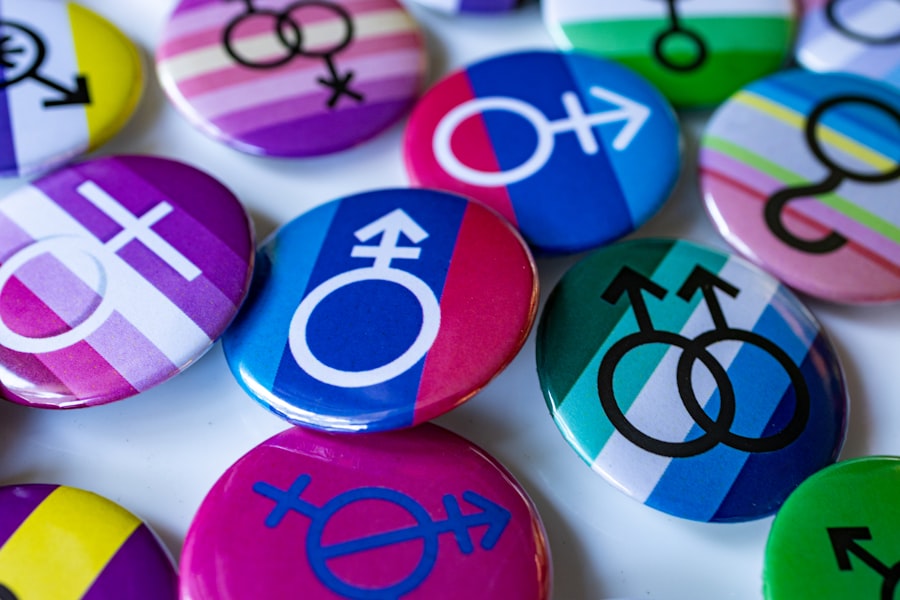
Feminism has played a pivotal role in challenging the norms and structures that uphold the gendered society. As a movement advocating for women’s rights and equality, feminism seeks to dismantle patriarchal systems that perpetuate discrimination and oppression. Over the years, various waves of feminism have emerged, each addressing different aspects of gender inequality and advocating for diverse issues ranging from suffrage to reproductive rights.
In contemporary discussions about feminism, it is essential to recognize its evolving nature and the importance of inclusivity within the movement. Intersectional feminism emphasizes the need to consider how race, class, sexuality, and other identities intersect with gender in shaping experiences of oppression. By embracing this broader perspective, feminism can become a more powerful force for social change—one that advocates for justice not only for women but for all marginalized groups within society.
Masculinity and The Gendered Society
While much attention has been focused on women’s experiences within the gendered society, it is equally important to examine masculinity and its implications for both men and women. Traditional notions of masculinity often emphasize traits such as strength, dominance, and emotional stoicism—qualities that can be detrimental not only to those who do not conform but also to men themselves. The pressure to adhere to these ideals can lead to harmful behaviors such as aggression or emotional repression.
Moreover, rigid definitions of masculinity can create barriers to healthy relationships between genders. Men may feel compelled to assert dominance or control in their interactions with women due to societal expectations, perpetuating cycles of inequality and conflict. By challenging traditional notions of masculinity and promoting more inclusive definitions that allow for vulnerability and emotional expression, we can foster healthier relationships and contribute to a more equitable society.
Conclusion and Implications of The Gendered Society
In conclusion, our exploration of the gendered society reveals a complex interplay of social constructs that shape our identities and experiences. By examining the theoretical frameworks surrounding gender, the processes of socialization, and the dynamics of power and inequality, we gain valuable insights into the challenges faced by individuals across different genders. Furthermore, recognizing the importance of intersectionality allows us to appreciate the diverse experiences within this framework.
As we move forward in addressing issues related to gender inequality, it is crucial that we adopt an inclusive approach that considers all aspects of identity. By advocating for systemic change—whether through feminist movements or by redefining masculinity—we can work towards dismantling oppressive structures and fostering a more equitable society for everyone. Ultimately, understanding the implications of living in a gendered society empowers us to challenge norms and advocate for justice on behalf of all marginalized voices within our communities.
In exploring the themes presented in Michael Kimmel’s “The Gendered Society,” one can find a complementary perspective in the article titled “Hello World,” which delves into contemporary gender dynamics and societal expectations. This article provides a nuanced examination of how gender roles are constructed and perceived in modern society, making it a valuable resource for those interested in Kimmel’s work. For more insights, you can read the article [here](https://hellread.com/2024/12/04/hello-world/).
FAQs
What is “The Gendered Society” by Michael Kimmel about?
“The Gendered Society” by Michael Kimmel is a sociological examination of how gender shapes social structures, relationships, and individual identities. The book explores the ways in which gender influences various aspects of society, including family, work, and culture.
Who is Michael Kimmel?
Michael Kimmel is a prominent sociologist and author known for his work on gender studies, masculinity, and social inequality. He has written extensively on the social construction of gender and its impact on both men and women.
What are the main themes discussed in “The Gendered Society”?
The main themes include the social construction of gender, the role of gender in power dynamics, the intersection of gender with race and class, and the impact of gender norms on individual behavior and societal institutions.
Is “The Gendered Society” suitable for academic study?
Yes, “The Gendered Society” is widely used in academic settings, particularly in courses related to sociology, gender studies, and social psychology. It provides a comprehensive overview of gender as a social construct and its implications.
Does the book discuss both men and women?
Yes, the book addresses the experiences and social roles of both men and women, emphasizing how gender expectations affect all individuals in society.
What editions of “The Gendered Society” are available?
There are multiple editions of “The Gendered Society,” with updates reflecting ongoing research and changes in societal understanding of gender. Readers should check for the latest edition for the most current information.
Can “The Gendered Society” help in understanding contemporary gender issues?
Yes, the book provides foundational knowledge and critical perspectives that are useful for understanding contemporary debates and issues related to gender, including gender inequality, identity, and social change.




