
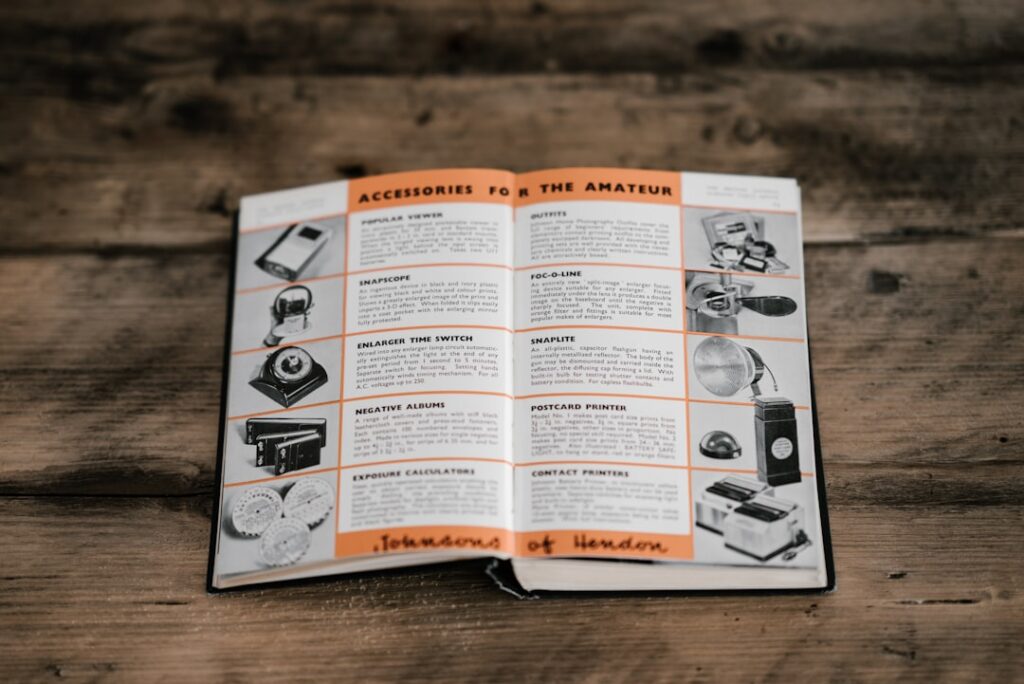
The Run-Without-You Company Manual is a business documentation system that provides structured processes and procedures for organizations seeking operational independence from their founders. This manual establishes standardized protocols that enable companies to maintain consistent operations when key personnel are absent. The manual functions as a systematic approach to business process documentation, defining roles, responsibilities, and operational procedures across all organizational levels.
It creates a framework where employees can execute tasks and make decisions based on predetermined guidelines rather than relying on direct supervision or founder involvement. The underlying principle of this documentation system addresses the operational challenges that arise as businesses expand. As organizations grow, they typically face increased complexity in workflows, decision-making processes, and resource management.
The manual provides a structured methodology for capturing institutional knowledge and converting it into repeatable processes that can be executed by employees at various skill levels. This approach aims to reduce operational dependencies on specific individuals while maintaining consistency in service delivery and business outcomes.
The Importance of Systemization for Business Owners
Systemization is the backbone of any successful business. It involves creating standardized processes that streamline operations, reduce errors, and enhance overall efficiency. For business owners, systemization is not just a luxury; it is a necessity.
Without well-defined systems in place, organizations can quickly become chaotic, leading to miscommunication, wasted resources, and ultimately, lost revenue. By implementing systematic approaches, business owners can ensure that their companies run smoothly, even when they are not physically present. Moreover, systemization fosters consistency across all levels of the organization.
When employees have access to clear guidelines and procedures, they are more likely to perform tasks uniformly, which enhances the customer experience. For instance, in a retail environment, having a standardized process for handling customer complaints ensures that every customer receives the same level of service, regardless of who is on duty. This consistency builds trust and loyalty among customers, which is crucial for long-term success.
Step 1: Identifying Key Processes and Procedures

The first step in creating the Run-Without-You Company Manual is identifying the key processes and procedures that are critical to the operation of the business. This involves taking a comprehensive inventory of all activities that contribute to the company’s success. Business owners should consider every aspect of their operations, from sales and marketing to customer service and product delivery.
Engaging with employees at all levels can provide valuable insights into which processes are essential and which may need refinement. Once key processes are identified, it is important to prioritize them based on their impact on the business. For example, in a manufacturing company, processes related to production quality control may take precedence over administrative tasks.
By focusing on high-impact areas first, business owners can ensure that their manual addresses the most critical components of their operations. This prioritization not only streamlines the documentation process but also helps in allocating resources effectively.
Step 2: Documenting Processes and Procedures
After identifying key processes, the next step is to document them thoroughly. This documentation should be clear, concise, and accessible to all employees. Each process should be broken down into actionable steps that anyone can follow, regardless of their familiarity with the task.
Utilizing flowcharts, checklists, and written instructions can enhance understanding and retention of information. For instance, a flowchart outlining the steps for onboarding new employees can serve as a visual aid that simplifies complex procedures. In addition to clarity, it is essential to ensure that documentation is consistent in format and language.
This uniformity not only aids comprehension but also makes it easier for employees to navigate the manual. Business owners should consider using templates for different types of processes to maintain consistency throughout the documentation. Furthermore, involving team members in the documentation process can lead to more accurate representations of procedures and foster a sense of ownership among employees.
Step 3: Organizing and Categorizing Documents
Once processes are documented, organizing and categorizing these documents is crucial for easy access and usability. A well-structured manual should allow employees to find information quickly without sifting through irrelevant materials. Business owners can categorize documents by department or function—such as sales, marketing, operations, and human resources—making it intuitive for employees to locate what they need.
Digital tools can significantly enhance document organization. Utilizing cloud-based platforms allows for easy sharing and collaboration among team members while ensuring that everyone has access to the most up-to-date information. Additionally, implementing a version control system can help track changes made to documents over time, ensuring that employees are always working with the latest procedures.
This organized approach not only saves time but also minimizes confusion and errors in execution.
Step 4: Implementing the Manual within the Company

With a comprehensive manual in place, the next step is implementation. This phase involves integrating the manual into daily operations and ensuring that all employees understand its importance. Business owners should communicate the purpose of the manual clearly, emphasizing how it will benefit both individual employees and the organization as a whole.
A successful implementation strategy often includes pilot testing certain processes with select teams before rolling them out company-wide. To facilitate smooth implementation, business owners should encourage feedback from employees during this phase. Engaging team members in discussions about how well the manual meets their needs can provide valuable insights into potential improvements or adjustments required for specific processes.
Additionally, creating an open forum for questions and concerns can help alleviate any apprehensions employees may have about adopting new procedures.
Step 5: Training Employees on the Manual
Training is a critical component of successfully implementing the Run-Without-You Company Manual. Employees must be equipped with the knowledge and skills necessary to utilize the manual effectively in their daily tasks. Training sessions should be tailored to different roles within the organization since various departments may require specific guidance on relevant processes.
Interactive training methods can enhance engagement and retention among employees. For example, role-playing scenarios or hands-on workshops can provide practical experience in applying procedures outlined in the manual. Additionally, providing ongoing training opportunities ensures that employees remain updated on any changes or new processes introduced over time.
By investing in employee training, business owners not only empower their teams but also foster a culture of continuous improvement.
Step 6: Monitoring and Updating the Manual
The creation of a company manual is not a one-time event; it requires ongoing monitoring and updating to remain relevant and effective. Business environments are dynamic, with changes in technology, market conditions, and organizational structure necessitating regular reviews of existing processes. Business owners should establish a schedule for periodic evaluations of the manual to identify areas that may need revision or enhancement.
Feedback from employees plays a vital role in this monitoring process. Encouraging team members to share their experiences with specific procedures can highlight inefficiencies or gaps in documentation that need addressing. Additionally, tracking key performance indicators (KPIs) related to operational efficiency can provide quantitative data on how well processes are functioning.
By staying proactive in updating the manual, business owners can ensure that their organizations remain agile and responsive to changing circumstances.
Case Studies: Successful Implementation of the Run-Without-You Company Manual
Examining real-world examples of businesses that have successfully implemented the Run-Without-You Company Manual can provide valuable insights into best practices and potential pitfalls. One notable case is a mid-sized marketing agency that faced challenges with project management due to inconsistent processes across teams. By adopting the Run-Without-You Company Manual framework, they identified key project workflows and documented them meticulously.
As a result of this implementation, project completion times improved significantly due to enhanced clarity around roles and responsibilities. Team members reported feeling more empowered as they had access to standardized procedures that guided their work. The agency’s ability to onboard new clients increased as well since new hires could quickly familiarize themselves with established processes.
Another example comes from a small manufacturing firm that struggled with quality control issues stemming from poorly defined procedures. After implementing the Run-Without-You Company Manual, they documented quality assurance protocols in detail and trained employees on these standards rigorously. The outcome was remarkable; defect rates dropped by over 30%, leading to increased customer satisfaction and repeat business.
The Benefits of Systemization for Business Owners
The benefits of systemization extend far beyond operational efficiency; they encompass various aspects of business growth and sustainability. One significant advantage is enhanced scalability. As businesses grow, having established systems allows for smoother transitions when adding new products or services or expanding into new markets.
Business owners can replicate successful processes across different areas without reinventing the wheel each time. Additionally, systemization contributes to risk mitigation by reducing reliance on individual employees’ knowledge or expertise. When processes are documented clearly, businesses become less vulnerable to disruptions caused by employee turnover or absences.
This resilience ensures continuity in operations and minimizes potential losses associated with knowledge gaps. Furthermore, systemization fosters a culture of accountability within organizations. When employees understand their roles within established frameworks, they are more likely to take ownership of their responsibilities and strive for excellence in execution.
This accountability not only boosts morale but also drives overall performance across teams.
Conclusion and Next Steps for Implementing the Run-Without-You Company Manual
Implementing the Run-Without-You Company Manual is an investment in the future success of any business owner’s organization. By following systematic steps—from identifying key processes to training employees—businesses can create an environment where operations run smoothly without constant oversight from leadership. The journey toward systemization may require time and effort upfront; however, the long-term benefits far outweigh these initial investments.
As business owners embark on this transformative process, it is essential to remain committed to continuous improvement and adaptation. Regularly revisiting documented processes ensures that they remain relevant in an ever-changing landscape while fostering an organizational culture centered around efficiency and accountability. By taking these next steps toward implementing the Run-Without-You Company Manual, business owners position themselves for sustainable growth and success in their respective industries.




