
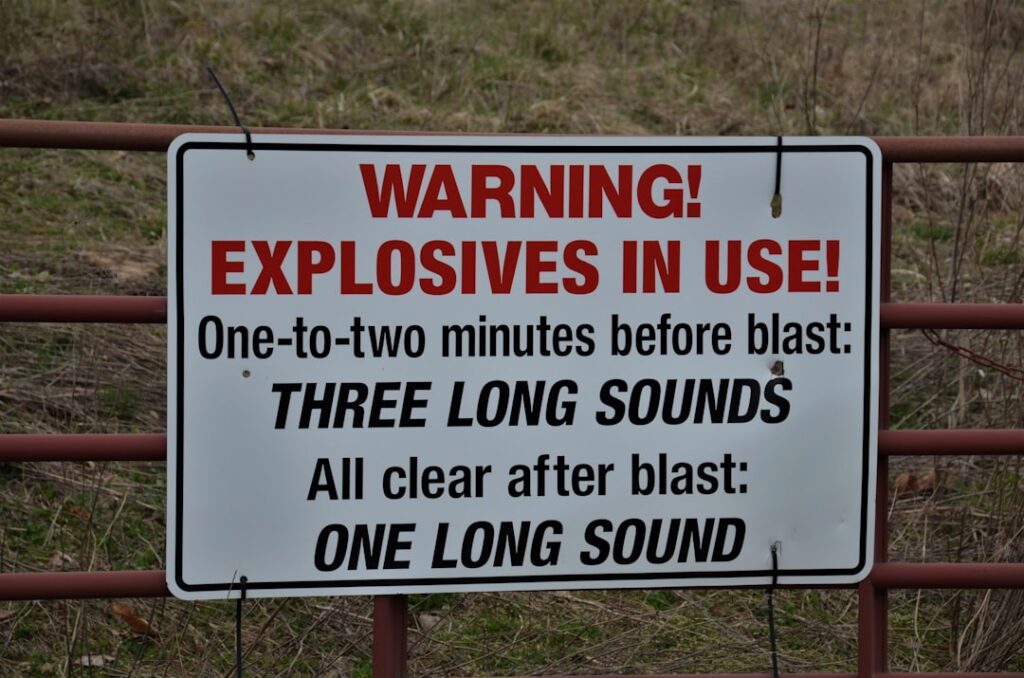
Early-warning systems (EWS) function as essential infrastructure across multiple sectors, delivering time-sensitive notifications that prevent casualties, minimize property damage, and reduce risk exposure. These systems have gained increased importance due to rising frequencies of natural disasters, public health emergencies, and economic volatility. Through advance notification of emerging threats, EWS enable individuals, communities, and organizations to implement preventive actions.
The capacity to predict and respond to emergencies significantly decreases the severity of negative outcomes, establishing early-warning systems as fundamental components of modern risk management. Early-warning systems provide benefits beyond basic alert functions by promoting systematic preparedness and community resilience. Communities with operational EWS demonstrate higher participation rates in disaster preparedness activities, including evacuation procedures and emergency supply management.
This preparedness approach improves individual safety outcomes while strengthening community coordination through collaborative threat preparation. Additionally, incorporating EWS into policy development enhances governmental decision-making processes, leading to improved resource distribution and comprehensive risk management protocols.
How Early-Warning Systems Work
Early-warning systems operate through a systematic process that involves data collection, analysis, and dissemination. At the core of an EWS is the ability to gather relevant information from various sources, including satellite imagery, weather stations, health reports, and financial indicators. This data is then analyzed using sophisticated algorithms and models to identify patterns and predict potential threats.
The effectiveness of an EWS hinges on its capacity to process vast amounts of data quickly and accurately, allowing for timely alerts that can be communicated to stakeholders. Once a potential threat is identified, the next step involves disseminating information to those at risk. This can take various forms, including text messages, sirens, social media alerts, or even direct communication through community networks.
The choice of communication method is crucial; it must be accessible and reliable to ensure that the message reaches the intended audience promptly. Additionally, effective EWS often incorporate feedback mechanisms that allow recipients to report their status or confirm receipt of alerts, further enhancing the system’s responsiveness and reliability.
Examples of Early-Warning Systems in Action
One of the most notable examples of an early-warning system in action is the Tsunami Warning System established in the Pacific Ocean following the devastating tsunami in 2004. This system utilizes a network of seismic sensors and ocean buoys to detect underwater earthquakes and monitor changes in sea level. When a significant seismic event occurs, the system can quickly assess the risk of a tsunami and issue warnings to coastal communities.
The effectiveness of this system was demonstrated during the 2011 Tōhoku earthquake in Japan, where timely alerts allowed many residents to evacuate before the tsunami struck. In the realm of public health, the Global Outbreak Alert and Response Network (GOARN) exemplifies an early-warning system designed to detect and respond to infectious disease outbreaks. GOARN operates by collecting data from various health organizations worldwide, analyzing trends in disease transmission, and coordinating rapid responses to emerging health threats.
For instance, during the Ebola outbreak in West Africa from 2014 to 2016, GOARN played a pivotal role in mobilizing resources and expertise to contain the virus’s spread. By providing timely information and facilitating collaboration among countries, GOARN exemplifies how early-warning systems can effectively address public health emergencies.
The Role of Data in Early-Warning Systems
Data is the lifeblood of early-warning systems; its quality and timeliness directly influence the effectiveness of these systems. The types of data utilized can vary widely depending on the context—ranging from meteorological data for weather-related warnings to epidemiological data for health alerts. In many cases, integrating diverse data sources enhances predictive capabilities.
For example, combining satellite imagery with ground-based observations can provide a more comprehensive understanding of environmental changes that may signal an impending disaster. Moreover, advancements in technology have significantly improved data collection methods. The proliferation of sensors, drones, and satellite technology has enabled real-time monitoring of various phenomena.
Machine learning algorithms further enhance data analysis by identifying patterns that may not be immediately apparent to human analysts. However, while technology has advanced rapidly, challenges remain regarding data accuracy and accessibility. Ensuring that data is not only collected but also interpreted correctly is crucial for effective early-warning systems.
Early-Warning Systems in Natural Disasters
Natural disasters pose significant threats to life and property, making early-warning systems particularly vital in this context. These systems are designed to provide alerts for various hazards such as hurricanes, floods, earthquakes, and wildfires. For instance, the National Oceanic and Atmospheric Administration (NOAA) in the United States operates a comprehensive weather alert system that issues warnings for severe weather events.
By utilizing radar technology and satellite imagery, NOAA can predict storms’ paths and intensities, allowing communities to prepare accordingly. In addition to meteorological hazards, EWS for geological events like earthquakes have also seen advancements. Countries situated along tectonic plate boundaries have developed seismic monitoring networks that can detect tremors and issue alerts seconds before shaking occurs.
While this may seem like a short window of time, it can be enough for individuals to take cover or for automated systems to shut down critical infrastructure such as gas lines or power plants. The integration of technology into these systems has significantly improved their reliability and response times.
Early-Warning Systems in Public Health
In public health, early-warning systems are essential for detecting outbreaks of infectious diseases and monitoring health trends. These systems rely on data from hospitals, laboratories, and public health agencies to identify unusual patterns that may indicate an emerging health threat. For example, syndromic surveillance systems collect data on symptoms reported by patients in emergency departments to identify potential outbreaks before they are confirmed through laboratory testing.
The COVID-19 pandemic highlighted the critical role of early-warning systems in public health. Countries that had established robust surveillance systems were better equipped to detect cases early and implement containment measures. For instance, South Korea’s extensive testing and contact tracing efforts were supported by an effective EWS that monitored infection rates in real-time.
This proactive approach allowed for rapid responses that mitigated the virus’s spread compared to regions without such systems in place.
Early-Warning Systems in Financial Markets
In financial markets, early-warning systems play a crucial role in identifying potential economic downturns or market volatility. These systems analyze a wide range of indicators—such as stock prices, interest rates, and economic reports—to detect signs of instability or impending crises. For example, central banks often utilize models that incorporate various economic indicators to forecast inflation rates or potential recessions.
The 2008 financial crisis serves as a stark reminder of the importance of effective early-warning systems in finance. Many analysts argue that better monitoring of housing market trends and financial derivatives could have provided earlier warnings about the impending collapse. In response to this crisis, regulatory bodies have since developed more sophisticated EWS that aim to identify systemic risks within financial institutions and markets.
These improvements are designed not only to prevent future crises but also to enhance overall market stability.
Challenges and Limitations of Early-Warning Systems
Despite their many benefits, early-warning systems face several challenges and limitations that can hinder their effectiveness. One significant issue is the reliance on accurate data; if the information fed into an EWS is flawed or outdated, it can lead to false alarms or missed warnings. Additionally, disparities in technology access can create gaps in coverage; rural or underserved communities may not receive timely alerts due to inadequate infrastructure.
Another challenge lies in communication strategies. Even when an EWS successfully identifies a threat and disseminates information, it must ensure that messages are clear and actionable. Miscommunication can lead to confusion or panic among the public.
Furthermore, individuals may become desensitized to alerts if they perceive them as overly frequent or exaggerated—this phenomenon is known as alarm fatigue. Addressing these challenges requires ongoing investment in technology, training for personnel involved in EWS operations, and community engagement efforts to build trust.
The Future of Early-Warning Systems
The future of early-warning systems is poised for significant advancements driven by technological innovation and increased collaboration across sectors. Emerging technologies such as artificial intelligence (AI) and machine learning are expected to enhance predictive capabilities by analyzing vast datasets more efficiently than traditional methods allow. These technologies can identify subtle patterns that may indicate impending threats with greater accuracy.
Moreover, as global challenges such as climate change continue to evolve, early-warning systems will need to adapt accordingly. Integrating climate models with existing EWS can provide more comprehensive insights into how environmental changes may influence disaster risks or public health outcomes. Additionally, fostering international cooperation will be crucial; sharing data across borders can enhance global preparedness for transnational threats like pandemics or financial crises.
How Individuals Can Benefit from Early-Warning Systems
Individuals stand to gain significantly from early-warning systems through enhanced safety and preparedness measures. By receiving timely alerts about potential threats—whether they be natural disasters or public health emergencies—people can take proactive steps to protect themselves and their families. For instance, receiving a weather alert about an approaching storm allows individuals to secure their homes or evacuate if necessary.
Furthermore, awareness of early-warning systems can empower individuals to engage with their communities actively. By understanding how these systems operate and participating in local preparedness initiatives—such as emergency drills or community meetings—individuals contribute not only to their safety but also to collective resilience within their neighborhoods. This sense of agency fosters a culture where preparedness becomes a shared responsibility rather than solely relying on governmental agencies.
Implementing Early-Warning Systems in Different Sectors
Implementing early-warning systems across various sectors requires careful planning and collaboration among stakeholders. In the realm of natural disasters, local governments must work alongside meteorological agencies to establish effective communication channels that ensure timely dissemination of alerts. This collaboration often involves training emergency responders on how best to utilize EWS data during crisis situations.
In public health, integrating EWS into existing healthcare infrastructure is essential for maximizing their effectiveness. This may involve training healthcare professionals on recognizing symptoms indicative of outbreaks or establishing protocols for reporting unusual health trends promptly. Additionally, engaging with community members through educational campaigns can enhance awareness about how individuals can contribute to public health surveillance efforts.
In financial markets, regulatory bodies must collaborate with financial institutions to develop robust monitoring frameworks that identify systemic risks early on. This may involve creating standardized reporting mechanisms for financial data or establishing partnerships between private firms and government agencies for information sharing. By fostering collaboration across sectors and investing in technology and training initiatives, stakeholders can create comprehensive early-warning systems that effectively address diverse challenges while enhancing overall resilience within communities.




