
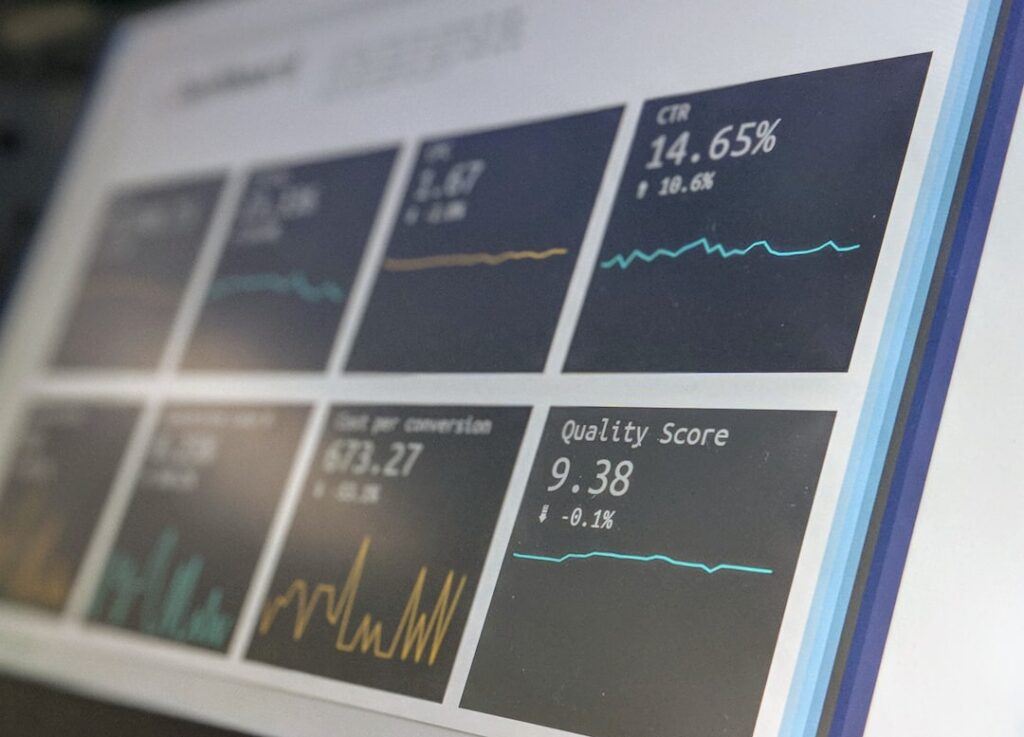
Automation has become a critical component of modern business operations, enabling organizations to improve efficiency and drive innovation. By incorporating technology into business processes, companies can optimize workflows, minimize errors caused by manual intervention, and increase overall productivity. Automation technologies range from basic task automation tools to sophisticated systems capable of managing comprehensive operational workflows.
In today’s digital economy, business leaders must develop a thorough understanding of automation capabilities to maintain competitive advantage. The adoption of automation represents a significant transformation in business operations rather than a temporary market trend. Recent developments in artificial intelligence, machine learning, and robotic process automation (RPA) provide companies with advanced tools to enhance operational efficiency.
This technological evolution addresses the growing demands of modern consumers who expect faster service delivery and higher quality standards. Organizations that implement automation effectively can achieve improved internal operational efficiency while simultaneously delivering enhanced customer experiences, resulting in higher customer satisfaction rates and stronger brand loyalty.
Identifying Repetitive and Time-consuming Tasks
The first step in implementing automation is identifying tasks that are repetitive and time-consuming. These tasks often consume valuable employee time and resources, detracting from more strategic initiatives. Common examples include data entry, report generation, and routine communications.
By pinpointing these activities, organizations can prioritize which processes to automate first, ensuring a more significant impact on overall efficiency. For instance, consider a marketing department that spends hours compiling data from various sources to create performance reports. This task, while necessary, is often tedious and prone to human error.
By utilizing automation tools that can aggregate data from multiple platforms and generate reports automatically, the team can redirect their focus toward more creative and strategic endeavors. This not only enhances productivity but also fosters a more engaged workforce, as employees can devote their time to tasks that require critical thinking and creativity.
Streamlining Data Entry and Management

Data entry is one of the most labor-intensive tasks across various industries. Manual data entry is not only time-consuming but also susceptible to errors that can lead to significant repercussions down the line. Automating data entry processes can drastically reduce the time spent on these tasks while improving accuracy.
Technologies such as optical character recognition (OCR) and RPA can be employed to extract data from documents and input it into systems without human intervention. For example, a healthcare organization might receive thousands of patient forms each month. Manually entering this data into electronic health records (EHR) systems can lead to delays and inaccuracies.
By implementing an automated solution that scans and processes these forms, the organization can ensure that patient information is entered quickly and accurately, allowing healthcare professionals to focus on patient care rather than administrative tasks. This not only improves operational efficiency but also enhances the quality of service provided to patients.
Automating Customer Service and Support
Customer service is another area where automation can yield significant benefits. With the advent of chatbots and automated response systems, businesses can provide immediate assistance to customers without the need for human intervention. These tools can handle common inquiries, provide information about products or services, and even assist with troubleshooting issues.
By automating these interactions, companies can ensure that customers receive timely responses, thereby improving satisfaction levels. Consider a retail company that receives a high volume of customer inquiries regarding order status or return policies. By implementing a chatbot on their website or through social media channels, they can address these common questions instantly.
This not only frees up customer service representatives to handle more complex issues but also enhances the overall customer experience by providing immediate answers. Furthermore, automated systems can gather data on customer interactions, allowing businesses to identify trends and areas for improvement in their service offerings.
Enhancing Marketing and Sales Processes
Automation plays a crucial role in modern marketing and sales strategies. From lead generation to customer relationship management (CRM), automated tools can streamline processes and enhance effectiveness. Marketing automation platforms enable businesses to segment their audience, personalize communications, and track engagement metrics with minimal manual effort.
This allows for more targeted campaigns that resonate with potential customers. For instance, an e-commerce company might use marketing automation software to send personalized emails based on user behavior. If a customer abandons their shopping cart, the system can automatically trigger a follow-up email offering a discount or reminding them of the items left behind.
This level of personalization not only increases the likelihood of conversion but also fosters a sense of connection between the brand and its customers. Additionally, sales teams can benefit from automated lead scoring systems that prioritize leads based on their engagement levels, ensuring that sales representatives focus their efforts on the most promising prospects.
Automating Financial and Accounting Tasks

The financial sector has long been at the forefront of automation adoption due to the need for accuracy and compliance. Automating financial processes such as invoicing, expense tracking, and payroll can significantly reduce the risk of errors while improving efficiency. Tools that integrate with accounting software can automate data entry from invoices or receipts, ensuring that financial records are up-to-date without manual intervention.
For example, a small business may struggle with managing invoices manually, leading to delayed payments and cash flow issues. By implementing an automated invoicing system that generates invoices based on predefined criteria and sends them directly to clients, the business can streamline its cash flow management. Furthermore, automated reconciliation processes can help ensure that financial records align with bank statements, reducing discrepancies and enhancing financial oversight.
Improving Inventory and Supply Chain Management
Inventory management is another critical area where automation can drive efficiency. Businesses often face challenges related to stock levels, order fulfillment, and supply chain logistics. Automated inventory management systems can provide real-time visibility into stock levels, track product movement, and even predict demand based on historical data.
This enables organizations to make informed decisions about restocking and inventory allocation. For instance, a manufacturing company may utilize an automated inventory system that integrates with its production schedule. As products are manufactured and shipped out, the system automatically updates inventory levels in real-time.
This not only helps prevent stockouts but also reduces excess inventory costs by ensuring that products are available when needed without overstocking. Additionally, automated supply chain management tools can optimize logistics by analyzing shipping routes and delivery times, ultimately leading to cost savings and improved service levels.
Automating HR and Employee Management
Human resources is another domain ripe for automation. From recruitment processes to employee onboarding and performance management, automation can streamline various HR functions. Applicant tracking systems (ATS) can automate resume screening, allowing HR professionals to focus on interviewing candidates rather than sifting through countless applications manually.
For example, a company looking to fill multiple positions may receive hundreds of applications for each role. An ATS can filter candidates based on specific criteria such as skills or experience levels, presenting only the most qualified individuals for review. Once candidates are selected for interviews, automated onboarding systems can facilitate the process by providing new hires with necessary documentation and training materials electronically.
This not only accelerates the onboarding process but also enhances the overall employee experience by providing clarity and structure from day one.
Implementing Automation in Project Management
Project management is another area where automation can significantly enhance efficiency. Automated project management tools allow teams to track progress, assign tasks, and manage deadlines without relying solely on manual updates. These tools often come equipped with features such as Gantt charts, Kanban boards, and automated reminders that keep projects on track.
For instance, a software development team may use an automated project management tool to manage sprints effectively. As tasks are completed or updated by team members, the system automatically adjusts timelines and notifies stakeholders of any changes in project status. This level of transparency ensures that everyone involved is aware of progress and potential roadblocks without requiring constant manual check-ins or updates.
Leveraging Automation for Quality Control and Testing
Quality control is paramount in any industry where product standards must be met consistently. Automation in quality control processes allows organizations to conduct thorough testing without the limitations of human oversight. Automated testing tools can perform repetitive tests on products or software applications at scale, ensuring that quality standards are maintained throughout production.
For example, in software development, automated testing frameworks enable teams to run regression tests every time new code is integrated into the system. This ensures that existing functionalities remain intact while new features are added. In manufacturing settings, automated inspection systems equipped with machine vision technology can detect defects in products at high speeds, reducing waste and ensuring that only high-quality items reach consumers.
Embracing Automation for Business Efficiency
As businesses navigate an increasingly complex landscape characterized by rapid technological advancements and evolving consumer expectations, embracing automation becomes essential for maintaining competitiveness and operational efficiency. The integration of automated solutions across various functions—from customer service to project management—enables organizations to optimize their processes while freeing up valuable human resources for more strategic initiatives. The journey toward automation requires careful planning and consideration of specific business needs; however, the potential benefits are substantial.
By identifying repetitive tasks ripe for automation and implementing appropriate technologies, businesses can enhance productivity, improve accuracy, and ultimately deliver better value to their customers. In this era of digital transformation, those who embrace automation will likely find themselves at the forefront of innovation and success in their respective industries.




