

Steve Jobs was born on February 24, 1955, in San Francisco, California, to a young, unwed mother, Joanne Schieble, and a father, Abdulfattah Jandali, who was a Syrian immigrant. Shortly after his birth, Jobs was put up for adoption and was adopted by Paul and Clara Jobs, who raised him in the suburb of Mountain View. Growing up in the heart of Silicon Valley, Jobs was exposed to technology from an early age.
His father, a machinist, taught him how to work with his hands and instilled in him a love for electronics. This early exposure would later play a crucial role in shaping his innovative mindset. Jobs attended Homestead High School in Cupertino, where he developed an interest in electronics and mechanics.
He was known for his rebellious spirit and often clashed with authority figures. After high school, he enrolled at Reed College in Oregon but dropped out after just one semester. Despite leaving formal education, he continued to audit classes that piqued his interest, including a calligraphy course that would later influence the design aesthetics of Apple products.
This unconventional educational path highlighted Jobs’ belief in the importance of following one’s intuition and passion rather than adhering strictly to traditional academic routes.
Key Takeaways
- Steve Jobs co-founded Apple, revolutionizing personal computing and consumer electronics.
- After being ousted from Apple, he founded Pixar and NeXT, influencing animation and technology.
- His return to Apple led to groundbreaking products like the iPod, iPhone, and iPad.
- Jobs faced significant health challenges but remained a visionary leader until his passing.
- His leadership style and innovations left a lasting impact on the tech industry and global culture.
Founding of Apple
In 1976, Steve Jobs, along with his friend Steve Wozniak and Ronald Wayne, founded Apple Computer, Inc. The trio aimed to create personal computers that were accessible to the average consumer. Their first product, the Apple I, was a simple circuit board that Wozniak designed and built in Jobs’ garage.
They sold the Apple I primarily to hobbyists and tech enthusiasts, but it laid the groundwork for what would become a revolutionary company. The success of the Apple I was modest but significant enough to attract attention and investment. The real breakthrough came with the introduction of the Apple II in 1977.
Unlike its predecessor, the Apple II featured a plastic casing and color graphics, making it more appealing to consumers. It was one of the first highly successful mass-produced microcomputer products and played a pivotal role in establishing the personal computer market. The Apple II’s success propelled the company into the spotlight and set the stage for future innovations.
Jobs’ vision of creating user-friendly technology that could be used by anyone began to take shape as Apple grew rapidly.
The Rise and Fall of Jobs at Apple

As Apple expanded throughout the late 1970s and early 1980s, Jobs became known for his intense passion and relentless pursuit of perfection. His charismatic leadership style attracted talented individuals who shared his vision for innovation. However, this same intensity often led to conflicts within the company.
By 1983, tensions had escalated to the point where Jobs clashed with then-CEO John Sculley over the direction of Apple. Sculley favored a more conservative approach focused on profitability, while Jobs pushed for bold innovations. In 1985, after a power struggle with Sculley and the board of directors, Jobs was ousted from Apple.
This marked a significant turning point in his career. Although it was a devastating blow at the time, it also provided him with an opportunity to explore new ventures. During his absence from Apple, he reflected on his experiences and began to understand the importance of collaboration and teamwork in fostering innovation.
Pixar and NeXT
After leaving Apple, Jobs acquired The Graphics Group from Lucasfilm in 1986 for $10 million, which he later renamed Pixar Animation Studios. Under his leadership, Pixar transitioned from a hardware company to a pioneering animation studio. The release of “Toy Story” in 1995 marked a watershed moment in animation history as it became the first-ever fully computer-animated feature film.
The film’s success not only established Pixar as a leader in animation but also showcased Jobs’ ability to recognize and nurture talent. In addition to Pixar, Jobs founded NeXT Inc., a computer platform development company aimed at higher education and business markets. NeXT computers were known for their advanced technology and innovative software development tools.
However, despite their technical superiority, NeXT struggled commercially due to high prices and limited market appeal. Nevertheless, the technology developed at NeXT would later play a crucial role in Apple’s resurgence when Jobs returned to the company.
Return to Apple and the iPod Revolution
In 1997, Apple acquired NeXT for $429 million, bringing Jobs back into the fold as an advisor and eventually as interim CEO. His return marked a turning point for Apple, which was struggling financially at the time. Jobs quickly implemented changes that revitalized the company’s product line and corporate culture.
He focused on simplifying Apple’s offerings and eliminating underperforming products while emphasizing design and user experience. The launch of the iPod in 2001 was a game-changer for both Apple and the music industry. The iPod’s sleek design and user-friendly interface revolutionized how people listened to music.
It allowed users to carry thousands of songs in their pockets and introduced them to iTunes, which transformed music distribution. The iPod’s success not only reinvigorated Apple’s brand but also set the stage for future innovations that would further solidify Apple’s position as a leader in consumer electronics.
The iPhone and iPad Era
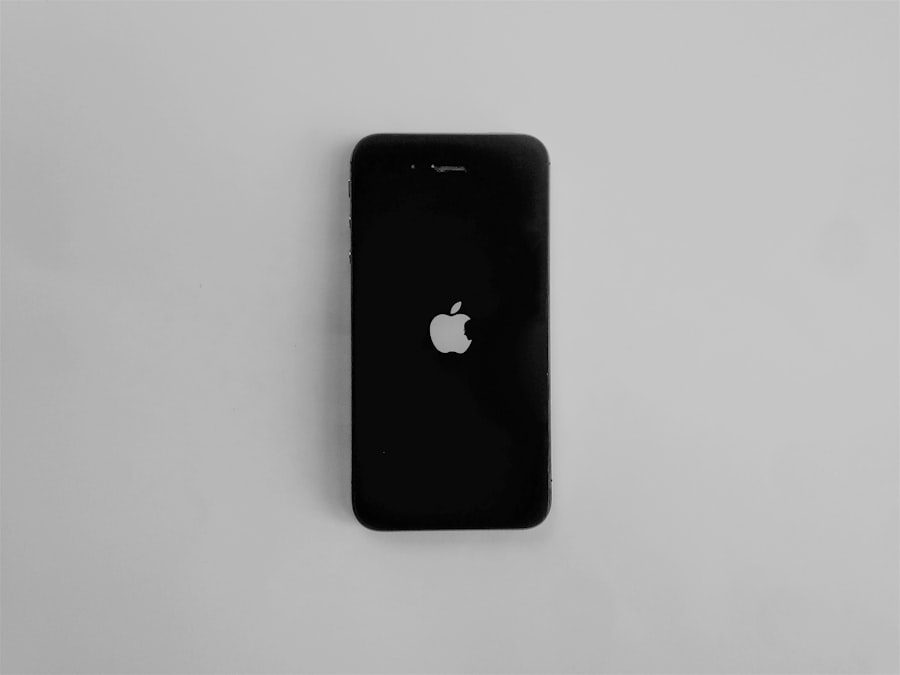
The introduction of the iPhone in 2007 marked another monumental shift in technology and consumer behavior. Combining a phone, an iPod, and an internet communicator into one device, the iPhone redefined what smartphones could be. Its intuitive touchscreen interface and access to apps through the App Store created an entirely new ecosystem for mobile applications.
The iPhone’s success propelled Apple to become one of the most valuable companies in the world. Following the iPhone’s success, Jobs unveiled the iPad in 2010, further expanding Apple’s influence in personal computing. The iPad bridged the gap between smartphones and laptops, offering users a portable device that excelled at media consumption and productivity tasks alike.
Both devices not only transformed their respective markets but also set new standards for design and functionality that competitors struggled to match.
Personal Life and Health Struggles
Despite his professional successes, Steve Jobs faced significant personal challenges throughout his life. He married Laurene Powell in 1991, with whom he had three children; he also had a daughter from a previous relationship. Jobs was known for being intensely private about his family life, often keeping them out of the public eye while maintaining a close-knit family unit.
Jobs’ health struggles began to surface in 2004 when he was diagnosed with a rare form of pancreatic cancer known as a pancreatic neuroendocrine tumor. He initially opted for alternative treatments rather than conventional surgery but eventually underwent surgery to remove the tumor later that year. His health continued to decline over the years, leading him to take medical leave from Apple multiple times before resigning as CEO in August 2011.
Despite these challenges, he remained actively involved with Apple’s product development until shortly before his death on October 5, 2011.
Legacy and Impact on Technology
Steve Jobs’ legacy is deeply intertwined with Apple’s identity as an innovator in technology and design. His relentless pursuit of perfection led to products that not only changed industries but also influenced how people interact with technology daily. The emphasis on aesthetics combined with functionality became a hallmark of Apple’s design philosophy under Jobs’ leadership.
Moreover, Jobs’ impact extended beyond hardware; he revolutionized entire industries through software ecosystems like iTunes and the App Store. These platforms transformed how content is distributed and consumed across various media formats. His vision for integrating hardware and software seamlessly has become a standard practice across many tech companies today.
Leadership Style and Management Philosophy
Jobs’ leadership style was characterized by an intense focus on product quality and user experience. He was known for being demanding and often abrasive with employees; however, this intensity stemmed from his passion for innovation and excellence. He believed that great products could only be created through collaboration among talented individuals who shared a common vision.
Jobs also emphasized simplicity in design and functionality; he often pushed his teams to eliminate unnecessary features that could complicate user experience. This philosophy led to iconic products that were not only aesthetically pleasing but also intuitive to use. His ability to inspire creativity while maintaining high standards set him apart as a unique leader in the tech industry.
Relationship with Bill Gates and Other Tech Giants
Steve Jobs had a complex relationship with Bill Gates, co-founder of Microsoft. Initially competitors during the rise of personal computing in the 1980s, their relationship evolved over time as both companies navigated the rapidly changing tech landscape. While they often clashed over differing philosophies—Jobs championing design-centric products while Gates focused on software accessibility—they also recognized each other’s contributions to the industry.
Their rivalry reached its peak during the late 1990s when Microsoft dominated the software market while Apple struggled for survival. However, as both companies found their footing again in the 2000s, they began to show mutual respect for each other’s achievements. Gates even praised Jobs’ vision during interviews after Apple’s resurgence with products like the iPod and iPhone.
Lasting Influence on the Tech Industry
Steve Jobs’ influence on the tech industry is profound and enduring. His vision transformed not only how technology is designed but also how it is marketed and consumed by everyday users. The principles he championed—simplicity, elegance, user-centric design—have become foundational elements for countless tech companies worldwide.
Moreover, Jobs’ approach to innovation has inspired generations of entrepreneurs and technologists who seek to create products that resonate deeply with consumers’ needs and desires. His legacy continues through Apple’s ongoing commitment to innovation and excellence while serving as a benchmark against which other companies measure their success in technology development. In summary, Steve Jobs remains an iconic figure whose contributions have left an indelible mark on technology and culture alike.
His journey from a rebellious youth in Silicon Valley to a visionary leader reshaped industries and continues to inspire future generations of innovators.
In addition to Walter Isaacson’s insightful biography, “The Life of Steve Jobs,” readers may find the article on innovation and technology trends at Hello World to be a compelling complement. This article explores the ongoing impact of visionary leaders like Jobs on the tech industry, providing a broader context for understanding his legacy and the future of innovation.
FAQs
Who is the author of “The Life of Steve Jobs”?
The author of “The Life of Steve Jobs” is Walter Isaacson.
What is the book “The Life of Steve Jobs” about?
The book is a biography that details the life, career, and legacy of Steve Jobs, the co-founder of Apple Inc.
When was “The Life of Steve Jobs” published?
“The Life of Steve Jobs” was published in 2011.
Did Steve Jobs participate in the writing of the biography?
Yes, Steve Jobs cooperated with Walter Isaacson and gave numerous interviews for the biography before his death.
What are some key themes covered in the book?
The book covers themes such as innovation, leadership, creativity, business strategy, and the personal life of Steve Jobs.
Is “The Life of Steve Jobs” authorized or unauthorized?
The biography is authorized, as Steve Jobs personally approved the project and participated in interviews.
What makes Walter Isaacson qualified to write this biography?
Walter Isaacson is a well-known biographer and journalist, having written acclaimed biographies of figures like Albert Einstein and Benjamin Franklin.
Does the book cover Steve Jobs’ early life?
Yes, the biography includes details about Steve Jobs’ childhood, education, and early career.
Does the book discuss the founding of Apple Inc.?
Yes, it provides an in-depth look at the founding and growth of Apple Inc., including key products and milestones.
Is the book suitable for readers interested in technology and business?
Yes, the book offers valuable insights into technology innovation and business leadership, making it suitable for readers interested in these fields.




