

The transportation sector is undergoing a profound transformation, driven by the rapid advancement of digital technologies. This metamorphosis is not merely a trend; it represents a fundamental shift in how goods and people move across the globe. The integration of digital tools and platforms has redefined traditional transportation models, enhancing efficiency, safety, and user experience.
From logistics and supply chain management to personal mobility solutions, the digital transformation is reshaping every facet of the industry. As cities grow and populations increase, the demand for innovative transportation solutions has never been more pressing. Urban congestion, environmental concerns, and the need for sustainable practices are pushing stakeholders to adopt digital solutions that can address these challenges.
The convergence of technologies such as big data, artificial intelligence, and the Internet of Things (IoT) is creating a new landscape where transportation systems are becoming smarter and more interconnected. This article delves into the various dimensions of this transformation, exploring how these technologies are revolutionizing transportation and what the future may hold.
Key Takeaways
- Digital transformation is reshaping transportation through advanced technologies and data-driven solutions.
- Big data and AI are enhancing efficiency, safety, and decision-making in transportation systems.
- Autonomous vehicles are revolutionizing the industry by enabling safer and more efficient travel.
- IoT connectivity facilitates real-time monitoring and seamless integration across transportation networks.
- Cybersecurity is critical to protect digital transportation infrastructure from emerging threats.
The Impact of Big Data and Analytics on Transportation
Big data has emerged as a cornerstone of the digital transformation in transportation, providing unprecedented insights into patterns and behaviors that were previously difficult to analyze. The sheer volume of data generated by vehicles, infrastructure, and users offers a wealth of information that can be harnessed to optimize operations. For instance, logistics companies are leveraging big data analytics to streamline their supply chains, reducing costs and improving delivery times.
By analyzing traffic patterns, weather conditions, and historical data, companies can make informed decisions about routing and scheduling. Moreover, public transportation systems are utilizing big data to enhance service delivery. Real-time data collection from sensors and user feedback allows transit authorities to adjust schedules dynamically based on demand.
For example, cities like New York and London have implemented data-driven approaches to manage their subway systems more effectively, leading to reduced wait times and improved passenger satisfaction. The ability to predict peak travel times and adjust services accordingly exemplifies how big data is not just a tool for efficiency but also a means to enhance the overall user experience.
The Role of Artificial Intelligence in Revolutionizing Transportation

Artificial intelligence (AI) is at the forefront of the digital transformation in transportation, enabling systems to learn from data and make autonomous decisions. AI algorithms can analyze vast amounts of information in real-time, allowing for predictive maintenance in vehicles and infrastructure. For instance, airlines are employing AI to monitor aircraft systems continuously, predicting potential failures before they occur.
This proactive approach not only enhances safety but also minimizes downtime and maintenance costs. In addition to maintenance applications, AI is transforming traffic management systems. Smart traffic lights equipped with AI can adapt their timing based on real-time traffic conditions, reducing congestion and improving flow.
Cities like Los Angeles have implemented AI-driven traffic management systems that analyze vehicle counts and adjust signal timings accordingly.
The integration of AI into transportation systems signifies a shift towards more intelligent infrastructure that can respond dynamically to changing conditions.
The Rise of Autonomous Vehicles and their Impact on the Industry
The advent of autonomous vehicles (AVs) represents one of the most significant developments in the transportation sector. Companies like Waymo, Tesla, and Uber are at the forefront of this revolution, investing heavily in research and development to bring fully autonomous vehicles to market. AVs promise to enhance safety by reducing human error, which is responsible for a significant percentage of traffic accidents.
According to the National Highway Traffic Safety Administration (NHTSA), over 90% of crashes are attributed to human factors; thus, the potential for AVs to mitigate these risks is substantial. Furthermore, the rise of AVs is expected to reshape urban landscapes and mobility patterns. With self-driving technology, the need for personal car ownership may diminish as shared mobility services become more prevalent.
Cities like San Francisco are already witnessing pilot programs for autonomous ride-hailing services, which could pave the way for a future where transportation is more accessible and efficient. However, this transition also raises questions about regulatory frameworks, liability issues, and the ethical implications of deploying AVs on public roads.
The Integration of IoT and Connectivity in Transportation
The Internet of Things (IoT) is revolutionizing transportation by enabling devices to communicate with each other and share data seamlessly. This connectivity enhances operational efficiency and safety across various modes of transport. For instance, smart sensors embedded in vehicles can monitor performance metrics such as tire pressure or fuel efficiency in real-time, alerting drivers or fleet managers to potential issues before they escalate into costly repairs.
Moreover, IoT technology facilitates better communication between vehicles and infrastructure. Vehicle-to-everything (V2X) communication allows cars to interact with traffic signals, road signs, and even other vehicles to optimize travel routes and enhance safety. In cities like Barcelona, IoT-enabled traffic management systems are being deployed to monitor traffic flow and adjust signals dynamically based on real-time conditions.
This integration not only improves traffic efficiency but also contributes to reduced emissions by minimizing stop-and-go driving.
The Influence of Mobility as a Service (MaaS) on Transportation
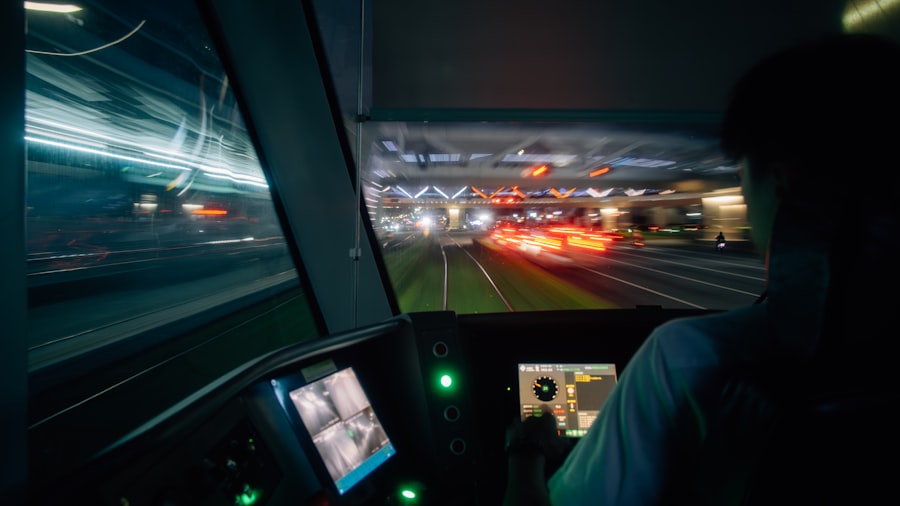
Mobility as a Service (MaaS) is an emerging concept that integrates various transportation services into a single accessible platform. By combining public transit, ride-sharing, bike-sharing, and other mobility options into one seamless service, MaaS aims to provide users with flexible and efficient travel solutions tailored to their needs. This approach encourages users to opt for sustainable modes of transport rather than relying solely on personal vehicles.
Cities like Helsinki have pioneered MaaS initiatives that allow residents to plan their journeys using multiple modes of transport through a single app. Users can compare costs, travel times, and environmental impacts before making decisions about their journeys. This holistic approach not only enhances user convenience but also promotes sustainable urban mobility by reducing reliance on cars.
As more cities adopt MaaS frameworks, the potential for transforming urban transportation systems becomes increasingly evident.
The Importance of Cybersecurity in the Digital Transportation Era
As transportation systems become more interconnected through digital technologies, cybersecurity has emerged as a critical concern. The increasing reliance on data-driven solutions exposes transportation networks to potential cyber threats that could disrupt operations or compromise safety. For instance, hacking incidents targeting public transit systems have raised alarms about vulnerabilities in infrastructure that could be exploited by malicious actors.
To mitigate these risks, stakeholders must prioritize cybersecurity measures across all levels of transportation systems. This includes implementing robust encryption protocols for data transmission, conducting regular security audits, and fostering a culture of cybersecurity awareness among employees. Additionally, collaboration between government agencies, private companies, and cybersecurity experts is essential to develop comprehensive strategies that protect against evolving threats.
As the digital landscape continues to evolve, ensuring the security of transportation systems will be paramount in maintaining public trust and safety.
The Future of Transportation: Emerging Technologies and Trends
Looking ahead, the future of transportation is poised for further innovation driven by emerging technologies and trends. Electric vehicles (EVs) are gaining traction as governments worldwide implement stricter emissions regulations and promote sustainable practices. The transition to EVs not only reduces greenhouse gas emissions but also opens up new opportunities for integrating renewable energy sources into transportation networks.
Furthermore, advancements in blockchain technology hold promise for enhancing transparency and efficiency in supply chain logistics. By providing a decentralized ledger for tracking shipments and verifying transactions, blockchain can streamline processes while reducing fraud risks. As these technologies continue to mature, they will likely play a pivotal role in shaping the future landscape of transportation.
In conclusion, the digital transformation of transportation is an ongoing journey characterized by rapid technological advancements that are reshaping how we move people and goods across the globe. From big data analytics to autonomous vehicles and IoT integration, each facet contributes to a more efficient, safe, and sustainable transportation ecosystem. As we navigate this transformative era, it is essential for stakeholders across the industry to embrace innovation while addressing challenges such as cybersecurity and regulatory frameworks to ensure a successful transition into the future of mobility.
In exploring the impact of technology on the transportation sector, a related article titled “Hello World” provides insights into the broader implications of digital advancements across various industries. This article complements the themes discussed in “The Digital Transformation of the Transportation Industry” by highlighting how digital tools are reshaping operational efficiencies and customer experiences. For more information, you can read the article [here](https://hellread.com/2024/12/04/hello-world/).
FAQs
What is digital transformation in the transportation industry?
Digital transformation in the transportation industry refers to the integration of digital technologies into all aspects of transportation operations, including logistics, fleet management, passenger services, and infrastructure. This transformation aims to improve efficiency, safety, and customer experience through innovations such as IoT, AI, big data analytics, and automation.
What are some key technologies driving the digital transformation of transportation?
Key technologies include the Internet of Things (IoT) for real-time tracking, artificial intelligence (AI) for predictive maintenance and route optimization, big data analytics for decision-making, autonomous vehicles, blockchain for secure transactions, and cloud computing for scalable data management.
How does digital transformation benefit the transportation industry?
Digital transformation enhances operational efficiency, reduces costs, improves safety, enables better asset utilization, provides real-time visibility into supply chains, enhances customer experience through personalized services, and supports sustainable practices by optimizing routes and reducing emissions.
What challenges does the transportation industry face during digital transformation?
Challenges include high implementation costs, data security and privacy concerns, resistance to change within organizations, integration of legacy systems with new technologies, regulatory compliance, and the need for skilled personnel to manage digital tools.
How is digital transformation impacting logistics and supply chain management?
Digital transformation enables real-time tracking of shipments, predictive analytics for demand forecasting, automated inventory management, improved route planning, and enhanced communication between stakeholders, leading to more efficient and transparent supply chains.
What role do autonomous vehicles play in the digital transformation of transportation?
Autonomous vehicles contribute by reducing human error, lowering operational costs, increasing safety, and enabling new business models such as on-demand mobility services. They rely heavily on digital technologies like AI, sensors, and connectivity to operate effectively.
How does digital transformation improve passenger transportation services?
It improves passenger services through mobile ticketing, real-time updates on schedules and delays, personalized travel recommendations, enhanced safety features, and seamless integration of different modes of transport for a smoother travel experience.
What is the future outlook for digital transformation in the transportation industry?
The future outlook includes widespread adoption of autonomous and electric vehicles, increased use of AI and machine learning for predictive analytics, greater connectivity through 5G networks, and continued emphasis on sustainability and smart infrastructure development.




