

“Chasing the Monsoon” is not merely a travelogue; it is an evocative exploration of one of nature’s most dramatic phenomena. Written by Alexander Frater, the book chronicles his journey across India during the monsoon season, a time when the landscape transforms and life pulses with renewed vigor. The monsoon, characterized by heavy rains and dramatic weather changes, is a critical period in the Indian subcontinent, influencing agriculture, culture, and daily life.
Frater’s narrative captures the essence of this season, weaving together personal experiences, historical context, and vivid descriptions of the landscapes he traverses. Frater’s journey is not just about witnessing the rains; it is an odyssey that delves into the heart of India’s relationship with the monsoon. The author embarks on a quest to understand how this seasonal shift affects the people, their livelihoods, and their traditions.
Through his eyes, readers are invited to experience the anticipation and excitement that accompany the arrival of the rains, as well as the challenges and disruptions that often follow. The book serves as a reminder of nature’s power and its profound impact on human life, making it a compelling read for anyone interested in travel, culture, or environmental phenomena.
Key Takeaways
- The monsoon is a powerful natural phenomenon that deeply influences culture, society, and the environment.
- Alexander Frater’s journey offers a unique, personal perspective on experiencing the monsoon firsthand.
- Understanding the science behind the monsoon helps explain its patterns and significance.
- Chasing the monsoon involves significant challenges and dangers due to unpredictable weather conditions.
- The experience provides valuable insights into human resilience and the profound impact of nature on life.
The Fascination with the Monsoon
The monsoon season has captivated the imagination of poets, artists, and scientists alike for centuries. In India, it is more than just a meteorological event; it is a cultural phenomenon that signifies renewal and hope. The arrival of the monsoon is often celebrated with festivals and rituals, as communities come together to welcome the life-giving rains.
This fascination is deeply rooted in the agricultural practices of the region, where farmers depend on the monsoon for their crops. The rhythm of planting and harvesting is intricately tied to the monsoon’s unpredictable patterns, making it a central theme in rural life. Moreover, the monsoon evokes a sense of nostalgia and longing in many who have experienced its transformative power.
The sound of raindrops tapping against rooftops, the earthy scent of wet soil, and the sight of lush greenery emerging from parched land create an emotional tapestry that resonates with people on multiple levels. Frater captures this sentiment beautifully in his writing, illustrating how the monsoon stirs memories and emotions, connecting individuals to their past and to each other. The fascination with the monsoon extends beyond its physical manifestations; it encompasses a deeper understanding of life’s cycles and the interconnectedness of nature and humanity.
Alexander Frater’s Journey
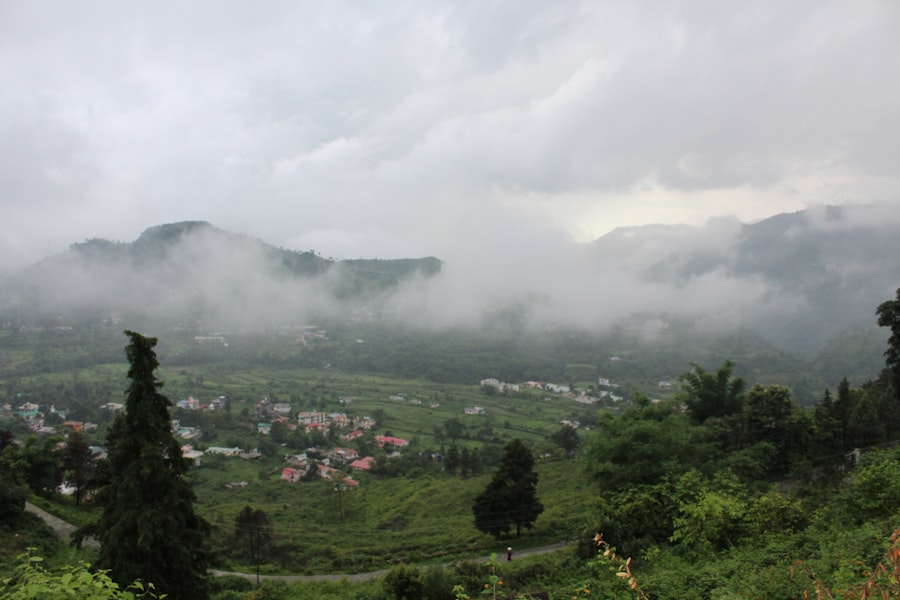
Frater’s journey through India during the monsoon season is both adventurous and introspective. He travels from the southern tip of India to its northern reaches, navigating through diverse landscapes that are dramatically altered by the rains. His narrative is rich with detail, as he describes not only the physical journey but also the people he encounters along the way.
Each location offers a unique perspective on how different communities experience and respond to the monsoon. For instance, in Kerala, he witnesses how the lush backwaters come alive with rainwater, while in Rajasthan, he observes how the arid desert transforms into a vibrant oasis. Throughout his travels, Frater encounters various challenges that come with chasing the monsoon.
From navigating flooded roads to dealing with unpredictable weather patterns, his journey is fraught with obstacles that test his resolve. Yet, these challenges also provide opportunities for connection and discovery. He meets farmers who share their stories of resilience in the face of nature’s whims and urban dwellers who express their love-hate relationship with the rains.
Frater’s ability to weave these personal anecdotes into his broader narrative enriches his exploration of the monsoon, making it a deeply human story that resonates with readers.
The Impact of the Monsoon on Culture and Society
The monsoon’s influence extends far beyond agriculture; it permeates every aspect of Indian culture and society. Festivals such as Teej and Onam celebrate the arrival of rains, showcasing traditional music, dance, and culinary delights that are intrinsically linked to this season. These celebrations reflect a collective joy and gratitude for the life-sustaining waters that nourish crops and replenish water sources.
In many ways, the monsoon serves as a unifying force that brings communities together in shared rituals and traditions. Moreover, literature and art have been profoundly shaped by the monsoon’s presence. Poets like Rabindranath Tagore have immortalized its beauty in verse, while painters have captured its essence on canvas.
The monsoon has inspired countless stories that explore themes of love, longing, and loss, often using rain as a metaphor for emotional turmoil or renewal. Frater highlights these cultural dimensions in his writing, illustrating how deeply embedded the monsoon is in the collective consciousness of India. It is not merely a season; it is a source of inspiration that fuels creativity and fosters a sense of identity among diverse communities.
The Science Behind the Monsoon
Understanding the science behind the monsoon is crucial to appreciating its complexity and significance. The Indian monsoon is primarily driven by the southwest winds that bring moisture-laden air from the Indian Ocean. As these winds encounter the Western Ghats and other mountain ranges, they are forced to rise, leading to condensation and precipitation.
This process results in heavy rainfall across vast regions of India during the months of June to September. However, predicting monsoon patterns remains a challenge due to their inherent variability influenced by factors such as ocean temperatures and atmospheric conditions. Meteorologists employ advanced models to forecast monsoon behavior, yet uncertainties persist.
For instance, phenomena like El Niño can disrupt typical weather patterns, leading to either excessive rainfall or drought conditions in different parts of India. Frater touches upon these scientific aspects in his narrative, emphasizing how understanding these dynamics is essential for farmers who rely on accurate predictions for their livelihoods.
Challenges and Dangers of Chasing the Monsoon
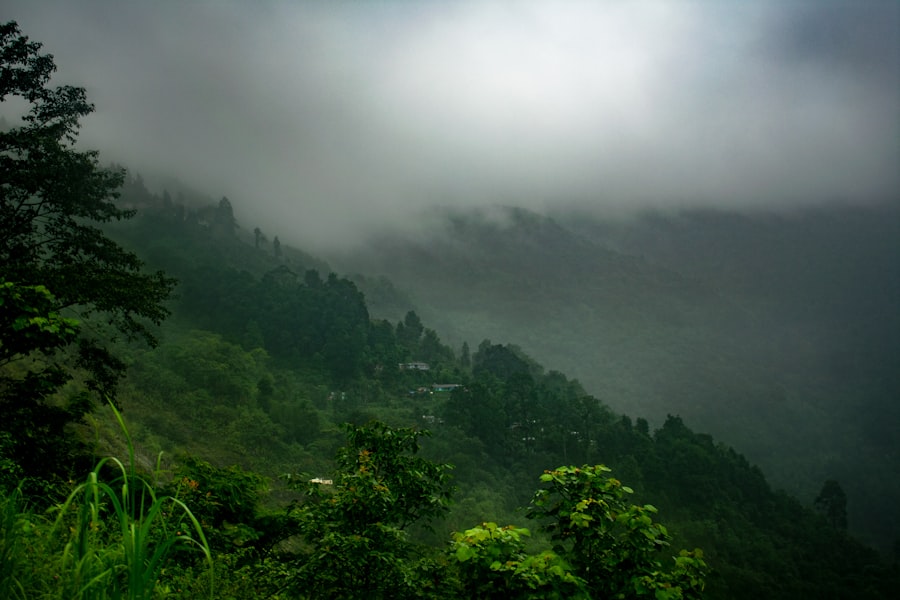
While chasing the monsoon can be exhilarating, it also presents numerous challenges and dangers that Frater encounters throughout his journey. The unpredictable nature of monsoonal weather can lead to sudden downpours that cause flash floods, landslides, and other natural disasters. Travelers must navigate treacherous terrain where roads may become impassable or washed away entirely.
Frater recounts moments where he found himself stranded or forced to alter his plans due to adverse weather conditions, highlighting the precariousness of his pursuit. Additionally, there are social challenges associated with chasing the monsoon. In rural areas, infrastructure may be inadequate to handle heavy rainfall, leading to disruptions in transportation and communication.
Frater observes how these challenges affect local communities, revealing disparities between urban centers equipped to cope with such conditions and rural areas that struggle for basic resources during monsoons. His reflections on these issues underscore not only the physical dangers but also the socio-economic implications of this seasonal phenomenon.
Personal Reflections and Insights from Alexander Frater
Frater’s personal reflections throughout “Chasing the Monsoon” add depth to his narrative, offering insights into his own relationship with nature and travel. He often contemplates what it means to chase something as elusive as rain—a force that cannot be controlled or predicted with absolute certainty. This pursuit becomes a metaphor for life itself: filled with uncertainties yet rich with experiences that shape one’s understanding of the world.
His musings encourage readers to consider their own journeys and how they relate to nature’s rhythms. Moreover, Frater’s interactions with locals provide profound insights into human resilience and adaptability. He learns from farmers who have developed intricate knowledge systems based on generations of experience with monsoonal patterns.
These encounters reveal a deep respect for nature’s power and an understanding that while humans can prepare for its effects, they must also accept its unpredictability. Frater’s ability to convey these lessons through personal anecdotes enriches his narrative, inviting readers to reflect on their own connections to nature and community.
Conclusion and Takeaways from Chasing the Monsoon
“Chasing the Monsoon” serves as an exploration not only of a climatic phenomenon but also of human experience intertwined with nature’s cycles. Through Alexander Frater’s vivid storytelling, readers gain insight into how deeply ingrained the monsoon is in Indian culture and society while also appreciating its scientific complexities. The book highlights both the beauty and challenges associated with this season—reminding us that nature is both a source of sustenance and a force to be reckoned with.
Frater’s journey ultimately encourages readers to embrace uncertainty in their own lives while fostering a deeper appreciation for our environment. As he navigates through rain-soaked landscapes and engages with diverse communities, he illustrates how chasing something as ephemeral as rain can lead to profound personal growth and understanding. In doing so, “Chasing the Monsoon” becomes more than just an account of weather patterns; it transforms into a celebration of life’s unpredictability and interconnectedness—a theme that resonates universally across cultures and experiences.
In “Chasing the Monsoon,” Alexander Frater embarks on a captivating journey through India, exploring the profound impact of the monsoon season on the culture and landscape. For readers interested in further exploring the themes of travel and nature, a related article can be found at Hello World, which delves into the beauty and challenges of experiencing different climates around the globe.
FAQs
What is “Chasing the Monsoon” by Alexander Frater about?
“Chasing the Monsoon” is a travelogue by Alexander Frater that chronicles his journey across India to experience the monsoon season. The book explores the cultural, environmental, and emotional impact of the monsoon rains on the Indian subcontinent.
Who is Alexander Frater?
Alexander Frater was a British-Australian travel writer and journalist known for his vivid and insightful travel narratives. He wrote extensively about his journeys in Asia and the Pacific, with “Chasing the Monsoon” being one of his most celebrated works.
When was “Chasing the Monsoon” published?
“Chasing the Monsoon” was first published in 1990.
What regions does Alexander Frater travel through in the book?
In “Chasing the Monsoon,” Frater travels through various parts of India, including Mumbai, Kerala, and the northeastern states, following the progression of the monsoon rains across the country.
What themes are explored in “Chasing the Monsoon”?
The book explores themes such as the power and beauty of nature, the cultural significance of the monsoon in India, human resilience, and the interplay between weather and daily life.
Is “Chasing the Monsoon” based on a true story?
Yes, “Chasing the Monsoon” is a non-fiction travel narrative based on Alexander Frater’s real-life journey across India during the monsoon season.
What makes “Chasing the Monsoon” a notable travel book?
The book is praised for its lyrical prose, deep cultural insights, and vivid descriptions of the Indian monsoon. Frater’s ability to blend personal experience with broader observations about nature and society makes it a standout work in travel literature.
Has “Chasing the Monsoon” been adapted into other media?
Yes, “Chasing the Monsoon” was adapted into a documentary film that captures the essence of Frater’s journey and the monsoon season in India.
Who would enjoy reading “Chasing the Monsoon”?
The book is ideal for readers interested in travel, nature, Indian culture, and weather phenomena, as well as those who appreciate well-crafted narrative nonfiction.
Where can I find “Chasing the Monsoon”?
“Chasing the Monsoon” is available in bookstores, online retailers, and libraries in both print and digital formats.




