
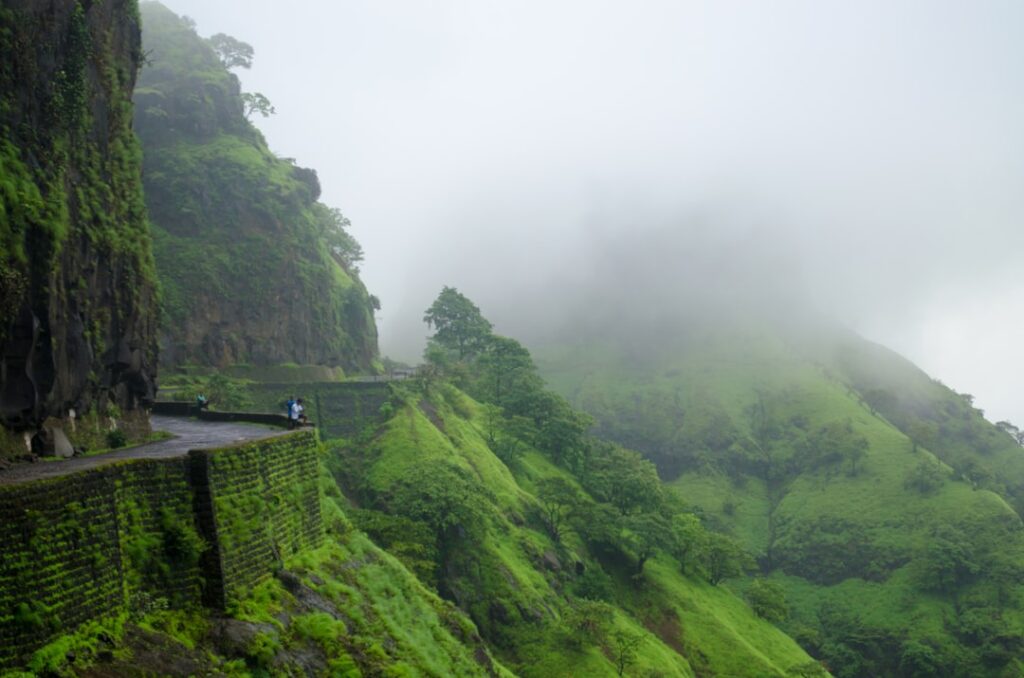
Chasing the Monsoon is not merely a travelogue; it is an evocative exploration of one of nature’s most dramatic phenomena. The monsoon, characterized by its torrential rains and transformative power, has captivated the imagination of many, including the renowned author Alexander Frater. In his book, Frater embarks on a journey across the Indian subcontinent, tracing the path of the monsoon as it sweeps in from the southwest, bringing life and vitality to a land that has long depended on its seasonal rains.
This journey is not just about witnessing the rains; it is an odyssey that delves into the intricate relationship between humans and nature, revealing how deeply intertwined they are. Frater’s narrative is rich with vivid descriptions and personal anecdotes that bring to life the sights, sounds, and smells of the monsoon season. He captures the anticipation that builds in the air as the first drops fall, signaling a shift in the landscape and the rhythm of life.
The monsoon is a time of renewal, a season that shapes agriculture, culture, and even the very psyche of the people who experience it. Through his eyes, readers are invited to understand not only the physical journey but also the emotional and cultural significance of this annual event.
Key Takeaways
- Chasing the Monsoon is a thrilling adventure that involves following the seasonal winds and rains across the Indian subcontinent.
- The monsoon has a rich history and is of great importance to the people, agriculture, and economy of the region.
- Alexander Frater embarked on a journey to experience the monsoon and understand its impact on the people and culture of India.
- The monsoon holds great cultural significance, influencing festivals, traditions, and daily life in the region.
- The science behind the monsoon involves complex atmospheric and oceanic processes that drive the seasonal weather patterns.
The History and Importance of the Monsoon
The monsoon has a storied history that stretches back thousands of years, deeply embedded in the agricultural practices and cultural narratives of South Asia. Historically, the arrival of the monsoon has been a double-edged sword; while it brings much-needed water for crops, it can also lead to devastating floods. Ancient civilizations learned to adapt to this rhythm, developing agricultural techniques that harnessed the rains while mitigating their destructive potential.
The monsoon’s predictability allowed societies to thrive, with farmers timing their planting and harvesting around its arrival. In India, for instance, the monsoon is not just a meteorological event; it is a lifeline. The majority of the country’s agriculture relies on these seasonal rains, making them crucial for food security.
The monsoon’s importance extends beyond agriculture; it influences economic policies, migration patterns, and even social structures. Festivals celebrating the onset of rains are common across various cultures in India, highlighting its significance in daily life. The historical reverence for the monsoon is evident in ancient texts and folklore, where it is often personified as a deity or a force of nature deserving respect and gratitude.
Alexander Frater’s Journey and Purpose
Alexander Frater’s journey in “Chasing the Monsoon” is both literal and metaphorical. He sets out to follow the monsoon’s path from its origins over the Arabian Sea to its eventual dissipation over northern India. His purpose transcends mere observation; he seeks to understand how this climatic phenomenon shapes lives and landscapes.
Frater’s narrative is interspersed with encounters with locals who share their stories and experiences related to the monsoon, providing a rich tapestry of perspectives that enhance his journey. Frater’s writing style is immersive, drawing readers into his experiences as he navigates through bustling cities and serene rural landscapes alike. He describes not only the physical challenges of chasing the monsoon—such as unpredictable weather and difficult travel conditions—but also his emotional responses to the beauty and chaos that accompany this season.
His reflections on the people he meets along the way reveal a deep appreciation for their resilience and adaptability in the face of nature’s whims. Through his journey, Frater illustrates how the monsoon serves as a backdrop for human stories, connecting individuals across diverse regions through shared experiences.
The Cultural Significance of the Monsoon
The cultural significance of the monsoon in South Asia cannot be overstated. It permeates literature, music, dance, and art, serving as a muse for countless artists and writers throughout history. In Indian classical music, for example, there are specific ragas dedicated to invoking the spirit of rain, capturing its essence through melody.
Festivals such as Teej and Onam celebrate the arrival of the monsoon with vibrant rituals that reflect joy and gratitude for the life-giving rains. Moreover, folklore surrounding the monsoon often highlights themes of love and longing. Poets have long used rain as a metaphor for emotional states—its arrival can symbolize hope or despair depending on context.
In rural communities, traditional songs sung during this season often express collective hopes for bountiful harvests or lamentations over failed crops due to erratic weather patterns.
The Science Behind the Monsoon
Understanding the science behind the monsoon involves delving into complex meteorological phenomena that govern its behavior. The Indian monsoon is primarily driven by differential heating between land and sea, creating pressure systems that lead to seasonal winds known as monsoonal winds. As warm air rises over land during summer months, it creates a low-pressure area that draws in moisture-laden winds from over the Indian Ocean.
This process culminates in heavy rainfall as these winds encounter geographical features like mountains that force them to rise and cool. The monsoon’s onset is marked by specific indicators such as changes in wind patterns and humidity levels. Meteorologists utilize satellite imagery and weather models to predict its arrival with increasing accuracy.
However, despite advancements in technology, predicting the exact timing and intensity of rainfall remains challenging due to various factors including climate change. The implications of these changes are profound; altered rainfall patterns can lead to droughts in some regions while causing floods in others, affecting millions who depend on this seasonal cycle.
Challenges and Adventures of Chasing the Monsoon
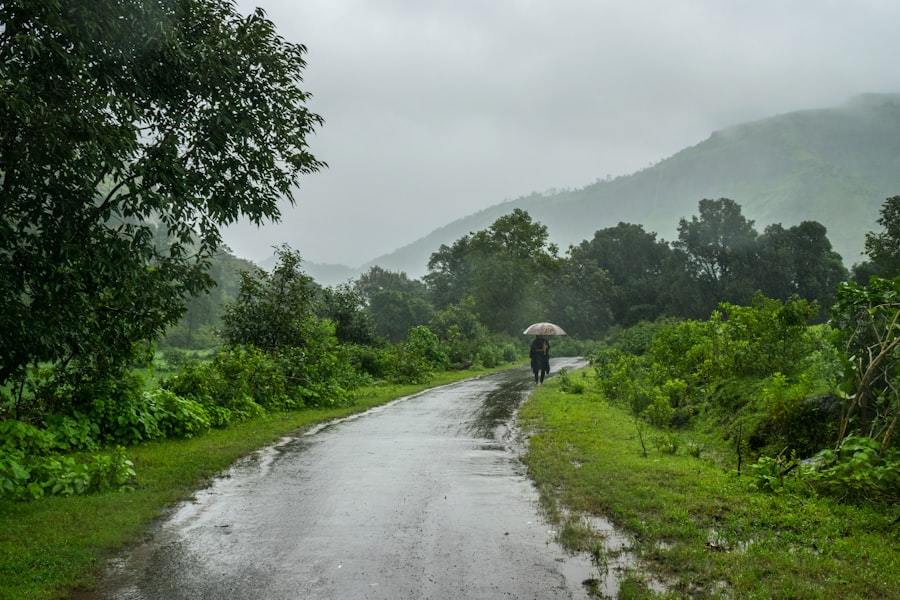
Chasing the monsoon is fraught with challenges that test both physical endurance and mental resilience. Frater recounts numerous adventures during his journey—navigating through flooded roads, dealing with transportation delays caused by landslides, and adapting to rapidly changing weather conditions. Each obstacle presents an opportunity for discovery; he encounters local communities who have developed unique strategies for coping with monsoonal challenges, showcasing human ingenuity in adversity.
The unpredictability of the monsoon adds an element of excitement to Frater’s quest. As he travels from one location to another, he must remain flexible in his plans, often altering his route based on real-time weather updates. This dynamic aspect of chasing the monsoon mirrors life itself—filled with uncertainties yet rich with experiences waiting to unfold.
Frater’s narrative captures these moments beautifully, illustrating how each challenge faced along the way contributes to a deeper understanding of both nature’s power and human resilience.
Impact of the Monsoon on People and Environment
The impact of the monsoon extends far beyond immediate rainfall; it shapes entire ecosystems and influences human livelihoods across vast regions. For farmers in India, successful cultivation hinges on timely rains; crops such as rice, which require substantial water during their growing season, thrive under optimal monsoonal conditions. Conversely, erratic rainfall can lead to crop failures, food shortages, and economic instability for communities reliant on agriculture.
The environmental consequences of monsoonal rains are equally significant. They rejuvenate rivers and replenish groundwater supplies essential for drinking water and irrigation throughout dry seasons. However, excessive rainfall can lead to soil erosion and degradation of land quality over time.
Urban areas face their own set of challenges; inadequate drainage systems can result in flooding that disrupts daily life and damages infrastructure. The interplay between human activity and natural processes during this season highlights both vulnerabilities and opportunities for sustainable development.
Conclusion and Reflections on Chasing the Monsoon
Chasing the Monsoon serves as a poignant reminder of our connection to nature and its rhythms. Through Alexander Frater’s eyes, readers gain insight into not only a climatic phenomenon but also a cultural cornerstone that shapes lives across South Asia. The journey reveals how deeply intertwined human existence is with environmental cycles—how joy can emerge from anticipation as well as despair from unpredictability.
Frater’s reflections encourage us to appreciate both the beauty and chaos inherent in nature’s cycles. As we navigate our own lives amidst uncertainties—much like chasing after elusive rains—we are reminded of our resilience and adaptability in facing challenges head-on.
In “Chasing the Monsoon,” Alexander Frater embarks on a captivating journey through India, exploring the profound impact of the monsoon season on the culture and landscape. For readers interested in further exploring the themes of travel and nature, the article titled “Hello World” offers a unique perspective on the relationship between humanity and the environment. You can read it [here](https://hellread.com/2024/12/04/hello-world/).
FAQs
What is “Chasing the Monsoon” about?
“Chasing the Monsoon” is a travel memoir written by Alexander Frater, in which he recounts his journey across India in pursuit of the monsoon season.
When was “Chasing the Monsoon” published?
“Chasing the Monsoon” was first published in 1990.
Why did Alexander Frater embark on this journey?
Frater was inspired to chase the monsoon after experiencing the phenomenon as a child in his native island of Vanuatu. He wanted to rekindle that sense of wonder and adventure.
What is the significance of the monsoon in India?
The monsoon is a crucial weather phenomenon in India, as it brings much-needed rainfall for agriculture and sustains the country’s ecosystems. It also has cultural and spiritual significance in Indian society.
What was the author’s experience like during his journey?
Frater’s journey was filled with encounters with diverse cultures, landscapes, and people. He faced challenges and obstacles but also experienced the beauty and power of the monsoon firsthand.
How was “Chasing the Monsoon” received by readers and critics?
The book received positive reviews for its vivid storytelling, evocative descriptions, and insightful exploration of the monsoon’s impact on India and its people. It has been praised as a captivating and immersive travel narrative.




