
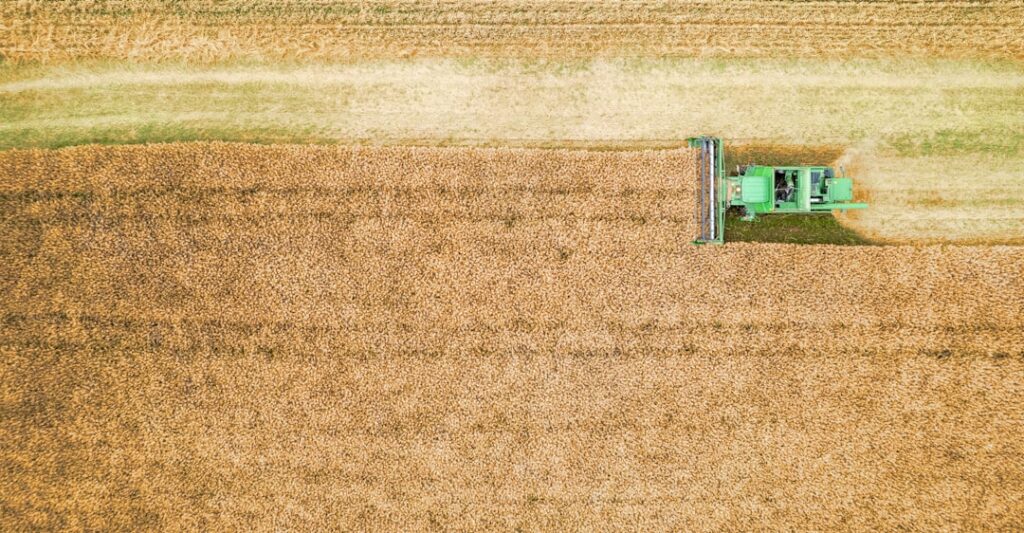
Digital transformation in agriculture represents a profound shift in how farming practices are conducted, leveraging technology to enhance productivity, efficiency, and sustainability. This transformation encompasses a wide array of technologies, including the Internet of Things (IoT), artificial intelligence (AI), big data analytics, and precision agriculture tools. As the global population continues to rise, the demand for food is increasing exponentially, necessitating innovative solutions to meet these challenges.
Digital transformation is not merely an option; it has become a necessity for farmers seeking to remain competitive in an ever-evolving market. The agricultural sector has historically been slow to adopt new technologies, often relying on traditional methods passed down through generations. However, the advent of digital tools has begun to change this landscape dramatically.
Farmers are now able to utilize real-time data to make informed decisions about crop management, resource allocation, and market strategies. This shift is not only about improving yields but also about creating a more resilient agricultural system capable of adapting to climate change and fluctuating market demands.
Key Takeaways
- Digital transformation in agriculture involves the integration of digital technology to improve farming practices and increase efficiency.
- The benefits of digital technology in agriculture include increased productivity, improved decision-making, and better resource management.
- Case studies of successful digital transformation in agriculture showcase the positive impact of technology on crop yield, livestock management, and supply chain optimization.
- Challenges and barriers to implementing digital technology in agriculture include high initial costs, lack of technical expertise, and resistance to change from traditional farming practices.
- Data and analytics play a crucial role in digital agriculture by providing insights into crop health, soil conditions, and market trends, enabling farmers to make informed decisions.
The Benefits of Digital Technology in Agriculture
The integration of digital technology into agriculture offers numerous benefits that can significantly enhance farming operations. One of the most notable advantages is the ability to increase efficiency through precision agriculture. By utilizing GPS technology and IoT devices, farmers can monitor their fields with unprecedented accuracy.
This allows for targeted application of water, fertilizers, and pesticides, reducing waste and minimizing environmental impact. For instance, a farmer using precision irrigation systems can apply water only where it is needed, conserving resources while ensuring optimal crop growth. Moreover, digital technology facilitates better decision-making through data-driven insights.
Farmers can collect and analyze vast amounts of data related to soil health, weather patterns, and crop performance. This information enables them to make proactive adjustments to their farming practices. For example, predictive analytics can forecast pest outbreaks or disease risks, allowing farmers to take preventive measures before issues escalate.
The result is not only improved crop yields but also enhanced resilience against unpredictable environmental factors.
Case Studies of Successful Digital Transformation in Agriculture
Several case studies illustrate the successful implementation of digital transformation in agriculture across various regions and crops. One prominent example is the use of drones in precision agriculture. In the United States, farmers have adopted drone technology to survey their fields from above, capturing high-resolution images that reveal crop health and growth patterns.
A notable case is that of a corn farmer in Iowa who utilized drones to identify areas of his field suffering from nutrient deficiencies. By applying targeted treatments based on drone data, he was able to increase his yield by 15% while reducing fertilizer costs. Another compelling case is found in the use of mobile applications for farm management in developing countries.
In Kenya, a mobile platform called M-Farm connects farmers with market information, enabling them to make informed decisions about pricing and sales. This platform has empowered smallholder farmers by providing them access to real-time market data, allowing them to negotiate better prices for their produce. As a result, many farmers have reported increased income and improved livelihoods due to their ability to engage directly with buyers rather than relying on intermediaries.
Challenges and Barriers to Implementing Digital Technology in Agriculture
Despite the numerous benefits associated with digital transformation in agriculture, several challenges hinder its widespread adoption. One significant barrier is the lack of access to reliable internet connectivity in rural areas. Many farmers, particularly in developing regions, struggle with limited or no access to high-speed internet, which is essential for utilizing cloud-based applications and real-time data analytics.
This digital divide creates disparities between technologically advanced farms and those that remain reliant on traditional practices. Additionally, there is often a steep learning curve associated with adopting new technologies. Many farmers may lack the technical skills required to operate advanced digital tools effectively.
Training and education are crucial components for successful implementation; however, resources for such initiatives are often scarce. Furthermore, the initial investment required for digital technologies can be prohibitive for smallholder farmers who may already be operating on tight margins. Addressing these challenges requires collaborative efforts from governments, NGOs, and private sector stakeholders to create supportive ecosystems that facilitate technology adoption.
The Role of Data and Analytics in Digital Agriculture
Data and analytics play a pivotal role in the digital transformation of agriculture by enabling farmers to harness information for better decision-making. The collection of data from various sources—such as sensors in the field, weather stations, and satellite imagery—provides a comprehensive view of agricultural conditions. This data can be analyzed to identify trends and patterns that inform farming practices.
For instance, soil moisture sensors can relay real-time information about soil conditions, allowing farmers to optimize irrigation schedules based on actual needs rather than assumptions. Moreover, advanced analytics can help farmers predict future outcomes based on historical data. Machine learning algorithms can analyze past crop performance alongside environmental variables to forecast yields under different scenarios.
This predictive capability empowers farmers to plan more effectively for planting and harvesting seasons, ultimately leading to increased productivity and reduced waste. The integration of data analytics into agricultural practices not only enhances operational efficiency but also contributes to more sustainable farming by minimizing resource use.
The Future of Digital Transformation in Agriculture
Looking ahead, the future of digital transformation in agriculture appears promising as technology continues to evolve at a rapid pace. Innovations such as autonomous tractors and robotic harvesters are set to revolutionize labor-intensive tasks on farms. These technologies can operate around the clock without fatigue, significantly increasing productivity while addressing labor shortages that many agricultural sectors face today.
Furthermore, advancements in biotechnology combined with digital tools are likely to enhance crop resilience against pests and diseases. Genomic editing technologies like CRISPR could be integrated with precision agriculture techniques to develop crops that require fewer inputs while yielding higher outputs. As these technologies become more accessible and affordable, they will empower farmers worldwide to adopt sustainable practices that align with global food security goals.
The Impact of Digital Agriculture on Sustainable Farming Practices
Digital agriculture has the potential to significantly impact sustainable farming practices by promoting resource efficiency and reducing environmental footprints. Precision agriculture techniques enable farmers to apply inputs more judiciously, minimizing excess use of fertilizers and pesticides that can lead to soil degradation and water pollution. For example, by utilizing soil health monitoring systems that provide real-time feedback on nutrient levels, farmers can tailor their input applications precisely to what their crops need at any given time.
Additionally, digital tools facilitate better land management practices that contribute to biodiversity conservation. By employing satellite imagery and GIS mapping technologies, farmers can identify areas within their fields that are less productive or ecologically sensitive. This information allows them to implement conservation practices such as crop rotation or cover cropping in those areas, enhancing soil health while preserving local ecosystems.
As digital agriculture continues to evolve, its integration with sustainable practices will be crucial for addressing the pressing challenges posed by climate change and resource scarcity.
The Potential of Digital Transformation to Revolutionize Agriculture
The potential of digital transformation to revolutionize agriculture is immense, offering solutions that address both current challenges and future demands for food production. As technology continues to advance, it will enable farmers to operate more efficiently while adopting sustainable practices that protect the environment for future generations. The journey toward a fully digitized agricultural sector will require overcoming barriers related to access, education, and investment; however, the benefits far outweigh these challenges.
As stakeholders across the agricultural value chain collaborate to foster innovation and support technology adoption, we can expect a new era of farming characterized by resilience, productivity, and sustainability. The integration of digital tools into agriculture not only promises enhanced yields but also paves the way for a more equitable food system that meets the needs of a growing global population while safeguarding our planet’s resources.
In the rapidly evolving landscape of agriculture, digital transformation is playing a pivotal role in enhancing productivity and sustainability. The article “The Digital Transformation of Agriculture” by Various Authors delves into the innovative technologies reshaping the agricultural sector. For further insights into how digital advancements are impacting various industries, you might find the article titled “Hello World” on Hellread particularly enlightening. It explores the broader implications of digital innovation across different fields. You can read it by following this link.
FAQs
What is digital transformation in agriculture?
Digital transformation in agriculture refers to the integration of digital technologies and data-driven solutions to improve farming practices, increase productivity, and optimize resource management in the agricultural sector.
What are some examples of digital technologies used in agriculture?
Some examples of digital technologies used in agriculture include precision agriculture tools, such as GPS-guided tractors and drones, sensor-based monitoring systems, automated irrigation systems, and farm management software.
How does digital transformation benefit agriculture?
Digital transformation benefits agriculture by enabling farmers to make data-driven decisions, optimize resource use, improve crop yields, reduce environmental impact, and enhance overall efficiency and productivity in farming operations.
What are the challenges of digital transformation in agriculture?
Challenges of digital transformation in agriculture include the initial investment in technology, access to reliable internet connectivity in rural areas, data privacy and security concerns, and the need for training and education on digital tools for farmers.
What is the future of digital transformation in agriculture?
The future of digital transformation in agriculture is expected to continue evolving with advancements in artificial intelligence, machine learning, and the Internet of Things (IoT) to further optimize farming practices, increase sustainability, and meet the growing demand for food production.




