
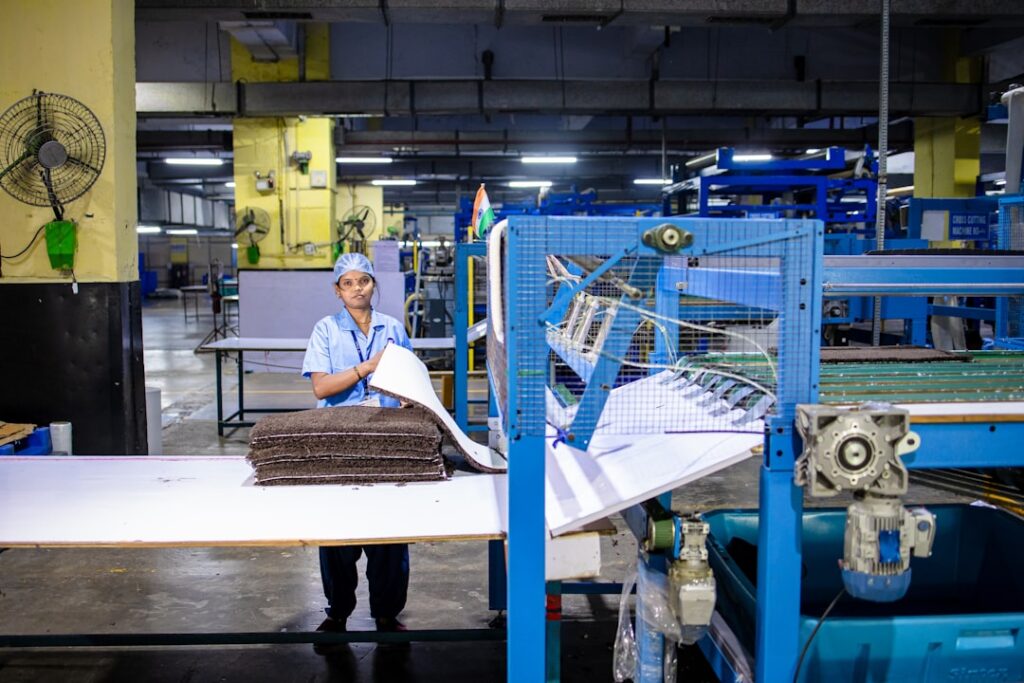
Industry 4.0 represents a paradigm shift in manufacturing, characterized by the integration of digital technologies into production processes. This fourth industrial revolution is marked by the convergence of cyber-physical systems, the Internet of Things (IoT), cloud computing, and cognitive computing. The impact of these technologies on manufacturing is profound, as they enable unprecedented levels of efficiency, flexibility, and customization.
For instance, manufacturers can now leverage real-time data to make informed decisions, optimize supply chains, and enhance product quality. This transformation is not merely about automation; it is about creating smart factories that can adapt to changing market demands and consumer preferences. The implications of Industry 4.0 extend beyond operational improvements; they also reshape the workforce landscape.
As machines become more intelligent and capable of performing complex tasks, the demand for skilled labor shifts. Workers are required to possess a blend of technical skills and analytical capabilities to manage and interpret data generated by smart systems. This evolution necessitates a rethinking of training programs and educational curricula to prepare the workforce for the challenges and opportunities presented by this new industrial era.
Moreover, the integration of advanced technologies fosters collaboration between humans and machines, leading to enhanced productivity and innovation.
Key Takeaways
- Industry 4.0 is transforming manufacturing by integrating digital technologies and automation to improve efficiency and productivity.
- Automation and robotics are revolutionizing production processes by streamlining operations, reducing errors, and increasing output.
- Big data and analytics play a crucial role in optimizing manufacturing operations by providing insights for better decision-making and process improvement.
- The integration of Internet of Things (IoT) in the manufacturing industry enables real-time monitoring, predictive maintenance, and improved supply chain management.
- Implementing digital twins in manufacturing offers advantages such as virtual testing and simulation, but also presents challenges in data management and security.
Automation and robotics are at the forefront of the Industry 4.0 revolution, fundamentally altering how products are manufactured. The deployment of robotic systems in production lines has led to significant improvements in speed, accuracy, and safety. For example, automotive manufacturers have long utilized robotic arms for tasks such as welding and painting, which require precision and consistency.
These robots can operate continuously without fatigue, resulting in higher output rates and reduced labor costs. Furthermore, advancements in artificial intelligence (AI) have enabled robots to learn from their environments, adapt to new tasks, and collaborate with human workers more effectively. The revolution brought about by automation is not limited to large-scale manufacturers; small and medium-sized enterprises (SMEs) are also reaping the benefits.
With the advent of affordable robotic solutions and user-friendly programming interfaces, SMEs can automate processes that were previously deemed too costly or complex. For instance, a small electronics manufacturer might implement a robotic assembly line that can quickly adapt to produce different products based on market demand. This flexibility allows SMEs to compete with larger firms by offering customized solutions without sacrificing efficiency.
The Role of Big Data and Analytics in Optimizing Manufacturing Operations
Big data and analytics play a crucial role in optimizing manufacturing operations by providing insights that drive decision-making processes. The vast amounts of data generated by machines, sensors, and supply chain activities can be harnessed to identify inefficiencies, predict maintenance needs, and enhance product quality. For example, predictive analytics can analyze historical data to forecast equipment failures before they occur, allowing manufacturers to schedule maintenance proactively and minimize downtime.
This approach not only saves costs but also extends the lifespan of machinery. Moreover, data analytics enables manufacturers to gain a deeper understanding of customer preferences and market trends. By analyzing consumer behavior data, companies can tailor their products to meet specific demands, thereby increasing customer satisfaction and loyalty.
For instance, a clothing manufacturer might use data analytics to identify popular styles and sizes in different regions, allowing them to optimize inventory levels and reduce waste. The ability to make data-driven decisions empowers manufacturers to remain competitive in an increasingly dynamic market.
The Integration of Internet of Things (IoT) in the Manufacturing Industry
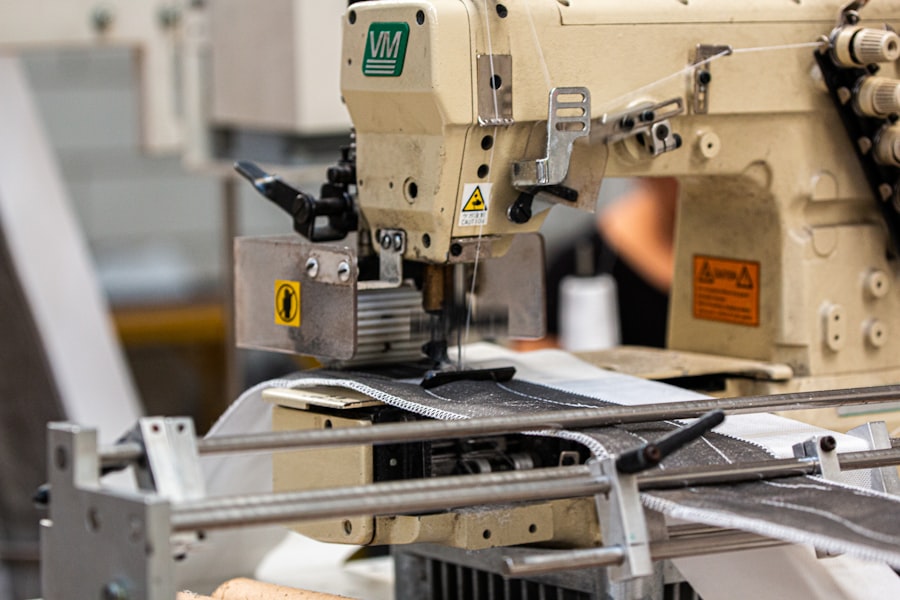
The Internet of Things (IoT) has emerged as a transformative force in the manufacturing sector, facilitating seamless communication between machines, devices, and systems. By embedding sensors in equipment and products, manufacturers can collect real-time data on performance metrics such as temperature, pressure, and operational efficiency. This connectivity allows for continuous monitoring and control of production processes, leading to improved quality assurance and reduced operational costs.
For instance, a food processing plant can utilize IoT sensors to monitor temperature fluctuations during production, ensuring that products meet safety standards. Furthermore, IoT integration enhances supply chain visibility by enabling manufacturers to track materials and products throughout their lifecycle. This capability allows for better inventory management and reduces the risk of stockouts or overstock situations.
The interconnectedness fostered by IoT not only streamlines operations but also enhances collaboration among stakeholders across the supply chain.
The Advantages and Challenges of Implementing Digital Twins in Manufacturing
Digital twins—virtual replicas of physical assets—are gaining traction in the manufacturing industry as a means to enhance operational efficiency and innovation. By creating a digital twin of a machine or production line, manufacturers can simulate various scenarios and analyze performance without disrupting actual operations. This capability allows for real-time monitoring and predictive maintenance, as manufacturers can assess how changes in one part of the system affect overall performance.
For example, a manufacturer might use a digital twin to test different configurations of a production line before implementing changes in the physical environment. However, the implementation of digital twins is not without its challenges. Developing accurate digital representations requires significant investment in technology and expertise.
Manufacturers must ensure that their data collection methods are robust enough to create reliable models that reflect real-world conditions accurately. Additionally, integrating digital twins into existing systems can be complex, requiring careful planning and coordination among various departments. Despite these challenges, the potential benefits—such as reduced downtime, improved product quality, and enhanced innovation—make digital twins an attractive option for forward-thinking manufacturers.
The Rise of Additive Manufacturing and 3D Printing in the Digital Era
Additive manufacturing, commonly known as 3D printing, has emerged as a revolutionary technology within the manufacturing landscape. Unlike traditional subtractive manufacturing methods that involve cutting away material from a solid block, additive manufacturing builds objects layer by layer from digital models. This process allows for greater design flexibility and the creation of complex geometries that would be difficult or impossible to achieve with conventional techniques.
Industries such as aerospace and healthcare have embraced 3D printing for producing lightweight components and customized medical implants tailored to individual patients. The advantages of additive manufacturing extend beyond design capabilities; it also offers significant cost savings and reduced lead times. By enabling on-demand production, manufacturers can minimize inventory costs and respond more rapidly to changing market demands.
For instance, a company producing spare parts for machinery can utilize 3D printing to create components as needed rather than maintaining large inventories of parts that may become obsolete over time. This shift towards just-in-time production aligns with the principles of lean manufacturing, promoting efficiency while reducing waste.
The Importance of Cybersecurity in the Digital Transformation of Manufacturing
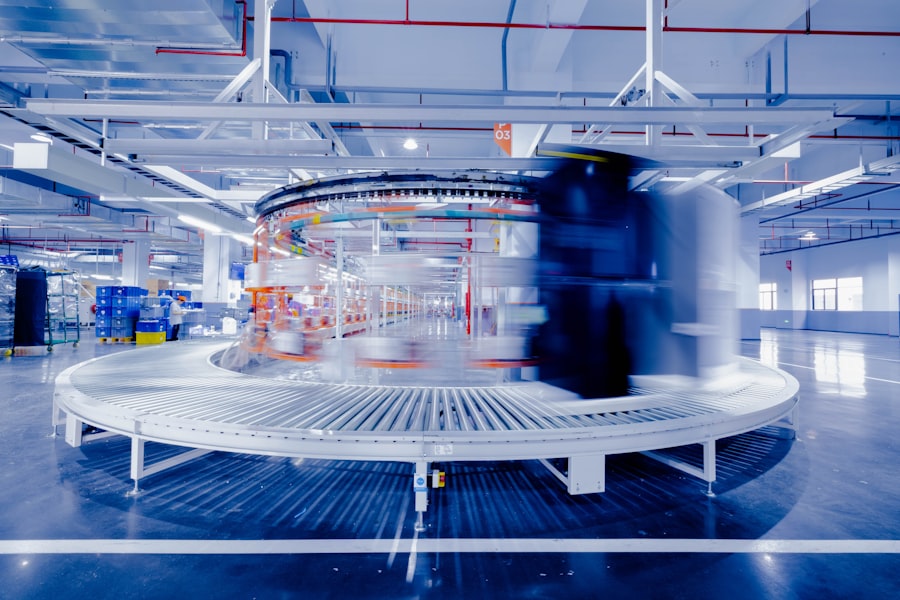
As manufacturing becomes increasingly digitized through technologies such as IoT, big data analytics, and automation, cybersecurity has emerged as a critical concern for organizations in this sector. The interconnected nature of modern manufacturing systems makes them vulnerable to cyberattacks that could disrupt operations or compromise sensitive data. A successful cyberattack on a manufacturing facility could lead to significant financial losses, reputational damage, and even safety risks if critical systems are compromised.
To mitigate these risks, manufacturers must adopt comprehensive cybersecurity strategies that encompass both technology and employee training. Implementing robust security measures such as firewalls, encryption protocols, and intrusion detection systems is essential for protecting sensitive information from unauthorized access. Additionally, fostering a culture of cybersecurity awareness among employees is crucial; workers should be trained to recognize potential threats such as phishing attacks or social engineering tactics that could compromise system integrity.
By prioritizing cybersecurity in their digital transformation efforts, manufacturers can safeguard their operations while reaping the benefits of advanced technologies.
The Future of Manufacturing: Predictions and Trends in the Digital Age
Looking ahead, the future of manufacturing is poised for continued transformation driven by technological advancements and evolving consumer expectations. One prominent trend is the increasing adoption of artificial intelligence (AI) across various facets of manufacturing operations. AI-powered systems will enhance decision-making processes by analyzing vast datasets more efficiently than human operators can achieve alone.
Predictive maintenance powered by AI algorithms will become standard practice as manufacturers seek to minimize downtime and optimize asset utilization. Another significant trend is the growing emphasis on sustainability within manufacturing practices. As consumers become more environmentally conscious, manufacturers will be compelled to adopt sustainable practices throughout their supply chains—from sourcing raw materials responsibly to minimizing waste during production processes.
Technologies such as circular economy models will gain traction as companies seek innovative ways to reduce their environmental footprint while maintaining profitability. In conclusion, the future landscape of manufacturing will be shaped by an intricate interplay between technological innovation and societal demands for sustainability and efficiency. As organizations navigate this evolving terrain, those that embrace change while prioritizing adaptability will emerge as leaders in the digital age.
In the rapidly evolving landscape of manufacturing, digital transformation is a pivotal theme that is reshaping the industry. An insightful article that complements “The Digital Transformation of Manufacturing” by Various Authors is available on Hellread.
For a deeper understanding of these transformative trends, you can explore the related article by visiting this link. This resource provides valuable perspectives on how digital tools and methodologies are being integrated into manufacturing to enhance efficiency and productivity.
FAQs
What is digital transformation in manufacturing?
Digital transformation in manufacturing refers to the integration of digital technologies into all aspects of the manufacturing process. This includes the use of advanced analytics, automation, artificial intelligence, and the Internet of Things (IoT) to improve efficiency, productivity, and decision-making.
What are the benefits of digital transformation in manufacturing?
Some of the benefits of digital transformation in manufacturing include improved operational efficiency, better quality control, reduced downtime, enhanced supply chain management, and the ability to quickly adapt to changing market demands. It also allows for better data-driven decision-making and the creation of new business models.
What are some examples of digital technologies used in manufacturing?
Examples of digital technologies used in manufacturing include advanced robotics, 3D printing, predictive maintenance systems, cloud computing, big data analytics, and digital twins. These technologies help manufacturers streamline their operations, improve product quality, and create new revenue streams.
How does digital transformation impact the workforce in manufacturing?
Digital transformation in manufacturing can lead to changes in the workforce, including the need for new skill sets such as data analysis, programming, and digital literacy. It can also lead to the automation of certain tasks, but it can also create new job opportunities in areas such as data analysis, cybersecurity, and robotics maintenance.
What are the challenges of implementing digital transformation in manufacturing?
Challenges of implementing digital transformation in manufacturing include the high initial investment costs, the need for a skilled workforce, cybersecurity risks, and the integration of new technologies with existing systems. Additionally, there may be resistance to change from employees and the need for a cultural shift within the organization.




