

Digital transformation in logistics represents a fundamental shift in how goods are moved, tracked, and managed throughout the supply chain. This transformation is driven by the rapid advancement of technology, which has enabled logistics companies to enhance efficiency, reduce costs, and improve customer satisfaction. The logistics sector, traditionally characterized by manual processes and fragmented systems, is now embracing digital tools that facilitate real-time data sharing, automation, and improved decision-making.
The logistics industry is undergoing a metamorphosis fueled by innovations such as automation, artificial intelligence, and the Internet of Things (IoT). These technologies are not merely enhancements; they are reshaping the very fabric of logistics operations.
Companies that adopt these digital solutions are better positioned to respond to market demands, optimize their supply chains, and create value for their customers. As we delve deeper into the various facets of digital transformation in logistics, it becomes evident that this evolution is not just about technology; it is about rethinking processes, redefining roles, and reimagining the future of logistics.
Key Takeaways
- Digital transformation is revolutionizing the logistics industry by integrating technology into various aspects of operations.
- Automation and robotics are significantly improving warehouse operations by increasing efficiency and accuracy while reducing labor costs.
- Big data and analytics play a crucial role in optimizing supply chain management by providing insights for better decision-making and forecasting.
- The rise of IoT is transforming shipment tracking and monitoring, providing real-time visibility and enhancing security.
- Artificial intelligence is being integrated into logistics for predictive maintenance and route optimization, improving efficiency and reducing downtime.
The Impact of Automation and Robotics on Warehouse Operations
Automation and robotics have revolutionized warehouse operations by streamlining processes and enhancing productivity. Automated systems can handle repetitive tasks such as picking, packing, and sorting with remarkable speed and accuracy. For instance, companies like Amazon have implemented robotic systems that work alongside human workers to fulfill orders more efficiently.
These robots can navigate complex warehouse layouts, retrieve items from shelves, and transport them to packing stations, significantly reducing the time required to process orders. This integration of robotics not only accelerates operations but also minimizes human error, leading to higher accuracy in order fulfillment. Moreover, automation extends beyond just physical tasks; it encompasses software solutions that optimize inventory management and order processing.
Warehouse Management Systems (WMS) equipped with automation capabilities can analyze stock levels in real-time, predict demand fluctuations, and adjust inventory accordingly. This level of responsiveness is crucial in today’s fast-paced market where consumer preferences can shift rapidly. By leveraging automation, logistics companies can achieve greater operational efficiency, reduce labor costs, and ultimately enhance customer satisfaction through timely deliveries.
The Role of Big Data and Analytics in Optimizing Supply Chain Management

Big data and analytics play a pivotal role in optimizing supply chain management by providing insights that drive informed decision-making. The logistics industry generates vast amounts of data from various sources, including transportation routes, inventory levels, customer orders, and market trends. By harnessing this data through advanced analytics tools, companies can identify patterns and trends that inform their strategies.
For example, predictive analytics can forecast demand based on historical data, allowing businesses to adjust their inventory levels proactively and avoid stockouts or overstock situations. Furthermore, big data analytics enables logistics companies to enhance their operational efficiency by identifying bottlenecks in the supply chain. By analyzing transportation routes and delivery times, companies can pinpoint inefficiencies and implement corrective measures.
For instance, a logistics provider might discover that certain routes consistently experience delays due to traffic patterns or road conditions. Armed with this knowledge, they can optimize their routing strategies to minimize delays and improve overall service levels. The ability to leverage big data not only enhances operational performance but also fosters a culture of continuous improvement within organizations.
The Rise of IoT and Its Influence on Tracking and Monitoring Shipments
The Internet of Things (IoT) has emerged as a game-changer in the logistics sector by enabling real-time tracking and monitoring of shipments. IoT devices such as GPS trackers and RFID tags provide logistics companies with unprecedented visibility into their supply chains. These devices collect data on the location, temperature, humidity, and other conditions affecting shipments as they move through the supply chain.
This real-time information allows companies to monitor the status of their goods at every stage of transit, ensuring that they remain informed about potential issues that could impact delivery. For example, perishable goods such as food and pharmaceuticals require strict temperature control during transportation. IoT sensors can monitor temperature fluctuations throughout the journey and alert logistics managers if conditions deviate from acceptable ranges.
This capability not only helps prevent spoilage but also ensures compliance with regulatory requirements. Additionally, real-time tracking enhances customer satisfaction by providing accurate delivery estimates and enabling proactive communication regarding any delays or issues that may arise during transit.
The Integration of Artificial Intelligence in Predictive Maintenance and Route Optimization
Artificial intelligence (AI) is increasingly being integrated into logistics operations to enhance predictive maintenance and optimize routing strategies. Predictive maintenance leverages AI algorithms to analyze data from equipment sensors and historical maintenance records to predict when machinery is likely to fail. This proactive approach allows logistics companies to schedule maintenance activities before breakdowns occur, minimizing downtime and reducing repair costs.
For instance, a trucking company might use AI to monitor engine performance data in real-time, identifying patterns that indicate potential issues before they escalate into costly repairs. In addition to predictive maintenance, AI plays a crucial role in route optimization. By analyzing traffic patterns, weather conditions, and historical delivery data, AI algorithms can determine the most efficient routes for drivers.
This optimization not only reduces fuel consumption but also improves delivery times. For example, a logistics provider might use AI-driven software to reroute drivers in real-time based on traffic congestion or accidents ahead. This capability enhances operational efficiency while also contributing to sustainability efforts by reducing carbon emissions associated with transportation.
The Importance of Cloud Computing in Streamlining Communication and Collaboration
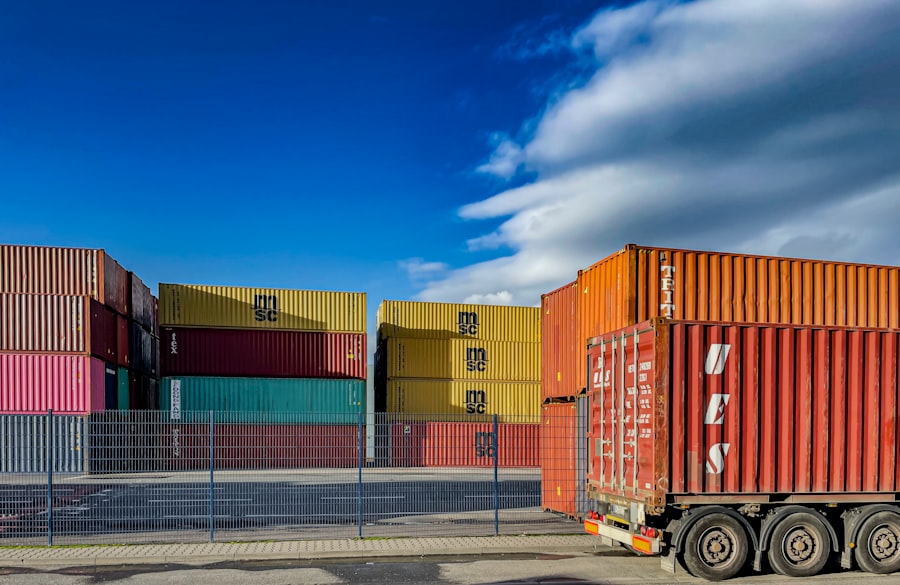
Cloud computing has become an essential component of digital transformation in logistics by facilitating seamless communication and collaboration among stakeholders. Cloud-based platforms enable logistics companies to share information in real-time with suppliers, carriers, and customers regardless of their geographical locations. This level of connectivity fosters collaboration across the supply chain, allowing for more agile responses to changing market conditions.
Moreover, cloud computing enhances data accessibility and security. With cloud-based solutions, logistics companies can store vast amounts of data securely while ensuring that authorized personnel can access it from anywhere at any time.
This accessibility is particularly valuable for remote teams or organizations with multiple locations. Additionally, cloud solutions often come equipped with robust security measures that protect sensitive information from cyber threats. As logistics companies continue to embrace digital transformation, cloud computing will remain a cornerstone for fostering collaboration and enhancing operational efficiency.
The Emergence of Blockchain Technology in Securing Transactions and Contracts
Blockchain technology is gaining traction in the logistics industry as a means of securing transactions and contracts through its decentralized ledger system. By providing a transparent and immutable record of transactions, blockchain enhances trust among stakeholders in the supply chain. Each transaction recorded on the blockchain is time-stamped and linked to previous transactions, creating a secure chain of custody for goods as they move through the supply chain.
This transparency reduces the risk of fraud and disputes while streamlining processes such as invoicing and payment reconciliation. For example, a logistics company might use blockchain to track the provenance of goods from manufacturer to consumer. By recording each step of the supply chain on the blockchain, stakeholders can verify the authenticity of products and ensure compliance with regulatory standards.
This capability is particularly valuable in industries such as pharmaceuticals or food where traceability is critical for safety and quality assurance. As blockchain technology continues to evolve, its potential applications in logistics will expand further, offering new opportunities for enhancing security and efficiency.
The Future of Logistics: Embracing Technology for Sustainable and Efficient Operations
The future of logistics is poised for significant transformation as companies increasingly embrace technology to drive sustainable and efficient operations. As environmental concerns become more pressing, logistics providers are exploring innovative solutions that reduce their carbon footprint while maintaining operational efficiency. Technologies such as electric vehicles (EVs), alternative fuels, and energy-efficient warehouse designs are gaining traction as companies seek to align their operations with sustainability goals.
Additionally, advancements in technology will continue to shape the logistics landscape by enabling greater automation and connectivity across supply chains. As artificial intelligence, IoT, big data analytics, and blockchain become more integrated into logistics operations, companies will be better equipped to respond to market demands with agility and precision. The emphasis on sustainability will also drive innovation as businesses seek to balance profitability with environmental responsibility.
In conclusion, the ongoing digital transformation in logistics presents both challenges and opportunities for industry players. By leveraging emerging technologies effectively, logistics companies can enhance their operational capabilities while contributing to a more sustainable future for global trade.
In the rapidly evolving landscape of logistics, technology continues to play a pivotal role in reshaping the industry. The article “The Digital Transformation of Logistics: How Technology is Reshaping the Industry” by Various Authors delves into the myriad ways in which digital innovations are revolutionizing supply chain management and operational efficiency. For a broader perspective on how technological advancements are influencing various sectors, you might find the article titled “Hello World” insightful. It explores the intersection of technology and industry, providing a comprehensive overview of current trends and future possibilities. You can read it here.
FAQs
What is digital transformation in logistics?
Digital transformation in logistics refers to the integration of digital technologies into all areas of the logistics process, including transportation, warehousing, inventory management, and supply chain management. This transformation aims to improve efficiency, visibility, and customer experience through the use of technology.
What are some examples of digital technologies used in logistics?
Some examples of digital technologies used in logistics include transportation management systems (TMS), warehouse management systems (WMS), Internet of Things (IoT) devices, predictive analytics, artificial intelligence (AI), and blockchain. These technologies help streamline operations, improve visibility, and optimize decision-making in the logistics industry.
How is digital transformation reshaping the logistics industry?
Digital transformation is reshaping the logistics industry by enabling real-time tracking and visibility of shipments, optimizing route planning and delivery schedules, automating manual processes, improving inventory management, and enhancing customer communication and experience. These changes are leading to greater efficiency, cost savings, and improved service levels.
What are the benefits of digital transformation in logistics?
The benefits of digital transformation in logistics include improved operational efficiency, reduced costs, enhanced visibility and transparency, better decision-making through data analytics, faster and more accurate order fulfillment, and improved customer satisfaction. Additionally, digital transformation allows for greater adaptability and responsiveness to changing market conditions.
What are the challenges of implementing digital transformation in logistics?
Challenges of implementing digital transformation in logistics include the high initial investment in technology, integration with existing systems, data security and privacy concerns, the need for skilled IT personnel, and resistance to change from employees. Additionally, the rapid pace of technological advancements requires continuous adaptation and updates to remain competitive in the industry.




