

The concept of mindfulness has gained significant traction in recent years, emerging as a powerful tool for enhancing mental well-being and fostering a deeper connection with the present moment. Rooted in ancient Buddhist traditions, mindfulness is the practice of maintaining a moment-by-moment awareness of our thoughts, feelings, bodily sensations, and the surrounding environment. Thich Nhat Hanh, a renowned Vietnamese Zen master, eloquently described mindfulness as “the miracle of being awake and aware.” This awakening allows individuals to experience life more fully, breaking free from the habitual patterns of thought that often lead to stress and anxiety.
Mindfulness is not merely a technique but a way of being that encourages individuals to engage with their experiences without judgment. It invites practitioners to observe their thoughts and feelings as they arise, fostering a sense of acceptance and understanding. In a world that often feels chaotic and overwhelming, the practice of mindfulness offers a refuge—a space where one can cultivate inner peace and clarity.
By embracing mindfulness, individuals can learn to navigate life’s challenges with greater ease and resilience, ultimately leading to a more fulfilling existence.
Key Takeaways
- The Miracle of Mindfulness introduces the concept of being fully present in the moment and its transformative power.
- Practicing mindfulness in everyday life involves paying attention to the present moment without judgment, and can be done through simple activities like breathing and walking.
- The benefits of mindfulness meditation include reduced stress, improved focus, and increased self-awareness and compassion.
- Mindfulness techniques and exercises such as body scan, loving-kindness meditation, and mindful eating can help cultivate a more mindful way of living.
- Overcoming challenges in practicing mindfulness involves acknowledging and accepting difficulties, and being patient and gentle with oneself in the process.
The Practice of Mindfulness in Everyday Life
Integrating mindfulness into daily routines can transform mundane activities into opportunities for awareness and presence. For instance, consider the simple act of eating. When approached mindfully, mealtime becomes an enriching experience rather than a rushed obligation.
By slowing down and savoring each bite, individuals can fully appreciate the flavors, textures, and aromas of their food. This practice not only enhances the enjoyment of meals but also promotes healthier eating habits, as it encourages individuals to listen to their bodies’ hunger cues. Another everyday opportunity for mindfulness lies in the realm of walking.
Rather than viewing walking as merely a means of transportation, one can practice mindful walking by paying attention to each step—the sensation of the ground beneath the feet, the rhythm of breath, and the sights and sounds of the environment. This practice fosters a deeper connection with the surroundings and cultivates an appreciation for the present moment. By incorporating mindfulness into these ordinary activities, individuals can create a more profound sense of engagement with their lives.
The Benefits of Mindfulness Meditation

Mindfulness meditation has been extensively studied for its myriad benefits on mental health and overall well-being. Research indicates that regular practice can lead to reductions in stress, anxiety, and depression. A study published in the journal “JAMA Internal Medicine” found that mindfulness meditation programs significantly improved anxiety, depression, and pain compared to control groups.
Beyond its psychological benefits, mindfulness meditation has also been linked to physiological improvements. Practitioners often experience lower blood pressure, improved immune function, and enhanced emotional regulation.
The practice encourages individuals to cultivate a non-reactive awareness of their thoughts and feelings, which can lead to healthier coping mechanisms in response to stressors. As individuals learn to observe their internal experiences without judgment, they develop greater resilience and adaptability in the face of life’s inevitable challenges.
Mindfulness Techniques and Exercises
There are numerous techniques and exercises that individuals can employ to cultivate mindfulness in their lives. One foundational practice is focused breathing, which involves directing attention to the breath as it flows in and out of the body. This technique serves as an anchor for the mind, helping to ground individuals in the present moment.
By simply observing the breath without attempting to change it, practitioners can cultivate a sense of calm and clarity. Body scan meditation is another effective mindfulness exercise that encourages individuals to connect with their physical sensations. In this practice, one systematically focuses on different parts of the body, noticing any tension or discomfort while fostering a sense of relaxation.
This technique not only enhances body awareness but also promotes self-compassion as individuals learn to accept their physical experiences without judgment. Incorporating these exercises into daily routines can significantly enhance one’s ability to remain present and engaged.
Overcoming Challenges in Practicing Mindfulness
While the benefits of mindfulness are well-documented, many individuals encounter challenges when attempting to establish a consistent practice.
It is essential to recognize that this is a natural part of the process; rather than becoming frustrated or discouraged, practitioners can gently guide their attention back to the present moment without self-criticism.
Another challenge lies in cultivating patience and commitment to the practice. In our fast-paced society, instant gratification is often prioritized over sustained effort. Mindfulness requires time and dedication; it is not an overnight solution but rather a lifelong journey.
Setting realistic expectations and allowing oneself to experience the ebb and flow of progress can help mitigate feelings of inadequacy or frustration. By approaching mindfulness with an open heart and mind, individuals can navigate these challenges with greater ease.
Cultivating a Mindful Lifestyle
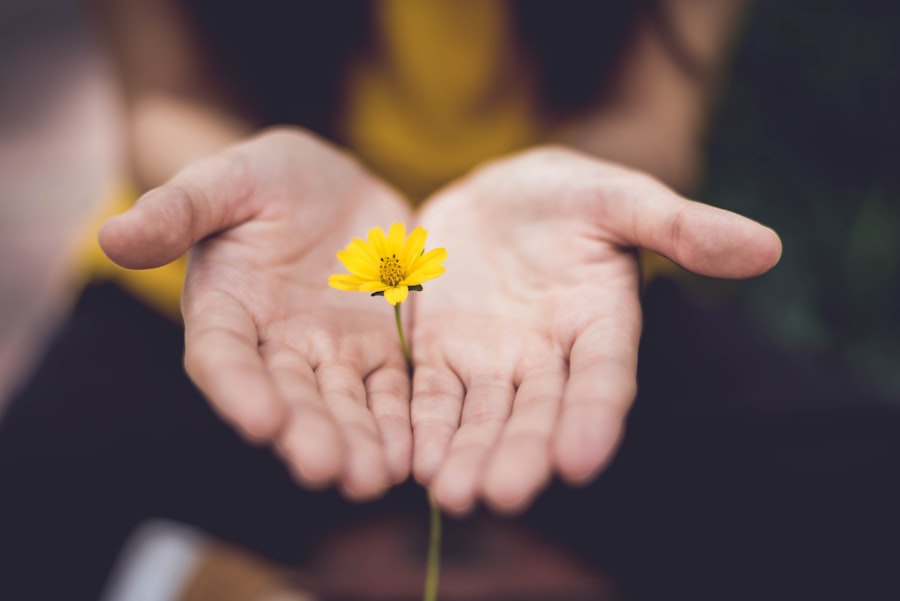
Embracing mindfulness as a lifestyle involves more than just formal meditation practices; it requires a holistic approach that permeates all aspects of life. This cultivation begins with self-awareness—recognizing habitual patterns of thought and behavior that may detract from present-moment awareness. Journaling can be an effective tool for fostering this self-reflection, allowing individuals to explore their thoughts and emotions in a non-judgmental space.
In addition to self-awareness, creating an environment conducive to mindfulness is crucial. This may involve decluttering physical spaces or establishing routines that promote calmness and focus. Engaging in activities such as yoga or tai chi can also enhance mindfulness by integrating movement with breath awareness.
By intentionally designing one’s life around principles of mindfulness, individuals can create a supportive framework for sustained practice.
Applying Mindfulness to Relationships and Communication
Mindfulness extends beyond individual practice; it profoundly impacts relationships and communication with others. When individuals approach interactions mindfully, they cultivate deeper connections based on empathy and understanding. Active listening becomes a cornerstone of mindful communication—fully engaging with what others are saying without formulating responses in advance or allowing distractions to interfere.
Practicing mindfulness in relationships also involves recognizing one’s emotional triggers and responses. By developing self-awareness around these patterns, individuals can respond more thoughtfully rather than reactively during conflicts or challenging conversations. This shift fosters healthier dynamics and promotes mutual respect among partners, friends, and family members.
Ultimately, applying mindfulness to relationships enhances emotional intimacy and strengthens bonds.
Living a More Mindful and Fulfilling Life
The journey toward living a more mindful life is an ongoing process that requires commitment, patience, and self-compassion. As individuals embrace mindfulness practices—whether through meditation, mindful eating, or conscious communication—they open themselves up to a richer experience of life. The ability to remain present amidst life’s challenges fosters resilience and adaptability while enhancing overall well-being.
By cultivating mindfulness as both a practice and a lifestyle choice, individuals can navigate their lives with greater clarity and purpose. The miracle of mindfulness lies not only in its ability to alleviate stress but also in its capacity to deepen connections with oneself and others. As practitioners continue on this path, they may discover that each moment holds the potential for awakening—a profound realization that transforms ordinary experiences into extraordinary opportunities for growth and fulfillment.
In “The Miracle of Mindfulness,” Thich Nhat Hanh offers profound insights into the practice of mindfulness and its transformative power in everyday life. For those interested in exploring similar themes, an article that complements Hanh’s teachings can be found on Hellread. This article delves into the practical applications of mindfulness in modern living, echoing the timeless wisdom found in Hanh’s work. You can read more about it by visiting this related article.
FAQs
What is “The Miracle of Mindfulness” by Thich Nhat Hanh about?
“The Miracle of Mindfulness” is a book written by Thich Nhat Hanh that explores the practice of mindfulness and its potential to transform our lives. It offers practical techniques and insights for cultivating mindfulness in everyday activities.
Who is Thich Nhat Hanh?
Thich Nhat Hanh is a Vietnamese Buddhist monk, peace activist, and author. He is known for his teachings on mindfulness, meditation, and social engagement. He has written numerous books on these topics and has been influential in popularizing mindfulness in the West.
What is mindfulness?
Mindfulness is the practice of being fully present and aware in the current moment, without judgment. It involves paying attention to our thoughts, feelings, bodily sensations, and the surrounding environment. Mindfulness is often cultivated through meditation and can lead to greater clarity, peace, and well-being.
What are some key concepts discussed in “The Miracle of Mindfulness”?
Some key concepts discussed in “The Miracle of Mindfulness” include the importance of being present in everyday activities, the connection between mind and body, the role of breathing in mindfulness practice, and the potential for mindfulness to bring about personal and societal transformation.
How can “The Miracle of Mindfulness” benefit readers?
“The Miracle of Mindfulness” offers practical guidance and insights for incorporating mindfulness into daily life. It can benefit readers by helping them reduce stress, improve focus and concentration, cultivate compassion and empathy, and develop a greater sense of inner peace and well-being.




