
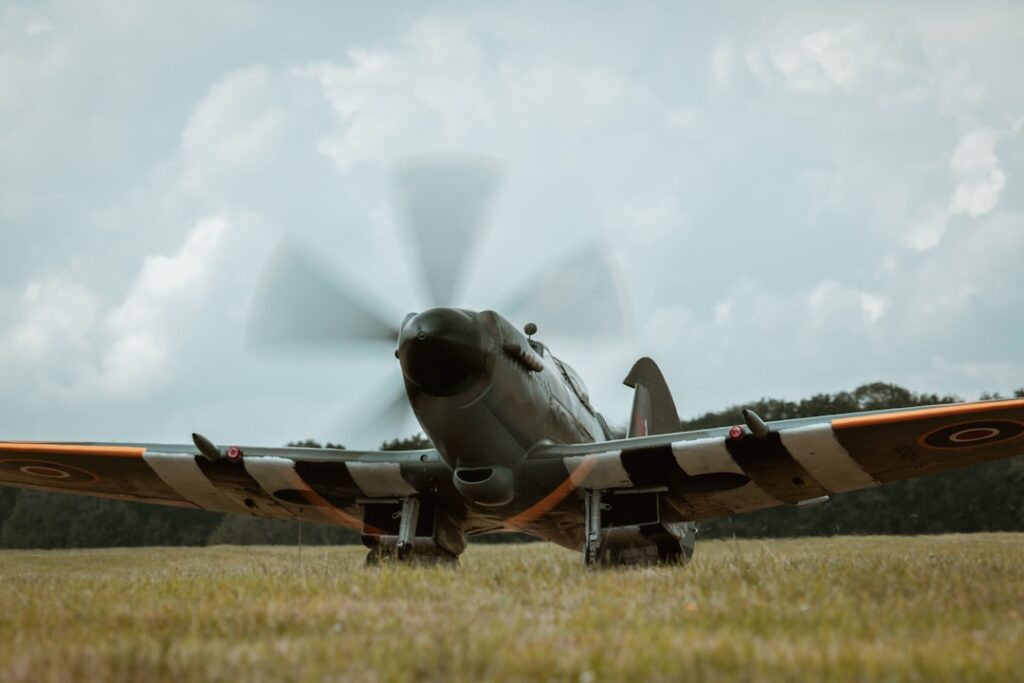
Alex Henshaw was a pivotal figure in the history of aviation, particularly known for his contributions to the development of one of the most iconic aircraft of World War II: the Supermarine Spitfire. Born in 1912 in the United Kingdom, Henshaw’s passion for aviation ignited at an early age, leading him to pursue a career as a test pilot. His expertise and daring spirit would soon place him at the forefront of British aviation during a time of unprecedented technological advancement and conflict.
The Spitfire, designed by R.J. Mitchell, emerged as a symbol of British resilience and ingenuity, playing a crucial role in the Battle of Britain and beyond. The Spitfire’s sleek design and powerful performance made it a favorite among pilots and a nightmare for enemy forces.
With its elliptical wings and Rolls-Royce Merlin engine, the aircraft was not only aesthetically pleasing but also aerodynamically efficient. Henshaw’s role as a test pilot for the Spitfire allowed him to push the boundaries of its capabilities, ensuring that it could meet the demands of aerial combat. His firsthand experiences with this remarkable aircraft would shape not only its development but also his own legacy in aviation history.
Key Takeaways
- Alex Henshaw was a renowned test pilot who played a significant role in the development of the Spitfire during World War II.
- The Spitfire was a crucial aircraft in World War II, known for its speed, agility, and role in the Battle of Britain.
- Henshaw faced numerous challenges as a test pilot, including pushing the Spitfire to its limits and overcoming technical issues.
- Henshaw was deeply impressed by the Spitfire’s performance and aerodynamic advantages, which contributed to its success in combat.
- Henshaw’s testing and feedback had a profound impact on the development of the Spitfire, solidifying his legacy in aviation history.
The Significance of the Spitfire in World War II
The Supermarine Spitfire holds a revered place in the annals of World War II history, primarily due to its role in the Battle of Britain from July to October 1940. This pivotal air campaign saw the Royal Air Force (RAF) defending the United Kingdom against the German Luftwaffe’s relentless bombing raids. The Spitfire’s agility and speed allowed it to outmaneuver enemy aircraft, making it a formidable opponent in dogfights.
Its presence in the skies became synonymous with hope and resistance for the British people during a time when the outcome of the war hung in the balance. Beyond its immediate tactical advantages, the Spitfire also served as a morale booster for both military personnel and civilians. The sight and sound of these aircraft soaring through the skies became emblematic of British defiance against tyranny.
The aircraft’s success in combat not only contributed to the eventual defeat of Nazi Germany but also solidified its status as an enduring symbol of national pride. The Spitfire’s legacy extends beyond its wartime achievements; it has become an icon of engineering excellence and a testament to human ingenuity in the face of adversity.
Alex Henshaw’s Experience as a Test Pilot
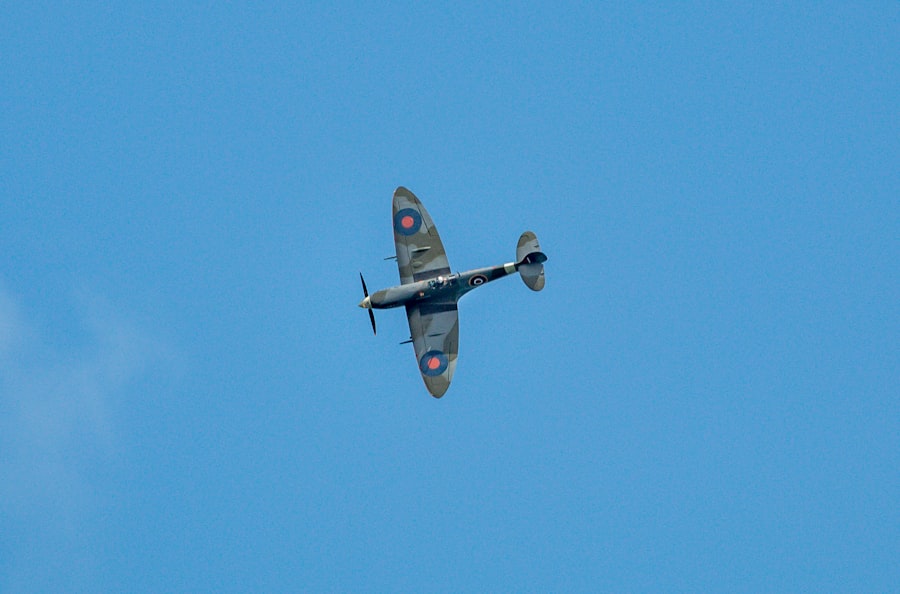
Henshaw’s journey as a test pilot began when he joined Supermarine in 1935, where he quickly established himself as an exceptional aviator. His early experiences included testing various aircraft models, but it was his work with the Spitfire that would define his career. Henshaw’s responsibilities included evaluating the aircraft’s performance, handling characteristics, and overall safety.
His keen observations and technical expertise were instrumental in refining the Spitfire’s design and ensuring its readiness for combat. During his tenure as a test pilot, Henshaw faced numerous challenges that tested his skills and resilience. He conducted flight tests under various conditions, often pushing the aircraft to its limits to assess its capabilities.
This hands-on experience provided invaluable data that informed subsequent design modifications. Henshaw’s commitment to excellence and safety was evident in his meticulous approach to testing, which ultimately contributed to the Spitfire’s reputation as one of the best fighter planes of its time.
The Challenges of Testing the Spitfire
Testing the Spitfire was not without its challenges, as Henshaw encountered numerous technical issues that required quick thinking and adaptability. One significant challenge was ensuring that the aircraft could perform reliably under combat conditions. This involved rigorous testing of its engine performance, control surfaces, and overall stability.
Henshaw often found himself flying at high speeds and altitudes, where even minor mechanical failures could have catastrophic consequences. Moreover, Henshaw had to navigate the complexities of working with cutting-edge technology that was still in development. The Spitfire underwent several iterations during its production run, each with modifications aimed at improving performance or addressing specific issues identified during testing.
Henshaw’s ability to communicate effectively with engineers and designers was crucial in this process; he provided feedback that directly influenced design changes, ensuring that each new version of the Spitfire was better than its predecessor.
Henshaw’s Impressions of the Spitfire
Henshaw’s impressions of the Spitfire were overwhelmingly positive, reflecting his deep appreciation for its design and performance. He often described flying the aircraft as an exhilarating experience, noting its responsiveness and agility in the air. The Spitfire’s ability to climb rapidly and execute sharp turns made it a joy to fly, allowing pilots like Henshaw to engage effectively in aerial combat.
His enthusiasm for the aircraft was palpable, and he frequently shared anecdotes about his flights, highlighting both the thrill and responsibility that came with piloting such a powerful machine. In addition to its performance characteristics, Henshaw admired the craftsmanship that went into building each Spitfire. He recognized that behind every aircraft was a team of dedicated engineers and workers who poured their skills into creating something extraordinary.
This sense of camaraderie among those involved in the Spitfire project fostered a shared commitment to excellence that resonated throughout the production process. Henshaw’s respect for his colleagues further fueled his determination to ensure that each aircraft met the highest standards before entering service.
The Aerodynamic Advantages of the Spitfire
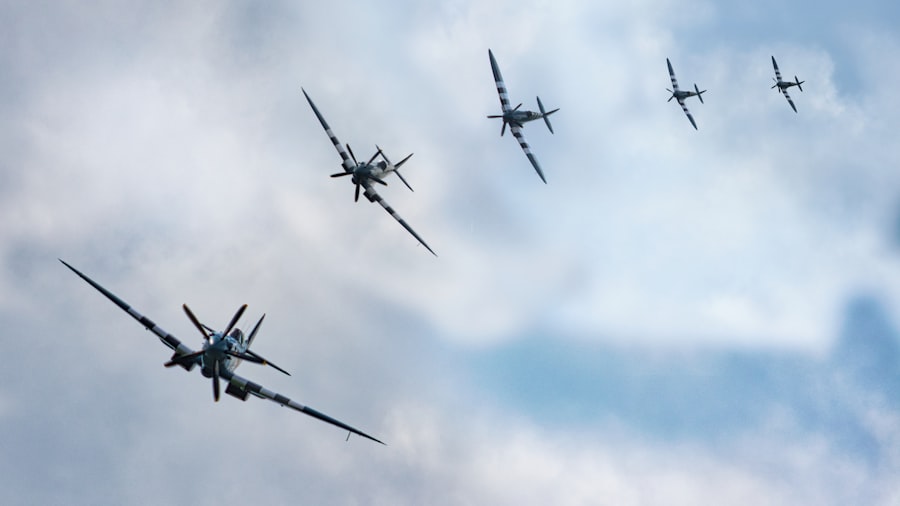
The aerodynamic design of the Spitfire played a crucial role in its success as a fighter aircraft during World War
Its distinctive elliptical wings not only contributed to its aesthetic appeal but also enhanced its performance by reducing drag and improving lift. This innovative wing shape allowed the Spitfire to achieve higher speeds and better maneuverability compared to many of its contemporaries. The combination of these aerodynamic features made it particularly effective in dogfights, where agility often determined victory.
Furthermore, the Rolls-Royce Merlin engine provided exceptional power and reliability, enabling the Spitfire to reach impressive altitudes quickly. This engine was a key factor in giving pilots an edge over their adversaries, allowing them to engage enemy aircraft on favorable terms. Henshaw’s testing revealed how these aerodynamic advantages translated into real-world performance, reinforcing the importance of design in achieving operational success.
The synergy between engineering excellence and pilot skill became a hallmark of the Spitfire’s legacy.
The Impact of Henshaw’s Testing on the Spitfire’s Development
Henshaw’s contributions as a test pilot had a profound impact on the development of the Spitfire throughout its production run. His rigorous testing protocols ensured that any issues were identified and addressed before they could affect operational readiness. For instance, when Henshaw discovered problems with control surfaces or engine performance during flight tests, he worked closely with engineers to implement necessary modifications swiftly.
This iterative process allowed for continuous improvement, resulting in an aircraft that consistently exceeded expectations. Moreover, Henshaw’s insights into pilot experience were invaluable in shaping design decisions. He understood that an aircraft must not only perform well on paper but also be intuitive and comfortable for pilots to fly under stress.
His feedback led to enhancements in cockpit ergonomics and visibility, which ultimately contributed to better pilot performance during combat missions. The collaborative relationship between Henshaw and Supermarine engineers exemplified how effective communication could lead to groundbreaking advancements in aviation technology.
Henshaw’s Legacy in Aviation
Alex Henshaw’s legacy extends far beyond his role as a test pilot for the Spitfire; he is remembered as a pioneer who helped shape modern aviation practices. His meticulous approach to flight testing set new standards for safety and performance evaluation within the industry. After World War II, Henshaw continued to contribute to aviation through various roles, including working with other aircraft manufacturers and sharing his knowledge with future generations of pilots.
Henshaw’s memoirs provide insight into his experiences during this transformative period in aviation history. His writings capture not only technical details but also personal reflections on bravery, camaraderie, and innovation within the aviation community. By documenting his journey, Henshaw ensured that his contributions would be recognized and appreciated by those who followed in his footsteps.
The Continuing Legacy of the Spitfire
The legacy of the Supermarine Spitfire endures long after World War II ended; it remains an enduring symbol of British engineering prowess and resilience in times of crisis. The aircraft has become a beloved icon within popular culture, frequently featured in films, documentaries, and airshows around the world. Its design has inspired countless aviation enthusiasts and engineers alike, serving as a benchmark for future fighter aircraft.
Moreover, organizations dedicated to preserving historical aircraft have ensured that original Spitfires are maintained and displayed for future generations to appreciate. These efforts highlight not only the technical achievements represented by the Spitfire but also its cultural significance as a symbol of hope during one of history’s darkest chapters.
The Influence of Henshaw’s Memoir, “Sigh for a Merlin”
In his memoir “Sigh for a Merlin,” Alex Henshaw provides an intimate look at his experiences as a test pilot during World War II, particularly focusing on his time with the Spitfire. This work serves as both a historical document and a personal narrative that captures the essence of flying during wartime. Through vivid descriptions and engaging storytelling, Henshaw transports readers into the cockpit alongside him, sharing both triumphs and challenges faced during flight tests.
The memoir has been influential not only for aviation enthusiasts but also for historians seeking insight into this critical period in history. Henshaw’s reflections on camaraderie among pilots and engineers offer valuable context regarding teamwork in high-pressure situations. Additionally, his candid accounts of fearlessness juxtaposed with moments of vulnerability resonate with readers on multiple levels—highlighting both human courage and humility amidst adversity.
Henshaw’s Contribution to Aviation History
Alex Henshaw’s contributions to aviation history are profound and multifaceted; he played an essential role in developing one of history’s most iconic fighter aircraft while setting new standards for flight testing practices along the way. His experiences with the Supermarine Spitfire not only shaped its design but also influenced future generations of aviators who would follow in his footsteps. Through his memoirs and ongoing legacy within aviation circles today, Henshaw remains an enduring figure whose impact continues to inspire those passionate about flight—reminding us all that innovation often arises from collaboration between skilled individuals united by a common purpose.
In “Sigh for a Merlin: Testing the Spitfire,” Alex Henshaw provides an exhilarating account of his experiences as a test pilot for one of the most iconic fighter aircraft of World War II. For those interested in further exploring the world of aviation history and the personal stories of those who lived it, a related article can be found on Hellread. This article delves into the broader context of aviation advancements during the war and the pivotal role played by test pilots like Henshaw. You can read more about these fascinating insights by visiting this article.
FAQs
What is the article “Sigh for a Merlin: Testing the Spitfire” about?
The article “Sigh for a Merlin: Testing the Spitfire” by Alex Henshaw is about the author’s experiences testing the Spitfire aircraft during World War II.
Who is the author of the article?
The author of the article is Alex Henshaw, a renowned British test pilot and aerobatics champion.
What is the significance of the Spitfire aircraft mentioned in the article?
The Spitfire aircraft is a famous British fighter plane that played a crucial role in the Battle of Britain during World War II. It is known for its speed, agility, and contribution to the Allied victory.
What insights does the article provide about the Spitfire aircraft?
The article provides firsthand insights from a test pilot about the performance, handling, and capabilities of the Spitfire aircraft. It offers a unique perspective on the aircraft’s strengths and limitations.
What is the tone of the article?
The tone of the article is reflective and nostalgic, as the author recounts his experiences testing the Spitfire and expresses admiration for the aircraft.




