Agile methodology is a dynamic approach to project management that emphasizes flexibility, collaboration, and customer satisfaction.
The core tenet of Agile is its iterative process, which allows teams to break down projects into smaller, manageable units called iterations or sprints.
This enables teams to deliver functional components of a project incrementally, allowing for regular feedback and adjustments based on stakeholder input. The Agile Manifesto, created in 2001 by a group of software developers, outlines the values and principles that guide Agile practices, emphasizing individuals and interactions over processes and tools, and working software over comprehensive documentation. At its heart, Agile methodology seeks to foster an environment where teams can respond swiftly to changes and challenges.
This adaptability is crucial in today’s fast-paced business landscape, where customer needs and market conditions can shift rapidly. Agile encourages teams to embrace change rather than resist it, promoting a culture of continuous improvement and innovation.
Key Takeaways
- Agile methodology emphasizes flexibility, collaboration, and customer feedback
- Implementing Agile principles in project management involves breaking down work into small, manageable tasks
- Adapting to change in Agile projects requires a mindset of embracing change and adjusting plans accordingly
- Communication and collaboration are essential in Agile teams to ensure transparency and alignment
- Managing stakeholder expectations in Agile projects involves regular communication and setting clear priorities and goals
Implementing Agile Principles in Project Management
Implementing Agile principles in project management requires a fundamental shift in mindset and practices. One of the first steps is to establish cross-functional teams that bring together diverse skill sets and perspectives. These teams are empowered to make decisions and take ownership of their work, fostering a sense of accountability and motivation.
In an Agile environment, roles are often fluid; team members may take on various responsibilities depending on the project’s needs, which enhances collaboration and creativity. Another critical aspect of implementing Agile is the adoption of iterative planning and execution cycles. Instead of adhering to a rigid project timeline, Agile teams work in short sprints, typically lasting two to four weeks.
At the beginning of each sprint, teams hold planning meetings to define goals and prioritize tasks based on customer feedback and project requirements. Daily stand-up meetings facilitate ongoing communication, allowing team members to share progress, identify obstacles, and adjust plans as necessary. This iterative approach not only helps in managing workloads but also allows for regular reassessment of priorities, ensuring that the project remains aligned with stakeholder expectations.
Adapting to Change in Agile Projects
One of the defining characteristics of Agile projects is their inherent ability to adapt to change. Unlike traditional project management methodologies that often view change as a disruption, Agile embraces it as an opportunity for improvement. This adaptability is facilitated through regular feedback loops with stakeholders, which provide insights into evolving needs and preferences.
By incorporating this feedback into the development process, Agile teams can pivot quickly, making necessary adjustments without derailing the entire project. Moreover, Agile methodologies encourage a culture of experimentation and learning. Teams are encouraged to test new ideas and approaches during sprints, allowing them to discover what works best for their specific context.
This trial-and-error mindset not only fosters innovation but also helps teams become more resilient in the face of unforeseen challenges. For instance, if a particular feature does not resonate with users during testing, the team can quickly iterate on it or pivot to a different solution based on user feedback. This responsiveness not only enhances product quality but also builds trust with stakeholders who see their input being valued and acted upon.
Communication and Collaboration in Agile Teams
Effective communication and collaboration are cornerstones of successful Agile projects. In an Agile environment, open lines of communication are essential for ensuring that all team members are aligned on goals and expectations. Daily stand-up meetings serve as a platform for team members to share updates on their progress, discuss challenges they are facing, and seek assistance from their peers.
This practice not only fosters transparency but also encourages a sense of camaraderie among team members, as they work together towards common objectives. Collaboration extends beyond the immediate team; it also involves engaging with stakeholders throughout the project lifecycle. Agile methodologies advocate for regular stakeholder involvement, which can take the form of sprint reviews or demos where teams showcase their work and gather feedback.
This collaborative approach ensures that stakeholders remain informed about project developments and can provide input that shapes the direction of the project. By actively involving stakeholders in the process, Agile teams can build stronger relationships and enhance trust, ultimately leading to better project outcomes.
Managing Stakeholder Expectations in Agile Projects
Managing stakeholder expectations is a critical component of successful Agile project management. Given the iterative nature of Agile, stakeholders may have varying levels of understanding regarding how progress is measured and communicated. It is essential for Agile teams to establish clear channels for communication from the outset, ensuring that stakeholders are aware of how their feedback will be integrated into the development process.
Regular updates on project status, including successes and challenges faced during sprints, help keep stakeholders engaged and informed. Additionally, setting realistic expectations is vital in an Agile context. Stakeholders should be educated about the iterative process and the potential for changes in scope as new information emerges.
By fostering an environment where stakeholders feel comfortable voicing their concerns or suggestions, teams can create a collaborative atmosphere that enhances overall project success. For example, if a stakeholder expresses a desire for additional features mid-project, the team can assess the feasibility of incorporating these changes within the current sprint or plan for them in future iterations.
Agile Project Planning and Execution
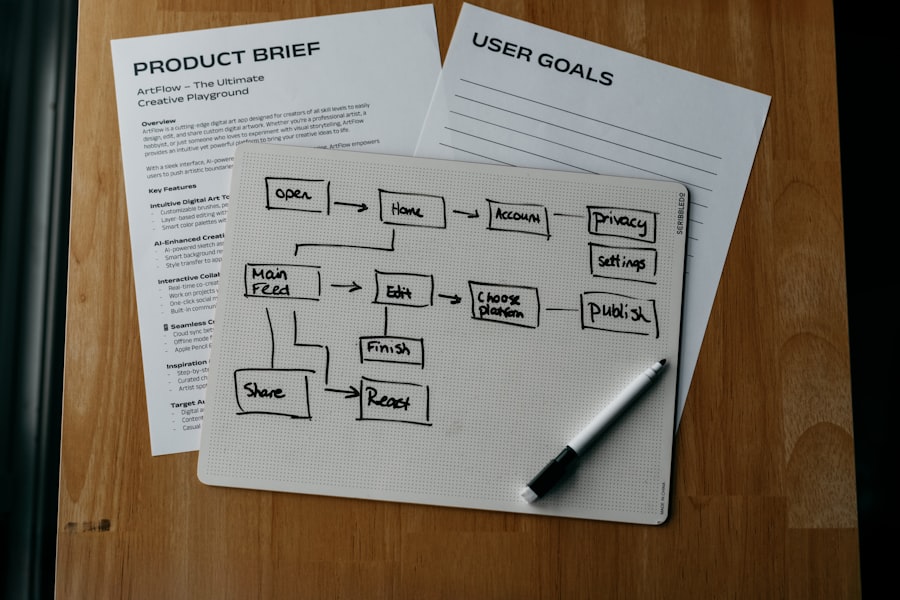
Agile project planning differs significantly from traditional methodologies that often rely on extensive upfront planning. Instead, Agile emphasizes adaptive planning that evolves throughout the project lifecycle. At the beginning of an Agile project, teams typically create a high-level roadmap outlining key milestones and deliverables while remaining flexible enough to accommodate changes as they arise.
This approach allows teams to focus on delivering value incrementally rather than getting bogged down by exhaustive planning processes. Execution in Agile projects is characterized by short sprints that culminate in tangible deliverables. Each sprint begins with a planning session where team members prioritize tasks based on user stories or requirements defined by stakeholders.
During execution, teams utilize various tools such as Kanban boards or Scrum boards to visualize progress and manage workflows effectively. This visual representation helps team members stay organized while providing transparency to stakeholders regarding the status of tasks. The iterative nature of sprints allows for continuous assessment of progress and adjustments as needed, ensuring that the project remains aligned with stakeholder expectations.
Measuring Success in Agile Projects
Measuring success in Agile projects requires a shift from traditional metrics focused solely on time and budget constraints to more holistic indicators that reflect value delivery and customer satisfaction. One common metric used in Agile environments is velocity, which measures the amount of work completed during each sprint based on story points or task completion rates. By tracking velocity over time, teams can gain insights into their productivity levels and make informed decisions about future sprint planning.
Customer satisfaction is another critical measure of success in Agile projects. Regular feedback from stakeholders through sprint reviews or user testing sessions provides valuable insights into how well the product meets user needs. Teams can use surveys or interviews to gauge customer satisfaction levels post-release, allowing them to identify areas for improvement in future iterations.
Additionally, metrics such as Net Promoter Score (NPS) can help quantify customer loyalty and willingness to recommend the product to others.
Continuous Improvement in Agile Project Management
Continuous improvement is a fundamental principle embedded within Agile methodologies. After each sprint, teams conduct retrospectives to reflect on what went well, what could be improved, and how processes can be optimized moving forward. This practice encourages a culture of learning where team members feel empowered to share their insights openly without fear of criticism.
By identifying areas for improvement collectively, teams can implement actionable changes that enhance their workflows and overall effectiveness. Moreover, continuous improvement extends beyond individual teams; organizations adopting Agile practices should foster an environment that encourages experimentation at all levels. This might involve piloting new tools or techniques across different teams or departments to assess their impact on productivity and collaboration.
By embracing a mindset of continuous learning and adaptation, organizations can remain competitive in an ever-evolving landscape while delivering high-quality products that meet customer needs effectively.
In the realm of agile project management, Charles G. Cobb’s “The Project Manager’s Guide to Mastering Agile” serves as an essential resource for understanding the nuances of agile methodologies. For those looking to expand their knowledge further, an insightful article that complements Cobb’s work can be found on Hellread. This article delves into the practical applications of agile principles in various industries, offering a broader perspective on how these methodologies can be tailored to fit different project needs. To explore this related content, you can read the full article by visiting