
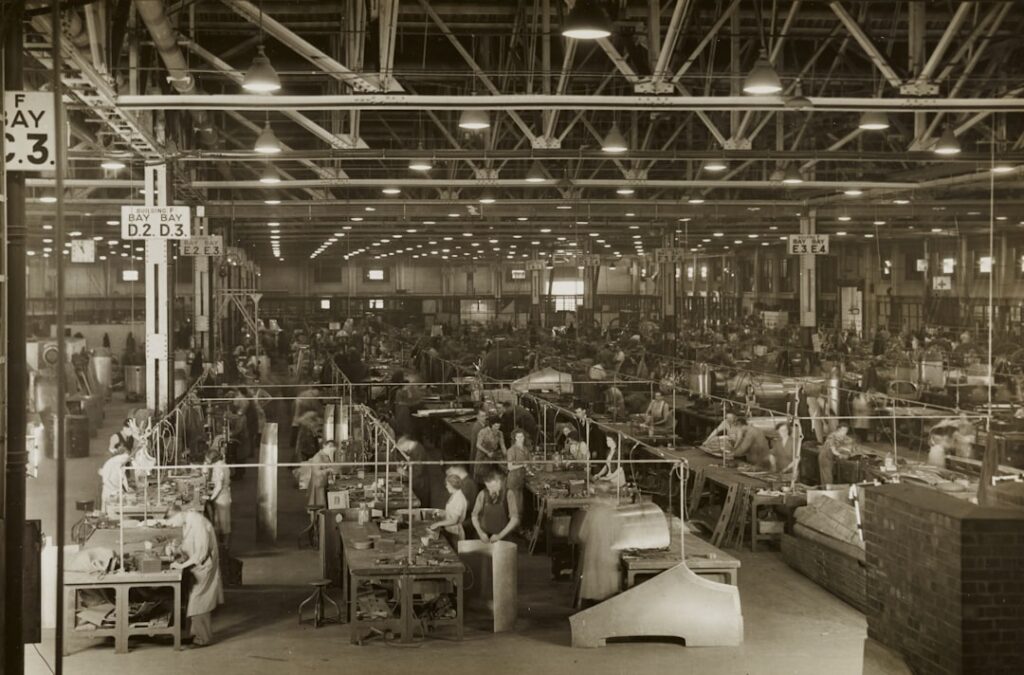
The Fourth Industrial Revolution, often referred to as Industry 4.0, represents a paradigm shift in the way industries operate, driven by the convergence of digital technologies, artificial intelligence, the Internet of Things (IoT), and advanced manufacturing techniques. Unlike its predecessors, which were characterized by mechanization, mass production, and automation, this revolution is marked by the integration of cyber-physical systems that blur the lines between the physical and digital worlds. This transformation is not merely about technological advancements; it encompasses a fundamental change in how businesses, governments, and societies interact and function.
At the heart of the Fourth Industrial Revolution is the concept of connectivity. The proliferation of smart devices and sensors has enabled unprecedented levels of data collection and analysis. For instance, in manufacturing, machines equipped with IoT sensors can communicate with each other and with human operators in real-time, optimizing production processes and reducing downtime.
This interconnectedness extends beyond factories to supply chains, logistics, and even customer interactions, creating a more agile and responsive economic environment. As a result, organizations are not only able to enhance efficiency but also innovate at a pace previously thought impossible.
Key Takeaways
- The Fourth Industrial Revolution is characterized by the fusion of technologies blurring the lines between the physical, digital, and biological spheres.
- Technology has significantly impacted society and the economy, leading to increased efficiency, but also concerns about job displacement and inequality.
- Governments play a crucial role in shaping policies that can harness the benefits of the Fourth Industrial Revolution while mitigating its negative impacts.
- The future of work is being reshaped by automation and AI, requiring a focus on developing new skills and adapting to changing job markets.
- Ethical considerations and social implications, such as data privacy and algorithmic bias, must be addressed to ensure the responsible use of technology in the Fourth Industrial Revolution.
The Impact of Technology on Society and the Economy
The impact of technology on society and the economy during the Fourth Industrial Revolution is profound and multifaceted. Economically, we are witnessing the emergence of new business models that leverage technology to create value in ways that were previously unimaginable. For example, companies like Uber and Airbnb have disrupted traditional industries by utilizing digital platforms to connect service providers with consumers directly.
This shift has led to the rise of the gig economy, where individuals can offer their skills and services on a flexible basis, challenging conventional employment structures. Socially, technology has transformed communication and interaction among individuals. Social media platforms have redefined how people connect, share information, and mobilize for causes.
The ability to disseminate information rapidly has empowered movements for social change, as seen in various protests around the world that have utilized digital tools to organize and amplify their messages. However, this transformation is not without its challenges; issues such as misinformation, digital privacy concerns, and the digital divide highlight the complexities of a society increasingly reliant on technology.
The Role of Government and Policy in the Fourth Industrial Revolution

Governments play a crucial role in shaping the landscape of the Fourth Industrial Revolution through policy-making and regulation. As technology evolves at an unprecedented pace, policymakers must navigate the delicate balance between fostering innovation and ensuring public safety and welfare. For instance, regulations surrounding data privacy have become increasingly important as companies collect vast amounts of personal information.
The General Data Protection Regulation (GDPR) in Europe serves as a prime example of how governments are attempting to protect citizens’ rights while still encouraging technological advancement. Moreover, governments are tasked with creating an environment conducive to innovation by investing in research and development (R&D) and supporting emerging technologies. Initiatives such as tax incentives for tech startups or funding for public-private partnerships can stimulate growth in key sectors.
Additionally, governments must consider the implications of automation on employment and work to implement policies that support workforce transition through retraining programs and social safety nets. The challenge lies in anticipating future trends and preparing for them proactively rather than reactively.
The Future of Work and Employment in the Fourth Industrial Revolution
The Fourth Industrial Revolution is reshaping the future of work in ways that are both exciting and daunting. Automation and artificial intelligence are poised to take over routine tasks across various industries, leading to concerns about job displacement. However, this revolution also presents opportunities for new job creation in fields that did not exist a decade ago.
For instance, roles such as data scientists, AI specialists, and cybersecurity experts are increasingly in demand as organizations seek to harness the power of technology while safeguarding their assets. The nature of work itself is evolving; remote work has gained traction due to advancements in communication technologies. The COVID-19 pandemic accelerated this trend, demonstrating that many jobs can be performed effectively outside traditional office environments.
This shift has implications for work-life balance, employee satisfaction, and even urban planning as cities adapt to changing patterns of living and working. However, it also raises questions about equity and access to technology, as not all workers have the same resources or opportunities to thrive in a remote work setting.
Ethical and Social Implications of the Fourth Industrial Revolution
As we navigate the complexities of the Fourth Industrial Revolution, ethical considerations come to the forefront. The deployment of artificial intelligence raises questions about bias in algorithms, accountability for decisions made by machines, and the potential for surveillance capitalism. For example, facial recognition technology has been criticized for its inaccuracies and potential for racial bias, prompting calls for stricter regulations governing its use.
The ethical implications extend beyond technology itself; they encompass broader societal issues such as inequality and access to resources. Moreover, the rapid pace of technological change can lead to societal disruptions that require careful consideration. As automation replaces certain jobs, there is a moral imperative to ensure that displaced workers are supported through retraining programs and social safety nets.
The challenge lies in creating a framework that promotes innovation while safeguarding human rights and dignity. Engaging diverse stakeholders—including technologists, ethicists, policymakers, and community leaders—in discussions about these implications is essential for fostering a more equitable future.
Education and Skills Development in the Fourth Industrial Revolution
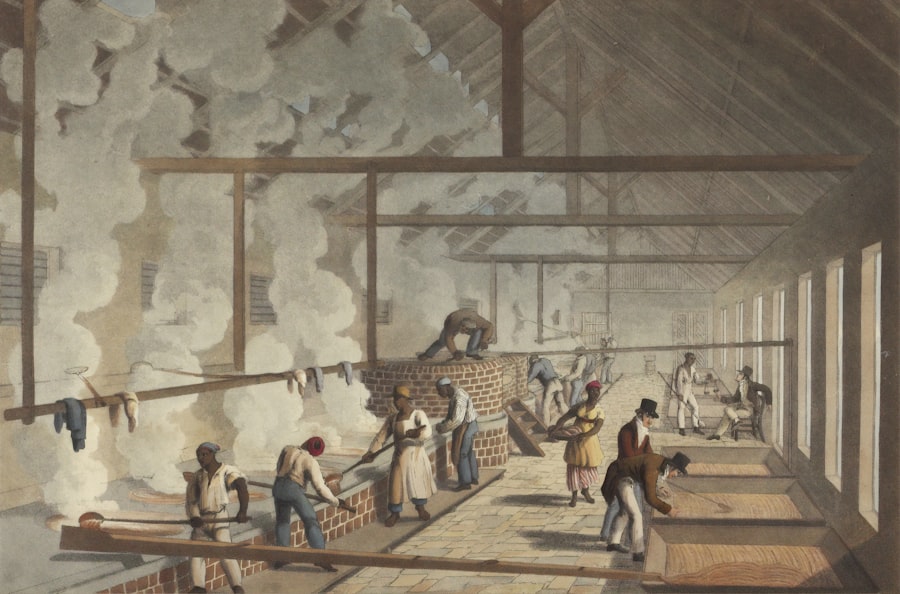
Education plays a pivotal role in preparing individuals for the demands of the Fourth Industrial Revolution. As industries evolve, so too must the skills required to thrive within them. Traditional education systems often struggle to keep pace with technological advancements, leading to a skills gap that can hinder economic growth.
To address this challenge, educational institutions must embrace innovative teaching methods that emphasize critical thinking, creativity, and adaptability.
Online learning platforms such as Coursera and edX offer opportunities for individuals to upskill or reskill at their own pace.
Companies are also recognizing the importance of investing in employee development; organizations like Amazon have launched initiatives to provide training programs that prepare workers for higher-skilled roles within their workforce. By fostering a culture of continuous learning, both individuals and organizations can better navigate the uncertainties of a rapidly changing job market.
Opportunities and Challenges for Businesses in the Fourth Industrial Revolution
Businesses stand at a crossroads during the Fourth Industrial Revolution, facing both unprecedented opportunities and significant challenges. On one hand, technology enables companies to streamline operations, enhance customer experiences, and innovate products at an accelerated pace. For instance, companies leveraging big data analytics can gain insights into consumer behavior that inform marketing strategies and product development.
This data-driven approach allows businesses to tailor their offerings more precisely to meet customer needs. However, with these opportunities come challenges related to cybersecurity threats and ethical considerations surrounding data usage. As businesses collect more data than ever before, they must prioritize protecting sensitive information from breaches while navigating complex regulatory landscapes regarding data privacy.
Additionally, companies must grapple with ethical dilemmas related to automation—balancing efficiency gains with potential job losses among their workforce. Striking this balance requires thoughtful leadership that prioritizes both innovation and social responsibility.
The Importance of Collaboration and Innovation in the Fourth Industrial Revolution
Collaboration emerges as a cornerstone of success in navigating the complexities of the Fourth Industrial Revolution. No single entity possesses all the answers; therefore, partnerships between businesses, governments, academia, and civil society are essential for driving innovation forward. Collaborative initiatives can lead to breakthroughs that address pressing global challenges such as climate change or public health crises by pooling resources and expertise from diverse stakeholders.
Innovation thrives in environments where ideas can flow freely across disciplines and sectors. For example, tech companies often collaborate with universities on research projects that push the boundaries of knowledge while providing students with real-world experience. Additionally, cross-industry partnerships can lead to novel solutions; consider how automotive manufacturers are teaming up with tech firms to develop autonomous vehicles that integrate advanced AI systems with traditional engineering expertise.
By fostering a culture of collaboration—both within organizations and across sectors—society can harness the full potential of technological advancements while addressing its inherent challenges effectively.
In his seminal work, “The Fourth Industrial Revolution,” Klaus Schwab explores the transformative impact of emerging technologies on society, the economy, and industries worldwide. A related article that delves into similar themes can be found on Hellread, titled “Hello World.” This article examines the ongoing digital transformation and its implications for the future, echoing Schwab’s insights on how technological advancements are reshaping our world. By exploring these resources, readers can gain a deeper understanding of the profound changes brought about by the Fourth Industrial Revolution.
FAQs
What is the Fourth Industrial Revolution?
The Fourth Industrial Revolution refers to the ongoing transformation of traditional industries through the integration of digital technologies, artificial intelligence, and the Internet of Things.
What are the key technologies driving the Fourth Industrial Revolution?
Key technologies driving the Fourth Industrial Revolution include artificial intelligence, robotics, the Internet of Things, 3D printing, and advanced materials.
How will the Fourth Industrial Revolution impact the workforce?
The Fourth Industrial Revolution is expected to significantly impact the workforce, leading to the automation of many jobs and the creation of new roles that require digital skills and technological expertise.
What are the potential benefits of the Fourth Industrial Revolution?
The Fourth Industrial Revolution has the potential to drive economic growth, increase efficiency in industries, improve healthcare and education, and address global challenges such as climate change and resource scarcity.
What are some of the challenges associated with the Fourth Industrial Revolution?
Challenges associated with the Fourth Industrial Revolution include job displacement due to automation, concerns about data privacy and security, and the potential for widening inequality between those with access to technology and those without.




