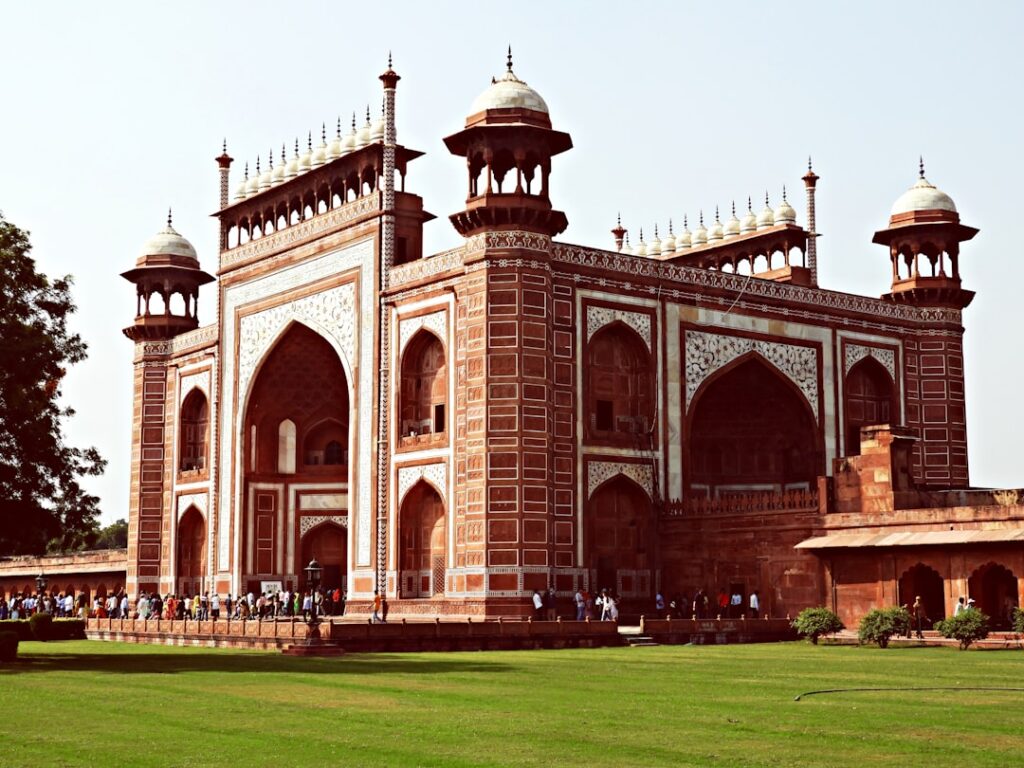
“The Last Mughal: The Fall of a Dynasty, Delhi, 1857” is a historical narrative penned by the acclaimed author William Dalrymple. This work intricately weaves together the threads of personal stories, historical events, and cultural shifts that marked the twilight of the Mughal Empire. Set against the backdrop of the 1857 uprising, often referred to as the Sepoy Mutiny, Dalrymple’s narrative delves into the life of Bahadur Shah II, the last Mughal emperor, and the socio-political landscape of India during this tumultuous period.
The book not only chronicles the decline of a once-mighty empire but also captures the essence of a civilization that was rich in culture, art, and tradition. Dalrymple’s approach is both scholarly and accessible, making complex historical events relatable to a broad audience. He employs a narrative style that combines meticulous research with vivid storytelling, allowing readers to immerse themselves in the sights and sounds of 19th-century Delhi.
Through his exploration of personal letters, diaries, and historical documents, Dalrymple brings to life the experiences of those who lived through this critical juncture in Indian history. The Last Mughal serves as a poignant reminder of the fragility of power and the enduring spirit of a people caught in the throes of change.
Key Takeaways
- The Last Mughal by William Dalrymple provides a detailed account of the decline of the Mughal Empire and the events leading up to the British conquest of Delhi.
- The Mughal Empire faced a gradual decline due to internal conflicts, weak leadership, and external invasions, leading to the eventual loss of power and authority.
- The Sepoy Mutiny of 1857, also known as the Indian Rebellion, was a significant uprising against British rule, with Delhi at the center of the revolt.
- Bahadur Shah II, the last Mughal emperor, faced a tumultuous reign marked by political instability and ultimately became a symbol of resistance during the Sepoy Mutiny.
- The British conquest of Delhi in 1857 resulted in the end of Mughal rule and marked a turning point in Indian history, leading to the formal establishment of British colonial rule.
The Decline of the Mughal Empire
The decline of the Mughal Empire was a gradual process that unfolded over several decades, marked by internal strife, external invasions, and administrative decay. By the early 18th century, the empire that had once stretched across much of the Indian subcontinent began to fragment. The central authority weakened as regional powers like the Marathas, Sikhs, and Rajputs rose in prominence.
This decentralization led to a loss of control over vast territories, resulting in a patchwork of semi-autonomous states that challenged Mughal supremacy. Economic factors also played a significant role in this decline. The empire’s once-thriving economy began to falter due to mismanagement and corruption within the administration.
Heavy taxation and rampant inflation alienated the peasantry and contributed to widespread discontent. Additionally, the arrival of European trading companies, particularly the British East India Company, further eroded Mughal authority. The Company’s increasing influence over trade and politics in India set the stage for a confrontation that would ultimately lead to the empire’s downfall.
The Sepoy Mutiny of 1857
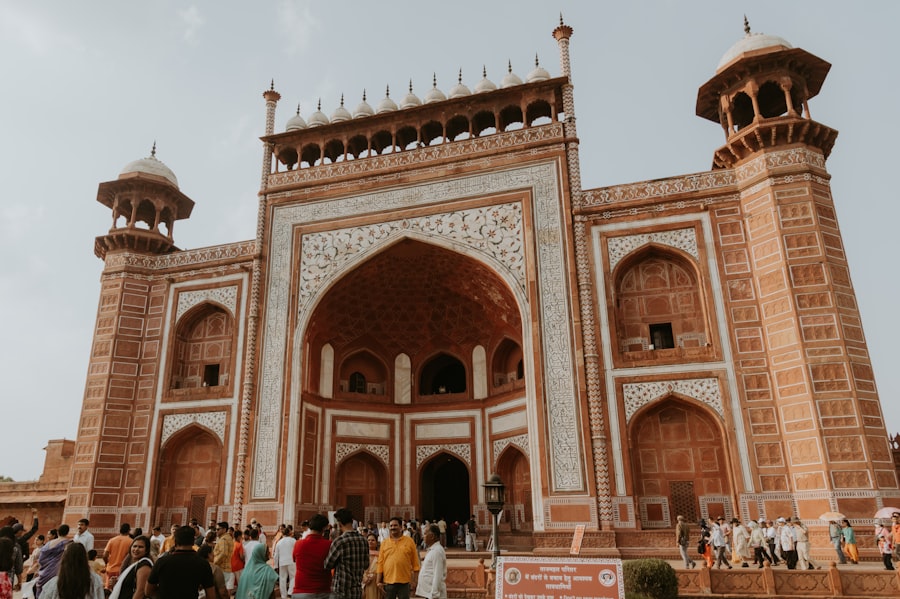
The Sepoy Mutiny of 1857 was a watershed moment in Indian history, marking a significant uprising against British colonial rule. It was fueled by a combination of grievances among Indian soldiers, or sepoys, who served in the British East India Company’s army. The immediate catalyst for the rebellion was the introduction of new rifle cartridges rumored to be greased with animal fat, which offended both Hindu and Muslim soldiers.
This incident ignited long-standing resentments against British policies perceived as disrespectful to Indian culture and religion. As discontent simmered, the rebellion spread rapidly across northern India, with Delhi emerging as a focal point for resistance. Bahadur Shah II found himself at the center of this uprising, as rebels sought to restore him to power and revive the Mughal Empire.
The mutiny was characterized by fierce battles and brutal reprisals on both sides, leading to significant loss of life and property. While ultimately unsuccessful in its immediate goals, the Sepoy Mutiny laid the groundwork for future nationalist movements in India and signaled a turning point in British colonial policy.
The Life and Reign of Bahadur Shah II
Bahadur Shah II, also known as Bahadur Shah Zafar, ascended to the throne in 1837 as a figurehead ruler in a rapidly declining empire. His reign was marked by cultural patronage and an attempt to maintain Mughal traditions amidst growing British dominance. Despite his limited power, Zafar was a poet and an intellectual who sought to embody the spirit of his ancestors while navigating the complexities of colonial rule.
His court became a hub for artists, writers, and thinkers who contributed to a rich cultural milieu. However, Zafar’s reign was also characterized by political impotence and increasing marginalization by British authorities. As the empire crumbled around him, he struggled to assert any real authority over his subjects or territories.
His attempts to rally support during the Sepoy Mutiny were driven by a desire to reclaim lost glory but were ultimately thwarted by superior British military might. Following the suppression of the rebellion, Zafar was captured and exiled to Rangoon, marking a tragic end to his reign and symbolizing the final collapse of Mughal sovereignty.
The British Conquest of Delhi
The British conquest of Delhi during the Sepoy Mutiny was a pivotal event that underscored their military prowess and strategic acumen. After initial setbacks in quelling the uprising, British forces regrouped and launched a concerted assault on Delhi in September 1857. The siege lasted several months and involved intense fighting as both sides fought fiercely for control of the city.
The British employed superior artillery and tactics, ultimately breaching Delhi’s defenses and overwhelming rebel forces. The fall of Delhi had profound implications for both the British Empire and Indian society. It marked not only the end of organized resistance against British rule but also led to significant changes in governance.
Following their victory, the British formally dissolved the Mughal Empire and established direct control over India through the Government of India Act 1858.
The Legacy of the Mughal Empire
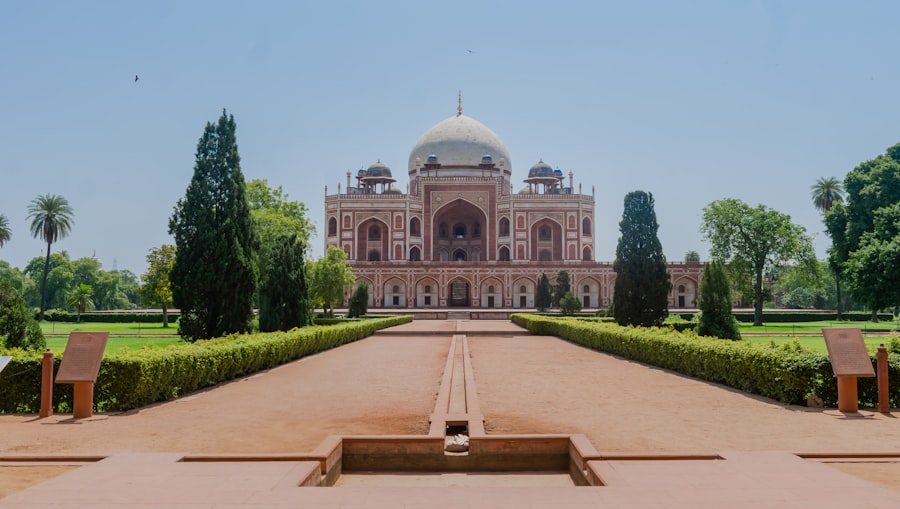
The legacy of the Mughal Empire is multifaceted, encompassing contributions to art, architecture, culture, and governance that continue to resonate in contemporary India. The Mughals are renowned for their architectural marvels such as the Taj Mahal, Red Fort, and Humayun’s Tomb—structures that reflect an exquisite blend of Persian, Indian, and Islamic influences. These monuments not only serve as tourist attractions but also symbolize India’s rich historical tapestry.
Culturally, the Mughals fostered an environment where diverse traditions coexisted and flourished. They patronized literature, music, and painting, leading to a vibrant cultural renaissance that produced notable figures like poet Mirza Ghalib and painter Ustad Mansoor. The syncretic nature of Mughal culture laid foundations for modern Indian identity, influencing everything from cuisine to language.
Despite their decline, the Mughals left an indelible mark on India’s social fabric that continues to be celebrated today.
Dalrymple’s Research and Writing Process
William Dalrymple’s research process for “The Last Mughal” involved extensive archival work and field research across India. He delved into primary sources such as letters, diaries, and official documents from both Indian and British perspectives to construct a nuanced narrative that captures the complexities of this historical period. His ability to access rare manuscripts and engage with local historians enriched his understanding of events leading up to 1857.
He seeks to humanize historical figures by exploring their motivations, fears, and aspirations. This approach allows readers to connect emotionally with characters like Bahadur Shah II while gaining insight into broader socio-political dynamics.
By blending rigorous scholarship with compelling narrative techniques, Dalrymple crafts a work that resonates with both historians and general readers alike.
Reception and Impact of The Last Mughal
Upon its release, “The Last Mughal” received widespread acclaim for its engaging narrative style and thorough research. Critics praised Dalrymple for his ability to bring history alive through vivid descriptions and personal anecdotes that illuminate the human experience behind monumental events. The book has been lauded not only for its historical accuracy but also for its empathetic portrayal of figures often relegated to footnotes in colonial narratives.
The impact of “The Last Mughal” extends beyond literary circles; it has sparked renewed interest in India’s colonial history among scholars and general readers alike. By shedding light on lesser-known aspects of the Sepoy Mutiny and its aftermath, Dalrymple has contributed significantly to contemporary discussions about colonialism, nationalism, and identity in India. His work serves as a reminder that history is not merely a series of dates and events but a tapestry woven from countless individual stories that shape our understanding of the past.
William Dalrymple’s “The Last Mughal” offers a profound exploration of the decline of the Mughal Empire during the Indian Rebellion of 1857. For readers interested in delving deeper into the historical context and the intricate dynamics of this period, an insightful related article can be found on Hellread. This article provides additional perspectives and analyses that complement Dalrymple’s work, enriching the reader’s understanding of the era’s complexities. You can read more about it by visiting this related article.
FAQs
What is The Last Mughal by William Dalrymple about?
The Last Mughal is a historical non-fiction book by William Dalrymple that chronicles the Indian Rebellion of 1857 and the end of the Mughal dynasty in India.
Who was the last Mughal mentioned in the book?
The last Mughal mentioned in the book is Bahadur Shah II, also known as Bahadur Shah Zafar, who was the last Mughal emperor of India.
What is the significance of the Indian Rebellion of 1857?
The Indian Rebellion of 1857, also known as the Indian Mutiny or the First War of Independence, was a major uprising against British rule in India. It had a significant impact on the history of India and the British Empire.
What are some key themes explored in The Last Mughal?
Some key themes explored in The Last Mughal include the decline of the Mughal Empire, the impact of British colonialism on India, the cultural and religious diversity of 19th century Delhi, and the role of Bahadur Shah II in the Indian Rebellion of 1857.
What is the author’s approach to storytelling in The Last Mughal?
William Dalrymple combines historical research with storytelling to bring the events and characters of The Last Mughal to life. He draws on a wide range of primary sources to provide a vivid and detailed account of the period.