
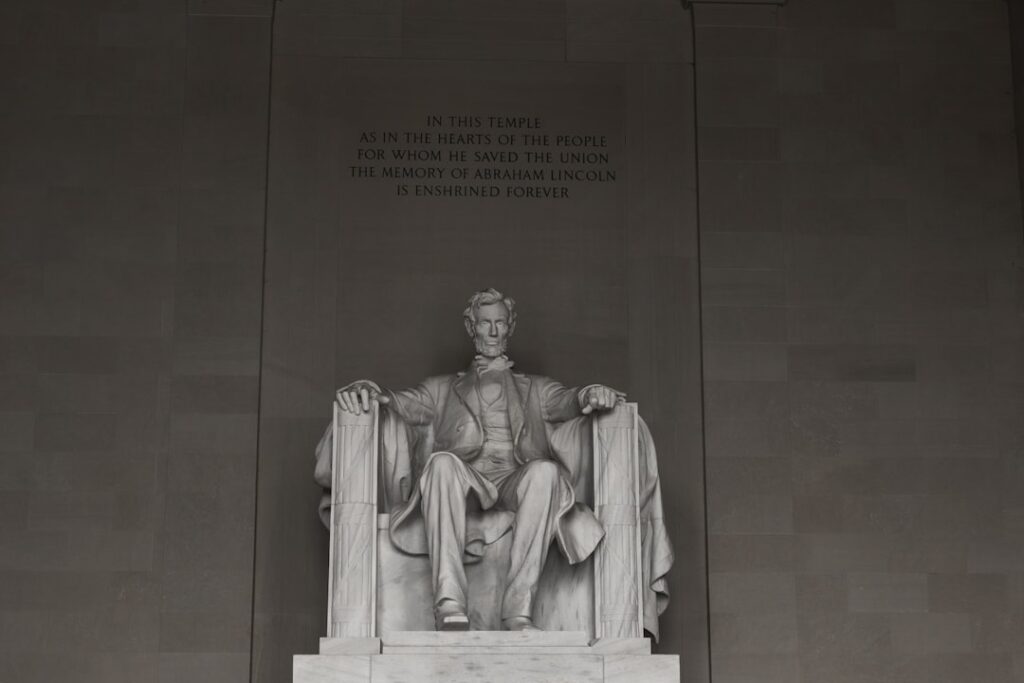
Tripp, born in 1923, was a prominent American psychologist and author whose work significantly influenced the discourse surrounding historical figures and their sexual identities. Tripp’s academic background was rooted in psychology, which provided him with a unique lens through which to analyze the lives of historical figures, particularly those whose sexual orientations were often obscured by societal norms. His most notable work, “The Intimate World of Abraham Lincoln,” published in 2005, sought to explore the complexities of Abraham Lincoln’s personal relationships and sexuality, challenging long-held perceptions of the 16th President of the United States.
Tripp’s career was marked by a commitment to understanding human sexuality beyond the constraints of traditional narratives. He was not only a psychologist but also an advocate for LGBTQ+ rights, which informed his approach to historical analysis. His work often intersected with contemporary discussions about sexual identity, making his findings relevant not just to historians but also to sociologists and psychologists.
Tripp’s exploration of Lincoln’s life was not merely an academic exercise; it was part of a broader effort to illuminate the often-hidden aspects of human sexuality and relationships, particularly in historical contexts where such discussions were taboo.
Key Takeaways
- C. A. Tripp was a psychologist and sex researcher who worked for Dr. Alfred Kinsey and later wrote “The Intimate World of Abraham Lincoln.”
- “The Intimate World of Abraham Lincoln” caused controversy with its claims that Lincoln had same-sex relationships and was primarily attracted to men.
- Tripp’s research suggested that Lincoln’s personal relationships and sexuality were more complex and fluid than previously believed.
- Tripp’s work drew from a wide range of sources, including historical documents, letters, and interviews with Lincoln’s descendants.
- “The Intimate World of Abraham Lincoln” sparked debates about Lincoln’s private life and how it should be interpreted, impacting public perception of the former president.
The Controversial Findings of “The Intimate World of Abraham Lincoln”
In “The Intimate World of Abraham Lincoln,” Tripp posits that Lincoln had deep emotional and possibly romantic relationships with men, particularly with Joshua Speed, a close friend and confidant. Tripp’s analysis is grounded in a wealth of primary sources, including letters, diaries, and contemporary accounts that suggest a level of intimacy between Lincoln and Speed that transcended mere friendship. This assertion has sparked considerable debate among historians and scholars, as it challenges the conventional understanding of Lincoln’s personal life and sexuality.
Tripp’s findings are controversial not only because they propose a non-heteronormative interpretation of Lincoln’s relationships but also because they confront the mythologized image of Lincoln as a stoic leader devoid of personal complexities. By suggesting that Lincoln may have experienced same-sex attraction, Tripp invites readers to reconsider the ways in which historical figures are often sanitized to fit societal expectations. This re-examination of Lincoln’s life raises important questions about how we interpret historical evidence and the implications of projecting modern understandings of sexuality onto past figures.
Lincoln’s Personal Relationships and Sexuality

Lincoln’s personal relationships have long been a subject of fascination for historians. His close bond with Joshua Speed is often cited as a pivotal aspect of his life, particularly during his early years in Springfield, Illinois. The two men shared a bed for several years, a common practice at the time due to limited living space, but Tripp argues that their relationship was marked by a profound emotional connection that suggests deeper feelings.
Letters exchanged between Lincoln and Speed reveal a level of affection that goes beyond platonic friendship, with Tripp interpreting these correspondences as evidence of Lincoln’s potential bisexuality. Moreover, Tripp delves into Lincoln’s marriage to Mary Todd Lincoln, which was fraught with challenges and complexities. While Mary was often portrayed as a difficult partner, Tripp suggests that their relationship may have been more nuanced than previously understood.
He posits that Lincoln’s emotional needs may not have been fully met within his marriage, leading him to seek solace in his friendships with men. This perspective invites a reevaluation of Lincoln’s character, suggesting that his struggles with intimacy and connection were not solely tied to his public persona as a leader but were also deeply rooted in his personal life.
Tripp’s Research and Sources
Tripp’s research methodology is notable for its reliance on primary sources that provide insight into Lincoln’s life and relationships. He meticulously examined letters, diaries, and accounts from contemporaries to construct a narrative that challenges traditional interpretations. For instance, Tripp analyzed correspondence between Lincoln and Speed, highlighting passages that convey emotional depth and intimacy.
By placing these texts within the context of 19th-century norms regarding male friendships, Tripp argues for a reinterpretation of their relationship that acknowledges the possibility of romantic feelings. In addition to letters, Tripp drew upon biographical accounts from those who knew Lincoln personally. He scrutinized the writings of individuals such as William Herndon, Lincoln’s law partner, who provided anecdotes about Lincoln’s character and relationships.
Tripp also considered the cultural backdrop of the time, recognizing that societal attitudes toward same-sex relationships were vastly different from contemporary views. This comprehensive approach allowed Tripp to present a well-rounded argument that not only highlights Lincoln’s potential bisexuality but also situates it within the broader context of American history.
The Impact of “The Intimate World of Abraham Lincoln”
“The Intimate World of Abraham Lincoln” has had a profound impact on both historical scholarship and public discourse regarding sexuality in American history. By presenting a compelling case for Lincoln’s possible same-sex attractions, Tripp has opened up new avenues for exploration within the field of history.
The book has also resonated with contemporary discussions about LGBTQ+ representation in history. Tripp’s findings challenge the notion that historical figures must conform to rigid categories of sexual orientation, suggesting instead that human relationships are often complex and multifaceted. This perspective has inspired further research into the lives of other historical figures who may have experienced similar dynamics, fostering a more inclusive understanding of history that acknowledges diverse sexual identities.
Criticisms and Debates Surrounding Tripp’s Work
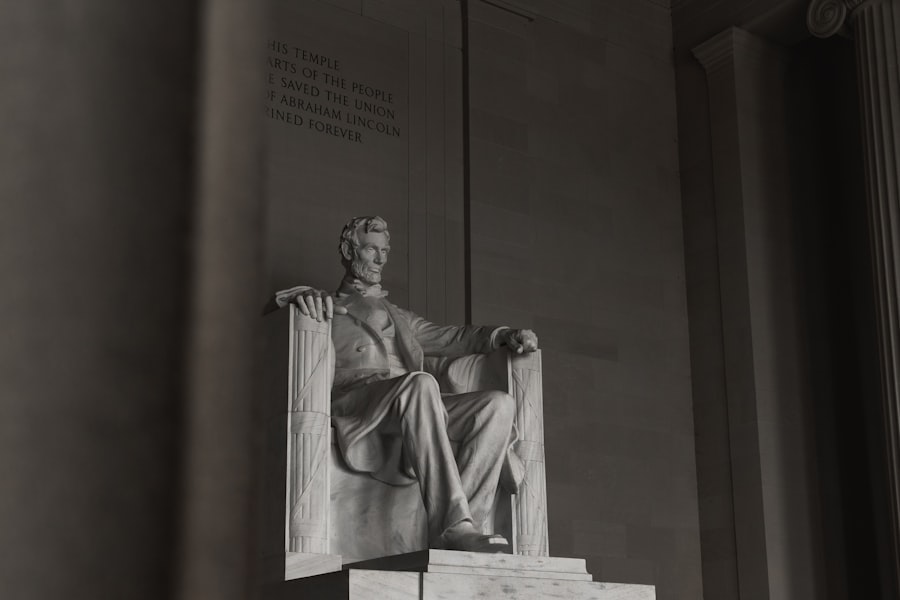
Despite its impact, Tripp’s work has not been without criticism. Some historians argue that his interpretations are speculative and lack sufficient evidence to support claims about Lincoln’s sexuality. Critics contend that while the emotional depth of Lincoln’s relationships with men is undeniable, attributing romantic feelings to these connections may be an overreach.
They caution against projecting modern understandings of sexuality onto historical figures without considering the cultural context in which they lived. Additionally, some scholars have raised concerns about the potential implications of labeling Lincoln as bisexual or homosexual. They argue that such labels can oversimplify complex human experiences and risk reducing historical figures to mere categories rather than acknowledging their full humanity.
This debate highlights the tension between contemporary understandings of sexuality and the need for careful historical analysis that respects the nuances of past lives.
Lincoln’s Legacy and Public Perception
Abraham Lincoln’s legacy is multifaceted, encompassing his role as a leader during one of America’s most tumultuous periods and his commitment to ending slavery. However, his personal life remains an area ripe for exploration and reinterpretation. The public perception of Lincoln has largely been shaped by his political achievements and moral fortitude; however, Tripp’s work invites a more nuanced understanding that includes his emotional struggles and intimate relationships.
As society continues to grapple with issues related to sexual identity and representation, Lincoln’s legacy is increasingly viewed through this lens. The exploration of his potential same-sex attractions adds depth to his character and challenges the binary notions of sexuality that have historically dominated discussions about public figures. This evolving perception reflects broader societal changes regarding acceptance and understanding of diverse sexual identities.
The Continued Relevance of Tripp’s Exploration of Lincoln’s Intimate World
Tripp’s exploration of Abraham Lincoln’s intimate world remains relevant today as discussions surrounding sexuality continue to evolve. In an era where LGBTQ+ rights are at the forefront of social justice movements, understanding historical figures like Lincoln through this lens can provide valuable insights into the complexities of human relationships across time periods. Tripp’s work encourages contemporary audiences to reflect on how societal norms shape our understanding of intimacy and identity.
Moreover, Tripp’s findings serve as a reminder that history is not static; it is continually being rewritten as new evidence emerges and societal attitudes shift. The ongoing debates surrounding his interpretations highlight the importance of critical engagement with historical narratives and the need for inclusivity in our understanding of past lives. As scholars continue to explore the intersections between history and sexuality, Tripp’s contributions will undoubtedly remain a significant touchstone in this discourse, prompting further inquiry into the intimate worlds of other historical figures who have similarly navigated complex personal landscapes amidst public scrutiny.
In exploring the nuanced dimensions of historical figures, C. A. Tripp’s “The Intimate World of Abraham Lincoln” delves into the personal life of one of America’s most iconic presidents, offering insights that challenge traditional narratives. For those interested in further reading on similar themes of historical reinterpretation, an article on HellRead provides additional context and discussion. You can find this related article by visiting this link, which offers a fresh perspective on how personal relationships and private lives can reshape our understanding of historical legacies.
FAQs
What is the article “The Intimate World of Abraham Lincoln” about?
The article “The Intimate World of Abraham Lincoln” by C. A. Tripp explores the personal and intimate aspects of Abraham Lincoln’s life, including his relationships, sexuality, and emotional experiences.
Who is C. A. Tripp?
C. A. Tripp was a psychologist and sex researcher who wrote “The Intimate World of Abraham Lincoln” based on his research into Lincoln’s personal life.
What are some of the topics covered in the article?
The article delves into Lincoln’s relationships with men, his marriage to Mary Todd Lincoln, his emotional struggles, and his sexuality.
Is the article based on historical evidence?
Yes, C. A. Tripp’s research for the article is based on historical evidence, including letters, diaries, and other primary sources related to Abraham Lincoln.
What impact did the article have on the understanding of Abraham Lincoln?
The article sparked discussions and debates about Lincoln’s personal life and sexuality, challenging traditional views of the former president and prompting further research into his intimate world.




