

The Mediterranean Diet is more than just a way of eating; it is a lifestyle that reflects the culinary traditions and cultural practices of countries bordering the Mediterranean Sea, including Greece, Italy, Spain, and southern France. This diet emphasizes the consumption of whole, minimally processed foods, with a strong focus on plant-based ingredients. It is characterized by a high intake of fruits, vegetables, whole grains, legumes, nuts, and seeds, complemented by moderate amounts of fish and poultry, while red meat and sweets are consumed sparingly.
The origins of the Mediterranean Diet can be traced back to the early 1960s when researchers began to observe the health patterns of populations in this region. Notably, these populations exhibited lower rates of chronic diseases such as heart disease and diabetes compared to their American counterparts.
This sparked interest in understanding the dietary habits that contributed to their overall well-being. The Mediterranean Diet was officially recognized by UNESCO as an Intangible Cultural Heritage of Humanity in 2010, further solidifying its importance not only as a dietary pattern but also as a cultural phenomenon that promotes social interaction and community.
Key Takeaways
- The Mediterranean Diet is a heart-healthy eating plan inspired by the traditional dietary patterns of countries bordering the Mediterranean Sea.
- Health benefits of the Mediterranean Diet include reduced risk of heart disease, stroke, and certain cancers, as well as improved weight management and overall longevity.
- The key components of the Mediterranean Diet include an abundance of fruits, vegetables, whole grains, legumes, and healthy fats such as olive oil, as well as moderate consumption of fish, poultry, and red wine.
- Sample Mediterranean Diet meal plans may include dishes like Greek salad with grilled chicken, whole grain pasta with roasted vegetables, and grilled salmon with quinoa and steamed greens.
- Tips for incorporating the Mediterranean Diet into your lifestyle include cooking with olive oil, enjoying meals with family and friends, and choosing whole, unprocessed foods whenever possible.
The Health Benefits of the Mediterranean Diet
Numerous studies have highlighted the myriad health benefits associated with adhering to the Mediterranean Diet. One of the most significant advantages is its association with cardiovascular health. Research has shown that individuals who follow this dietary pattern tend to have lower levels of LDL cholesterol and blood pressure, which are critical risk factors for heart disease.
A landmark study published in the New England Journal of Medicine in 2013 demonstrated that participants who adhered to a Mediterranean Diet supplemented with extra virgin olive oil or nuts had a significantly reduced risk of major cardiovascular events compared to those on a low-fat diet. In addition to cardiovascular benefits, the Mediterranean Diet has been linked to improved cognitive function and a reduced risk of neurodegenerative diseases such as Alzheimer’s. The diet’s rich content of antioxidants from fruits and vegetables, along with healthy fats from olive oil and fish, contributes to brain health by combating oxidative stress and inflammation.
A study published in the journal Alzheimer’s & Dementia found that older adults who closely followed a Mediterranean-style diet exhibited better cognitive performance and a slower rate of cognitive decline compared to those who did not.
The Components of the Mediterranean Diet

At the heart of the Mediterranean Diet lies a diverse array of food groups that work synergistically to promote health. Fruits and vegetables are foundational components, providing essential vitamins, minerals, and fiber. These foods are typically consumed in abundance, with an emphasis on seasonal and locally sourced produce.
Whole grains such as brown rice, quinoa, and whole wheat bread serve as primary sources of carbohydrates, offering sustained energy and promoting digestive health. Healthy fats play a crucial role in this dietary pattern, with olive oil being the primary source. Rich in monounsaturated fats and antioxidants, olive oil is not only a staple for cooking but also serves as a dressing for salads and vegetables.
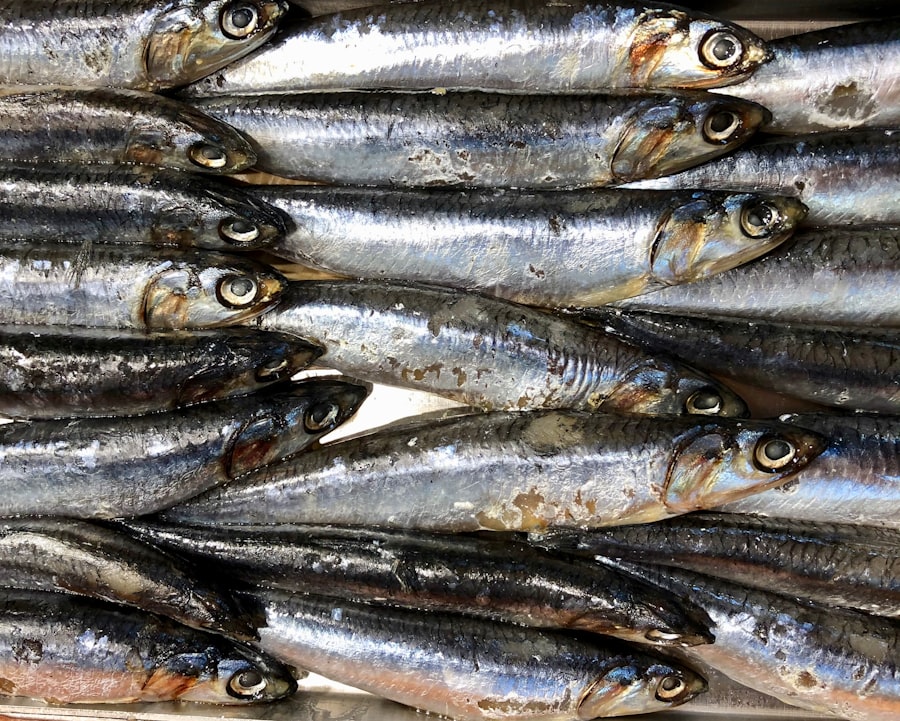
Fish and seafood are encouraged at least twice a week, providing omega-3 fatty acids that are vital for heart and brain health. Poultry and eggs are consumed in moderation, while red meat is limited to occasional servings.
Nuts and seeds also feature prominently in the Mediterranean Diet, offering healthy fats along with protein and fiber. Almonds, walnuts, pistachios, and sunflower seeds are commonly enjoyed as snacks or added to dishes for extra texture and flavor. Dairy products are included in moderation, primarily in the form of yogurt and cheese, which provide calcium and probiotics beneficial for gut health.
Finally, herbs and spices are used generously to flavor dishes, reducing the need for salt while enhancing both taste and nutritional value.
Sample Mediterranean Diet Meal Plans
Creating a meal plan that adheres to the principles of the Mediterranean Diet can be both enjoyable and satisfying. A typical day might start with a breakfast featuring Greek yogurt topped with fresh berries and a sprinkle of walnuts or almonds. This meal provides a balance of protein, healthy fats, and antioxidants to kickstart the day.
For lunch, a vibrant salad made with mixed greens, cherry tomatoes, cucumbers, olives, feta cheese, and grilled chicken drizzled with olive oil and lemon juice offers a refreshing combination of flavors while delivering essential nutrients. Dinner could consist of baked salmon seasoned with herbs de Provence served alongside quinoa pilaf mixed with sautéed spinach and garlic. This meal not only highlights the importance of fish but also incorporates whole grains and leafy greens.
For snacks throughout the day, options like hummus with carrot sticks or whole-grain crackers topped with avocado can keep energy levels stable while adhering to dietary guidelines. On another day, breakfast might include whole-grain toast topped with smashed avocado and poached eggs, providing healthy fats and protein. A lunch option could be a hearty lentil soup paired with whole-grain bread for dipping.
Dinner could feature grilled vegetable skewers alongside a chickpea salad dressed with tahini sauce. These meal ideas illustrate how diverse and flavorful the Mediterranean Diet can be while ensuring that nutritional needs are met.
Tips for Incorporating the Mediterranean Diet into Your Lifestyle
Transitioning to the Mediterranean Diet can be seamless with some practical strategies. One effective approach is to gradually replace less healthy ingredients with Mediterranean staples. For instance, swapping out butter for olive oil when cooking can significantly enhance the nutritional profile of meals without sacrificing flavor.
Additionally, incorporating more plant-based meals into your weekly routine can help ease the transition; consider dedicating one or two days each week to vegetarian dishes rich in legumes and vegetables. Shopping for fresh produce at local farmers’ markets can also enhance your experience with this diet. Not only does this support local agriculture, but it also encourages seasonal eating—an essential aspect of the Mediterranean lifestyle.
When planning meals, aim to fill half your plate with fruits and vegetables while ensuring that whole grains make up another quarter. This visual cue can help maintain balance in your meals while promoting variety. Another key tip is to embrace communal dining experiences.
The Mediterranean culture places great emphasis on sharing meals with family and friends, which fosters social connections and enhances enjoyment during mealtime. Consider hosting potluck dinners where everyone brings a dish inspired by Mediterranean cuisine or simply make it a habit to dine together more often with loved ones.
The Role of Exercise in the Mediterranean Diet
While the Mediterranean Diet focuses primarily on nutrition, physical activity is an integral component of this lifestyle. Regular exercise complements dietary choices by promoting overall health and well-being. In Mediterranean cultures, physical activity is often woven into daily life through walking or cycling rather than structured workouts at gyms.
This natural incorporation of movement helps maintain a healthy weight while enhancing cardiovascular fitness. Engaging in moderate-intensity aerobic activities such as brisk walking or swimming for at least 150 minutes per week is recommended for optimal health benefits. Additionally, strength training exercises should be included at least twice a week to build muscle mass and support metabolic function.
Activities like yoga or tai chi can also be beneficial for flexibility and stress reduction. The social aspect of exercise cannot be overlooked either; participating in group activities or sports fosters community engagement while making physical activity more enjoyable. Whether it’s joining a local soccer league or taking dance classes with friends, finding ways to stay active together can enhance motivation and adherence to an active lifestyle.
Potential Drawbacks and Considerations of the Mediterranean Diet
Despite its many benefits, there are some potential drawbacks to consider when adopting the Mediterranean Diet. One challenge may be accessibility; not everyone has easy access to fresh produce or high-quality olive oil due to geographic or economic constraints. In some regions, particularly urban areas or food deserts, finding affordable options that align with this dietary pattern can be difficult.
Another consideration is individual dietary needs; while the Mediterranean Diet is generally considered healthy for most people, those with specific medical conditions or dietary restrictions may need to modify certain aspects. For example, individuals with nut allergies should avoid nuts while still seeking alternative sources of healthy fats. Additionally, those who require gluten-free options may need to substitute traditional grains with gluten-free alternatives while ensuring they still receive adequate nutrition.
Lastly, transitioning to a new way of eating can sometimes lead to feelings of deprivation if individuals focus too heavily on what they cannot eat rather than embracing new flavors and ingredients available within the Mediterranean framework. It’s essential to approach this diet with an open mind and willingness to explore diverse culinary experiences rather than viewing it as restrictive.
Embracing the Mediterranean Diet for Overall Health
The Mediterranean Diet offers a holistic approach to nutrition that emphasizes balance, variety, and enjoyment in eating. By prioritizing whole foods rich in nutrients while incorporating regular physical activity into daily life, individuals can experience significant improvements in their overall health and well-being. The cultural aspects associated with this diet further enhance its appeal; sharing meals with loved ones fosters connections that contribute positively to mental health.
As more research continues to emerge supporting the benefits of this dietary pattern, it becomes increasingly clear that embracing the Mediterranean Diet can lead not only to improved physical health but also enhanced quality of life through social interactions centered around food. By adopting its principles thoughtfully—considering personal preferences and circumstances—individuals can embark on a rewarding journey toward better health through one of the world’s most celebrated culinary traditions.
In exploring the benefits and principles of The Complete Mediterranean Diet by Michael Ozner, readers may find it insightful to delve into related discussions on the topic. A particularly relevant article can be found on Hellread, which provides an in-depth look at the Mediterranean lifestyle and its impact on health. This article complements Ozner’s work by offering additional perspectives and practical tips for adopting this heart-healthy diet. For more information, you can read the article here.
FAQs
What is the Mediterranean diet?
The Mediterranean diet is a way of eating based on the traditional foods and drinks of the countries surrounding the Mediterranean Sea. It emphasizes fruits, vegetables, whole grains, legumes, nuts, seeds, olive oil, and lean protein, with moderate consumption of fish and dairy, and limited intake of red meat and sweets.
What are the health benefits of the Mediterranean diet?
Research has shown that the Mediterranean diet can reduce the risk of heart disease, stroke, and certain cancers. It is also associated with a lower risk of developing type 2 diabetes and can help with weight management. Additionally, the diet has been linked to improved brain health and a longer lifespan.
What foods are included in the Mediterranean diet?
The Mediterranean diet includes a variety of foods such as fruits, vegetables, whole grains, legumes, nuts, seeds, olive oil, fish, seafood, poultry, eggs, dairy products (especially yogurt and cheese), and occasional consumption of red meat. It also includes moderate consumption of red wine.
Is the Mediterranean diet suitable for vegetarians or vegans?
Yes, the Mediterranean diet can be adapted to suit a vegetarian or vegan lifestyle. It emphasizes plant-based foods and includes a variety of fruits, vegetables, whole grains, legumes, nuts, and seeds. Olive oil is the primary source of fat, and dairy can be replaced with plant-based alternatives.
Are there any potential drawbacks to the Mediterranean diet?
While the Mediterranean diet is generally considered to be a healthy way of eating, it may not be suitable for individuals with certain dietary restrictions or medical conditions. Additionally, some people may find it challenging to adhere to the diet’s guidelines, especially if they are accustomed to a different eating pattern. It’s important to consult with a healthcare professional before making significant changes to your diet.




