
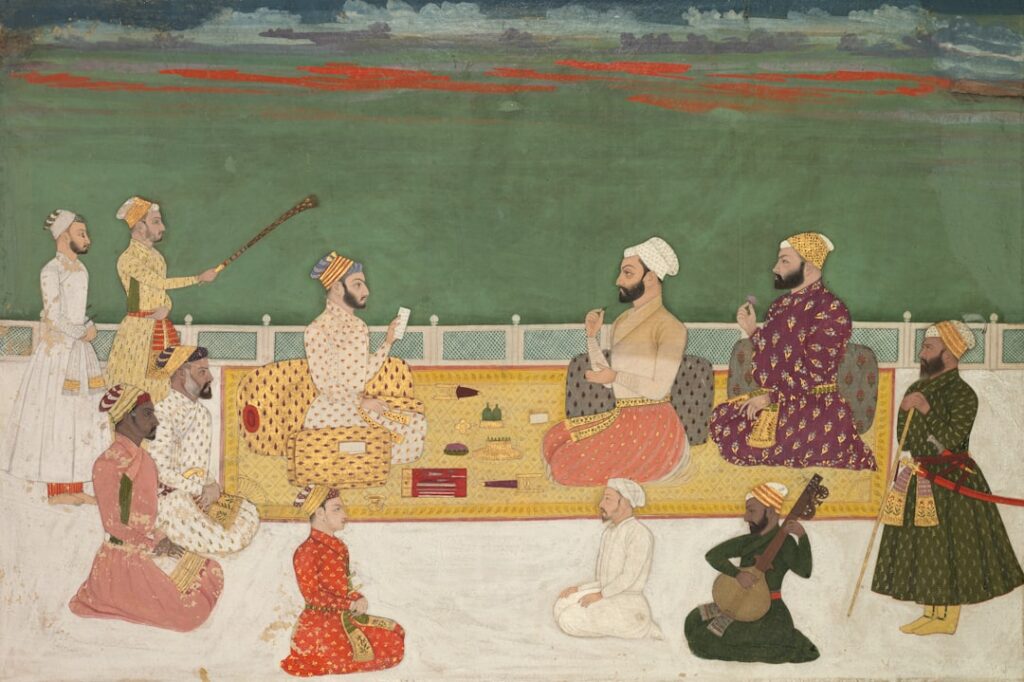
The term “White Mughals” refers to a fascinating and complex chapter in the history of British colonial India, characterized by the intermingling of British and Indian cultures during the late 18th and early 19th centuries. This period saw British officials, soldiers, and traders not only establishing their presence in India but also forming deep personal and romantic relationships with Indian nobility and local society. The term itself evokes images of British men who adopted Indian customs, clothing, and even religious practices, blurring the lines between colonizer and colonized.
The narrative of the White Mughals is not merely one of conquest and governance; it is also a story of love, cultural exchange, and the intricate dynamics of power that defined the colonial experience. The phenomenon of the White Mughals is encapsulated in the life of individuals such as James Achilles Kirkpatrick, a British Resident in Hyderabad, who famously married an Indian noblewoman named Khair-un-Nissa. Their relationship serves as a poignant example of how personal connections could transcend the rigid boundaries imposed by colonial hierarchies.
The White Mughals represent a unique intersection of cultures, where British expatriates found themselves enamored not only with the land but also with its people, leading to a rich tapestry of shared experiences that would have lasting implications for both British and Indian societies.
Key Takeaways
- White Mughals explores the cultural exchange and love story between British and Indian individuals during the colonial period.
- The historical context of White Mughals delves into the complex political and social dynamics of 18th century India.
- The love story at the heart of White Mughals highlights the forbidden romance between James Achilles Kirkpatrick and Khair-un-Nissa.
- The exploration of cultural exchange in White Mughals sheds light on the blending of British and Indian customs, fashion, and traditions.
- The impact of White Mughals on British-Indian relations examines the influence of intercultural relationships on colonial power dynamics and diplomacy.
The Historical Context of White Mughals
To fully appreciate the phenomenon of the White Mughals, it is essential to understand the historical backdrop against which this cultural exchange unfolded. The late 18th century marked a significant turning point in Indian history, as the Mughal Empire was in decline, giving way to regional powers and the increasing influence of European colonialism. The British East India Company, initially focused on trade, gradually expanded its control over vast territories in India through military conquests and strategic alliances.
This period was characterized by political instability, with various princely states vying for power amidst the weakening Mughal authority. As the British consolidated their power, they encountered a rich tapestry of cultures, languages, and traditions that were both foreign and alluring. The British officials stationed in India were often struck by the opulence of Indian courts and the sophistication of local customs.
Many found themselves drawn into the social fabric of Indian life, attending lavish gatherings and engaging with local elites. This interaction was not merely superficial; it often led to genuine friendships and romantic entanglements that challenged the prevailing notions of racial superiority and cultural segregation that defined colonial attitudes.
The Love Story at the Heart of White Mughals
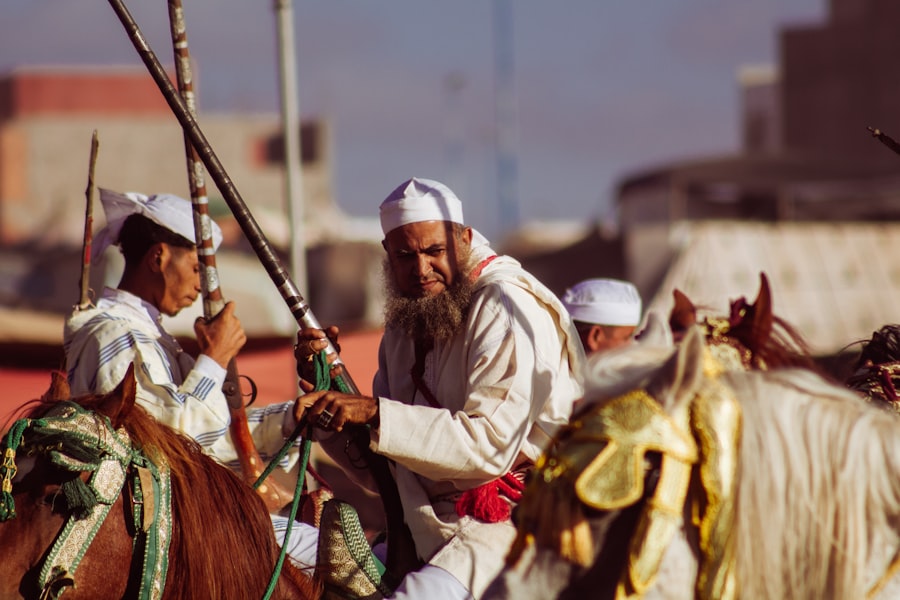
At the center of the White Mughals narrative lies the poignant love story between James Achilles Kirkpatrick and Khair-un-Nissa.
It was during this time that he met Khair-un-Nissa, a beautiful and intelligent woman from a noble family.
Their relationship blossomed against a backdrop of political intrigue and cultural exchange, illustrating how personal connections could transcend societal boundaries. Kirkpatrick’s love for Khair-un-Nissa was profound; he embraced her culture and even converted to Islam to marry her. This act was not merely a romantic gesture but also a significant political statement in an era when such conversions were rare among Europeans.
However, their love story was fraught with challenges, including societal pressures and Kirkpatrick’s obligations to his role as a British official. The complexities of their relationship reflect broader themes of identity, loyalty, and cultural negotiation that were prevalent during this tumultuous period.
Exploration of Cultural Exchange in White Mughals
The interactions between British officials and Indian society during the era of the White Mughals were marked by significant cultural exchange that influenced both parties profoundly. British expatriates often adopted local customs, clothing, and even culinary practices as they sought to integrate into Indian society. This cultural assimilation was not merely an act of convenience; it represented a genuine appreciation for the richness of Indian traditions.
For instance, many British men began wearing traditional Indian attire such as kurtas and turbans, while women adopted elements of Indian fashion in their dress. Conversely, Indian elites were also influenced by British customs and practices. The introduction of Western education systems, legal frameworks, and administrative practices began to reshape Indian society in various ways.
The establishment of schools that taught English and Western sciences created a new class of educated Indians who would later play pivotal roles in India’s struggle for independence. This reciprocal exchange fostered a unique environment where ideas flowed freely across cultural boundaries, leading to innovations in art, literature, and philosophy.
Impact of White Mughals on British-Indian Relations
The relationships formed during the era of the White Mughals had profound implications for British-Indian relations. On one hand, these personal connections helped to humanize the British presence in India, allowing for greater understanding between colonizers and the local populace. The marriages between British men and Indian women often served as bridges between cultures, fostering goodwill and cooperation at various levels of society.
These unions challenged prevailing stereotypes about race and culture, demonstrating that personal relationships could transcend political divisions. However, this cultural intermingling also had its drawbacks. While some British officials embraced Indian customs and sought to integrate into local society, others remained staunchly imperialistic in their attitudes.
The existence of White Mughals highlighted the contradictions inherent in colonial rule—where personal affection could coexist with systemic oppression. As British power expanded, so too did the complexities of these relationships; they often became entangled in broader political struggles that ultimately reinforced colonial hierarchies rather than dismantling them.
Critique and Controversy Surrounding White Mughals
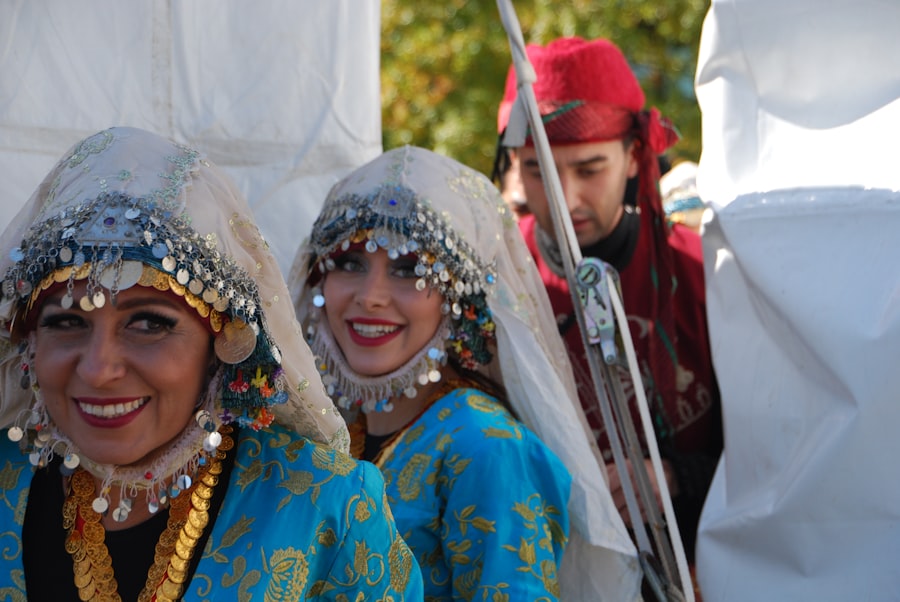
The narrative surrounding White Mughals is not without its critiques and controversies. Some historians argue that romanticizing these relationships risks oversimplifying the complexities of colonialism. While individual stories like that of Kirkpatrick and Khair-un-Nissa are compelling, they can obscure the broader realities of exploitation and oppression faced by many Indians under British rule.
Critics contend that focusing on these personal narratives may inadvertently downplay the systemic injustices that characterized colonial governance. Moreover, there is an ongoing debate about whether these relationships were genuinely egalitarian or if they were still rooted in power dynamics that favored the British. The notion that love could transcend cultural boundaries is appealing; however, it raises questions about consent and agency within these relationships.
Were these unions truly partnerships based on mutual respect, or were they influenced by the inherent power imbalances present in colonial contexts? Such inquiries challenge us to critically examine the legacy of White Mughals while acknowledging both their romantic allure and their historical complexities.
Legacy of White Mughals in Modern India
The legacy of White Mughals continues to resonate in contemporary India, particularly in discussions about cultural identity and hybridity. The blending of British and Indian cultures during this period laid the groundwork for a unique cultural synthesis that can still be observed today. Elements of Indo-British culture are evident in various aspects of modern Indian life—from cuisine to fashion—reflecting a shared history that transcends colonial narratives.
Furthermore, the stories of individuals like Kirkpatrick and Khair-un-Nissa serve as reminders of the human capacity for connection across divides. In an increasingly globalized world where cultural exchanges are commonplace, their experiences highlight the potential for understanding and collaboration between diverse communities. The legacy of White Mughals invites us to reflect on how historical narratives shape our present identities and relationships while encouraging us to embrace complexity rather than seek simplistic interpretations.
The Significance of White Mughals
The significance of White Mughals lies not only in their romantic tales but also in their broader implications for understanding colonial history and cultural exchange. They challenge us to reconsider traditional narratives about colonization by highlighting moments of connection amidst conflict. As we delve into this intricate tapestry woven from love stories, cultural exchanges, and historical complexities, we gain valuable insights into the human experience during one of history’s most transformative periods.
In examining the lives of individuals who navigated these turbulent waters, we uncover lessons about empathy, resilience, and the enduring power of love across cultural divides. The legacy of White Mughals serves as a testament to our shared humanity—a reminder that even in times marked by division and strife, connections can flourish, enriching our understanding of each other and our world.
In exploring the intricate tapestry of cultural and historical narratives, William Dalrymple’s “White Mughals” offers a profound insight into the complex relationships between the British and the Indian subcontinent during the 18th and 19th centuries. For those interested in delving deeper into similar themes of cross-cultural interactions and historical accounts, an article that complements Dalrymple’s work can be found on Hellread. This article provides additional perspectives and enriches the understanding of the era’s socio-political dynamics. You can read more about these fascinating historical intersections by visiting this related article.
FAQs
What is the book “White Mughals” about?
The book “White Mughals” by William Dalrymple is a non-fiction work that explores the cultural and social interactions between the British and Indians during the 18th century in India.
Who is the author of “White Mughals”?
The author of “White Mughals” is William Dalrymple, a Scottish historian, writer, and curator.
When was “White Mughals” published?
“White Mughals” was first published in 2002.
What is the significance of the term “White Mughals”?
The term “White Mughals” refers to the British men who, during the 18th century, adopted Indian customs, clothing, and even converted to Islam, and the Indian women who married them. This cultural fusion challenged the prevailing norms of the time.
What are some of the themes explored in “White Mughals”?
Some of the themes explored in “White Mughals” include interracial relationships, cultural exchange, and the impact of colonialism on Indian society during the 18th century.




