
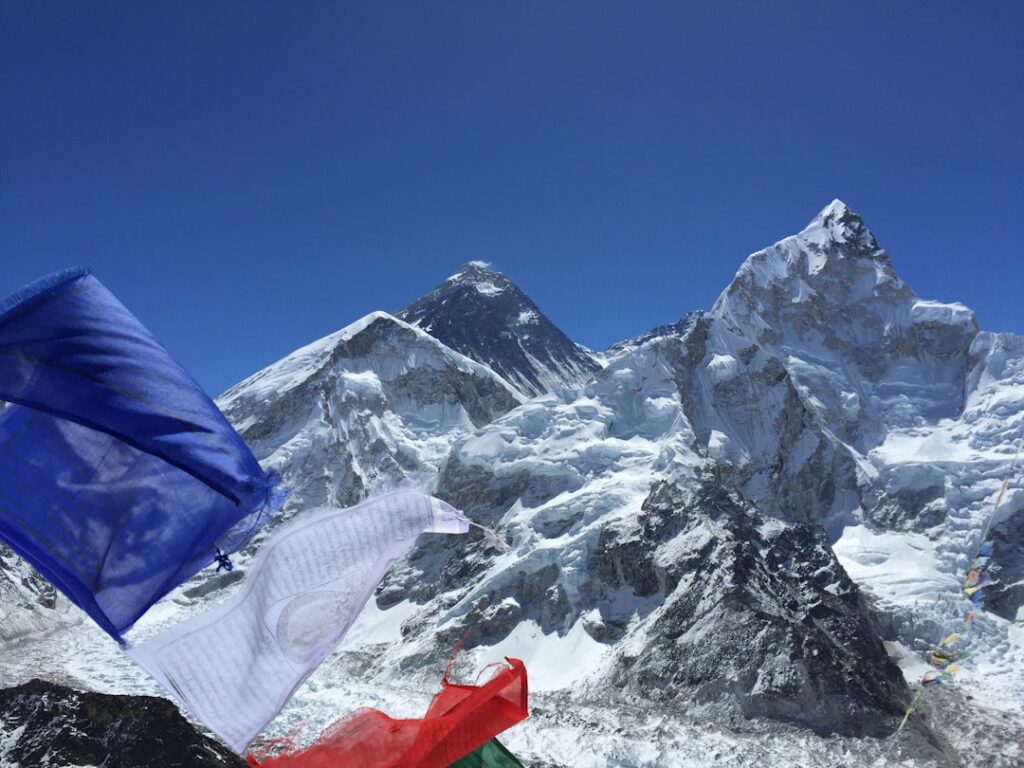
Mount Everest, known as Sagarmatha in Nepal and Chomolungma in Tibet, has long captivated the imagination of adventurers and explorers. Its towering height of 8,848.86 meters (29,031.7 feet) makes it the highest peak on Earth, a title it has held since its first official measurement in 1856. The mountain’s allure dates back centuries, with early references found in ancient texts and local folklore.
However, it wasn’t until the 19th century that serious attempts to explore and conquer its formidable heights began. The British Great Trigonometrical Survey of India was pivotal in establishing the mountain’s height and location, leading to increased interest from climbers around the world. The first successful ascent of Everest occurred on May 29, 1953, when Sir Edmund Hillary from New Zealand and Tenzing Norgay, a Sherpa of Nepal, reached the summit.
This monumental achievement not only marked a significant milestone in mountaineering history but also symbolized human perseverance against nature’s most daunting challenges. The climb was fraught with peril, including extreme weather conditions, treacherous terrain, and the ever-present risk of altitude sickness. The successful ascent ignited a wave of interest in high-altitude climbing, leading to numerous expeditions in the following decades.
As more climbers sought to conquer Everest, the mountain transformed into a global icon of adventure and exploration.
Key Takeaways
- Everest has a rich history of exploration and conquest, with the first successful summit in 1953 by Sir Edmund Hillary and Tenzing Norgay.
- Authors Conrad Anker and Broughton Coburn bring their own experiences and perspectives to “The Call of Everest,” offering a unique insight into the world of mountaineering.
- “The Call of Everest” provides a gripping summary of the challenges and triumphs of climbing the world’s highest peak, including the 1999 Mallory and Irvine Research Expedition.
- Climbing Everest presents numerous challenges, including extreme weather, altitude sickness, and the notorious Khumbu Icefall.
- The Sherpa community has been deeply impacted by Everest, with many Sherpas serving as guides and porters for expeditions, facing significant risks and challenges.
The Authors: Conrad Anker and Broughton Coburn
The Accomplished Climber: Conrad Anker
Anker, an accomplished climber known for his bold ascents and deep respect for the mountains, has been a key player in numerous high-profile expeditions. His career is marked by significant achievements, including his role in the first ascent of the Shark’s Fin on Meru Peak in India, which was later chronicled in the acclaimed documentary “Meru.” Anker’s passion for climbing is matched by his commitment to environmental conservation and the preservation of mountain cultures.
The Author and Filmmaker: Broughton Coburn
Broughton Coburn, on the other hand, is an author and filmmaker whose work often explores the intersection of adventure and culture. His writing is characterized by a deep understanding of the human experience in extreme environments. Coburn’s collaboration with Anker on “The Call of Everest” brings together their shared love for the mountain and their desire to convey its profound impact on those who dare to climb it.
A Rich Narrative of Everest
Through their combined efforts, they provide readers with a rich narrative that delves into the history, challenges, and cultural significance of Everest.
The Call of Everest: A Summary
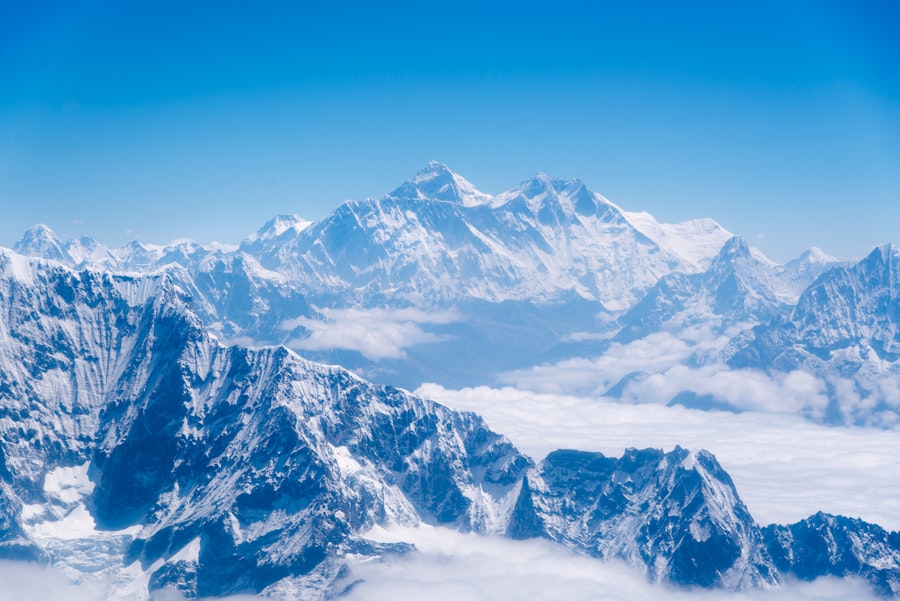
“The Call of Everest” is a compelling narrative that intertwines personal stories with historical accounts of Mount Everest. The book serves as both a tribute to the mountain and an exploration of what drives individuals to pursue such perilous endeavors. Anker and Coburn delve into the motivations behind climbing Everest, examining the psychological and emotional factors that compel climbers to face extreme risks.
They highlight how the mountain calls to adventurers, drawing them into its embrace despite the dangers that lie ahead. The authors also reflect on the evolution of climbing techniques and equipment over the years, illustrating how advancements have changed the landscape of high-altitude climbing. They recount tales of legendary climbers who have left their mark on Everest’s history, from early pioneers to modern-day adventurers.
Through vivid storytelling and rich descriptions, “The Call of Everest” captures not only the physical challenges of climbing but also the spiritual journey that many climbers experience as they confront their limits amidst breathtaking landscapes.
The Challenges of Climbing Everest
Climbing Mount Everest is not merely a test of physical endurance; it is a complex interplay of mental fortitude, technical skill, and environmental awareness. One of the most significant challenges climbers face is altitude sickness, which can occur at elevations above 2,500 meters (8,200 feet). As climbers ascend, the air pressure decreases, leading to reduced oxygen levels that can result in symptoms ranging from headaches and nausea to life-threatening conditions like High Altitude Pulmonary Edema (HAPE) or High Altitude Cerebral Edema (HACE).
The risk of altitude sickness necessitates careful acclimatization strategies, where climbers must spend time at various altitudes to allow their bodies to adjust. In addition to altitude-related issues, climbers must navigate treacherous terrain characterized by crevasses, icefalls, and unstable weather conditions. The Khumbu Icefall, for instance, is notorious for its shifting ice blocks and deep crevasses that pose significant risks to climbers attempting to cross it.
Furthermore, the unpredictable weather patterns on Everest can lead to sudden storms that can trap climbers at high altitudes for extended periods.
The Impact of Everest on the Sherpa Community
The Sherpa community plays an integral role in the culture and economy surrounding Mount Everest. Traditionally known as skilled mountaineers and guides, Sherpas have been instrumental in facilitating climbs for foreign expeditions since the early days of Everest exploration. Their intimate knowledge of the mountain’s terrain and weather patterns makes them invaluable partners for climbers seeking to reach the summit.
However, this relationship has evolved over time, leading to both positive and negative impacts on Sherpa communities. On one hand, the influx of climbers has provided economic opportunities for Sherpas through guiding services and support roles during expeditions. Many Sherpas have established successful businesses catering to tourists and climbers, contributing to local economies in regions like Namche Bazaar.
On the other hand, the commercialization of Everest has raised concerns about cultural preservation and environmental sustainability. The increasing number of climbers has led to overcrowding on popular routes, putting pressure on local resources and infrastructure. Additionally, Sherpas often face significant risks while guiding climbers, with many losing their lives in pursuit of this dangerous profession.
The Role of Technology in Climbing Everest
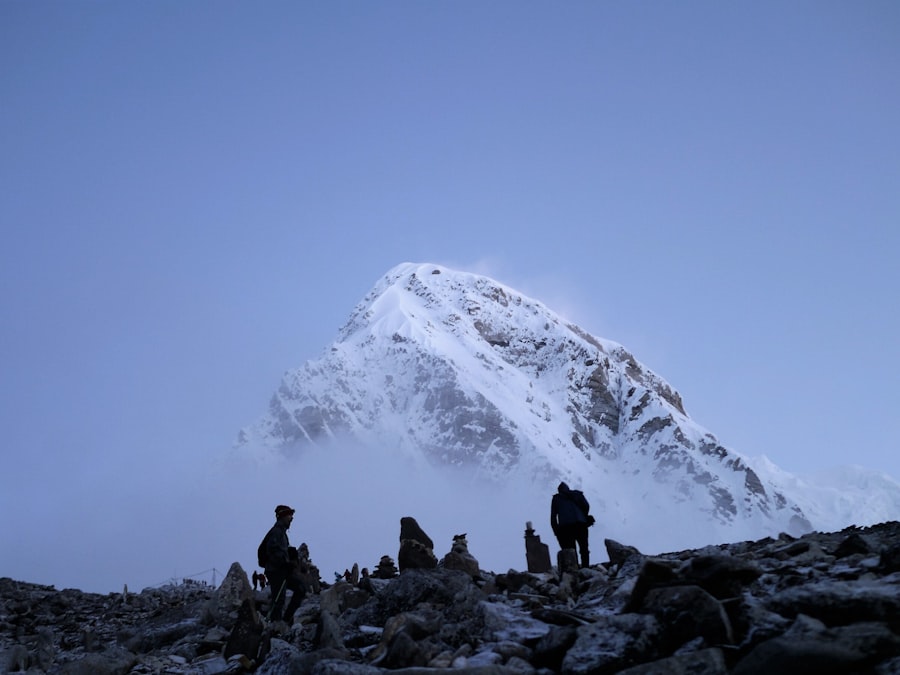
Enhanced Safety through Weather Forecasting
Modern weather prediction tools allow climbers to make informed decisions about when to ascend or descend based on real-time data about changing conditions on the mountain.
Innovations in Climbing Equipment
Innovations in climbing equipment have made it possible for more individuals to attempt Everest than ever before. Lightweight materials have led to more efficient gear that reduces fatigue during climbs while providing essential protection against harsh elements. Oxygen systems have also evolved; climbers now use sophisticated supplemental oxygen systems that allow them to breathe more easily at extreme altitudes.
Raising Ethical Questions
These technological advancements have not only increased success rates but have also raised ethical questions about accessibility and the spirit of mountaineering.
The Environmental Impact of Climbing Everest
The environmental consequences of climbing Mount Everest have become increasingly apparent as more climbers flock to its slopes each year. The surge in expeditions has led to significant waste accumulation on the mountain, including discarded gear, human waste, and trash left behind by climbers. This pollution poses serious threats to both local ecosystems and future climbing endeavors.
Efforts have been made by various organizations to address these issues through clean-up initiatives aimed at removing debris from popular routes. Additionally, climate change has had a profound impact on Everest’s environment. Glacial melting has altered the landscape significantly over recent years, affecting water sources for local communities and wildlife habitats.
As temperatures rise, the stability of ice formations becomes compromised, increasing risks for climbers navigating these areas. The delicate balance between adventure tourism and environmental conservation remains a pressing concern as stakeholders grapple with how best to protect this iconic mountain while accommodating those who seek its summit.
The Legacy of The Call of Everest
“The Call of Everest” stands as a testament not only to the allure of Mount Everest but also to the complex narratives surrounding its history and culture. Anker and Coburn’s work invites readers to reflect on what it means to pursue such lofty ambitions while acknowledging the myriad challenges faced by those who dare to climb this majestic peak.
The legacy of “The Call of Everest” lies in its ability to inspire future generations of climbers and adventurers while fostering a deeper understanding of the responsibilities that come with such pursuits. As more individuals are drawn to Everest’s heights, it becomes increasingly vital to consider not only personal aspirations but also the broader implications for local communities and ecosystems. Through their narrative, Anker and Coburn encourage a dialogue about sustainable practices in mountaineering that honors both the spirit of adventure and the sanctity of nature—a legacy that will resonate long after their words are read.
If you enjoyed reading The Call of Everest by Conrad Anker and Broughton Coburn, you may also be interested in checking out this article on hellread.com titled “Hello World.” This article delves into the world of mountaineering and the challenges faced by climbers as they strive to conquer the world’s highest peaks. With gripping storytelling and insightful commentary, “Hello World” offers a fascinating glimpse into the world of extreme adventure. You can read the article here.
FAQs
What is “The Call of Everest” about?
“The Call of Everest” is a book written by Conrad Anker and Broughton Coburn that chronicles the 1999 Mallory and Irvine Research Expedition to Mount Everest. The book provides a detailed account of the expedition’s efforts to solve the mystery of whether George Mallory and Andrew Irvine reached the summit of Everest in 1924.
Who are the authors of “The Call of Everest”?
The book “The Call of Everest” is co-authored by Conrad Anker, a renowned mountaineer, and Broughton Coburn, an author and mountaineer. Anker is known for his numerous accomplishments in the world of mountaineering, including his discovery of George Mallory’s body on Mount Everest in 1999.
What is the significance of the 1999 Mallory and Irvine Research Expedition?
The 1999 Mallory and Irvine Research Expedition was significant because it aimed to solve the mystery of whether George Mallory and Andrew Irvine reached the summit of Mount Everest in 1924, nearly 30 years before Sir Edmund Hillary and Tenzing Norgay’s successful ascent. The expedition’s findings and discoveries shed new light on the history of Everest exploration.
What can readers expect to learn from “The Call of Everest”?
Readers can expect to learn about the challenges and triumphs of the 1999 Mallory and Irvine Research Expedition, as well as gain insight into the history of Everest exploration and the enduring allure of the world’s highest peak. The book also delves into the personal experiences and reflections of the authors and their fellow climbers during the expedition.




