
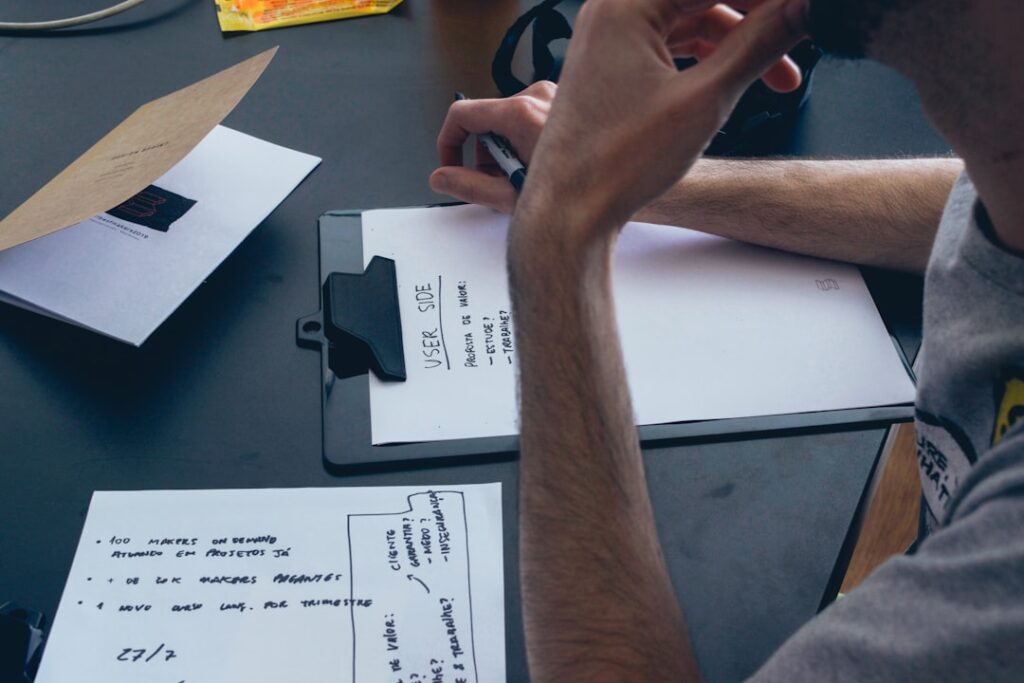
Enterprise UX design refers to the process of creating user experiences specifically tailored for enterprise-level applications and systems. Unlike consumer-focused design, which often prioritizes aesthetics and emotional engagement, enterprise UX must address the complexities of business operations, user workflows, and organizational goals. The primary aim is to enhance productivity, streamline processes, and improve user satisfaction within a corporate environment.
This involves understanding the unique needs of various stakeholders, including employees, managers, and IT personnel, who interact with these systems daily. The landscape of enterprise UX design is continually evolving, driven by advancements in technology and changing user expectations. As organizations increasingly adopt digital tools to facilitate their operations, the demand for intuitive and efficient user interfaces has never been greater.
This shift necessitates a comprehensive approach to design that not only considers the functional requirements of enterprise applications but also emphasizes usability and accessibility. By focusing on the end-user experience, organizations can foster a culture of innovation and agility, ultimately leading to improved business outcomes.
Key Takeaways
- Enterprise UX design focuses on creating user experiences for employees within large organizations.
- Challenges in enterprise UX design include complex systems, diverse user needs, and organizational resistance to change, while opportunities include improving productivity and employee satisfaction.
- Best practices for designing UX in the enterprise include understanding user needs, creating intuitive interfaces, and prioritizing accessibility and inclusivity.
- Research and data play a crucial role in enterprise UX design by informing design decisions, identifying user pain points, and measuring the impact of design changes.
- Collaborating with stakeholders in enterprise UX design involves involving cross-functional teams, gathering input from various departments, and aligning design goals with business objectives.
Challenges and Opportunities in Enterprise UX Design
Designing user experiences for enterprise applications presents a unique set of challenges. One significant hurdle is the complexity of the systems themselves. Enterprise software often encompasses a wide range of functionalities, catering to diverse user roles and responsibilities.
This complexity can lead to confusion and frustration among users, particularly if the design does not effectively guide them through their tasks. Additionally, legacy systems may hinder the implementation of modern design principles, as they are often rigid and difficult to modify.
As organizations recognize the importance of user-centered design, there is a growing emphasis on creating solutions that prioritize usability. This shift opens the door for designers to advocate for user needs and push for changes that enhance overall experience. Furthermore, advancements in technology—such as artificial intelligence, machine learning, and cloud computing—offer new avenues for creating more personalized and efficient user experiences.
Best Practices for Designing UX in the Enterprise
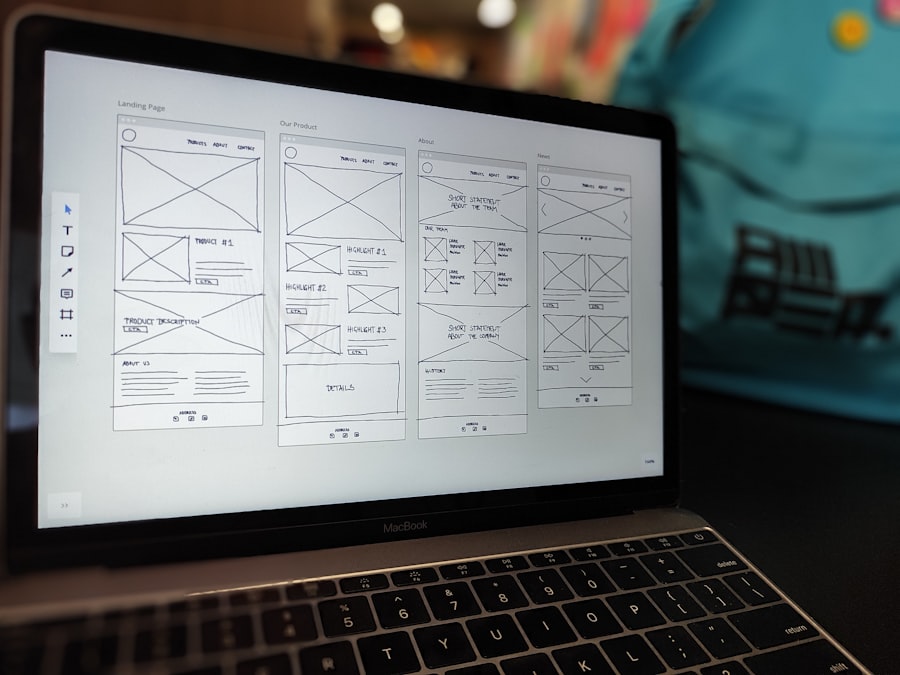
To create effective enterprise UX designs, several best practices should be followed. First and foremost, understanding the users is crucial. Conducting thorough user research helps identify pain points, workflows, and specific needs of different user groups.
Techniques such as interviews, surveys, and usability testing can provide valuable insights into how users interact with existing systems and what improvements they seek. This foundational knowledge allows designers to create solutions that are not only functional but also resonate with users on a practical level. Another best practice is to prioritize simplicity and clarity in design.
Given the complexity of many enterprise applications, it is essential to distill information and functionality into easily digestible components. This can be achieved through clear navigation structures, intuitive layouts, and consistent visual language. Employing design patterns that users are already familiar with can also enhance usability by reducing the learning curve associated with new systems.
Additionally, incorporating feedback mechanisms within the application allows users to voice their concerns and suggestions, fostering a sense of ownership over the tools they use.
The Role of Research and Data in Enterprise UX Design
Research and data play a pivotal role in shaping effective enterprise UX design. By gathering quantitative and qualitative data about user behavior, preferences, and pain points, designers can make informed decisions that directly impact the user experience. Analytics tools can track how users interact with applications, revealing patterns that may not be immediately apparent through observational studies alone.
This data-driven approach enables designers to identify areas for improvement and prioritize features that will deliver the most value to users. Moreover, ongoing research is essential even after the initial design phase. User needs evolve over time as businesses change and technology advances.
Regularly conducting usability tests and gathering feedback ensures that the design remains relevant and effective. A/B testing can also be employed to compare different design iterations, allowing teams to determine which version resonates better with users. By continuously integrating research into the design process, organizations can create adaptive solutions that evolve alongside their users’ needs.
Collaborating with Stakeholders in Enterprise UX Design
Collaboration among stakeholders is a cornerstone of successful enterprise UX design. Engaging with various departments—such as IT, marketing, operations, and human resources—ensures that diverse perspectives are considered throughout the design process. Each stakeholder brings unique insights into how the application will be used within their specific context, which can significantly influence design decisions.
For instance, IT may have technical constraints that need to be addressed, while end-users can provide firsthand accounts of their experiences with existing systems. Effective communication is key to fostering collaboration among stakeholders. Regular meetings, workshops, and brainstorming sessions can facilitate open dialogue and encourage the sharing of ideas.
Utilizing collaborative tools such as wireframing software or project management platforms allows stakeholders to visualize concepts and provide feedback in real-time. By creating an inclusive environment where all voices are heard, organizations can ensure that the final product meets the needs of all users while aligning with broader business objectives.
Implementing UX Design in Large Organizations

Securing Leadership Buy-In
One of the first steps in implementing UX design is to secure buy-in from leadership. This can be achieved by demonstrating the value of investing in user experience. Presenting case studies or data that illustrate the benefits of improved UX, such as increased productivity or reduced training costs, can help garner support from decision-makers.
Building a UX-Focused Team
Once buy-in is achieved, establishing a dedicated UX team or integrating UX roles within existing teams can facilitate a more focused approach to design. This helps to ensure that user experience remains a priority throughout all stages of product development.
Creating a UX-Centric Culture
Creating a culture that values user experience is essential for long-term success. This involves promoting awareness of UX principles across all levels of the organization and encouraging collaboration between departments. Training sessions or workshops can help educate employees about the importance of user-centered design and how it impacts their work. By embedding UX practices into the organizational culture, companies can ensure that user experience remains a priority.
Measuring the Success of Enterprise UX Design
Measuring the success of enterprise UX design is critical for understanding its impact on users and overall business performance. Key performance indicators (KPIs) should be established early in the design process to provide benchmarks for evaluation. Metrics such as task completion rates, time on task, error rates, and user satisfaction scores can offer valuable insights into how well the design meets user needs.
Additionally, tracking employee engagement levels can indicate whether improved UX translates into higher morale and productivity. User feedback is another vital component of measuring success. Conducting post-launch surveys or interviews allows organizations to gather qualitative data about users’ experiences with the new system.
This feedback can highlight areas for further improvement or validate successful aspects of the design. Furthermore, establishing a continuous feedback loop ensures that organizations remain responsive to user needs over time, allowing for iterative enhancements that keep pace with changing requirements.
Case Studies and Examples of Successful Enterprise UX Design
Several organizations have successfully implemented enterprise UX design principles to enhance their applications and improve user satisfaction. One notable example is SAP’s Fiori design system, which revolutionized how users interact with SAP’s enterprise software suite. By adopting a user-centered approach and focusing on simplicity and consistency across applications, SAP was able to significantly improve usability for its customers.
The Fiori interface emphasizes intuitive navigation and responsive design, allowing users to access critical information quickly and efficiently. Another compelling case study is that of IBM’s Watson Workspace, a collaboration tool designed for enterprise teams. IBM conducted extensive user research to understand how teams communicate and collaborate in various contexts.
The insights gained from this research informed the development of features such as smart notifications and integrated task management tools tailored to enhance productivity. By prioritizing user needs throughout the design process, IBM created a platform that not only meets functional requirements but also fosters collaboration among team members. These examples illustrate how effective enterprise UX design can lead to tangible improvements in user experience and overall business performance.
By focusing on user needs, leveraging data-driven insights, and fostering collaboration among stakeholders, organizations can create solutions that empower employees and drive organizational success.
If you’re interested in learning more about user experience design in the enterprise, you may want to check out the article “Hello World” on Hellread. This article discusses the importance of creating a user-friendly experience for customers and employees alike. To read more about this topic, visit here.
FAQs
What is UX design for the enterprise?
UX design for the enterprise refers to the process of creating user experiences for software and applications used within large organizations. It focuses on understanding the needs and behaviors of employees and designing interfaces that are intuitive, efficient, and enjoyable to use.
Why is UX design important for the enterprise?
UX design is important for the enterprise because it can improve employee productivity, satisfaction, and overall performance. Well-designed enterprise software can streamline workflows, reduce errors, and make it easier for employees to accomplish their tasks.
What are the key principles of UX design for the enterprise?
Key principles of UX design for the enterprise include understanding the user’s context, providing clear and intuitive navigation, designing for accessibility and inclusivity, and prioritizing efficiency and productivity.
How does UX design for the enterprise differ from other types of UX design?
UX design for the enterprise often involves designing for complex workflows, integrating with existing systems, and accommodating a wide range of user roles and permissions. It may also involve considerations for security, compliance, and scalability that are unique to large organizations.
What are some best practices for UX design in the enterprise?
Best practices for UX design in the enterprise include conducting thorough user research, involving stakeholders from across the organization, prototyping and testing designs with real users, and continuously iterating and improving based on feedback and data.




