

Digital forensics is a specialized field that focuses on the recovery, investigation, and analysis of material found in digital devices, often in relation to computer crime. As technology continues to evolve at a rapid pace, the importance of digital forensics has grown exponentially. This discipline encompasses a wide range of activities, from recovering deleted files to analyzing network traffic and investigating cybercrimes.
The primary goal of digital forensics is to uncover evidence that can be used in legal proceedings, ensuring that the integrity of the data is maintained throughout the process. The rise of cybercrime has necessitated the development of sophisticated techniques and tools to combat these threats. Digital forensics plays a crucial role in various sectors, including law enforcement, corporate security, and incident response teams.
By employing a systematic approach to data collection and analysis, forensic experts can provide valuable insights into criminal activities, helping to identify perpetrators and prevent future incidents. The field is constantly evolving, with new technologies and methodologies emerging to address the challenges posed by increasingly complex digital environments.
Key Takeaways
- Digital forensics is the process of collecting, analyzing, and preserving digital evidence to be used in legal cases.
- Open source tools are freely available software that can be used for digital forensics, such as Autopsy and Sleuth Kit.
- Data acquisition and imaging involve making a bit-for-bit copy of a digital device to preserve its state for analysis.
- File analysis and recovery techniques can be used to extract and reconstruct data from damaged or deleted files.
- Network forensics involves analyzing network traffic and logs to investigate security incidents and unauthorized access.
Understanding Open Source Tools
Open source tools have become an integral part of the digital forensics landscape, offering a cost-effective and flexible alternative to proprietary software. These tools are developed collaboratively by communities of programmers and enthusiasts, allowing for continuous improvement and innovation. The transparency of open source software enables forensic analysts to scrutinize the code for vulnerabilities and ensure that the tools are reliable and effective.
This aspect is particularly important in legal contexts, where the integrity of the evidence must be beyond reproach. One notable open source tool is Autopsy, a digital forensics platform that provides a user-friendly interface for analyzing hard drives and smartphones. Autopsy allows investigators to recover deleted files, analyze file systems, and examine web activity, all while maintaining a detailed log of actions taken during the investigation.
Another powerful tool is Sleuth Kit, which serves as the underlying framework for Autopsy and offers command-line utilities for in-depth analysis of file systems. These tools exemplify how open source solutions can empower forensic professionals to conduct thorough investigations without the financial burden associated with commercial software.
Data Acquisition and Imaging
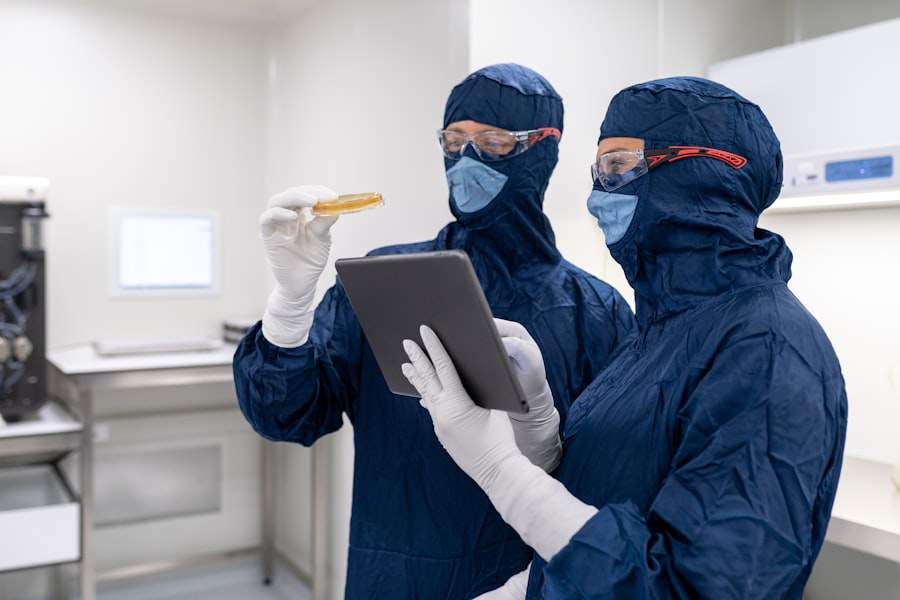
Data acquisition is a critical step in the digital forensics process, as it involves creating an exact copy or image of the original data source. This process ensures that the integrity of the data is preserved while allowing forensic analysts to work on a duplicate rather than the original device. Various methods can be employed for data acquisition, including physical imaging, logical imaging, and live data acquisition.
Each method has its own advantages and is chosen based on the specific circumstances of the case. Physical imaging involves creating a bit-by-bit copy of a storage device, capturing all data, including deleted files and unallocated space. This method is particularly useful when dealing with hard drives or solid-state drives where complete data recovery is necessary.
Logical imaging, on the other hand, focuses on specific files or directories rather than the entire disk. This approach is often employed when time constraints are present or when only certain data is relevant to the investigation. Live data acquisition captures volatile data from a running system, such as RAM contents or active network connections, which can be crucial in cases involving malware or ongoing cyberattacks.
File Analysis and Recovery
Once data has been acquired, the next phase in digital forensics is file analysis and recovery. This process involves examining the contents of the acquired data to identify relevant information that may serve as evidence in an investigation. Forensic analysts utilize various techniques to recover deleted files, analyze file metadata, and reconstruct fragmented files.
The ability to recover deleted files is particularly significant, as individuals often attempt to erase incriminating evidence by deleting files or formatting storage devices. File carving is a common technique used in file recovery, which involves searching for file signatures within unallocated space on a disk image. By identifying these signatures, forensic analysts can reconstruct files that have been deleted but not yet overwritten by new data.
Additionally, metadata analysis provides insights into file creation dates, modification dates, and access times, which can help establish timelines and relationships between different pieces of evidence. The combination of these techniques allows forensic experts to build a comprehensive picture of user activity and potential criminal behavior.
Network Forensics
Network forensics is a sub-discipline of digital forensics that focuses on monitoring and analyzing network traffic to uncover malicious activities or security breaches. As organizations increasingly rely on interconnected systems and cloud services, understanding network behavior has become paramount in identifying threats and responding effectively. Network forensics involves capturing data packets transmitted over a network and analyzing them for signs of unauthorized access or data exfiltration.
Tools such as Wireshark are commonly used in network forensics to capture and analyze packet data in real-time. By examining packet headers and payloads, forensic analysts can identify patterns of behavior indicative of cyberattacks or unauthorized access attempts. Additionally, logs from firewalls, intrusion detection systems (IDS), and other network devices provide valuable context for understanding network events.
Mobile Device Forensics
With the proliferation of smartphones and tablets, mobile device forensics has emerged as a vital area within digital forensics. Mobile devices often contain a wealth of personal information, including text messages, call logs, photos, and app data. Investigating these devices can yield critical evidence in criminal cases ranging from fraud to homicide.
However, mobile forensics presents unique challenges due to the variety of operating systems, encryption methods, and security features employed by manufacturers. Forensic tools such as Cellebrite UFED and Oxygen Forensic Detective are specifically designed to extract data from mobile devices while bypassing security measures like passcodes or biometric locks. These tools can perform logical extractions, which retrieve accessible data without altering the device’s state, as well as physical extractions that create complete images of the device’s storage.
The extraction process must be conducted carefully to avoid altering any evidence inadvertently. Furthermore, mobile device forensics requires an understanding of app-specific data structures and cloud synchronization features that may complicate investigations.
Memory Forensics
Memory forensics focuses on analyzing volatile memory (RAM) to uncover evidence that may not be present on disk drives. Since RAM stores temporary data related to running processes and system states, it can provide invaluable insights into ongoing attacks or system compromises. Memory forensics allows investigators to capture snapshots of memory at specific points in time, enabling them to analyze active processes, network connections, and loaded modules.
Tools like Volatility Framework are widely used in memory forensics to analyze memory dumps systematically. By examining process lists, open sockets, and DLLs loaded into memory, forensic analysts can identify malicious software or unauthorized access attempts that may not leave traces on disk storage. Memory analysis can also reveal sensitive information such as encryption keys or passwords stored in memory during active sessions.
Given the transient nature of RAM contents, memory forensics is often employed in conjunction with other forensic techniques to provide a comprehensive view of an incident.
Case Studies and Practical Applications
The practical applications of digital forensics are vast and varied, with numerous case studies illustrating its effectiveness in real-world scenarios. One notable example is the investigation into the 2016 Democratic National Committee (DNC) hack during the U.S. presidential election campaign. Forensic experts analyzed network traffic logs and malware samples to trace the attack back to Russian state-sponsored hackers. The findings were instrumental in understanding the tactics used by adversaries and informing national security responses. Another significant case involved the recovery of evidence from a suspect’s computer in a child exploitation investigation. Forensic analysts utilized advanced file recovery techniques to uncover deleted images that had been intentionally erased by the suspect. The meticulous examination of file metadata provided crucial timestamps that helped establish a timeline of events leading up to the arrest. This case underscored the importance of digital forensics in protecting vulnerable populations and holding offenders accountable. Digital forensics continues to evolve alongside technological advancements and emerging threats. As cybercrime becomes more sophisticated, forensic experts must adapt their methodologies and tools accordingly. The integration of artificial intelligence (AI) into forensic analysis holds promise for automating certain tasks and enhancing investigative capabilities. By leveraging AI algorithms to sift through vast amounts of data quickly, forensic professionals can focus their efforts on interpreting results rather than getting bogged down in manual analysis. In conclusion, digital forensics plays an essential role in modern investigations across various domains. From understanding open source tools to exploring specialized areas like mobile device forensics and memory analysis, this field encompasses a wide range of techniques aimed at uncovering evidence in our increasingly digital world. As technology continues to advance at an unprecedented pace, so too will the methods employed by forensic experts to ensure justice prevails in an ever-evolving landscape of cyber threats.
If you are interested in learning more about digital forensics and open source tools, you may also want to check out the article “Hello World” on Hellread.
This article provides a beginner’s guide to programming and can be a useful resource for those looking to enhance their technical skills in the field of digital forensics. To read more, visit here.
FAQs
What is digital forensics?
Digital forensics is the process of collecting, analyzing, and preserving digital evidence in a way that is suitable for presentation in a court of law. It involves investigating and recovering information from digital devices such as computers, mobile phones, and storage media.
What are open source tools in digital forensics?
Open source tools in digital forensics are software applications and utilities that are freely available for use, modification, and distribution. These tools are often developed and maintained by a community of volunteers and are commonly used by digital forensics professionals for tasks such as data acquisition, analysis, and reporting.
Why use open source tools for digital forensics?
Open source tools are often preferred in digital forensics due to their transparency, flexibility, and cost-effectiveness. They allow forensic examiners to customize and extend the functionality of the tools to meet specific investigative needs, and they can be used without incurring licensing fees.
What are some examples of open source tools for digital forensics?
Some examples of open source tools for digital forensics include Autopsy, Sleuth Kit, Volatility, and Wireshark. These tools are widely used for tasks such as file system analysis, memory forensics, network traffic analysis, and data carving.
What are the challenges of using open source tools in digital forensics?
Some challenges of using open source tools in digital forensics include the need for specialized training and expertise, potential lack of official support, and the risk of using tools with potential security vulnerabilities. Additionally, open source tools may not always have the same level of documentation and user support as commercial tools.




