

In recent years, the debate surrounding the role of cash in our society has intensified, leading to the emergence of the concept known as “The Curse of Cash.” This term encapsulates the idea that cash, while historically a cornerstone of economic transactions, may now be more of a hindrance than a help in our increasingly digital world. As we navigate through the complexities of modern finance, we find ourselves questioning whether cash is an outdated relic or an essential tool for economic freedom. The discussions surrounding this topic are multifaceted, touching on issues of convenience, security, and the very nature of our financial systems.
As we delve deeper into this subject, we recognize that cash has long been viewed as a universal medium of exchange, providing anonymity and ease of use. However, with the rise of digital payment systems and cryptocurrencies, we are beginning to see a shift in how we perceive and utilize money. The implications of this shift are profound, affecting everything from personal finance to global economic policies.
In this article, we will explore the various dimensions of cash in our modern economy, weighing its benefits against the potential drawbacks of a cashless society.
Key Takeaways
- The Curse of Cash explores the implications of a cashless society and the potential benefits and challenges associated with it.
- Cash plays a significant role in the modern economy, but its elimination has been a topic of debate due to its impact on crime and corruption.
- Arguments for the elimination of cash include reducing crime and corruption, while arguments against it focus on privacy and financial inclusion concerns.
- Cash has a significant impact on crime and corruption, as it facilitates illegal activities and makes it difficult to trace transactions.
- A cashless society has the potential to bring benefits such as increased financial inclusion, reduced crime, and improved efficiency, but transitioning to it poses challenges such as technological barriers and privacy concerns.
The Role of Cash in the Modern Economy
The Importance of Cash in Local Communities
In many communities, particularly those with limited access to banking services, cash remains the primary means of conducting business and facilitating trade. It provides a vital lifeline for individuals and businesses, enabling them to participate in the economy and access essential goods and services.
The Rise of Digital Payment Platforms
However, the rise of digital payment platforms is challenging the role of cash in our economy. These platforms offer speed, efficiency, and convenience, allowing individuals to manage their finances and make transactions with ease. As we become increasingly reliant on smartphones and online banking, the question arises: is cash still relevant in a world where transactions can be completed with a simple tap on a screen?
The Future of Cash in a Digital Economy
As we move towards a more interconnected and digital economy, the future of cash hangs in the balance. Will it continue to play a vital role in our economic system, or will it gradually decline as we embrace new technologies and payment methods? The answer remains to be seen, but one thing is certain – the role of cash in our economy is evolving, and its future is uncertain.
Arguments for and Against the Elimination of Cash

The debate over whether to eliminate cash entirely is fraught with strong opinions on both sides. Proponents of a cashless society argue that removing cash from circulation could lead to increased efficiency in transactions and reduced costs associated with handling physical currency. They point to the potential for enhanced tracking of financial activities, which could aid in combating tax evasion and money laundering.
Furthermore, advocates suggest that a cashless economy could reduce crime rates, as it would be more challenging for criminals to operate without the anonymity that cash provides. Conversely, opponents of eliminating cash raise valid concerns about accessibility and privacy. For many individuals, particularly those in marginalized communities or those who are unbanked, cash remains an essential means of participating in the economy.
The fear is that moving towards a cashless society could exacerbate existing inequalities, leaving vulnerable populations without viable options for financial transactions. Additionally, there are apprehensions about surveillance and data privacy; as digital transactions become the norm, individuals may find their spending habits closely monitored by corporations and governments alike.
The Impact of Cash on Crime and Corruption
One of the most compelling arguments for reducing cash circulation is its association with crime and corruption. Cash transactions are often favored by criminals due to their anonymity, making it difficult for law enforcement to trace illicit activities. From drug trafficking to money laundering, cash has been a facilitator for various forms of crime.
By transitioning to a cashless society, we could potentially disrupt these criminal networks and create a safer environment for law-abiding citizens. However, while it is true that cash can facilitate illegal activities, it is essential to consider the broader implications of this argument.
Moreover, the elimination of cash could inadvertently push certain activities further underground, making them even harder to detect.
The Potential Benefits of a Cashless Society
As we explore the potential benefits of a cashless society, we find several compelling arguments in favor of this transition. One significant advantage is the increased efficiency in transactions. Digital payments can be processed almost instantaneously, reducing wait times for consumers and businesses alike.
This efficiency can lead to enhanced productivity across various sectors, ultimately benefiting the economy as a whole. Additionally, a cashless society could foster greater financial inclusion. With the proliferation of mobile banking and digital wallets, individuals who previously lacked access to traditional banking services may find new opportunities to engage with the financial system.
This shift could empower individuals to save, invest, and participate in economic activities that were once out of reach. Furthermore, digital transactions can provide valuable data insights that can help businesses tailor their offerings to meet consumer needs more effectively.
The Challenges of Transitioning to a Cashless Economy
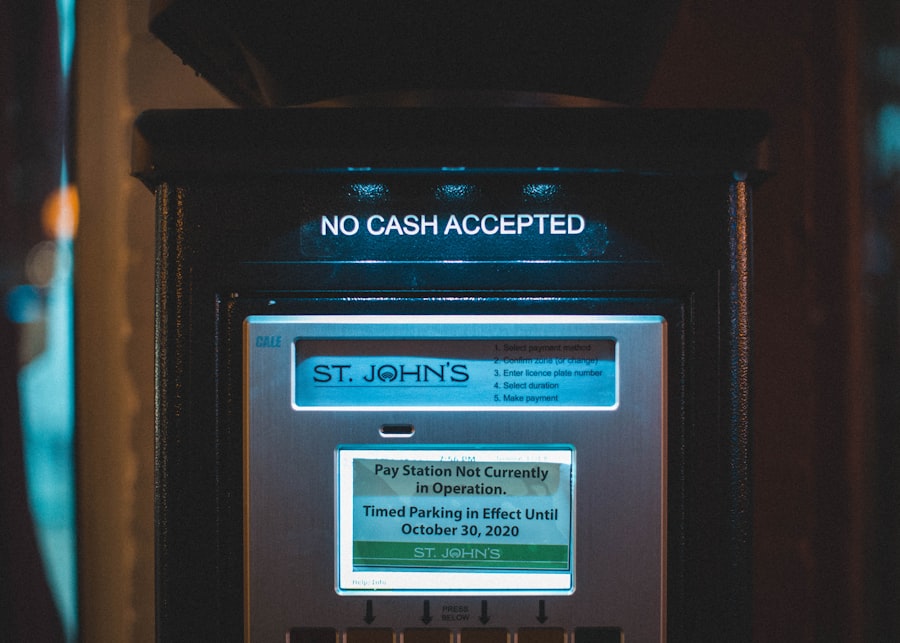
Ensuring Equal Access to Technology and Infrastructure
One of the major hurdles in transitioning to a cashless economy is ensuring that everyone has access to the necessary technology and infrastructure. In many regions, especially rural or underserved areas, reliable internet access and smartphone penetration are limited. If we don’t address these disparities, we risk leaving behind those who are already marginalized within our financial systems.
Cybersecurity and Data Privacy Concerns
Another concern is cybersecurity and data privacy in a cashless world. As we increasingly rely on digital platforms for our financial transactions, we expose ourselves to potential cyber threats and data breaches. The implications of such incidents can be severe, leading to financial loss and erosion of trust in digital systems.
Prioritizing Security Measures and Regulations
To successfully transition to a cashless economy, we must prioritize robust security measures and establish regulations that protect consumers’ rights while fostering innovation. This will ensure that the benefits of a cashless economy are shared by all, without compromising the security and trust of our financial systems.
Global Perspectives on Cash and Its Elimination
The conversation surrounding cash and its potential elimination is not confined to any single country; it is a global issue with diverse perspectives. In some nations, such as Sweden and Denmark, there has been a significant push towards becoming entirely cashless. These countries have embraced digital payment systems with enthusiasm, citing convenience and efficiency as primary motivators for this shift.
However, even in these progressive nations, there remains a segment of the population that values cash for its privacy and accessibility. Conversely, in many developing countries, cash continues to play an essential role in everyday life. In regions where banking infrastructure is lacking or unreliable, cash remains the most practical means of conducting transactions.
As we examine these global perspectives, it becomes clear that any move towards eliminating cash must consider cultural attitudes towards money and the varying levels of technological adoption across different societies.
Conclusion and Future Implications
As we reflect on the complexities surrounding the role of cash in our economy, it becomes evident that there is no one-size-fits-all solution. The debate over whether to eliminate cash entirely raises important questions about accessibility, privacy, crime prevention, and economic efficiency. While there are compelling arguments on both sides, it is crucial that we approach this issue with nuance and consideration for all stakeholders involved.
Looking ahead, we must recognize that the future of money will likely involve a blend of both cash and digital currencies. As technology continues to evolve, so too will our financial systems. By fostering open dialogue and collaboration among policymakers, businesses, and communities, we can work towards creating an inclusive financial landscape that respects individual preferences while embracing innovation.
Ultimately, our goal should be to ensure that everyone has access to safe and efficient means of conducting transactions—regardless of whether those transactions occur in physical or digital form.
If you enjoyed reading Kenneth S. Rogoff’s book “The Curse of Cash,” you may also be interested in checking out this article on Hellread titled Hello World. This article delves into the impact of technology on our society and how it is shaping our future. It offers a thought-provoking perspective on the role of cash in a digital world, which complements the themes discussed in Rogoff’s book.
FAQs
What is “The Curse of Cash” about?
“The Curse of Cash” is a book written by Kenneth S. Rogoff that argues for the phasing out of paper currency in order to combat illegal activities such as tax evasion, terrorism financing, and drug trafficking.
What are the main arguments presented in “The Curse of Cash”?
Rogoff argues that high-denomination currency notes facilitate illegal activities and that phasing out paper currency would make it more difficult for criminals to operate. He also discusses the potential benefits of a cashless society, such as increased tax compliance and reduced crime.
What are the potential drawbacks of phasing out paper currency?
Critics of Rogoff’s proposal argue that a cashless society could infringe on privacy and limit financial freedom for individuals who prefer to use cash for legitimate reasons. There are also concerns about the potential impact on low-income individuals who may not have access to digital payment methods.
Has any country implemented the ideas presented in “The Curse of Cash”?
As of now, no country has fully implemented the ideas presented in “The Curse of Cash.” However, some countries have taken steps to limit the use of high-denomination currency notes in an effort to combat illegal activities.




