

“Shadow of the Silk Road,” authored by Colin Thubron, is a profound exploration of one of the most significant trade routes in human history. The book is not merely a travelogue; it is a rich tapestry woven with the threads of history, culture, and personal reflection. Thubron embarks on a journey that retraces the ancient Silk Road, which once connected the East and West, facilitating not only trade but also the exchange of ideas, religions, and cultures.
Through his narrative, Thubron invites readers to experience the landscapes, peoples, and histories that have shaped this legendary route. Thubron’s writing is characterized by its lyrical prose and keen observations, which breathe life into the often-overlooked regions along the Silk Road. He traverses through modern-day countries such as China, Kyrgyzstan, Uzbekistan, and Iran, each with its own unique stories and cultural heritage.
The author’s journey is both physical and metaphorical, as he delves into the shadows of history that linger in these places. His reflections on the past and present create a dialogue that resonates with contemporary issues, making “Shadow of the Silk Road” a timeless piece that speaks to the enduring legacy of this ancient trade route.
Key Takeaways
- The Silk Road was an ancient network of trade routes that connected the East and West, facilitating cultural exchange and economic development.
- Colin Thubron’s book, Shadow of the Silk Road, documents his journey along the Silk Road, exploring its historical significance and modern-day impact.
- Thubron encounters a diverse range of cultures and religions along the Silk Road, providing insights into the region’s rich cultural heritage.
- The book reflects on the modern significance of the Silk Road, highlighting its potential to promote global connectivity and understanding.
- Shadow of the Silk Road has had a significant impact on travel literature, inspiring readers to explore the historical and cultural significance of the Silk Road.
The Historical Importance of the Silk Road
The Silk Road as a Conduit for Cultural Exchange
The Silk Road enabled the spread of ideas, technologies, and religions, profoundly influencing the development of societies along its path. One of the most notable impacts of the Silk Road was the dissemination of Buddhism from India to Central Asia and China.
The Spread of Buddhism and Other Belief Systems
As traders and monks traveled along these routes, they carried with them not only goods but also philosophical concepts and spiritual practices. This cultural exchange led to the establishment of Buddhist communities in regions that had previously been unfamiliar with the religion.
A Rich Cultural Tapestry
Similarly, the Silk Road facilitated the introduction of other belief systems, such as Zoroastrianism and Islam, which further enriched the cultural tapestry of the regions it traversed.
Colin Thubron’s Journey Along the Silk Road

Colin Thubron’s journey along the Silk Road is marked by a deep sense of curiosity and respect for the cultures he encounters. His narrative begins in Xi’an, China, historically known as the eastern terminus of the Silk Road. Thubron’s meticulous observations capture the essence of this bustling city, where ancient history coexists with modernity.
He describes the terracotta warriors and the vibrant markets that reflect both China’s rich heritage and its rapid development in contemporary times. As Thubron travels westward through Central Asia, he encounters a diverse array of landscapes and peoples.
Thubron’s journey is not just about traversing physical distances; it is also an exploration of identity and belonging. He reflects on how historical events have shaped the lives of individuals he meets along the way, revealing personal stories that echo the larger narrative of the Silk Road.
Encounters and Experiences Along the Silk Road
Throughout “Shadow of the Silk Road,” Thubron shares poignant encounters with locals that illuminate the complexities of life along this ancient route. In Uzbekistan, he meets artisans who continue to practice traditional crafts passed down through generations. Their dedication to preserving their cultural heritage amidst globalization serves as a reminder of the resilience of local traditions.
Thubron’s interactions with these individuals are not merely anecdotal; they provide insight into how history continues to influence contemporary life. In addition to artisans, Thubron encounters nomadic herders in Kyrgyzstan who embody a way of life that has remained largely unchanged for centuries.
Through these experiences, Thubron captures the essence of human connection—how shared stories and experiences transcend cultural boundaries. His narrative emphasizes that while political borders may divide nations, shared humanity unites them.
Cultural and Religious Diversity Along the Silk Road
The cultural and religious diversity along the Silk Road is one of its most remarkable features. As Thubron travels through regions once inhabited by various empires—such as the Persian Empire, Mongol Empire, and Ottoman Empire—he highlights how these historical influences have shaped local customs and beliefs. The coexistence of different faiths—Buddhism, Islam, Zoroastrianism, and Christianity—creates a rich mosaic that defines many communities along the route.
Thubron’s exploration reveals how these diverse cultures have interacted over centuries. For instance, he discusses how Islamic architecture in Samarkand reflects Persian influences while also incorporating local styles. This blending of traditions illustrates how cultures evolve through contact and exchange.
Moreover, Thubron emphasizes that despite historical conflicts, there exists a profound respect for diversity among many communities along the Silk Road today. This respect fosters dialogue and understanding in an increasingly polarized world.
Reflections on the Modern Significance of the Silk Road
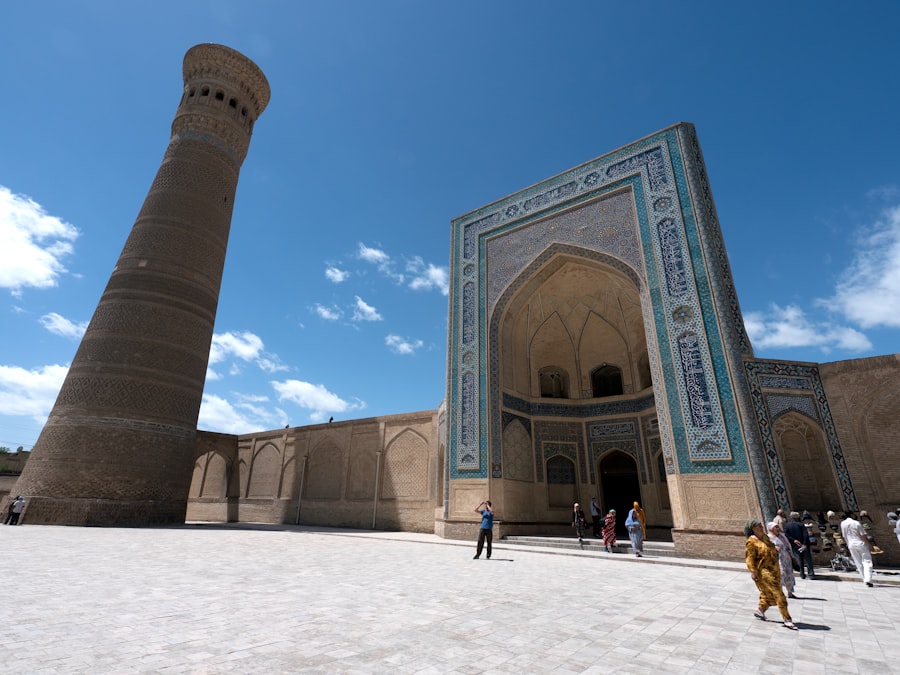
The Silk Road as a Metaphor for Connectivity
In “Shadow of the Silk Road,” Colin Thubron reflects on the ancient trade route’s continued relevance in today’s globalized world. The Silk Road has evolved from a physical network into a powerful symbol of connectivity, representing not only trade but also cultural exchange and mutual understanding among nations.
Modern Challenges Along the Silk Road
Thubron also addresses the modern challenges faced by countries along the Silk Road, including economic disparities and environmental concerns. He observes how globalization has led to both opportunities and threats for local communities, with some regions benefiting from increased tourism and trade, while others struggle to maintain their cultural identities in the face of homogenization.
Preserving Cultural Heritage in the Face of Modernity
Thubron’s reflections serve as a call to recognize and preserve the unique heritage that defines these areas while navigating the complexities of modernity. His insights prompt readers to consider how historical connections can inform contemporary relationships, and how we can work to preserve the cultural diversity of the Silk Road region in the face of rapid technological advancements and shifting geopolitical landscapes.
Impact of Shadow of the Silk Road on Travel Literature
“Shadow of the Silk Road” has made a significant impact on travel literature by blending personal narrative with historical context. Thubron’s ability to weave together his experiences with broader themes resonates with readers seeking both adventure and understanding. His work exemplifies how travel writing can transcend mere description; it can serve as a vehicle for exploring deeper questions about identity, culture, and history.
Thubron’s meticulous attention to detail sets a high standard for contemporary travel writers. His evocative descriptions transport readers to distant lands while encouraging them to engage with unfamiliar cultures empathetically. By focusing on personal encounters rather than generalized observations, Thubron invites readers to see beyond stereotypes and appreciate the richness of human experience.
This approach has inspired a new generation of travel writers to adopt similar methodologies in their explorations.
Conclusion and Personal Insights from Shadow of the Silk Road
In “Shadow of the Silk Road,” Colin Thubron offers readers an intimate glimpse into a world where history and modernity intersect along an ancient trade route. His journey is not just about traversing geographical landscapes; it is an exploration of human connections that transcend time and place. Through his encounters with diverse cultures and individuals, Thubron emphasizes that our shared humanity is what ultimately binds us together.
The book serves as a reminder that while we may come from different backgrounds or belief systems, there exists a common thread that unites us all—a desire for understanding, connection, and meaning in our lives. Thubron’s reflections encourage readers to embrace curiosity about other cultures while recognizing their own place within this intricate web of human experience. “Shadow of the Silk Road” stands as a testament to the enduring legacy of one of history’s most significant routes—a legacy that continues to shape our world today.
In a related article on hellread.com, the author delves into the historical significance of the Silk Road and its enduring impact on global trade and cultural exchange. Drawing parallels to Colin Thubron’s exploration in “Shadow of the Silk Road,” the article discusses the rich tapestry of stories and encounters that have shaped the region over centuries. Through vivid descriptions and insightful analysis, readers are invited to embark on a journey of discovery along this ancient trade route.
FAQs
What is the book “Shadow of the Silk Road” about?
The book “Shadow of the Silk Road” by Colin Thubron is a travelogue that follows the author’s journey along the ancient Silk Road, from China to Turkey. Thubron explores the history, culture, and people of the regions he travels through, providing insights into the impact of the Silk Road on the modern world.
Who is the author of “Shadow of the Silk Road”?
The author of “Shadow of the Silk Road” is Colin Thubron, a British travel writer and novelist known for his evocative and insightful travelogues.
When was “Shadow of the Silk Road” published?
“Shadow of the Silk Road” was first published in 2006.
What are some of the themes explored in “Shadow of the Silk Road”?
The book delves into themes such as the historical significance of the Silk Road, the cultural diversity of the regions it traverses, the impact of modernization on traditional ways of life, and the enduring legacy of the Silk Road in contemporary societies.
What regions does “Shadow of the Silk Road” cover?
Colin Thubron’s journey in “Shadow of the Silk Road” takes him through China, Kyrgyzstan, Uzbekistan, Turkmenistan, Iran, and Turkey, offering a comprehensive exploration of the Silk Road’s diverse landscapes and cultures.




