

Mountains have long captivated the human imagination, serving as both physical challenges and metaphors for personal and spiritual journeys. The term “Mountains of the Mind” encapsulates the complex interplay between our psychological landscapes and the towering peaks that dominate our physical world. These majestic formations are not merely geological structures; they represent aspirations, fears, and the innate human desire to conquer the unknown.
The allure of mountains transcends mere aesthetics; they evoke a sense of wonder and introspection, prompting individuals to reflect on their own lives and experiences. The fascination with mountains is deeply rooted in human history, intertwining with our cultural narratives and collective consciousness. From ancient civilizations that revered mountains as sacred spaces to modern adventurers who seek to scale their heights, these natural wonders have inspired countless stories and philosophies.
The mountains serve as a backdrop for exploration, adventure, and self-discovery, inviting us to confront our limitations and embrace the challenges that lie ahead. In this exploration of the “Mountains of the Mind,” we will delve into the history of mountaineering, the psychological and cultural significance of these towering giants, and their representation in literature and art.
Key Takeaways
- “Mountains of the Mind” explores the deep psychological and cultural impact of mountains on human beings.
- The history of mountaineering is rich and varied, with a long tradition of exploration and conquest of the world’s highest peaks.
- Mountains have a profound impact on language, with a rich vocabulary and symbolism associated with these majestic natural formations.
- The environmental and ecological considerations of mountains are crucial, as they are delicate ecosystems that must be protected.
- The author’s personal journey and experiences with mountains provide a unique and intimate perspective on their significance.
The History of Mountaineering
The history of mountaineering is a rich tapestry woven from the threads of exploration, ambition, and human resilience. The earliest recorded attempts to ascend mountains can be traced back to ancient civilizations, where peaks were often viewed as sacred realms inhabited by gods. The Greeks, for instance, held Mount Olympus in reverence, believing it to be the dwelling place of their deities.
However, it wasn’t until the late 18th century that mountaineering began to evolve into a formalized pursuit. The ascent of Mont Blanc in 1786 by Jacques Balmat and Michel-Gabriel Paccard marked a significant milestone in this evolution, igniting a passion for climbing that would spread across Europe and beyond. As the 19th century unfolded, mountaineering transformed from a noble pursuit into a popular sport.
The establishment of climbing clubs, such as the Alpine Club in 1857, facilitated the sharing of knowledge and techniques among climbers. This period also saw the rise of iconic figures like Edward Whymper, who achieved the first ascent of the Matterhorn in 1865. Whymper’s exploits not only captured the public’s imagination but also highlighted the dangers inherent in mountaineering.
The tragic deaths of climbers during this ascent underscored the fine line between ambition and peril, a theme that continues to resonate within the mountaineering community today.
The Psychological and Cultural Impact of Mountains
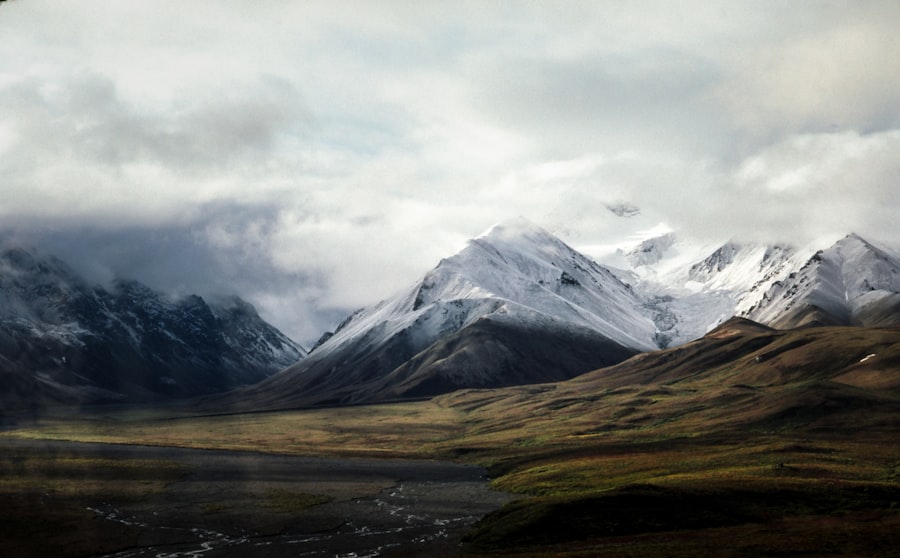
Mountains exert a profound psychological influence on individuals, often serving as symbols of personal challenges and triumphs. The act of climbing a mountain can be seen as a metaphor for overcoming obstacles in life. As climbers ascend, they confront not only physical barriers but also their own fears and insecurities.
This journey fosters resilience and self-discovery, allowing individuals to emerge transformed by their experiences.
Culturally, mountains have been woven into the fabric of societies around the world.
In many indigenous cultures, mountains are revered as sacred spaces that connect the earthly realm with the spiritual. For example, in Tibetan Buddhism, Mount Kailash is considered a sacred site where pilgrims undertake arduous journeys to seek enlightenment. Similarly, in Native American traditions, mountains are often viewed as powerful entities that hold wisdom and guidance.
These cultural narratives shape our understanding of mountains as more than mere physical formations; they are imbued with meaning that resonates across generations.
Exploring the Language of Mountains
The language surrounding mountains is rich and varied, reflecting both their grandeur and the emotions they evoke in those who encounter them. Poets, writers, and artists have long drawn inspiration from these towering giants, crafting vivid imagery that captures their essence.
Muir’s lyrical prose transports readers to the heart of these landscapes, allowing them to experience the beauty and majesty of nature through his words. Moreover, the terminology associated with mountaineering itself reveals much about the culture surrounding this pursuit. Terms like “summit,” “ascent,” and “base camp” carry specific meanings that reflect not only technical aspects but also emotional undertones.
The summit represents not just a physical destination but also a metaphorical peak in one’s personal journey. The language used by climbers often reflects camaraderie and shared experiences, fostering a sense of community among those who seek to conquer these formidable challenges together.
Environmental and Ecological Considerations
As we explore the allure of mountains, it is crucial to acknowledge the environmental and ecological considerations that accompany mountaineering activities. The increasing popularity of climbing has raised concerns about the impact on fragile ecosystems and local communities. Overcrowding on popular peaks can lead to soil erosion, waste management issues, and disturbances to wildlife habitats.
For instance, Mount Everest has become emblematic of these challenges, with climbers leaving behind litter and waste that threaten both the environment and future expeditions. In response to these concerns, many organizations are advocating for sustainable mountaineering practices that prioritize environmental stewardship. Initiatives such as Leave No Trace promote responsible climbing behaviors that minimize ecological footprints while preserving the natural beauty of these landscapes.
Additionally, local communities are increasingly involved in conservation efforts, recognizing that protecting their mountainous environments is essential for both cultural heritage and economic sustainability through tourism.
The Personal Journey of the Author
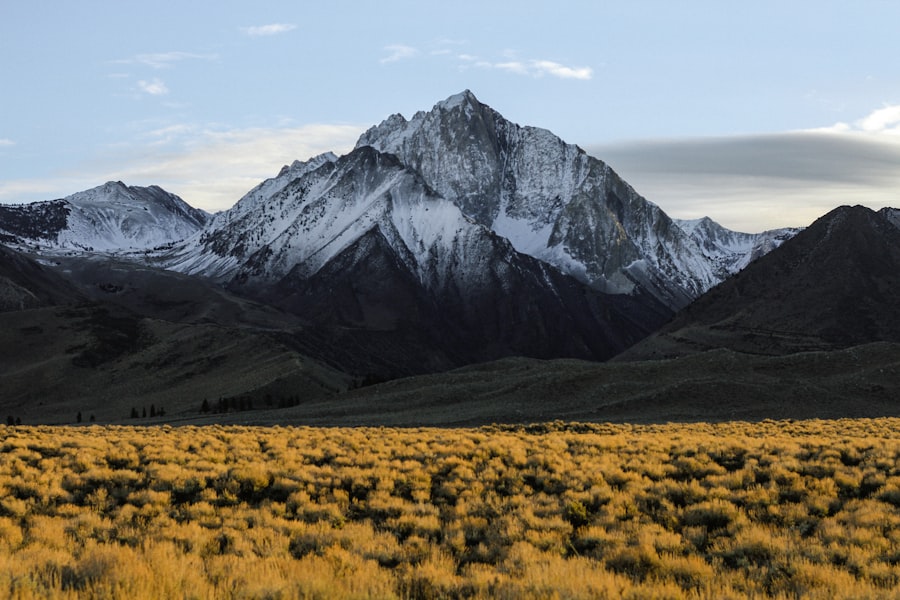
Reflecting on my own experiences with mountains reveals a deeply personal connection that transcends mere physicality. Each ascent has been a journey not only through rugged terrain but also through my own psyche. I recall my first significant climb—a challenging trek up a local peak that tested my limits both physically and mentally.
As I navigated steep inclines and rocky outcrops, I found myself grappling with self-doubt and fear. Yet with each step forward, I discovered an inner strength I had not known existed. This personal journey was not just about reaching the summit; it was about embracing vulnerability and learning to trust myself amidst uncertainty.
The mountain became a mirror reflecting my struggles and triumphs, teaching me valuable lessons about perseverance and resilience. Each climb thereafter has been an opportunity for introspection—a chance to confront my fears while celebrating my achievements. Through these experiences, I have come to understand that mountains are not merely destinations; they are transformative spaces that invite us to explore our inner landscapes.
Mountains in Literature and Art
Mountains have served as powerful symbols in literature and art throughout history, inspiring countless works that capture their majesty and mystery. In literature, authors like Ernest Hemingway have used mountains as backdrops for exploring themes of struggle and redemption. In “The Snows of Kilimanjaro,” Hemingway juxtaposes the beauty of Mount Kilimanjaro with the protagonist’s internal conflicts, illustrating how landscapes can mirror human emotions.
In visual art, mountains have been depicted in various styles—from romantic landscapes that celebrate their grandeur to abstract interpretations that evoke emotional responses. Artists like Caspar David Friedrich captured the sublime beauty of mountains in his paintings, inviting viewers to contemplate their own relationship with nature. The interplay between light and shadow in Friedrich’s works emphasizes not only the physical presence of mountains but also their ability to evoke feelings of awe and introspection.
The Legacy of Mountains of the Mind
The legacy of “Mountains of the Mind” is one that continues to shape our understanding of both ourselves and the world around us. As we navigate our personal journeys through life’s challenges—much like climbers ascending formidable peaks—we are reminded of the resilience inherent in the human spirit. Mountains serve as powerful metaphors for our struggles and triumphs, inviting us to confront our fears while celebrating our achievements.
In exploring the history of mountaineering, we uncover stories of ambition and exploration that resonate across cultures and generations. The psychological impact of mountains encourages us to reflect on our own journeys while fostering connections with nature and one another. As we engage with the language surrounding these majestic formations—whether through literature or art—we find ourselves drawn into a rich tapestry of meaning that transcends time.
Ultimately, mountains are more than mere geological formations; they are symbols of aspiration, resilience, and transformation. As we continue to explore their depths—both physically and metaphorically—we honor their legacy as enduring sources of inspiration for generations to come.
In a related article on hellread.com, the author delves into the themes of exploration and adventure found in Robert Macfarlane’s “Mountains of the Mind.” The article discusses how Macfarlane’s exploration of the psychological and emotional impact of mountains on the human psyche resonates with readers who are drawn to the allure of the natural world. It also explores how Macfarlane’s writing inspires readers to seek out their own adventures in the mountains, connecting with nature in a profound and transformative way.
FAQs
What is “Mountains of the Mind” by Robert Macfarlane about?
“Mountains of the Mind” is a non-fiction book by Robert Macfarlane that explores the cultural, historical, and psychological significance of mountains. Macfarlane delves into the human fascination with mountains and the impact they have had on art, literature, and exploration.
When was “Mountains of the Mind” published?
“Mountains of the Mind” was first published in 2003.
What are some of the themes explored in “Mountains of the Mind”?
Some of the themes explored in “Mountains of the Mind” include the allure of mountains, the history of mountain exploration, the relationship between humans and mountains, and the impact of mountains on human imagination and creativity.
What is the writing style of “Mountains of the Mind”?
“Mountains of the Mind” is written in a lyrical and reflective style, blending personal experiences with historical and cultural insights.
What is the significance of “Mountains of the Mind” in the literary world?
“Mountains of the Mind” has been praised for its unique exploration of the human fascination with mountains and its impact on literature, art, and exploration. It has been influential in the genre of nature writing and has garnered critical acclaim for its insightful and evocative prose.




