

The parent-child relationship is a complex and dynamic interaction that serves as the foundation for a child’s emotional, social, and cognitive development. This relationship is characterized by a blend of attachment, communication, and mutual influence. From the moment a child is born, they begin to form attachments to their caregivers, which are crucial for their sense of security and well-being.
These early interactions shape not only the child’s perception of themselves but also their understanding of the world around them. The quality of this relationship can significantly impact a child’s future relationships, self-esteem, and ability to navigate social situations. As children grow, the parent-child relationship evolves, influenced by various factors such as developmental stages, cultural contexts, and individual personalities.
Parents often serve as role models, demonstrating behaviors and attitudes that children may adopt as their own. For instance, a child who observes their parent handling stress with calmness and resilience is likely to emulate those coping strategies in their own life. Conversely, a parent who frequently displays anxiety or frustration may inadvertently teach their child to respond to challenges with similar emotions.
This reciprocal influence underscores the importance of fostering a healthy parent-child relationship that promotes positive emotional and behavioral outcomes.
Key Takeaways
- The parent-child relationship is crucial for a child’s emotional and social development.
- Parental emotional regulation greatly influences a child’s ability to manage their own emotions.
- Nurturing secure attachment in children involves providing consistent love, support, and responsiveness.
- Mindfulness in parenting can help parents stay present and attuned to their child’s needs.
- Promoting emotional intelligence in children involves teaching them to recognize and manage their emotions effectively.
The Impact of Parental Emotional Regulation on Children
Parental emotional regulation refers to the ability of parents to manage and respond to their own emotions in a healthy manner. This skill is critical not only for the well-being of the parents themselves but also for the emotional development of their children. Research has shown that when parents exhibit strong emotional regulation, they are better equipped to provide support and guidance to their children during challenging situations.
For example, a parent who can remain calm during a child’s tantrum is more likely to help the child navigate their feelings effectively, teaching them valuable lessons about emotional management. On the other hand, parents who struggle with emotional regulation may inadvertently create an environment filled with unpredictability and stress. Children raised in such environments may develop anxiety or difficulty in managing their own emotions.
They might learn to suppress their feelings or react impulsively, leading to challenges in social interactions and relationships later in life. The emotional climate established by parents can either foster resilience and adaptability in children or contribute to emotional dysregulation and maladaptive coping strategies.
Nurturing Secure Attachment in Children
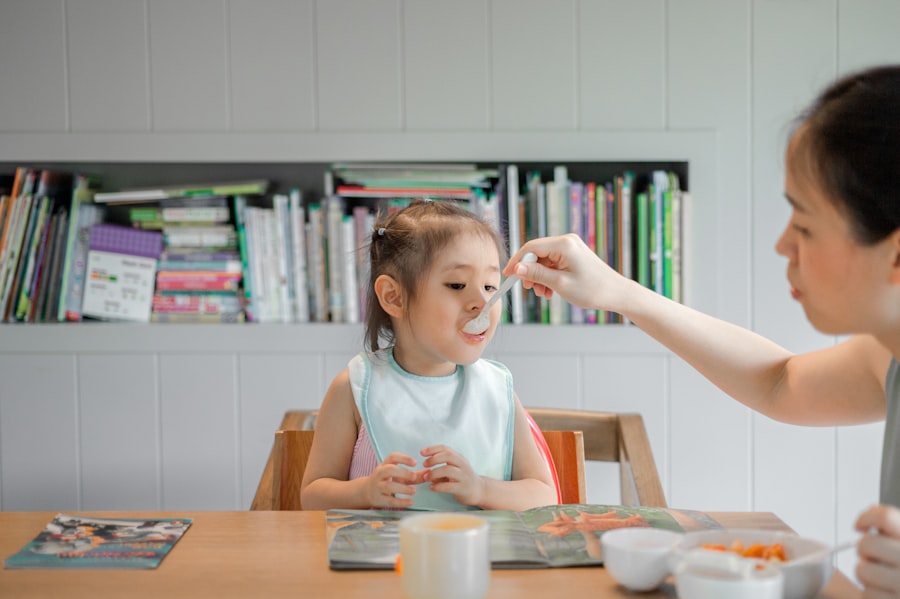
Secure attachment is a vital aspect of healthy child development, providing a sense of safety and stability that allows children to explore their environment and develop autonomy. To nurture secure attachment, parents must be responsive to their child’s needs, both physical and emotional. This responsiveness involves recognizing cues from the child—such as crying or seeking closeness—and responding appropriately.
For instance, when a toddler falls and cries, a nurturing parent will comfort them, validating their feelings while also encouraging them to try again. This approach not only soothes the child but also reinforces the idea that they can rely on their parent for support. Moreover, consistent and predictable interactions contribute significantly to secure attachment.
When children know they can count on their parents to be there for them during times of distress or uncertainty, they develop a strong sense of trust. This trust forms the basis for healthy relationships in the future, as securely attached children are more likely to seek out supportive connections with peers and adults. In contrast, inconsistent or neglectful parenting can lead to insecure attachment styles, which may manifest as anxiety, avoidance, or ambivalence in relationships throughout a child’s life.
The Role of Mindfulness in Parenting
Mindfulness in parenting involves being fully present and engaged with one’s child while maintaining an awareness of one’s thoughts and feelings without judgment.
When parents approach interactions with mindfulness, they are more likely to respond thoughtfully rather than react impulsively.
For example, during a challenging moment—such as a disagreement over screen time—a mindful parent might take a moment to breathe and reflect before addressing the situation, leading to a more constructive dialogue. Incorporating mindfulness into parenting also helps parents manage stress and emotional challenges more effectively. By practicing mindfulness techniques such as meditation or deep breathing, parents can cultivate a sense of calm that permeates their interactions with their children.
This calmness not only benefits the parent but also creates a soothing environment for the child. Children are highly attuned to their parents’ emotional states; thus, when parents model mindfulness, they teach their children valuable skills for managing their own emotions and stressors.
Promoting Emotional Intelligence in Children
Emotional intelligence (EI) refers to the ability to recognize, understand, and manage one’s own emotions while also being attuned to the emotions of others. Promoting EI in children is essential for their overall development and success in life. Parents play a crucial role in this process by modeling emotional awareness and providing opportunities for children to express their feelings.
For instance, engaging in conversations about emotions—such as discussing how characters in a story might feel—can help children develop vocabulary around their own feelings and those of others. Additionally, parents can encourage emotional intelligence by validating their children’s feelings rather than dismissing them. When a child expresses sadness or frustration, acknowledging those emotions without judgment fosters an environment where children feel safe to explore their feelings.
This validation not only helps children understand their emotions but also teaches them empathy towards others’ experiences. As children learn to navigate their own emotions effectively, they become more adept at recognizing and responding to the emotions of those around them, laying the groundwork for healthy relationships throughout their lives.
Cultivating Empathy and Compassion in Parenting

Empathy and compassion are essential qualities that contribute to positive interpersonal relationships and social harmony. Parents can cultivate these traits in their children by modeling empathetic behavior themselves. When parents demonstrate kindness and understanding towards others—whether it be friends, family members, or even strangers—they provide a living example for their children to emulate.
For instance, when a parent takes time to help a neighbor in need or expresses concern for someone going through a tough time, they teach their child the importance of caring for others. Moreover, engaging children in discussions about empathy can further enhance their understanding of this vital quality. Parents can ask open-ended questions about how others might feel in various situations or encourage children to consider different perspectives during conflicts with peers.
By fostering an environment where empathy is valued and practiced, parents equip their children with the tools necessary for building meaningful connections with others. This foundation not only enhances children’s social skills but also contributes to a more compassionate society as they grow into adulthood.
Building Resilience in Children through Secure Relationships
Resilience—the ability to bounce back from adversity—is an essential trait that enables individuals to navigate life’s challenges effectively. Secure relationships with caregivers play a pivotal role in fostering resilience in children. When children feel safe and supported within their family environment, they are more likely to develop confidence in their abilities to face difficulties.
For example, when a child encounters setbacks at school or in friendships, having a supportive parent who encourages them to persevere can make all the difference in how they respond to those challenges. Parents can further enhance resilience by encouraging problem-solving skills and promoting independence within safe boundaries. Allowing children to tackle age-appropriate challenges—such as resolving conflicts with peers or managing responsibilities at home—teaches them that setbacks are part of growth.
When parents provide guidance while allowing children space to navigate these situations independently, they instill a sense of agency that fosters resilience. This balance between support and autonomy empowers children to face future challenges with confidence and adaptability.
The Importance of Self-Reflection and Self-Care in Parenting
Self-reflection and self-care are critical components of effective parenting that often go overlooked amidst the demands of daily life. Parents who engage in self-reflection take time to assess their own thoughts, feelings, and behaviors in relation to their parenting practices. This introspection allows them to identify areas for growth and improvement while also recognizing patterns that may impact their relationship with their child.
For instance, a parent who reflects on their reactions during stressful moments may realize that they tend to raise their voice out of frustration rather than addressing issues calmly. In addition to self-reflection, prioritizing self-care is essential for maintaining emotional well-being as a parent. Caring for oneself physically, emotionally, and mentally enables parents to be more present and engaged with their children.
Whether through exercise, hobbies, or simply taking time for relaxation, self-care practices replenish energy levels and reduce stress. When parents model self-care behaviors—such as setting aside time for personal interests or seeking support from friends—they communicate the importance of well-being to their children.
If you’re interested in exploring more about the impact of parenting on children’s development, you may want to check out the article “Hello World” on Hellread.com. This article delves into the importance of early childhood experiences and how they shape a child’s future. By understanding the connection between parenting and a child’s emotional well-being, we can create a more nurturing environment for our children to thrive. To read more, visit here.
FAQs
What is the book “Parenting from the Inside Out” about?
The book “Parenting from the Inside Out” by Daniel J. Siegel and Mary Hartzell explores the connection between a parent’s emotional and psychological well-being and their ability to effectively parent their children.
Who are the authors of “Parenting from the Inside Out”?
The authors of “Parenting from the Inside Out” are Daniel J. Siegel, a clinical professor of psychiatry, and Mary Hartzell, an early childhood educator.
What are some key concepts discussed in “Parenting from the Inside Out”?
The book discusses the importance of parents understanding their own childhood experiences and how they influence their parenting style, the impact of emotional regulation on parenting, and the significance of building a secure attachment with children.
What are some practical strategies provided in “Parenting from the Inside Out”?
The book offers practical exercises and strategies for parents to develop self-awareness, improve their emotional regulation, and strengthen their connection with their children.
Who is the target audience for “Parenting from the Inside Out”?
The book is aimed at parents, caregivers, and professionals working with children, who are interested in understanding the connection between their own emotional experiences and their parenting approach.




