
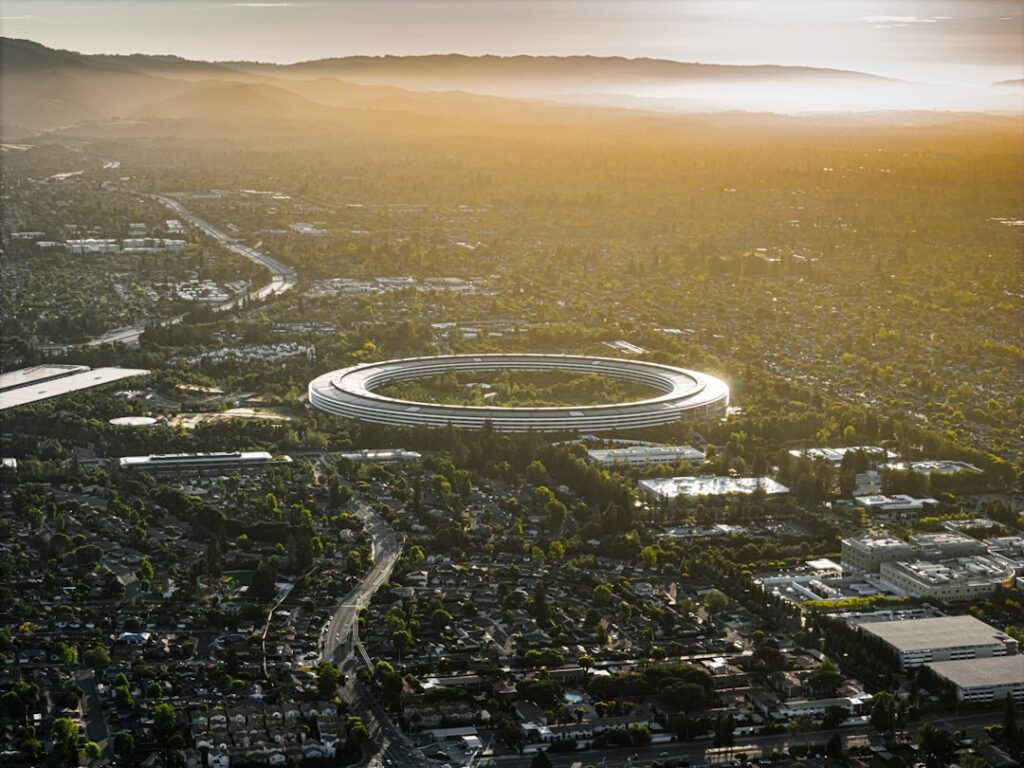
Silicon Valley, a term that has become synonymous with technological innovation and entrepreneurship, traces its origins back to the mid-20th century. The region, located in the southern part of the San Francisco Bay Area, was initially characterized by its agricultural landscape, dotted with orchards and farms. However, the seeds of transformation were sown during World War II when the demand for advanced technology surged.
The establishment of military research facilities and defense contractors in the area laid the groundwork for what would eventually become a hub for technological advancement. The post-war era saw a significant shift as returning veterans sought education and employment opportunities. Stanford University played a pivotal role in this transformation, with figures like Frederick Terman, who served as the university’s dean of engineering, encouraging students to pursue entrepreneurial ventures.
Terman’s vision led to the establishment of Stanford Research Park in 1951, which became a breeding ground for startups and tech companies. This environment fostered collaboration between academia and industry, setting the stage for the emergence of Silicon Valley as a center for innovation.
Key Takeaways
- Silicon Valley was born out of the development of semiconductor technology and the establishment of Stanford University as a hub for innovation.
- Mavericks and visionaries like Steve Jobs, Bill Gates, and Mark Zuckerberg have played a crucial role in shaping Silicon Valley’s culture of innovation and entrepreneurship.
- The tech revolution in Silicon Valley has led to groundbreaking innovations in computing, internet, and mobile technology, transforming the way we live and work.
- The dark side of Silicon Valley includes issues such as income inequality, lack of diversity, and the negative impact of technology on mental health and privacy.
- Silicon Valley’s impact on the world can be seen in the global reach of companies like Google, Facebook, and Apple, as well as the influence of its startup culture on entrepreneurship worldwide.
- Silicon Valley’s influence on culture and society is evident in the way technology has become integrated into everyday life, shaping communication, entertainment, and social interactions.
- The evolution of Silicon Valley has seen the rise of new tech hubs, the diversification of industries, and the increasing focus on sustainability and social responsibility.
- The future of Silicon Valley is likely to be shaped by advancements in artificial intelligence, biotechnology, and renewable energy, as well as efforts to address its social and environmental impact.
The Mavericks and Visionaries of Silicon Valley
Silicon Valley has been shaped by a diverse array of mavericks and visionaries who have pushed the boundaries of technology and business. One of the most iconic figures is Steve Jobs, co-founder of Apple Inc., whose relentless pursuit of perfection and design revolutionized personal computing and consumer electronics. Jobs’ ability to blend technology with artistry resulted in products like the iPhone and iPad, which not only transformed industries but also changed the way people interact with technology on a daily basis.
Another influential figure is Bill Gates, co-founder of Microsoft, whose software innovations laid the foundation for personal computing as we know it today. Gates’ vision of a computer on every desk and in every home was not merely aspirational; it became a reality through strategic partnerships and relentless marketing efforts. The rivalry between Gates and Jobs epitomized the competitive spirit of Silicon Valley, driving both companies to innovate continuously and redefine their respective markets.
The Tech Revolution and Innovation
The tech revolution that emerged from Silicon Valley in the late 20th century was characterized by rapid advancements in computing power, connectivity, and software development. The introduction of microprocessors in the 1970s marked a turning point, enabling the creation of personal computers that were accessible to the masses. Companies like Intel and AMD played crucial roles in this transformation, producing chips that powered everything from home computers to sophisticated servers.
As the internet began to take shape in the 1990s, Silicon Valley became the epicenter of a digital revolution. The rise of companies such as Google, Amazon, and eBay showcased the potential of online commerce and information sharing. Google’s search algorithm revolutionized how people accessed information, while Amazon transformed retail by introducing e-commerce on an unprecedented scale.
This era was marked by an explosion of startups, venture capital investment, and a culture that celebrated risk-taking and innovation.
The Dark Side of Silicon Valley
Despite its reputation as a beacon of innovation, Silicon Valley is not without its challenges and controversies. The region has faced criticism for fostering a culture that prioritizes profit over ethics, leading to issues such as data privacy violations and monopolistic practices. High-profile scandals involving companies like Facebook have raised questions about user data protection and the ethical implications of social media platforms.
The Cambridge Analytica scandal, for instance, highlighted how personal data could be exploited for political gain, shaking public trust in technology companies. Moreover, the rapid growth of tech companies has contributed to significant socioeconomic disparities within the region. The influx of highly paid tech workers has driven up housing costs, leading to gentrification and displacement of long-time residents.
This phenomenon has sparked debates about income inequality and access to opportunities in a region that prides itself on innovation and progress. As tech giants continue to expand their influence, concerns about their impact on local communities have become increasingly prominent.
The Impact of Silicon Valley on the World
Silicon Valley’s influence extends far beyond its geographical boundaries; it has reshaped economies, industries, and societies around the globe. The proliferation of technology developed in this region has transformed how businesses operate, how individuals communicate, and how information is disseminated. For instance, cloud computing services pioneered by companies like Amazon Web Services have revolutionized how businesses manage their IT infrastructure, allowing for greater scalability and efficiency.
Furthermore, Silicon Valley has become a model for entrepreneurship worldwide. The startup culture that thrives in this region has inspired countless entrepreneurs across continents to pursue their ideas with vigor. Initiatives such as Y Combinator have provided aspiring founders with mentorship and funding opportunities, fostering innovation ecosystems in places like Europe, Asia, and Africa.
This global ripple effect underscores Silicon Valley’s role as a catalyst for technological advancement and economic growth.
Silicon Valley’s Influence on Culture and Society

The cultural impact of Silicon Valley is profound, permeating various aspects of daily life. The rise of social media platforms has transformed how people connect and communicate, creating new forms of social interaction that were previously unimaginable. Platforms like Instagram and TikTok have not only changed how individuals express themselves but have also influenced marketing strategies for businesses worldwide.
The concept of “influencers” has emerged as a new career path, blurring the lines between personal branding and traditional advertising. Moreover, Silicon Valley’s emphasis on innovation has permeated educational institutions, leading to a greater focus on STEM (science, technology, engineering, and mathematics) education. Schools are increasingly incorporating coding and robotics into their curricula to prepare students for a future where technology plays an integral role in nearly every profession.
This shift reflects a broader societal recognition of the importance of technological literacy in an increasingly digital world.
The Evolution of Silicon Valley
As technology continues to evolve at an unprecedented pace, so too does Silicon Valley itself. The region has witnessed shifts in focus from hardware-centric innovations to software-driven solutions and now to emerging fields such as artificial intelligence (AI) and biotechnology. Companies like Tesla are pushing the boundaries of electric vehicles and renewable energy solutions, while startups focused on AI are exploring applications that range from healthcare diagnostics to autonomous systems.
The evolution of Silicon Valley is also marked by its response to global challenges such as climate change and public health crises. The COVID-19 pandemic accelerated digital transformation across industries, prompting tech companies to innovate rapidly in areas like remote work solutions and telehealth services. This adaptability highlights Silicon Valley’s resilience and its ability to pivot in response to changing societal needs.
The Future of Silicon Valley
Looking ahead, the future of Silicon Valley is likely to be shaped by several key trends that will redefine its landscape. One significant area of focus is sustainability; as concerns about climate change intensify, tech companies are increasingly investing in green technologies and sustainable practices. Initiatives aimed at reducing carbon footprints and promoting renewable energy sources are becoming central to corporate strategies.
Additionally, the ongoing development of AI presents both opportunities and challenges for Silicon Valley. As AI technologies become more integrated into everyday life, ethical considerations surrounding their use will come to the forefront. Issues related to bias in algorithms, job displacement due to automation, and data privacy will require thoughtful dialogue among technologists, policymakers, and society at large.
In conclusion, while Silicon Valley has been a driving force behind technological innovation and economic growth for decades, its future will depend on how it navigates complex challenges while continuing to foster creativity and entrepreneurship.
If you’re interested in diving deeper into the history of Silicon Valley, you may want to check out an article on hellread.com that discusses the impact of technology on society. This article provides a thought-provoking perspective on the evolution of Silicon Valley and its influence on our daily lives. It complements the insights shared in “Valley of Genius: The Uncensored History of Silicon Valley” by Adam Fisher, offering a broader understanding of the tech industry’s development.
FAQs
What is “Valley of Genius: The Uncensored History of Silicon Valley” about?
“Valley of Genius: The Uncensored History of Silicon Valley” is a book by Adam Fisher that provides an in-depth and uncensored look at the history of Silicon Valley, including the stories of the people, the culture, and the innovations that have shaped the tech industry.
Who is the author of “Valley of Genius: The Uncensored History of Silicon Valley”?
The author of “Valley of Genius: The Uncensored History of Silicon Valley” is Adam Fisher, a writer and editor who has covered technology and its impact on society for various publications.
What can readers expect to learn from “Valley of Genius: The Uncensored History of Silicon Valley”?
Readers can expect to learn about the untold stories, scandals, and successes of the key players in Silicon Valley, as well as the cultural and technological milestones that have shaped the region and the tech industry as a whole.
Is “Valley of Genius: The Uncensored History of Silicon Valley” based on factual information?
Yes, “Valley of Genius: The Uncensored History of Silicon Valley” is based on extensive research and interviews with key figures in the tech industry, providing a factual and uncensored account of the history of Silicon Valley.
Who is the target audience for “Valley of Genius: The Uncensored History of Silicon Valley”?
The book is targeted at readers interested in the history of technology, entrepreneurship, and the cultural impact of Silicon Valley, as well as those interested in the untold stories behind the rise of the tech industry.




