
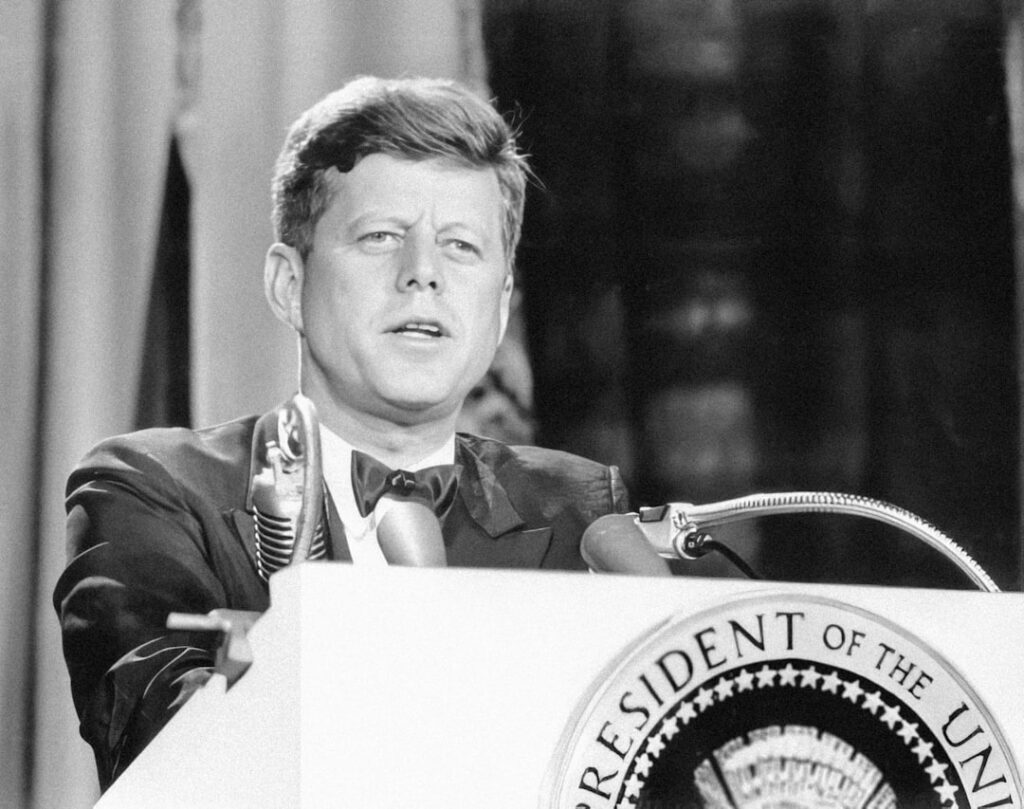
Theodore H. White, an influential American journalist and author, is best known for his groundbreaking work in political reporting and analysis. His book, “The Making of a President: 1960,” published in 1961, is a seminal piece that not only chronicles the events leading up to the 1960 presidential election but also offers profound insights into the political landscape of the time.
White’s narrative style, characterized by a blend of journalistic rigor and literary flair, transformed the way political campaigns were covered and understood. He meticulously documented the strategies, personalities, and media dynamics that shaped the election, providing readers with an intimate look at the political process. White’s approach to political journalism was innovative for its time.
He moved beyond mere reporting of events to explore the motivations and emotions of the candidates and their teams. In “The Making of a President: 1960,” he delves into the intricacies of campaign strategy, voter sentiment, and the evolving role of media in politics. This book not only serves as a historical account but also as a reflection on the nature of American democracy during a pivotal moment in its history.
White’s work has had a lasting impact on political journalism, setting a standard for future coverage of presidential elections.
Key Takeaways
- Theodore White was a prominent journalist and author of “The Making of a President: 1960”, a groundbreaking book that provided an insider’s view of the 1960 presidential election.
- The 1960 presidential election took place during a time of great social and political change in the United States, with issues such as civil rights and the Cold War playing a significant role in the campaign.
- Key players in the election campaign included John F. Kennedy, Richard Nixon, and their respective campaign teams, who utilized new strategies and technologies to reach voters.
- Television had a profound impact on the election, as it allowed candidates to reach a wider audience and influenced voters’ perceptions of the candidates’ personalities and abilities.
- The debates between John F. Kennedy and Richard Nixon were a pivotal moment in the election, as they showcased the power of television and had a significant impact on the outcome of the race.
- Theodore White’s approach to covering the election involved extensive research and interviews with key figures, providing readers with a comprehensive and insightful account of the campaign.
- The aftermath of the election saw John F. Kennedy become president, marking a new era in American politics and setting the stage for significant policy changes and social movements.
- “The Making of a President: 1960” continues to be a seminal work in political journalism, offering valuable insights into the inner workings of a presidential campaign and shaping the way future elections are covered and analyzed.
The historical context of the 1960 presidential election
The Complex Backdrop of the Election
These factors created a complex backdrop for the election, influencing both candidates and voters alike. In this context, the election pitted two contrasting figures against each other: John F. Kennedy, a young senator from Massachusetts, and Richard Nixon, the incumbent vice president.
A Clash of Visions
Kennedy represented a new generation of leadership, advocating for progressive policies and a vision of America that embraced change. In contrast, Nixon embodied the experience and continuity of the Eisenhower administration, appealing to voters who valued stability in uncertain times.
A Reflection of Societal Shifts
The election was not merely a contest between two candidates; it was a reflection of the broader societal shifts occurring in America, making it one of the most consequential elections in U.S. history.
The key players and their roles in the election campaign
The 1960 presidential campaign featured a cast of key players whose actions and decisions significantly influenced the outcome. John F. Kennedy emerged as a charismatic leader who effectively harnessed his youth and vigor to connect with voters.
His campaign focused on themes of hope and renewal, emphasizing the need for America to confront its challenges head-on. Kennedy’s team included skilled strategists like Pierre Salinger and Ted Sorensen, who crafted messages that resonated with a diverse electorate. On the other side, Richard Nixon brought years of political experience to his campaign.
Having served as vice president under Dwight D. Eisenhower, Nixon was well-versed in national issues and foreign policy. His campaign was marked by a more traditional approach, relying on established political networks and emphasizing his record of service.
Key figures in Nixon’s campaign included campaign manager Murray Chotiner and speechwriter William Safire, who worked tirelessly to present Nixon as a capable leader ready to take on the presidency. The dynamics between these two campaigns were further complicated by external factors such as media coverage and public perception. The contrasting styles of Kennedy and Nixon not only defined their campaigns but also shaped how voters viewed them.
Kennedy’s youthful energy often overshadowed Nixon’s experience, leading to a narrative that would play a crucial role in determining the election’s outcome.
The impact of television on the election
Television emerged as a powerful force in shaping public opinion during the 1960 presidential election. For the first time in American history, televised debates became a central feature of the campaign, fundamentally altering how candidates communicated with voters. The first debate between Kennedy and Nixon on September 26, 1960, is often cited as a turning point in electoral politics.
Millions tuned in to watch the candidates face off, marking a shift from print media dominance to visual media influence. Kennedy’s polished appearance and confident demeanor resonated with viewers, while Nixon’s struggle with illness and fatigue during the debate led to a perception that he was less capable. This stark contrast highlighted how television could amplify or diminish a candidate’s image in real-time.
The debates not only showcased policy positions but also allowed voters to form personal connections with the candidates based on their visual presentation and charisma. Moreover, television advertising played a crucial role in shaping voter perceptions throughout the campaign. Both candidates utilized commercials to convey their messages directly to the electorate.
Kennedy’s ads often focused on themes of hope and progress, while Nixon’s emphasized experience and stability. The ability to reach voters through this medium allowed both campaigns to craft narratives that aligned with their strategic goals, ultimately influencing public opinion in ways that traditional campaigning methods could not achieve.
The debates between John F. Kennedy and Richard Nixon are widely regarded as pivotal moments in American political history. These televised encounters not only provided voters with direct access to the candidates’ views but also highlighted their contrasting styles and approaches to leadership.
The first debate set the tone for subsequent encounters, showcasing Kennedy’s ability to engage with viewers while presenting his ideas clearly and confidently. In addition to their immediate impact on public perception, these debates also underscored the importance of image in modern politics. Kennedy’s youthful vigor contrasted sharply with Nixon’s more reserved demeanor, leading many viewers to perceive him as more relatable and dynamic.
The debates also marked a turning point in how candidates prepared for public appearances. Both campaigns recognized that television would play an increasingly central role in future elections, prompting them to invest more resources into media training and presentation strategies.
The lessons learned from these debates would shape not only future presidential campaigns but also broader trends in political communication, emphasizing the need for candidates to connect with voters on both intellectual and emotional levels.
The role of Theodore White as a journalist and his approach to covering the election
Immersive Storytelling
White’s commitment to capturing the essence of the political process involved extensive interviews with key players, allowing him to weave personal narratives into his analysis. Unlike many reporters who focused solely on facts and figures, White sought to understand the human elements behind the campaign—exploring not just what happened but why it mattered.
A Groundbreaking Methodology
White’s methodology was groundbreaking; he traveled extensively with both campaigns, gaining firsthand insights into their strategies and challenges. This immersive approach enabled him to provide readers with an authentic portrayal of the electoral landscape, highlighting moments of tension, triumph, and vulnerability among candidates and their teams.
A New Era of Political Reporting
White’s writing style reflected his belief that politics is inherently human—a series of choices made by individuals driven by ambition, fear, hope, and desire. By focusing on these emotional undercurrents, he created a compelling narrative that resonated with readers beyond mere statistics or policy discussions. His work encouraged future journalists to adopt similar approaches, emphasizing the importance of understanding the personal dimensions of political life.
The aftermath of the election and its impact on American politics
The aftermath of the 1960 presidential election marked a significant turning point in American politics. John F. Kennedy’s victory not only ushered in a new era of leadership but also signaled a shift toward more progressive policies that would define his administration.
His presidency would be characterized by ambitious initiatives such as civil rights reforms, space exploration efforts culminating in the Apollo program, and foreign policy challenges during events like the Cuban Missile Crisis. Kennedy’s election also had lasting implications for how future campaigns would be conducted. The successful use of television as a campaign tool set new standards for political communication, leading subsequent candidates to prioritize media engagement as an essential component of their strategies.
The lessons learned from Kennedy’s charismatic presentation contrasted with Nixon’s struggles during televised appearances underscored the importance of image management in modern politics. Furthermore, Kennedy’s presidency inspired a generation of young Americans who became politically active during this period—a phenomenon often referred to as “the Kennedy effect.” His emphasis on civic engagement and public service resonated deeply with many citizens, fostering an environment where activism flourished across various social movements throughout the 1960s.
The enduring legacy of “The Making of a President: 1960”
“The Making of a President: 1960” has left an indelible mark on both political journalism and historical scholarship. White’s work is often credited with elevating political reporting from mere documentation to an art form that captures the complexities of human behavior within electoral contexts. His narrative approach has influenced countless journalists who seek to tell stories that resonate emotionally while remaining grounded in factual accuracy.
The book also serves as an essential historical document that provides insights into an era defined by change and uncertainty. As scholars continue to study this pivotal election, White’s observations about media influence, candidate dynamics, and voter sentiment remain relevant today—offering lessons about democracy that transcend time periods. Moreover, “The Making of a President: 1960” has inspired adaptations across various media platforms, including documentaries and academic courses focused on political communication and electoral history.
Its enduring popularity reflects not only White’s skillful storytelling but also society’s ongoing fascination with presidential elections as critical moments that shape national identity and direction. In summary, Theodore White’s “The Making of a President: 1960” stands as both an insightful chronicle of an important electoral contest and a transformative work that reshaped how political journalism is practiced today. Its legacy continues to influence how we understand elections and their broader implications for American society.
If you are interested in exploring more about the historical context of presidential elections, you may want to check out the article “Hello World” on Hellread.com. This article delves into the impact of technology on modern-day political campaigns and how it has revolutionized the way candidates connect with voters. It provides a fascinating look at how the digital age has transformed the political landscape, making it a compelling read for anyone intrigued by the intersection of technology and politics. Click here to read more!
FAQs
What is “The Making of a President: 1960” by Theodore White about?
“The Making of a President: 1960” is a book written by Theodore White that provides an in-depth account of the 1960 United States presidential election, including the primaries, the Democratic and Republican national conventions, and the general election between John F. Kennedy and Richard Nixon.
Who is Theodore White?
Theodore H. White was an American political journalist and historian known for his “The Making of the President” series, which covered the presidential elections of 1960, 1964, 1968, and 1972. He was a Pulitzer Prize-winning author and a prominent figure in political journalism.
When was “The Making of a President: 1960” published?
“The Making of a President: 1960” was first published in 1961, shortly after the 1960 presidential election.
What makes “The Making of a President: 1960” significant?
“The Making of a President: 1960” is considered significant because it revolutionized the way political campaigns and elections were covered and analyzed. It provided a behind-the-scenes look at the strategies, personalities, and dynamics of the 1960 election, setting a new standard for political journalism.
Has “The Making of a President: 1960” received any awards or recognition?
Yes, “The Making of a President: 1960” won the Pulitzer Prize for General Non-Fiction in 1962, recognizing its outstanding contribution to the field of political journalism and historical analysis.




