
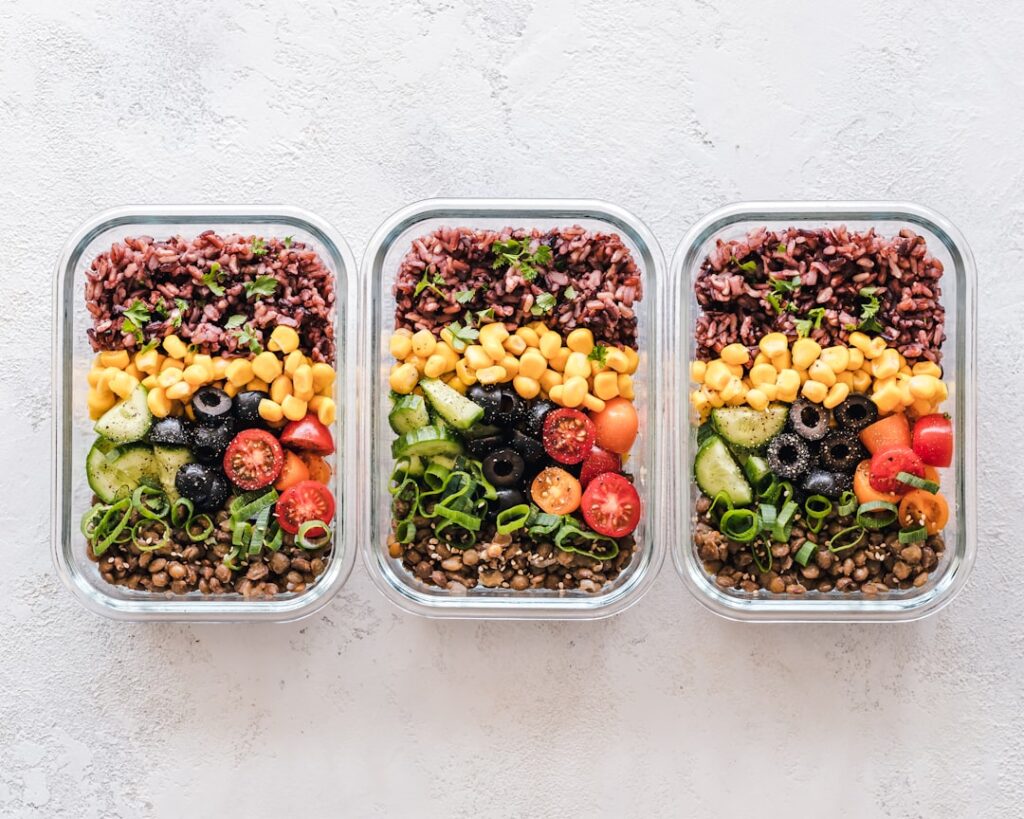
The Whole30 program has emerged as a popular dietary approach that emphasizes a return to whole, unprocessed foods. Launched in 2009 by Melissa Hartwig Urban and Dallas Hartwig, this 30-day nutritional reset aims to help individuals identify food sensitivities, improve their relationship with food, and foster healthier eating habits. Unlike many diets that focus on calorie counting or macronutrient ratios, Whole30 encourages participants to eliminate certain food groups for a month, allowing them to observe how their bodies respond to these changes.
This program has gained traction not only for its straightforward guidelines but also for its emphasis on the quality of food consumed.
Participants are encouraged to reflect on their eating habits and the emotional connections they have with food.
By committing to this 30-day challenge, individuals often find themselves re-evaluating their dietary choices and the impact those choices have on their overall well-being. The program has garnered a dedicated following, with countless testimonials from individuals who have experienced transformative changes in their health, energy levels, and mindset towards food.
Key Takeaways
- The Whole30 program is a 30-day dietary reset designed to help participants identify and eliminate foods that may be causing negative health effects.
- The program focuses on principles such as eliminating sugar, alcohol, grains, legumes, dairy, and processed foods, and emphasizes the consumption of whole, unprocessed foods.
- Benefits of The Whole30 may include improved energy levels, better digestion, clearer skin, and reduced inflammation.
- Real food is emphasized in The Whole30, with an emphasis on consuming high-quality meats, seafood, eggs, vegetables, fruits, and healthy fats.
- The Whole30 can help change eating habits by promoting mindful eating, breaking unhealthy food cravings, and fostering a healthier relationship with food.
The Principles and Rules of The Whole30
The Whole30 program is built upon a set of clear principles and rules designed to guide participants through their 30-day journey. At the heart of the program is the elimination of specific food groups that are commonly associated with inflammation, digestive issues, and cravings. These include sugar, alcohol, grains, legumes, soy, and dairy.
By removing these foods from the diet, participants can gain insight into how their bodies react to various substances and identify potential triggers for discomfort or unhealthy cravings. In addition to the elimination of certain foods, the Whole30 emphasizes the importance of consuming whole, nutrient-dense foods. This means focusing on vegetables, fruits, high-quality proteins, and healthy fats.
The program encourages participants to read labels carefully and avoid processed foods that contain additives or preservatives. This commitment to real food not only supports physical health but also fosters a deeper understanding of nutrition and its role in overall well-being. The rules are strict, and participants are advised against weighing themselves during the 30 days, as the focus is on how they feel rather than numerical outcomes.
The Benefits of The Whole30

The benefits of participating in the Whole30 program extend beyond mere weight loss; they encompass a wide range of physical and psychological improvements. Many individuals report increased energy levels after completing the program, attributing this boost to the elimination of sugar and processed foods that often lead to energy crashes. By consuming whole foods rich in nutrients, participants often experience enhanced vitality and improved mental clarity.
Moreover, the Whole30 can serve as a powerful tool for those struggling with food cravings or emotional eating. By removing trigger foods and focusing on nourishing meals, individuals can break free from unhealthy patterns and develop a more mindful approach to eating. This newfound awareness can lead to lasting changes in how one interacts with food, fostering a healthier relationship that prioritizes nourishment over indulgence.
Additionally, many participants report improvements in digestion, skin clarity, and even sleep quality as a result of their commitment to the program.
The Importance of Real Food in The Whole30
Central to the Whole30 philosophy is the concept of “real food,” which refers to whole, unprocessed ingredients that are free from additives and artificial substances. This focus on real food is crucial for several reasons. Firstly, whole foods are typically more nutrient-dense than their processed counterparts, providing essential vitamins and minerals that support overall health.
For instance, leafy greens like kale and spinach are packed with nutrients such as iron and calcium, while processed snacks often lack these vital components. Furthermore, consuming real food helps individuals develop a greater appreciation for flavors and textures that may have been masked by processed options. For example, a simple roasted sweet potato can offer a depth of flavor that is often lost in sugary snacks or fast food items.
By engaging with real food, participants can cultivate a more satisfying eating experience that nourishes both body and mind. This shift not only enhances physical health but also encourages a more mindful approach to meal preparation and consumption.
The Role of The Whole30 in Changing Eating Habits
The Whole30 program serves as a catalyst for changing long-standing eating habits by encouraging participants to confront their relationship with food head-on. Many individuals enter the program with ingrained habits formed over years of dietary choices influenced by convenience or societal norms. By committing to a structured 30-day plan that emphasizes whole foods and eliminates common triggers, participants often find themselves reassessing their cravings and emotional connections to food.
This process of self-discovery can be transformative. For instance, someone who previously relied on sugary snacks for comfort may begin to recognize these patterns during the elimination phase of Whole30. As they replace those snacks with nutrient-dense alternatives like fruit or nuts, they may find that their cravings diminish over time.
This newfound awareness can lead to lasting changes in how they approach food beyond the 30 days, fostering healthier habits that prioritize nourishment over convenience.
The Whole30 and its Impact on Health and Well-being

The impact of the Whole30 program on health and well-being can be profound. Many participants report significant improvements in various health markers after completing the program. For example, individuals with chronic inflammation or autoimmune conditions often experience reduced symptoms as they eliminate potential irritants from their diet.
This reduction in inflammation can lead to improved joint mobility, decreased fatigue, and an overall sense of well-being. Additionally, mental health benefits are frequently cited by those who complete the Whole30 program. The act of taking control over one’s diet can instill a sense of empowerment and accomplishment.
Participants often report feeling more in tune with their bodies and more capable of making informed dietary choices moving forward. This psychological shift can contribute to improved self-esteem and a more positive outlook on life as individuals recognize their ability to influence their health through mindful eating practices.
Tips and Strategies for Success with The Whole30
Embarking on the Whole30 journey requires careful planning and preparation to ensure success throughout the 30 days. One effective strategy is meal prepping; dedicating time each week to prepare meals in advance can alleviate stress during busy weekdays. By having compliant meals readily available, participants are less likely to resort to convenience foods that may not align with Whole30 guidelines.
Another important tip is to build a supportive community. Engaging with others who are also participating in the program can provide motivation and accountability. Online forums, social media groups, or local meet-ups can serve as valuable resources for sharing experiences, recipes, and encouragement throughout the journey.
Additionally, keeping a journal during this time can help individuals track their progress, reflect on their feelings about food, and identify any patterns or triggers that arise.
Conclusion and Long-term Effects of The Whole30
The Whole30 program offers participants an opportunity for profound transformation in both their dietary habits and overall health. While the initial commitment is for just 30 days, many individuals find that the lessons learned during this period extend far beyond the program’s conclusion. The emphasis on real food encourages lasting changes in how one approaches meals and snacks, fostering a lifestyle centered around nourishment rather than restriction.
This long-term shift can result in sustained improvements in physical health markers such as weight management, energy levels, and digestive health. Ultimately, the Whole30 serves not only as a dietary reset but also as a powerful tool for cultivating a healthier relationship with food that can last a lifetime.
If you’re interested in learning more about the benefits of clean eating and improving your overall health, you may want to check out this article on hellread.com. The Whole30 by Melissa Hartwig Urban and Dallas Hartwig is a great resource for anyone looking to reset their eating habits and improve their relationship with food. This article provides additional insights and tips on how to successfully navigate a Whole30 program and make lasting changes to your diet and lifestyle.
FAQs
What is The Whole30 program?
The Whole30 program is a 30-day nutritional reset designed to help participants identify and eliminate foods that may be negatively impacting their health and well-being.
Who created The Whole30 program?
The Whole30 program was created by Melissa Hartwig Urban and Dallas Hartwig, who are certified sports nutritionists and the co-authors of the book “The Whole30: The 30-Day Guide to Total Health and Food Freedom.”
What are the main principles of The Whole30 program?
The main principles of The Whole30 program include eliminating certain food groups such as sugar, alcohol, grains, legumes, dairy, and processed foods for 30 days, and then gradually reintroducing them to identify any potential sensitivities or negative effects.
What are the potential benefits of The Whole30 program?
The potential benefits of The Whole30 program include improved energy levels, better digestion, reduced inflammation, weight loss, and a better understanding of how different foods affect the body.
Is The Whole30 program suitable for everyone?
The Whole30 program may not be suitable for everyone, especially those with certain medical conditions or dietary restrictions. It is recommended to consult with a healthcare professional before starting the program.




