
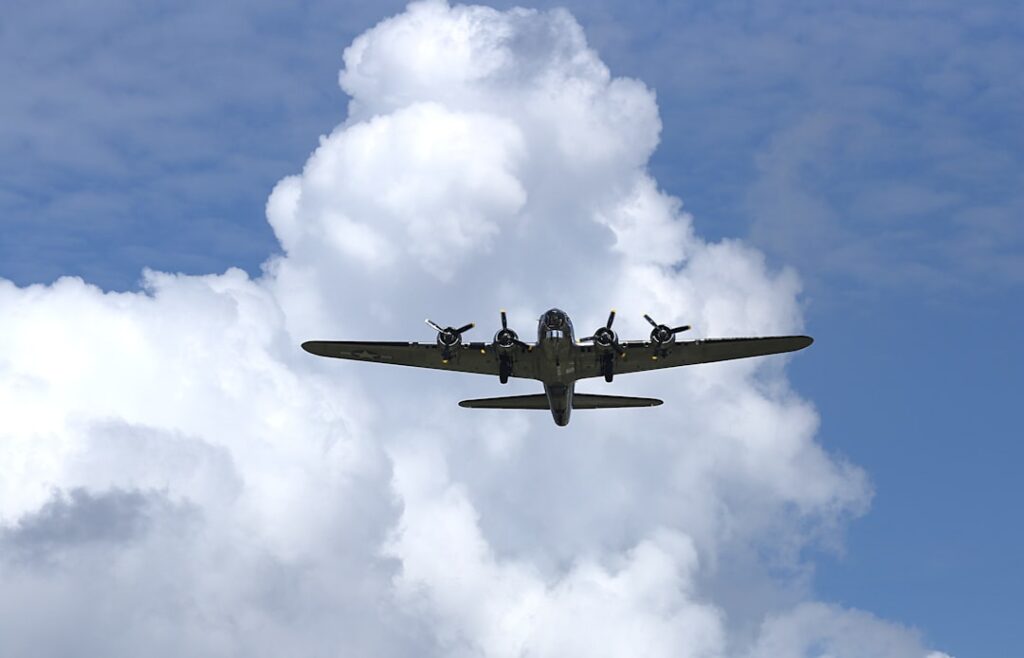
“Thirty Seconds Over Tokyo” is a gripping narrative that recounts one of the most audacious military operations of World War II—the Doolittle Raid.
Lawson, a pilot who participated in the raid, the book provides a firsthand account of the mission that aimed to strike a psychological blow against Japan following the attack on Pearl Harbor.
The title itself refers to the brief window of time that the bombers had to release their payloads over Tokyo, encapsulating the urgency and peril of the operation. Lawson’s work is not merely a recounting of events; it is a vivid portrayal of courage, camaraderie, and the harsh realities of war. The genesis of “Thirty Seconds Over Tokyo” can be traced back to the aftermath of the Doolittle Raid, which took place on April 18, 1942.
The mission was conceived as a response to Japan’s aggressive expansion in the Pacific and aimed to boost American morale. Lawson, along with his fellow crew members, faced insurmountable odds, including limited resources and the daunting task of flying bombers from an aircraft carrier. The book serves as both a historical document and a personal memoir, capturing the essence of bravery in the face of overwhelming adversity.
Lawson’s narrative is imbued with a sense of urgency and immediacy, drawing readers into the cockpit alongside him as they navigate the complexities of their mission.
Early Life and Passion for Aviation
Born in 1914 in Los Angeles, California, Ted W. Lawson developed an early fascination with aviation, which led him to pursue a career as a pilot. His passion for flying eventually brought him to the Army Air Forces, where he honed his skills and prepared for combat.
A Daring Air Raid and a Testament to Determination
Lawson’s journey from civilian life to becoming a key player in one of history’s most daring air raids is a testament to his determination and resilience. As a protagonist in “Thirty Seconds Over Tokyo,” Lawson embodies the spirit of his generation—brave, resourceful, and willing to sacrifice for a greater cause.
A Reflective and Engaging Narrative Voice
His narrative voice is both reflective and engaging, allowing readers to connect with his emotions and experiences on a personal level. Lawson’s portrayal of his fellow crew members adds depth to the story, highlighting their camaraderie and shared commitment to the mission. Through his eyes, readers gain insight into the psychological toll of war, as well as the bonds forged in the crucible of combat.
Key Takeaways
- “Thirty Seconds Over Tokyo” is a book that tells the story of the Doolittle Raid, a daring mission during World War II.
- Ted W. Lawson, the author and protagonist of the book, was a pilot on the mission and provides a firsthand account of the events.
- The Doolittle Raid was a turning point in World War II, boosting American morale and demonstrating the vulnerability of Japan.
- The B-25 Mitchell was the aircraft used in the Doolittle Raid, known for its versatility and effectiveness in the mission.
- The legacy of Ted W. Lawson and the Doolittle Raid continues to impact the way we remember and understand World War II.
The Doolittle Raid: A Daring Mission
The Doolittle Raid stands as one of the most audacious military operations in history, characterized by its boldness and strategic significance. Spearheaded by Lieutenant Colonel James Doolittle, the mission involved launching 16 B-25 bombers from the USS Hornet, an aircraft carrier stationed in the Pacific Ocean.
This was particularly crucial at a time when American morale was at an all-time low following the devastating attack on Pearl Harbor. The planning for such an operation was fraught with challenges. The B-25 bombers were not designed for carrier operations; they required longer runways for takeoff and landing.
However, Doolittle and his team devised innovative solutions to overcome these obstacles. They calculated that by launching from a carrier positioned approximately 400 miles off the Japanese coast, they could reach their targets while still having enough fuel to make it to safety in China after completing their bombing runs. This daring plan required precise execution and immense courage from the crews involved, as they faced not only enemy defenses but also the inherent risks of flying long distances in untested conditions.
The Crew of the Ruptured Duck
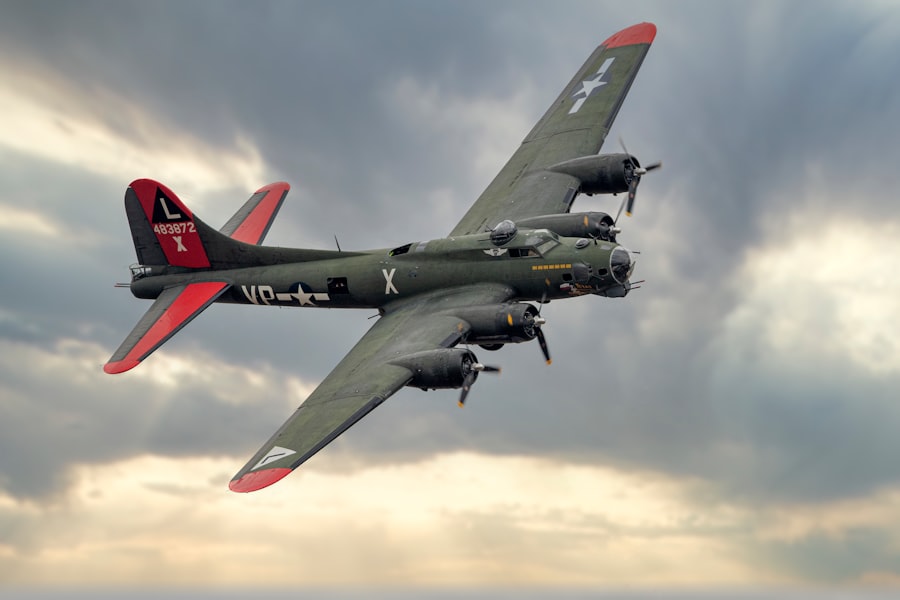
The “Ruptured Duck” was the nickname given to Lawson’s B-25 bomber, which became one of the most famous aircraft involved in the Doolittle Raid. The crew consisted of ten men, each with unique skills and backgrounds that contributed to their collective success. Among them were co-pilot David Jones, navigator William “Bill” McCulloch, and bombardier Thomas “Tommy” McGowan.
Each member played a crucial role in ensuring that their mission was executed effectively despite the numerous challenges they faced. The bond between the crew members was forged through rigorous training and shared experiences leading up to the raid. They underwent extensive preparation, including simulated bombing runs and emergency drills, which helped them develop trust in one another’s abilities.
This camaraderie would prove vital during the raid itself when they encountered unexpected difficulties, such as mechanical failures and enemy fire. Lawson’s detailed descriptions of his crew’s interactions highlight not only their professionalism but also their humanity—moments of humor and levity amidst the tension of war serve to illustrate their resilience.
The B-25 Mitchell: The Aircraft of the Doolittle Raid
The B-25 Mitchell bomber was an innovative aircraft that played a pivotal role in the Doolittle Raid. Designed by North American Aviation, it was a medium bomber known for its versatility and performance. With its twin-engine configuration and robust design, the B-25 was capable of carrying significant payloads while maintaining relatively high speeds.
Its ability to operate from shorter runways made it an ideal choice for this unprecedented mission. The specific variant used in the Doolittle Raid was the B-25B, which featured modifications that enhanced its bombing capabilities. These included a nose-mounted bombardier’s position and improved armament for defensive purposes.
The aircraft’s design allowed it to carry up to 3,000 pounds of bombs, which were crucial for achieving maximum impact during the raid. However, flying such an aircraft from an aircraft carrier posed unique challenges; pilots had to master takeoff techniques that were different from traditional land-based operations. Lawson’s account provides insight into these technical aspects while also emphasizing the bravery required to fly such missions under extreme conditions.
The Planning and Preparation for the Doolittle Raid
The planning phase for the Doolittle Raid was marked by urgency and innovation as military leaders sought to devise a strategy that would maximize impact while minimizing risk. Following Japan’s attack on Pearl Harbor in December 1941, American military planners recognized the need for a retaliatory strike that would boost morale and demonstrate American resolve. Lieutenant Colonel James Doolittle was selected to lead this mission due to his extensive experience as both a pilot and an aeronautical engineer.
Preparation involved meticulous coordination among various military branches, including intelligence gathering on potential targets in Japan and logistical planning for fuel and munitions. The crews underwent rigorous training at Eglin Field in Florida, where they practiced takeoff and bombing techniques under simulated conditions similar to those they would face during the raid. This preparation was critical; it not only equipped them with necessary skills but also fostered teamwork among crew members who would rely on each other during high-stress situations.
The Doolittle Raid: A Turning Point in World War II
The Doolittle Raid is often regarded as a turning point in World War II due to its profound psychological impact on both American forces and Japanese leadership. Although the physical damage inflicted on Japan was relatively limited—primarily targeting industrial sites—the raid served as a powerful symbol of American resilience and capability. It demonstrated that Japan was not invulnerable and that American forces could strike back effectively.
In addition to boosting American morale at home, the raid forced Japanese military leaders to reconsider their strategic approach in the Pacific theater. The psychological shockwaves reverberated throughout Japan, leading to increased caution in subsequent military operations. Furthermore, it galvanized American public support for continued military engagement against Japan, reinforcing the resolve to pursue victory at all costs.
The Aftermath of the Doolittle Raid
The aftermath of the Doolittle Raid was marked by both triumph and tragedy. While it achieved its primary objective of demonstrating American resolve and capability, it also resulted in significant challenges for many crew members who faced dire consequences after their missions were completed. Some crews were forced to bail out over occupied territory or crash-land in hostile environments, leading to capture by Japanese forces.
The fate of Lawson’s crew exemplifies this duality; while they successfully completed their bombing run, they encountered severe difficulties during their return flight. After running low on fuel, they were forced to ditch their aircraft in China, where they faced immediate danger from Japanese troops searching for downed airmen. The experiences of these men highlight not only their bravery but also the harsh realities faced by soldiers during wartime—where victory often comes at a steep price.
The Impact of Thirty Seconds Over Tokyo
“Thirty Seconds Over Tokyo” has had a lasting impact on both literature and military history since its publication in 1943. As one of the first firsthand accounts of aerial combat during World War II, it provided readers with an intimate glimpse into the experiences of those who fought in this pivotal conflict. Lawson’s narrative style combines technical details with emotional depth, making it accessible to both military enthusiasts and general readers alike.
The book has served as an important educational resource over the years, offering insights into military strategy, aviation technology, and human resilience under pressure. It has inspired countless individuals interested in aviation history and has been used as a reference point for understanding air warfare tactics during World War
Ted W. Lawson’s legacy extends beyond his role as an author; he is remembered as a courageous pilot who contributed significantly to one of World War II’s most iconic missions. His experiences during the Doolittle Raid shaped not only his life but also influenced subsequent generations of aviators and military personnel who drew inspiration from his bravery and determination.
The Doolittle Raid itself has become emblematic of American ingenuity and resilience in times of crisis. It serves as a reminder of what can be achieved through teamwork, innovation, and unwavering resolve in pursuit of a common goal. Lawson’s account continues to resonate with readers today as it encapsulates themes of sacrifice, heroism, and camaraderie that are timeless in their relevance.
The Reception and Reviews of Thirty Seconds Over Tokyo
Upon its release, “Thirty Seconds Over Tokyo” received widespread acclaim for its vivid storytelling and authentic portrayal of wartime experiences. Critics praised Lawson’s ability to convey both technical details about aviation and emotional truths about fear, bravery, and brotherhood among soldiers facing life-and-death situations. Readers were captivated by his firsthand account that brought them closer to understanding what it meant to be part of such a daring mission.
The book has since become a classic within military literature, often recommended for those seeking insight into World War II aviation history or personal narratives from veterans’ perspectives. Its enduring popularity can be attributed not only to its historical significance but also to Lawson’s skillful writing style that engages readers on multiple levels—intellectually through its historical context and emotionally through its exploration of human experiences during wartime. In summary, “Thirty Seconds Over Tokyo” stands as both an important historical document and a compelling narrative that captures one of World War II’s most daring missions through Ted W.
Lawson’s eyes—a testament to courage amidst adversity that continues to inspire generations today.
If you enjoyed reading Thirty Seconds Over Tokyo by Ted W. Lawson, you may also be interested in checking out this article on hellread.com about the history of World War II and the impact it had on various countries. This article provides a deeper insight into the events surrounding the Doolittle Raid and the bravery of the American airmen who participated in it. It is a fascinating read that complements the themes explored in Lawson’s book.
FAQs
What is the book “Thirty Seconds Over Tokyo” about?
The book “Thirty Seconds Over Tokyo” is a first-hand account of the Doolittle Raid, the first air raid by the United States on the Japanese home islands during World War II. It is written by Ted W. Lawson, who was a pilot on one of the B-25 bombers that participated in the raid.
When was “Thirty Seconds Over Tokyo” published?
“Thirty Seconds Over Tokyo” was first published in 1943.
Who was Ted W. Lawson?
Ted W. Lawson was a pilot in the United States Army Air Forces during World War II. He was one of the pilots who flew a B-25 bomber in the Doolittle Raid on Tokyo.
What is the significance of the Doolittle Raid?
The Doolittle Raid, also known as the Tokyo Raid, was significant because it was the first air raid to strike the Japanese home islands during World War II. It boosted morale in the United States and demonstrated to Japan that their homeland was vulnerable to air attack.
Is “Thirty Seconds Over Tokyo” a true story?
Yes, “Thirty Seconds Over Tokyo” is a true story. It is a first-hand account of the Doolittle Raid written by Ted W. Lawson, who was a participant in the raid.




