

“The Places in Between” is a compelling narrative that chronicles the journey of Rory Stewart, a British author and politician, as he traverses the rugged terrain of Afghanistan in the aftermath of the Taliban’s fall. This book is not merely a travelogue; it is a profound exploration of a country steeped in history, culture, and conflict. Stewart’s journey takes place in 2002, a time when Afghanistan was grappling with the remnants of war and the complexities of rebuilding.
Through his eyes, readers are invited to witness the stark contrasts of the Afghan landscape, the resilience of its people, and the intricate tapestry of life that persists despite adversity. Stewart’s narrative is imbued with a sense of urgency and purpose. He embarks on this journey not just as an observer but as someone seeking to understand the heart of Afghanistan.
His trek from Herat to Kabul is marked by encounters that reveal the multifaceted nature of Afghan society. The book serves as a bridge between cultures, offering insights into a land often misunderstood by the outside world. Stewart’s eloquent prose captures the essence of his experiences, making “The Places in Between” a significant contribution to contemporary literature on Afghanistan.
Key Takeaways
- “The Places in Between” is a travel memoir by Rory Stewart, documenting his journey on foot across Afghanistan in 2002.
- Stewart’s journey was filled with encounters with diverse landscapes and cultures, from mountains and deserts to remote villages and bustling cities.
- Along the way, Stewart faced numerous challenges, including harsh weather, political instability, and the threat of violence.
- Stewart’s interactions with locals provided valuable insights into the people and cultures of Afghanistan, highlighting the resilience and hospitality of its inhabitants.
- The journey had a profound impact on Stewart, shaping his understanding of the region and influencing his future work in politics and international relations.
The Journey of Rory Stewart
Into the Heart of a Nation
This journey is not just about the physical act of walking; it is a pilgrimage into the heart of a nation that has endured decades of turmoil.
The stark beauty of the Afghan landscape is juxtaposed with the harsh realities faced by its inhabitants.
A Land of Contrasts
Stewart’s narrative is punctuated by vivid descriptions of the mountains, deserts, and rivers that define Afghanistan’s geography. Each step he takes is laden with historical significance, as he reflects on the ancient trade routes that once flourished in these regions.
A Metaphor for Exploration and Understanding
His journey becomes a metaphor for exploration and understanding, as he seeks to connect with a land that has been both revered and reviled throughout history.
The Landscapes and Cultures Encountered
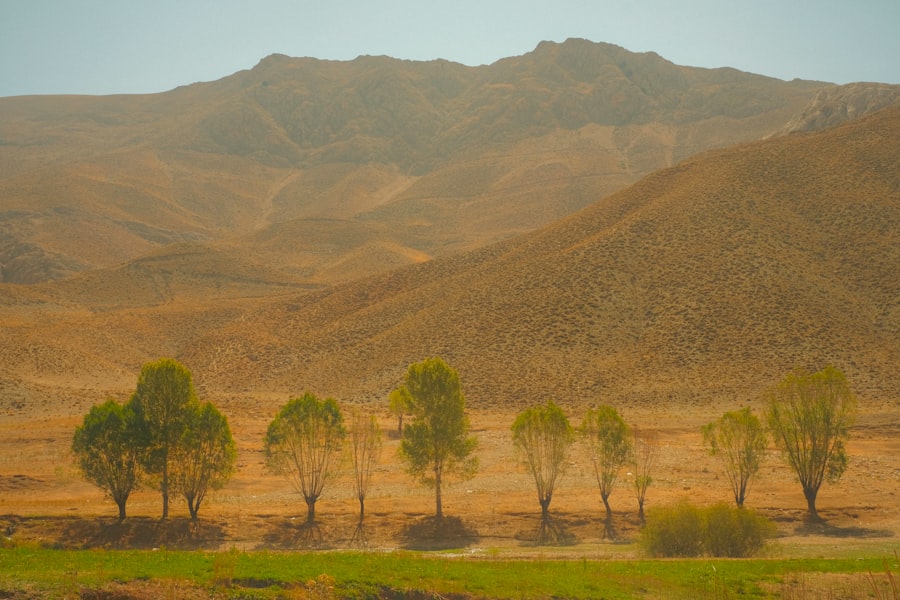
The landscapes that Stewart traverses are as diverse as the cultures he encounters along the way. From the arid plains of Herat to the towering peaks of the Hindu Kush, Afghanistan’s geography is both breathtaking and formidable. Stewart’s keen observations bring to life the stark contrasts between urban centers and rural villages.
In cities like Herat, remnants of Persian architecture stand alongside modern structures, reflecting a rich cultural heritage that has survived centuries of conflict. In contrast, the rural areas present a different reality. Stewart describes villages where life is governed by tradition and community ties.
The simplicity of daily life in these remote areas is both striking and poignant. He encounters farmers tending to their fields, women weaving carpets, and children playing in dusty streets. Each interaction reveals layers of cultural complexity, showcasing the resilience and adaptability of Afghan society.
Stewart’s ability to capture these moments allows readers to appreciate the beauty and diversity of Afghan culture, challenging preconceived notions shaped by media portrayals.
Challenges Faced Along the Way
Stewart’s journey is fraught with challenges that test his physical limits and mental fortitude. The harsh terrain presents obstacles that require not only stamina but also resourcefulness. As he navigates through mountainous paths and treacherous weather conditions, Stewart often finds himself at the mercy of nature.
The unpredictability of Afghan weather can turn a sunny day into a snowstorm within hours, forcing him to adapt quickly to survive. Moreover, Stewart faces social and political challenges that add layers of complexity to his journey. The remnants of war are palpable; landmines litter certain areas, posing a constant threat to travelers.
Additionally, Stewart must navigate cultural sensitivities while interacting with locals. His status as a foreigner can evoke suspicion or curiosity, depending on the context. These challenges serve as reminders of the precariousness of life in Afghanistan, where every step taken is imbued with risk and uncertainty.
Insights and Observations
Throughout “The Places in Between,” Stewart offers profound insights into Afghan society and its intricate dynamics. He reflects on themes of identity, resilience, and the human spirit’s capacity to endure despite adversity. One notable observation is the deep sense of community that permeates Afghan life.
In villages where resources are scarce, individuals rely on one another for support, fostering bonds that transcend familial ties. This communal spirit stands in stark contrast to Western individualism, prompting readers to reconsider their own cultural assumptions. Stewart also delves into the complexities of Afghan identity, shaped by centuries of history and conflict.
He notes how tribal affiliations influence social interactions and political allegiances, creating a mosaic of identities that coexist within the nation. His reflections challenge simplistic narratives about Afghanistan as a monolithic entity; instead, he presents it as a land rich in diversity and nuance. These insights encourage readers to engage with Afghanistan on a deeper level, fostering empathy and understanding for its people.
Interactions with Locals

Humility and Respect
Stewart’s approach is characterized by humility and respect, as he seeks to listen rather than impose his views. This openness allows for genuine connections to form, revealing stories that are often overlooked in mainstream narratives.
Personal Stories of Resilience
In one memorable encounter, Stewart meets an elderly man who shares tales of his youth during more peaceful times in Afghanistan. The man’s nostalgia for a bygone era contrasts sharply with the current realities faced by his community. Such interactions highlight the resilience of the human spirit; despite facing immense challenges, individuals continue to find joy in their lives and maintain hope for a better future.
Beyond Statistics
These personal stories serve as powerful reminders that behind every statistic lies a human experience waiting to be understood. They provide a poignant reminder of the importance of empathy and compassion in understanding the complexities of human experience.
Impact of the Journey on Stewart
The journey profoundly impacts Rory Stewart on multiple levels—physically, emotionally, and intellectually. As he navigates through Afghanistan’s diverse landscapes and cultures, he undergoes a transformation that reshapes his understanding of humanity. The physical demands of walking long distances through challenging terrain push him to confront his limitations while fostering a sense of connection to the land he traverses.
The stark realities faced by Afghans evoke empathy within him; he becomes acutely aware of the fragility of life in a country marked by conflict. This emotional journey compels him to reflect on broader themes such as resilience, hope, and the quest for meaning amidst chaos.
Intellectually, Stewart emerges from his journey with a deeper understanding of Afghanistan’s complexities. His experiences challenge preconceived notions shaped by media portrayals and political narratives. He recognizes that Afghanistan cannot be reduced to mere headlines; it is a land rich in history, culture, and human experience.
This newfound perspective informs his subsequent work as an author and politician, driving him to advocate for nuanced approaches to foreign policy and international engagement.
Conclusion and Legacy of The Places in Between
“The Places in Between” stands as a testament to Rory Stewart’s remarkable journey through Afghanistan—a narrative that transcends mere travel writing to become an exploration of humanity itself. Through his eloquent prose and keen observations, Stewart invites readers to engage with Afghanistan on a deeper level, challenging stereotypes while illuminating the resilience of its people. The legacy of this work extends beyond its pages; it serves as a call for empathy and understanding in an increasingly polarized world.
By sharing his experiences and insights, Stewart contributes to a broader discourse on international relations and cultural exchange. “The Places in Between” remains relevant today as it encourages readers to look beyond headlines and engage with the complexities that define our shared human experience. In doing so, it fosters a sense of connection that transcends borders—a reminder that we are all part of a larger narrative woven together by our shared humanity.
If you enjoyed reading The Places in Between by Rory Stewart, you may also be interested in checking out this article on Hellread titled


