
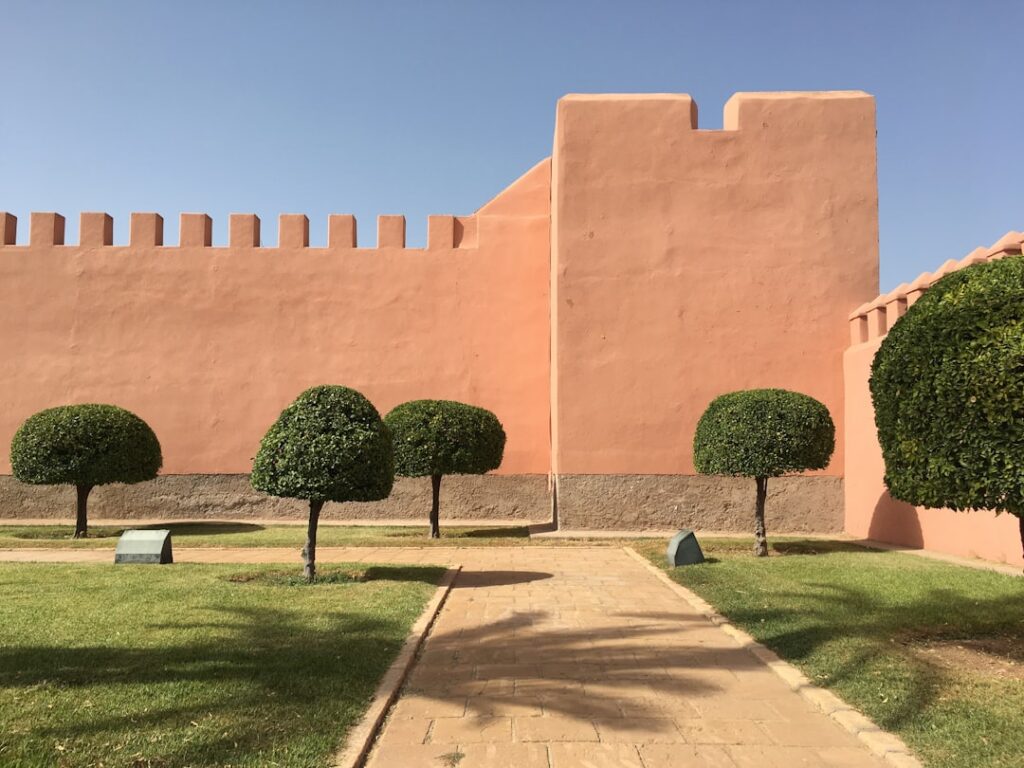
Tahir Shah’s “The Caliph’s House: A Year in Casablanca” is a captivating memoir that chronicles the author’s experiences as he relocates from the bustling streets of London to the vibrant city of Casablanca, Morocco. This book is not merely a travelogue; it is an exploration of cultural identity, personal transformation, and the complexities of adapting to a new environment. Through his vivid storytelling, Shah invites readers into the heart of Moroccan life, revealing the intricacies of its traditions, the warmth of its people, and the challenges that come with embracing a foreign culture.
The narrative unfolds against the backdrop of a grand yet dilapidated house that Shah acquires in Casablanca, which he affectionately refers to as “The Caliph’s House.” This residence becomes a character in its own right, symbolizing both the allure and the trials of Moroccan life. As Shah embarks on a journey of renovation and self-discovery, he weaves together anecdotes that highlight the contrasts between his Western upbringing and the rich tapestry of Moroccan customs. The book serves as a bridge between two worlds, offering insights into the beauty and complexity of cultural exchange.
Key Takeaways
- “The Caliph’s House: A Year in Casablanca” is a captivating memoir that offers a glimpse into Moroccan culture and the challenges of renovating a home in Casablanca.
- Tahir Shah’s journey to Casablanca is filled with adventure and discovery, as he navigates the complexities of Moroccan society and the mysteries of the city.
- The book provides an insightful look into Moroccan culture, traditions, and the unique way of life in Casablanca, offering readers a deeper understanding of the country.
- Renovating a Moroccan home presents numerous challenges and adventures, from navigating local customs to dealing with unexpected surprises, making for a compelling and engaging read.
- Casablanca is steeped in mysteries and legends, adding an air of enchantment to the city and inspiring readers to explore its hidden secrets.
Tahir Shah’s Journey to Casablanca
Tahir Shah’s journey to Casablanca is marked by a sense of adventure and a quest for authenticity. Leaving behind the familiar comforts of London, he seeks to immerse himself in a culture that is both foreign and enchanting. His decision to move to Morocco is fueled by a desire to reconnect with his roots; Shah’s family has historical ties to the region, and this move represents a return to his ancestral heritage.
The allure of Morocco’s vibrant markets, rich history, and diverse landscapes beckons him, promising an experience that transcends mere tourism. Upon arriving in Casablanca, Shah is immediately struck by the city’s unique blend of modernity and tradition. The bustling streets are alive with the sounds of vendors hawking their wares, the aroma of spices wafting through the air, and the vibrant colors of textiles and ceramics that adorn the markets.
Yet, beneath this lively exterior lies a complexity that challenges Shah’s perceptions. He grapples with language barriers, cultural misunderstandings, and the realities of daily life in a city that operates on its own rhythm. This initial period of adjustment sets the stage for his deeper exploration of Moroccan culture and his eventual embrace of its nuances.
The Caliph’s House: A Year in Casablanca – A Glimpse into Moroccan Culture
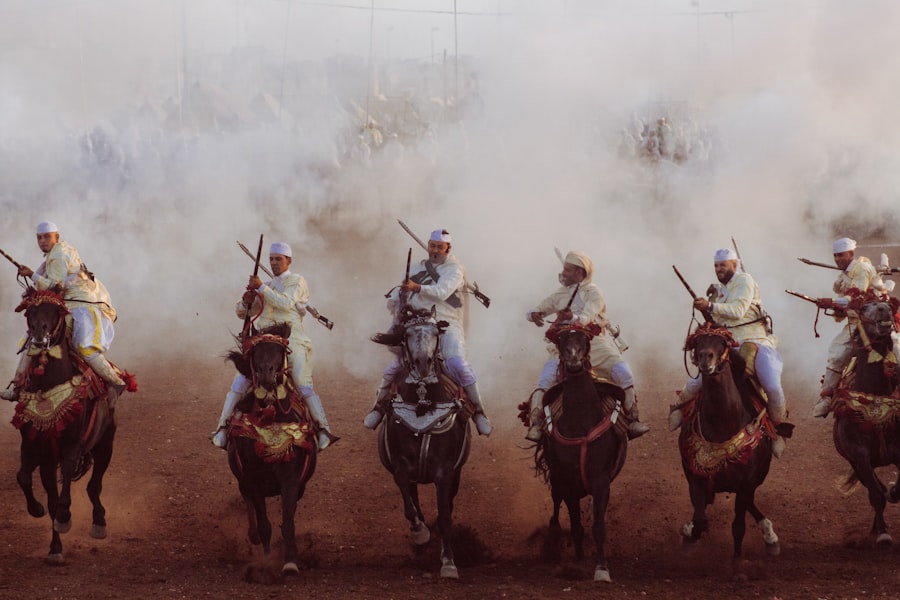
In “The Caliph’s House,” Tahir Shah provides readers with an intimate glimpse into Moroccan culture, showcasing its rich traditions and customs through his personal experiences. One of the most striking aspects of Moroccan life that Shah highlights is the importance of hospitality. From the moment he arrives, he is welcomed by neighbors and locals who embody the spirit of generosity that defines Moroccan society.
This warmth is not merely superficial; it reflects a deep-seated cultural value that emphasizes community and connection. Shah’s interactions with his neighbors serve as a lens through which readers can appreciate the intricacies of Moroccan social dynamics. He recounts moments spent sharing meals with local families, participating in traditional celebrations, and engaging in conversations that reveal the complexities of Moroccan identity.
Through these experiences, Shah illustrates how food plays a central role in Moroccan culture, acting as both a means of sustenance and a vehicle for social bonding. The rituals surrounding meals—such as the communal sharing of tagine or couscous—highlight the significance of togetherness in Moroccan life.
The Challenges and Adventures of Renovating a Moroccan Home
Renovating “The Caliph’s House” becomes a metaphor for Shah’s journey of adaptation and self-discovery. The house itself is steeped in history, with its crumbling walls and intricate tile work telling stories of generations past.
He encounters obstacles ranging from bureaucratic red tape to unexpected structural issues, each presenting an opportunity for growth and learning. Shah’s experiences during the renovation process are both humorous and enlightening. He navigates the complexities of hiring local craftsmen, each with their own unique approach to work and differing interpretations of deadlines.
These interactions reveal not only the practical challenges of home renovation but also the cultural differences that shape communication and expectations. As he learns to adapt to these nuances, Shah gains a deeper appreciation for Moroccan craftsmanship and the artistry embedded in traditional building techniques.
The Mysteries and Legends of Casablanca
Casablanca is not just a city; it is a tapestry woven with mysteries and legends that enrich its cultural landscape. Throughout “The Caliph’s House,” Tahir Shah delves into these stories, exploring how they shape the identity of the city and its inhabitants. From tales of ancient traders who once navigated its shores to legends surrounding local saints and historical figures, these narratives add depth to Shah’s understanding of Casablanca.
One particularly captivating aspect of Moroccan folklore that Shah encounters is the concept of baraka—an intangible blessing or spiritual presence believed to inhabit certain places or people. This belief permeates everyday life in Morocco, influencing everything from architectural design to social interactions. As Shah immerses himself in these stories, he begins to see his surroundings through a different lens, recognizing that every corner of Casablanca holds echoes of its past.
This exploration not only enriches his experience but also invites readers to consider how history shapes contemporary life.
Tahir Shah’s Reflections on Living in Casablanca
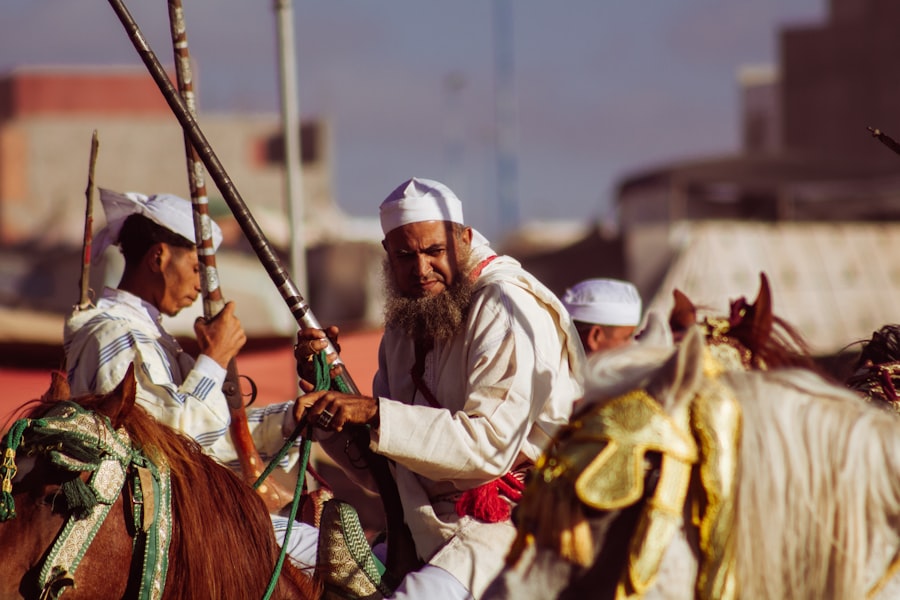
Reflections on Identity and Belonging
Shah’s observations go beyond mere cultural differences, exploring themes of identity, belonging, and the search for meaning in a rapidly globalizing world. Through his experiences, he grapples with what it means to be an outsider in a place that feels both familiar and foreign.
Navigating the Quirks of Moroccan Life
Shah’s reflections are often infused with humor as he navigates the eccentricities of Moroccan life, from dealing with erratic plumbing to deciphering local customs. However, beneath this lightheartedness lies a deeper exploration of resilience and adaptability.
Embracing Uncertainty and Finding Joy
Shah learns to embrace uncertainty and find joy in spontaneity, recognizing that life in Casablanca is often unpredictable yet rich with opportunities for connection and growth. These insights resonate with readers who may have experienced similar feelings when confronting new environments or cultures.
The Impact of The Caliph’s House: A Year in Casablanca on the Author and Readers
“The Caliph’s House” has left an indelible mark on both Tahir Shah as an author and on readers who embark on this journey alongside him. For Shah, living in Casablanca becomes a transformative experience that reshapes his understanding of home, identity, and community. The challenges he faces during his year-long stay compel him to confront his own assumptions about culture and belonging, ultimately leading to personal growth and self-discovery.
Readers are similarly impacted by Shah’s narrative as they are drawn into his world through vivid descriptions and relatable anecdotes. The book serves as an invitation to explore not only Morocco but also one’s own perceptions of culture and identity. Through Shah’s eyes, readers gain insight into the beauty of cultural exchange—the ways in which different traditions can enrich our lives while also challenging our preconceived notions.
This shared journey fosters empathy and understanding, encouraging readers to embrace diversity in their own lives.
The Legacy of The Caliph’s House: A Year in Casablanca
“The Caliph’s House: A Year in Casablanca” stands as a testament to the power of storytelling in bridging cultural divides. Tahir Shah’s experiences resonate far beyond the pages of his memoir; they invite readers to reflect on their own journeys through unfamiliar landscapes—both physical and emotional. The legacy of this book lies not only in its vivid portrayal of Moroccan culture but also in its exploration of universal themes such as belonging, resilience, and the transformative nature of travel.
As readers close the final chapter, they are left with a sense of connection to both Shah’s personal journey and the broader tapestry of human experience. “The Caliph’s House” serves as a reminder that while cultures may differ, our shared humanity binds us together in ways that transcend borders. Through his eloquent prose and keen observations, Tahir Shah has crafted a narrative that continues to inspire curiosity about the world around us—a legacy that will endure long after the last page is turned.
If you enjoyed reading The Caliph’s House: A Year in Casablanca by Tahir Shah, you may also be interested in checking out this article on Hellread titled Hello World. This article explores the concept of starting anew and embracing new beginnings, much like the author’s journey in Morocco. It delves into the idea of stepping out of one’s comfort zone and immersing oneself in a new culture, which is a central theme in Shah’s book. Be sure to give it a read for some thought-provoking insights.
FAQs
What is The Caliph’s House: A Year in Casablanca by Tahir Shah about?
The Caliph’s House: A Year in Casablanca is a memoir by Tahir Shah that recounts his experiences of buying and renovating a mansion in Casablanca, Morocco.
Who is Tahir Shah?
Tahir Shah is a British author of Pakistani and Afghan descent, known for his travel memoirs and works of fiction.
What is the significance of the title “The Caliph’s House”?
The title “The Caliph’s House” refers to the mansion that Tahir Shah purchases in Casablanca, which is rumored to have been owned by a caliph in the past.
What are some of the themes explored in the book?
The book explores themes such as cultural differences, the supernatural, and the challenges of renovating a historic property in a foreign country.
Is The Caliph’s House: A Year in Casablanca based on a true story?
Yes, the book is a memoir and is based on Tahir Shah’s real-life experiences of living in Casablanca and renovating the mansion.
What is the writing style of The Caliph’s House: A Year in Casablanca?
Tahir Shah’s writing style is descriptive and immersive, often incorporating elements of magical realism and folklore.




